

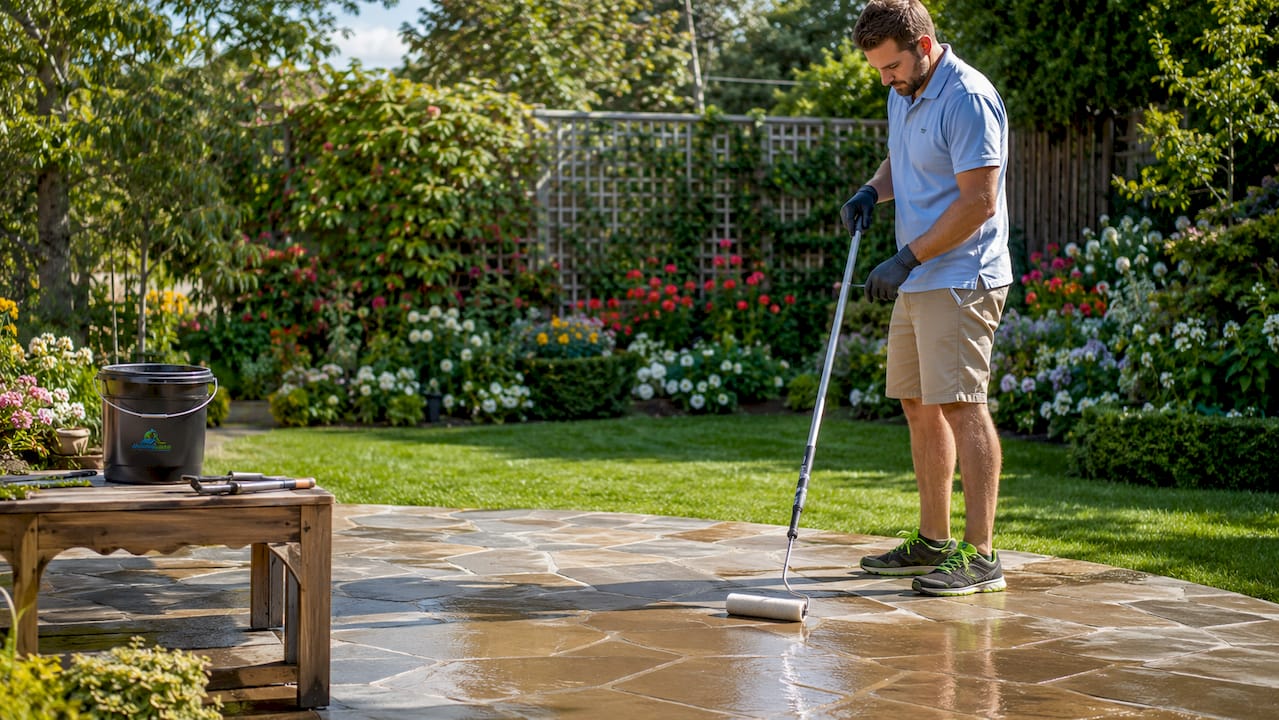
TL;DR:
- Sealing pavers protects against moisture, stains, and UV damage, extending their appearance and structural integrity. Proper preparation and timing are essential to ensure long-lasting results, including cleaning, efflorescence removal, and letting surfaces dry fully. Resealing every 2 to 5 years maintains protection, reduces maintenance costs, and prevents irreversible damage.
Paver sealing is the process of applying a protective coating to concrete, brick, or natural stone pavers to block moisture, stains, UV radiation, and joint sand erosion. Understanding why sealing pavers matters is the difference between a patio that looks great for a decade and one that crumbles and fades within a few years. Sealed pavers resist oil spills, pool chemicals, and leaf tannins that would otherwise soak into the surface permanently. In Florida’s climate, where rainfall exceeds 50 inches annually and humidity rarely drops below 60%, unprotected pavers face accelerated degradation that no amount of cleaning can reverse.
Why sealing pavers matters for protection against damage
Concrete and natural stone pavers are porous by nature. That porosity is what makes them vulnerable. Without a sealer, liquids and contaminants absorb directly into the surface, and once they penetrate deep enough, no surface cleaning removes them.
The most common threats to unsealed pavers include:
- Oil and grease stains from driveways and outdoor kitchens that bond permanently to the stone matrix
- UV radiation that bleaches color from the surface, leaving pavers chalky and washed out within a single summer
- Moisture intrusion that cycles through freeze and thaw, cracking pavers from the inside out
- Biological growth including algae, mold, and moss that grip porous surfaces and accelerate surface breakdown
- Leaf tannins and pool chemicals that leave dark, acidic stains nearly impossible to remove once set
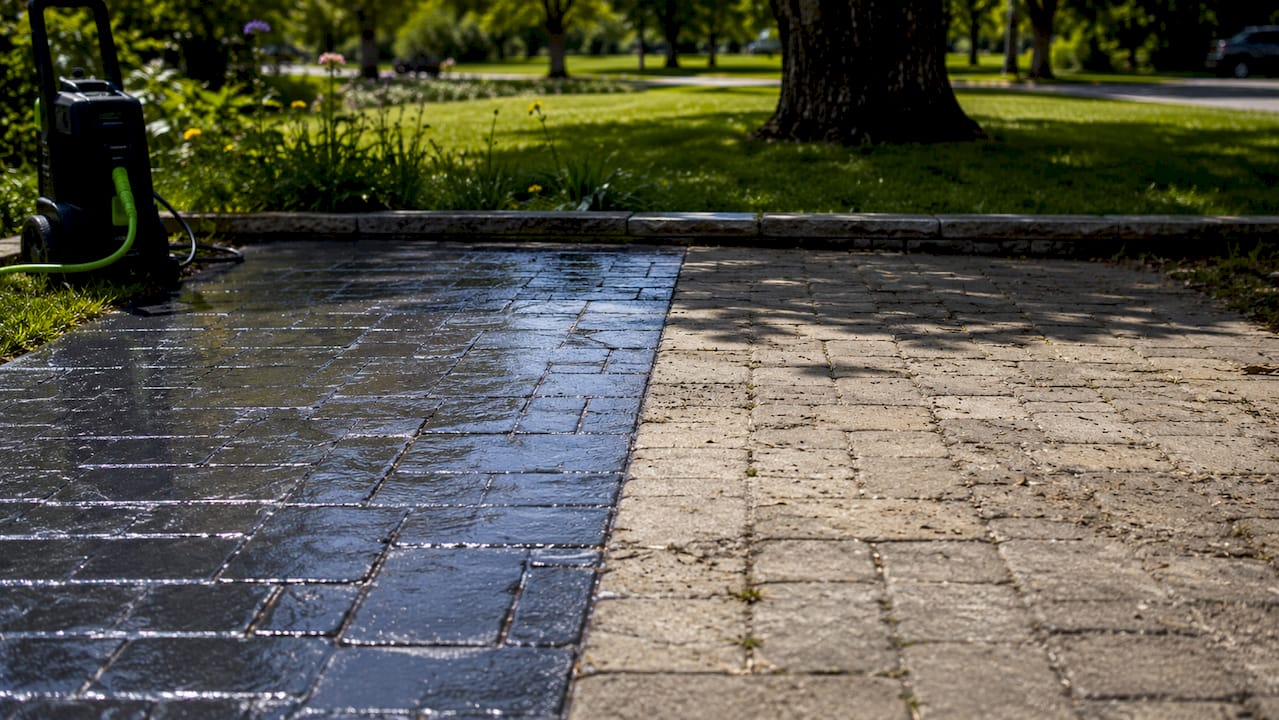
Sealing blocks UV fading, water penetration, and stains, keeping pavers looking new far longer than untreated surfaces. That protection is not cosmetic. It is structural. Joint sand erosion is one of the most underappreciated risks. When the sand between pavers washes away, the pavers shift, crack, and create trip hazards. Polymeric sand reinforcement is more critical than the sealant itself for structural stability, but the sealant locks that sand in place and prevents it from washing out with every rain.
Pro Tip: Do not wait until you see fading or weeds pushing through the joints. By that point, the damage is already done and restoration costs far exceed what proactive sealing would have cost.
What is the proper process and timing for sealing pavers?
Getting the sealing process right matters as much as the sealing itself. A rushed or poorly prepared job creates problems that are harder to fix than the original damage.
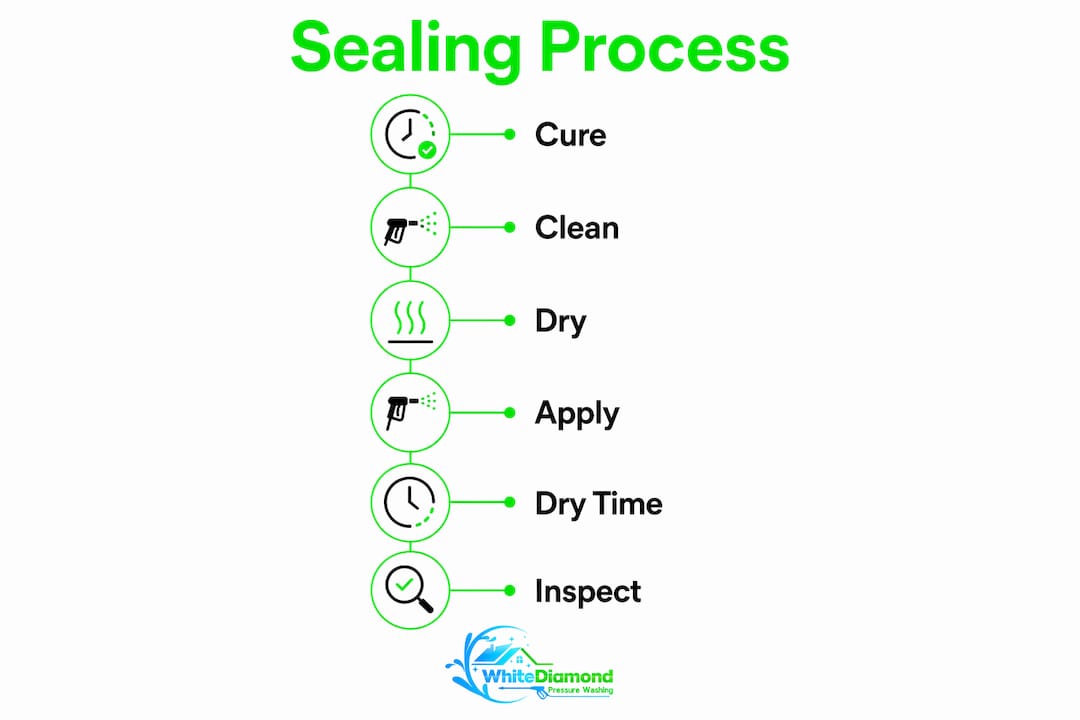
- Wait for new pavers to cure. New concrete pavers need 60–90 days before sealing. Sealing too early traps off-gassing compounds and prevents proper adhesion.
- Clean the surface thoroughly. Remove all dirt, biological growth, and stains before applying any sealer. Skipping this step is the most common cause of sealer failure.
- Remove efflorescence completely. Efflorescence is the white, chalky mineral residue that migrates to the surface of concrete pavers. Sealing over efflorescence traps mineral salts under the coating and causes long-term clouding that is extremely difficult to remove.
- Let the surface dry fully. Moisture trapped under a sealer creates a hazy, milky finish. In humid climates, this means waiting at least 24 hours after cleaning before applying sealer.
- Replenish joint sand. Before sealing, refill any depleted joints with polymeric sand. The sealer will then lock it in place.
- Apply the sealer evenly. Use a pump sprayer or roller for consistent coverage. Avoid pooling, which creates a thick, uneven film that peels.
- Enforce the cure period. Professional sealing requires 24–48 hours with no foot traffic or moisture exposure to allow full adhesion and durability.
| Step | Timing |
|---|---|
| Cure new pavers before sealing | 60–90 days after installation |
| Clean and dry surface | At least 24 hours before sealing |
| Apply sealer | After surface is fully dry and joints are filled |
| Traffic-free cure period | 24–48 hours after application |
| Resealing interval | Every 2–5 years depending on exposure |
Pro Tip: Check the weather forecast before scheduling a sealing job. Rain within 24 hours of application ruins the cure and forces a complete redo. Plan for a dry window of at least two full days.
Neglecting thorough surface preparation before sealing is the single most common cause of sealer failure. A hazy, peeling sealer is harder to strip and reapply than starting fresh on a clean surface.
What are the long-term maintenance benefits after sealing?
Sealing transforms porous pavers into non-porous surfaces, which changes how you maintain them entirely. Spills rinse off with water instead of soaking in. Weeds lose their foothold because seeds cannot penetrate the sealed joints. Algae and mold growth slows significantly because the surface no longer holds moisture the same way.
The practical maintenance benefits of sealed pavers include:
- Easier routine cleaning. A garden hose handles most surface dirt. You no longer need aggressive scrubbing or chemical treatments for routine upkeep.
- Reduced weed growth. Sealed joints block seed germination, cutting down on manual weeding and herbicide use.
- Slower biological growth. Algae and mildew take longer to establish on a sealed surface, extending the time between professional cleanings.
- Color preservation. UV-blocking sealers maintain the original color of pavers, which matters for curb appeal and property value.
- Lower long-term costs. Restoration after neglecting sealing is exponentially more expensive than upfront preventative sealing. Replacing stained or cracked pavers costs far more than a resealing appointment.
A quality sealer lasts 2–5 years depending on sun exposure, foot traffic, and climate. High-UV environments like Florida shorten that window. Signs you need to reseal include water absorbing into the surface instead of beading, visible fading, and sand washing out of joints after rain. Pairing your driveway maintenance routine with a regular resealing schedule is the most cost-effective approach to long-term paver care.
Moisture management extends beyond the pavers themselves. If your property has drainage issues or basement moisture concerns, addressing those problems alongside sealing gives you a complete exterior protection strategy. Preventing moisture intrusion at multiple points in your home’s exterior reduces the cumulative damage that humidity causes over time.
Are there different types of sealers for different needs?
Not all sealers work the same way, and choosing the wrong type for your surface or climate leads to disappointing results. The two main categories are film-forming sealers and penetrating sealers.
| Sealer type | How it works | Best for | Finish |
|---|---|---|---|
| Film-forming (acrylic) | Coats the surface with a protective layer | Concrete and brick pavers | Wet look or satin |
| Penetrating (silane/siloxane) | Absorbs into the paver and repels moisture from within | Natural stone, travertine | Natural/matte |
| Polyurethane | Forms a hard, durable film | High-traffic areas | Gloss or satin |
Film-forming sealers, typically acrylic-based, are the most common choice for concrete and brick pavers. They create the “wet look” finish that deepens color and adds visible sheen. That appearance works well for pool decks and patios where visual impact matters. Penetrating sealers suit natural stone like travertine and flagstone, where a glossy film would look out of place and could make the surface slippery when wet.
UV resistance is a critical factor in sealer selection for any property in a high-sun climate. Not all film-forming sealers include UV inhibitors. Choosing one without UV protection defeats part of the purpose of sealing. A professional assessment of your surface type, traffic level, and sun exposure is the most reliable way to select the right product. You can learn more about exterior sealing options and how they apply to different surfaces before committing to a product.
Key Takeaways
Sealing pavers is a structural preservation method that prevents staining, UV fading, moisture damage, and joint erosion while cutting long-term maintenance costs significantly.
| Point | Details |
|---|---|
| Sealing prevents irreversible damage | Stains, UV fading, and joint erosion become permanent without a protective coating. |
| Preparation determines success | Surfaces must be clean, dry, and free of efflorescence before any sealer is applied. |
| Timing affects adhesion | New pavers need 60–90 days to cure; sealed surfaces need 24–48 hours traffic-free after application. |
| Maintenance intervals matter | Reseal every 2–5 years based on climate and traffic to maintain full protection. |
| Proactive sealing saves money | Restoration after neglect costs far more than scheduled preventative sealing. |
What most homeowners get wrong about paver sealing
From what I’ve seen working with homeowners across Citrus County, the biggest mistake is treating sealing as optional. People install beautiful pavers, enjoy them for a season, and then watch them fade and stain while assuming that is just what pavers do. It is not. That deterioration is entirely preventable.
The second most common mistake is rushing the preparation. I have seen homeowners apply sealer over damp surfaces or skip efflorescence removal because they wanted to finish the job in a single afternoon. The result is a cloudy, peeling finish that looks worse than no sealer at all. Stripping a failed sealer is a miserable job. Doing the prep right the first time takes a few extra hours and saves days of remediation work.
What I find most interesting is that sealing is not really about aesthetics, even though the wet look finish is genuinely attractive. It is about structural preservation. The pavers you seal today will still be solid and stable in ten years. The ones you skip will be cracked, stained, and shifting within three. That is not an exaggeration. It is what the data and field experience both confirm. Treat sealing as part of your regular exterior maintenance budget, not as an optional upgrade you get to when you feel like it.
— Bobby
Protect your pavers with Whitediamondpressurewashing
Whitediamondpressurewashing serves homeowners and property managers across Citrus County with professional exterior cleaning and sealing services built around proper preparation and lasting results.

The team at Whitediamondpressurewashing handles every step of the process: thorough surface cleaning, efflorescence removal, joint sand replenishment, and sealer application using industry-approved methods. You get a surface that is properly prepped and correctly sealed, not just sprayed and left to cure. If you are ready to protect your investment, visit Whitediamondpressurewashing to request a free estimate and schedule your service.
FAQ
How often should I reseal my pavers?
Most pavers need resealing every 2–5 years, depending on sun exposure, foot traffic, and climate. High-UV environments like Florida typically require resealing on the shorter end of that range.
Can I seal pavers myself?
You can, but surface preparation is where most DIY jobs fail. Sealing over moisture or efflorescence traps minerals under the coating and causes permanent clouding that is difficult to remove.
How do I know when my pavers need resealing?
Water absorbing into the surface instead of beading off is the clearest sign. Visible color fading and sand washing out of joints after rain also indicate the sealer has worn through.
Should I seal new pavers right away?
New concrete pavers need 60–90 days to cure before sealing. Sealing too early traps off-gassing compounds and prevents proper adhesion, leading to sealer failure.
What is the difference between a wet look and a natural finish sealer?
Wet look sealers are film-forming and add visible sheen while deepening color. Natural finish sealers, typically penetrating types, protect the surface without changing its appearance, which suits natural stone pavers like travertine.