

TL;DR:
- Microbial growth on siding includes algae, mold, and mildew, which signal moisture problems and can damage materials. Regular cleaning, gutter maintenance, and moisture control prevent growth, while soft washing safely removes it without impairing siding. Rapid regrowth indicates hidden moisture issues that require professional inspection and repair.
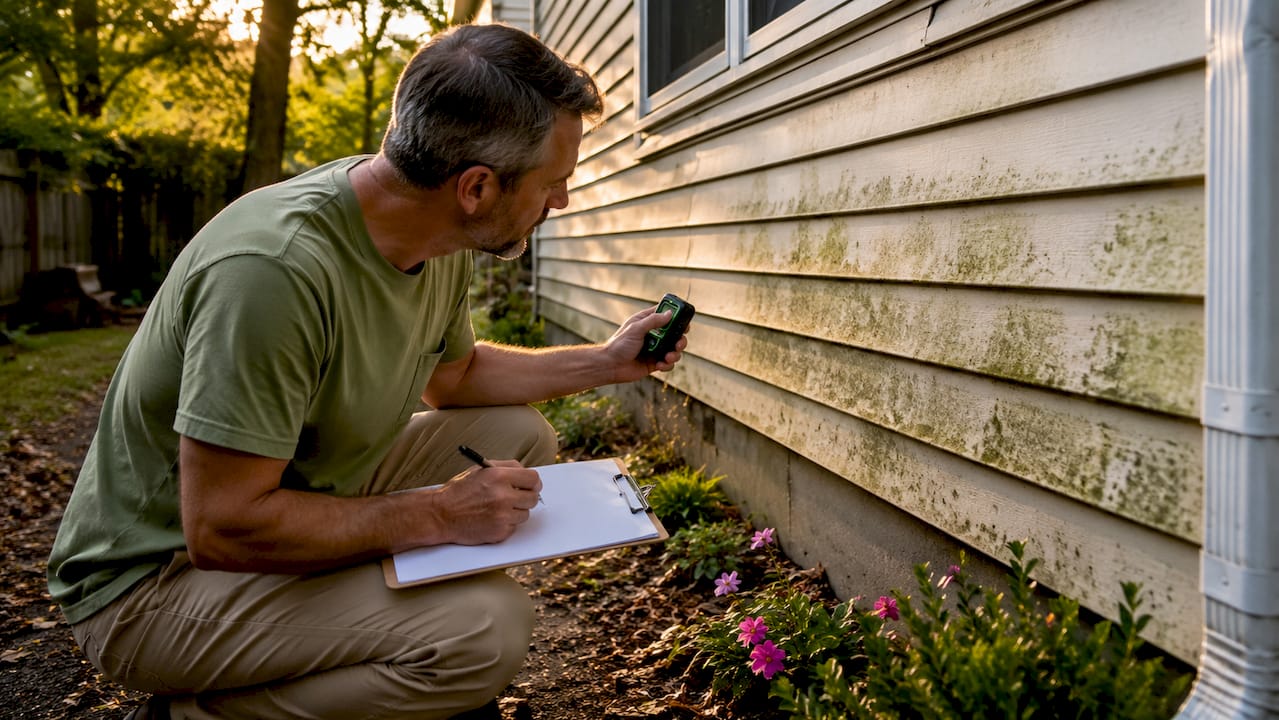
Microbial growth on siding is defined as the colonization of exterior wall surfaces by living organisms, primarily algae, mold, and mildew, that feed on moisture, organic debris, and nutrients deposited on your home’s outer walls. Understanding what are microbial growths on siding matters because these organisms do more than look bad. They signal moisture problems, degrade siding materials, and can affect indoor air quality if left untreated. Whitediamondpressurewashing works with homeowners across Citrus County who discover these growths and need clear answers about causes, risks, and the safest way to get rid of them.
What are microbial growths on siding?
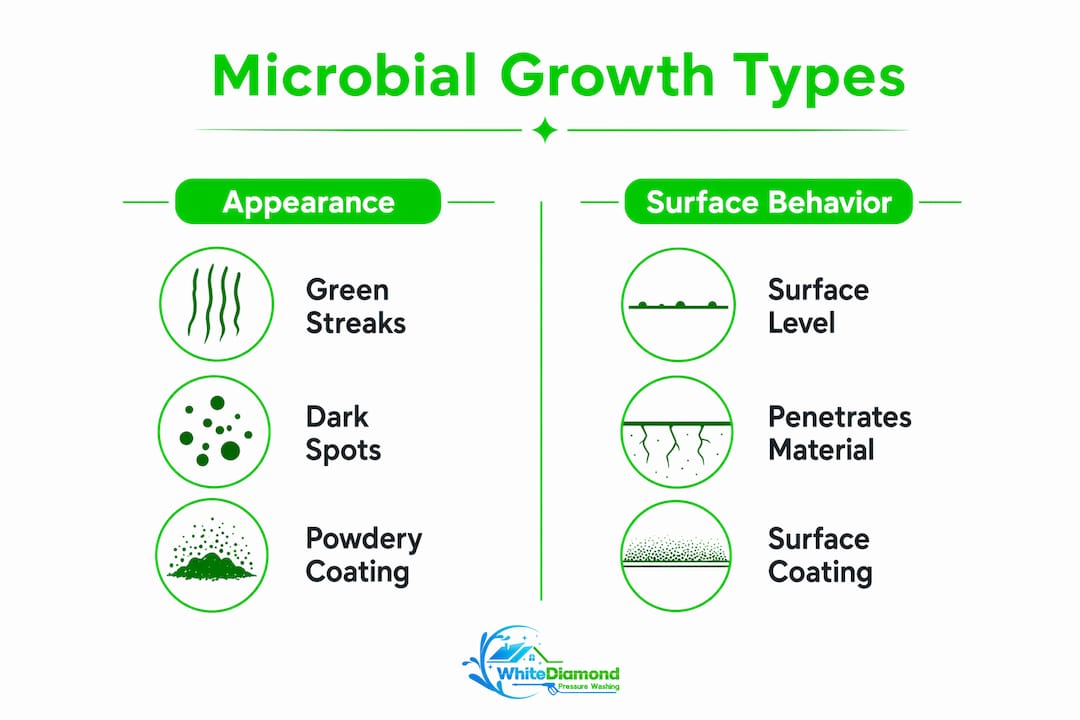
Algae, mold, and mildew are the three primary microbial growths found on residential siding, each with distinct appearances and growth behaviors. Knowing which one you are dealing with changes how you clean it and how urgently you need to act.
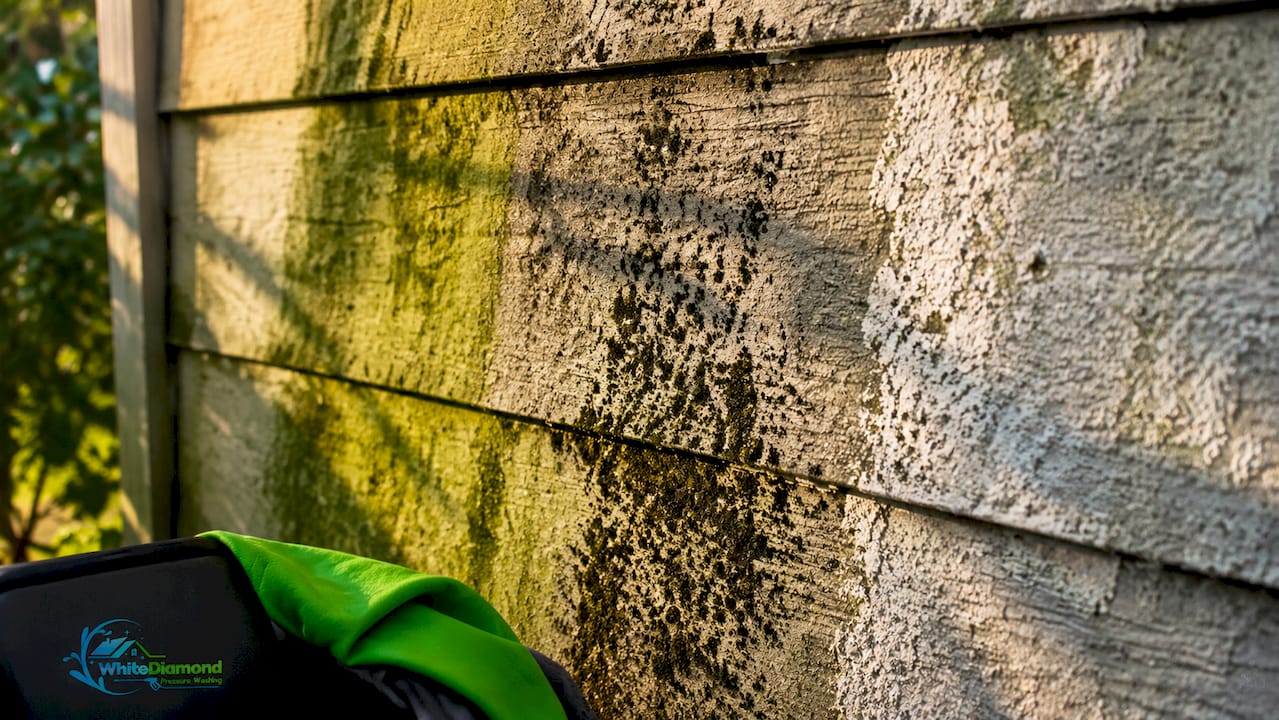
Algae appear as green or yellowish streaks running down siding panels. They need sunlight and moisture to grow, and they feed on sugars deposited by nearby trees and airborne dust. Algae spread quickly on vinyl and fiber cement siding in humid climates.
Mold shows up as black, dark green, or brown spots. Unlike algae, mold can penetrate porous siding materials and is harder to remove with surface cleaning alone. Mold growth near windows or at panel seams often points to water getting behind the siding.
Mildew looks like a white, gray, or pale brown powdery coating sitting on the surface. A quick smear test tells you what you have: if the growth wipes away easily, it is mildew. If it stays put and has a raised, colony-like texture, it is mold.
Less common growths include lichens, which are a combination of algae and fungi that bond tightly to surfaces and resist simple washing, and artillery fungus, which fires tiny dark spores onto siding from nearby mulch beds. Both require targeted treatment beyond standard cleaning.
| Growth type | Appearance | Surface behavior |
|---|---|---|
| Algae | Green or yellow streaks | Surface level, spreads fast in humidity |
| Mold | Dark brown or black spots | Penetrates porous materials |
| Mildew | White or gray powdery film | Surface only, wipes away easily |
| Lichen | Crusty gray or green patches | Bonds tightly, resists rinsing |
| Artillery fungus | Tiny black spore dots | Sticks firmly, hard to remove |
Pro Tip: Analyze where the growth appears before cleaning. Uniform discoloration across sunny and shaded areas is usually dirt. Growth concentrated on shaded or north-facing walls points to algae or mildew.
What causes microbial growth on siding?
Moisture is the primary driver of every type of microbial colonization on exterior surfaces. Without persistent dampness, algae, mold, and mildew cannot establish themselves, no matter how much organic debris is present.
Several structural and environmental factors combine to create the conditions these organisms need:
- Clogged gutters allow water to overflow and run down siding repeatedly, keeping panels wet long after rain stops.
- Damaged siding panels or cracks let water behind the surface, where it stays trapped and feeds mold from the inside out.
- Shaded and north-facing walls dry slower after rain because they receive little direct sunlight, creating persistent dampness that algae and mildew thrive in.
- Overhanging trees do double damage. They block sunlight and drop sugary deposits, pollen, and debris that feed microbial colonies directly.
- Dense landscaping planted close to the house reduces air circulation, trapping humidity against the siding surface.
- Poor roof drainage sends water cascading down walls in concentrated streams, saturating specific sections of siding repeatedly.
Temperature also plays a role. Warm, humid climates like those in Citrus County create near-ideal conditions for year-round microbial activity. Homeowners in these regions often see growth return faster than those in drier areas, which is why prevention matters more than reactive cleaning.
How can homeowners prevent microbial growth on siding?
Prevention centers on moisture control and reducing the organic material that feeds these organisms. Most homeowners focus on cleaning after growth appears, but stopping the conditions that allow growth is far more cost-effective.
- Clean gutters at least twice a year. Blocked gutters are one of the most common causes of siding moisture problems. Clear them in spring and fall to prevent overflow from soaking your walls.
- Trim trees and shrubs away from the house. Cutting back overhanging branches improves sunlight exposure and reduces the sugary debris that feeds algae. Aim to keep vegetation at least three feet from the siding surface.
- Inspect and repair siding cracks promptly. Even small gaps allow water intrusion. Seal cracks with appropriate caulk before the rainy season to prevent moisture from getting behind panels.
- Schedule regular exterior cleaning. Routine maintenance removes accumulated dirt, pollen, and early-stage microbial growth before it becomes a staining or structural problem.
- Consider mold-resistant coatings. Some exterior paints and sealants contain antimicrobial additives that slow microbial colonization on painted wood or fiber cement siding.
- Improve drainage around the foundation. Grade soil away from the house so rainwater flows outward rather than pooling against the base of the siding.
Pro Tip: Most homeowners overlook the space between the bottom of the siding and the ground. Mulch beds pushed directly against the house trap moisture and launch artillery fungus spores onto lower panels. Keep mulch at least six inches from the siding.
The benefits of exterior cleaning go beyond aesthetics. Regular washing removes the organic layer that microbial organisms feed on, breaking the growth cycle before it starts.
What are the safest methods to remove microbial growth from siding?
Cleaning method selection determines whether you remove the growth or damage the siding in the process. Soft washing and low-pressure washing are the safest and most effective approaches for residential siding, because they use chemical solutions to kill organisms at the cellular level rather than blasting them off with force.
| Method | How it works | Best for | Risk level |
|---|---|---|---|
| Soft washing | Low pressure plus detergent solution | Vinyl, wood, fiber cement siding | Low |
| Low-pressure washing | Moderate pressure, minimal chemicals | Brick, concrete, hardy surfaces | Low to medium |
| Power washing | High pressure, hot water | Driveways, concrete, not siding | High for siding |
Soft washing uses a biodegradable detergent mix that penetrates and kills mold, algae, and mildew colonies. The rinse removes dead organisms and residue without scrubbing or high pressure that could crack panels or force water behind seams. For most residential siding types, this is the method professionals recommend.
Key steps for safe siding cleaning:
- Wet surrounding plants and cover them before applying any chemical solution.
- Apply detergent from the bottom up to prevent streaking.
- Allow dwell time of 5–10 minutes so the solution kills the growth fully.
- Rinse from the top down using low pressure.
- Inspect seams and joints after rinsing for signs of water intrusion.
Avoid common pressure washing mistakes like directing high-pressure spray upward under siding laps, which forces water behind panels and creates exactly the moisture problem you are trying to solve. Power washing at high pressure on vinyl siding can also crack panels or strip paint from wood siding permanently.
Call a professional when growth covers large areas, returns quickly after cleaning, or appears alongside soft or warped siding panels. These signs point to moisture problems that cleaning alone will not fix.
How to tell if siding growth signals a deeper problem
Visible microbial growth is often an early warning sign of hidden moisture or drainage issues that require more than a cleaning appointment to resolve.
Watch for these red flags:
- Rapid regrowth within weeks of cleaning. Normal siding stays clean for months after a proper wash. Growth returning in weeks means a moisture source is actively feeding it.
- Soft, spongy, or warped siding panels. These indicate water has penetrated behind the surface and is damaging the sheathing or insulation underneath.
- Mold appearing on interior walls near the same location. This confirms water is moving through the wall assembly, not just sitting on the surface.
- Staining concentrated around windows, doors, or roof lines. These areas are common entry points for water when flashing or caulking fails.
Persistent microbial recurrence is a warning sign for hidden water ingress affecting siding sheathing and insulation. Ignoring it leads to rot, insulation failure, and costly structural repairs. A professional inspection after repeated cleaning failures is the right call, not another cleaning session.
The exterior condition of your home reflects what is happening beneath the surface. Treating visible growth as purely cosmetic is the most expensive mistake a homeowner can make.
Key Takeaways
Microbial growth on siding requires moisture control, correct identification, and the right cleaning method to remove it safely and prevent it from returning.
| Point | Details |
|---|---|
| Three main growth types | Algae, mold, and mildew each look different and require different treatment approaches. |
| Moisture drives all growth | Clogged gutters, shaded walls, and poor drainage create the conditions every microbial organism needs. |
| Soft washing is safest | Low-pressure chemical cleaning kills organisms without damaging siding panels or forcing water behind seams. |
| Rapid regrowth signals trouble | Growth returning within weeks after cleaning points to hidden moisture or structural issues needing inspection. |
| Prevention beats remediation | Regular cleaning and gutter maintenance stop organic buildup before microbial colonies can establish. |
What years of siding work taught me about microbial growth
The biggest misconception I run into is that vinyl and fiber cement siding are self-cleaning. Homeowners buy these materials partly because they are marketed as low-maintenance, and they interpret that as no maintenance. The reality is that inorganic siding still collects organic matter that feeds algae and mildew just as readily as wood does. The material does not rot, but the growth on it still stains, spreads, and signals problems.
The second thing I have learned is that homeowners almost always underestimate how fast algae spreads in humid climates. What looks like a small green streak in spring becomes a full wall of discoloration by fall if nothing is done. Catching it early costs a fraction of what a full remediation costs.
The third lesson is about pressure. I have seen homeowners rent power washers and blast siding with high pressure because it looks effective. It strips paint, cracks vinyl, and drives water behind panels. The advantages of low-pressure washing are not just about being gentle. They are about actually solving the problem without creating a new one. Soft washing kills the organism. High pressure just moves it around.
My honest advice: schedule a professional exterior wash once a year, keep your gutters clear, and trim your trees. That routine prevents the vast majority of microbial issues before they become expensive.
— Bobby
Whitediamondpressurewashing: professional siding cleaning in Citrus County
Microbial growth on siding responds best to treatment that kills the organism rather than just rinsing the surface. Whitediamondpressurewashing uses soft washing and low-pressure techniques specifically designed to remove algae, mold, and mildew from residential siding without damaging panels, paint, or seals.

The team serves homeowners and property managers across Citrus County and surrounding regions, using industry-approved detergents and methods that protect your siding while delivering lasting results. Whether you are dealing with a first-time growth or a recurring problem that keeps coming back, professional exterior cleaning gives you a clean surface and a clear picture of what your siding actually needs. Get a free estimate and see what a proper clean looks like.
FAQ
What are the main types of microbial growth on siding?
Algae, mold, and mildew are the three most common types. Algae appear as green or yellow streaks, mold as dark spots, and mildew as a powdery white or gray film.
How do I tell mold apart from mildew on siding?
Use the smear test: mildew wipes away easily, while mold stays put and has a raised, colony-like texture that resists wiping.
What is the safest way to remove siding mold?
Soft washing using a low-pressure rinse and biodegradable detergent is the safest method. It kills microbial cells without cracking panels or forcing water behind seams.
Why does microbial growth keep coming back after cleaning?
Rapid regrowth after cleaning signals an active moisture source such as a roof leak, blocked gutter, or failed caulking. Cleaning removes the visible growth, but the underlying moisture problem must be fixed to stop recurrence.
Can microbial growth on siding damage my home structurally?
Yes. Mold that penetrates porous siding materials can reach the sheathing and insulation underneath, leading to rot and insulation failure. Accumulated microbial growth also permanently stains siding and weakens materials over time if left untreated.