

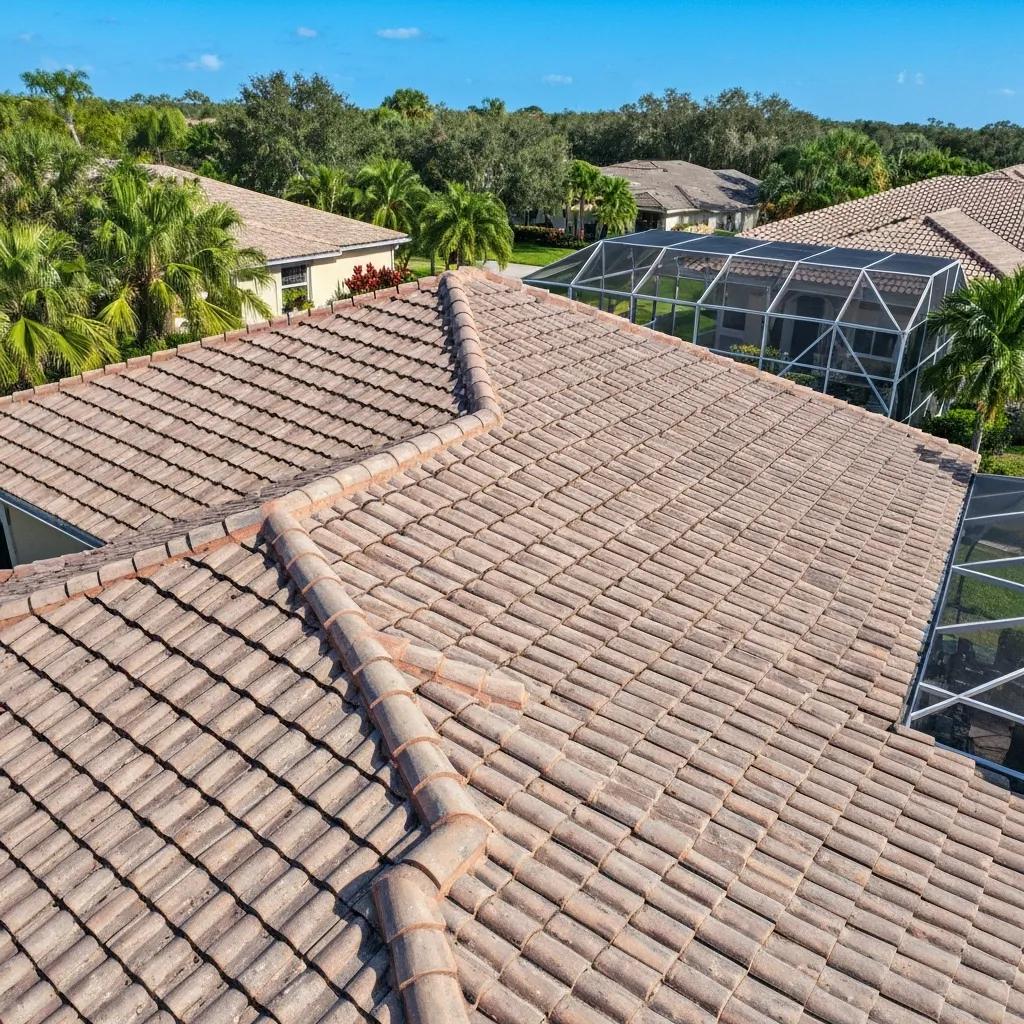
Why Roof Cleaning Matters for Your Citrus County Home: Benefits, Methods, and Maintenance
Roof cleaning removes algae, moss, lichen, stains, and debris so your roof looks better and keeps protecting your home. In Citrus County’s humid, subtropical weather, those organisms reappear quickly and can trap moisture that wears down shingles and tiles. Knowing why, how, and when to clean helps you avoid expensive repairs. This guide covers the biological and environmental threats to roofs, how professional cleaning preserves materials and warranties, the curb‑appeal and energy benefits, manufacturer‑recommended soft‑wash methods, and realistic maintenance schedules for Florida homes. You’ll also find practical tips for choosing a method, safety and environmental considerations, and short answers to common homeowner questions about cost and risk. When you’re ready, White Diamond Pressure Washing — a Citrus County exterior‑cleaning team that specializes in professional soft‑wash roof cleaning using manufacturer‑endorsed agents and easy online scheduling — can inspect your roof and book service via our visible Book Now option. Read on to learn how to protect your roof’s lifespan and value.
What Are the Main Threats to Your Roof That Make Cleaning Essential?
Several factors in Citrus County speed roof wear and make cleaning important. Algae, moss, and lichen like shaded, moist roofs and hold water against shingles or tiles. Airborne dirt, pollen, and mildew cause staining and reduce reflectivity. Windblown debris and clogged gutters create standing water that leads to localized rot, and issues such as poor ventilation or damaged flashing let trapped moisture weaken underlayment. Spotting these problems early helps you plan cleaning and repairs that address root causes instead of just hiding symptoms. The next section explains how specific organisms damage roofing materials.
The primary threats homeowners should watch for include:
- Algae (black streaks): Dark growth that dulls shingles, lowers reflectivity, and helps hold moisture against granules.
- Moss (tufts and pads): Spongy mats that can lift or separate shingles and create paths for water to enter.
- Lichen (crusty growths): Tough, glued‑on growths that can release mild acids and wear down surface coatings.
- Mildew and grime: Surface films that accelerate UV damage and leave visible stains that hurt curb appeal.
How Do Algae, Moss, and Lichen Damage Your Roof?
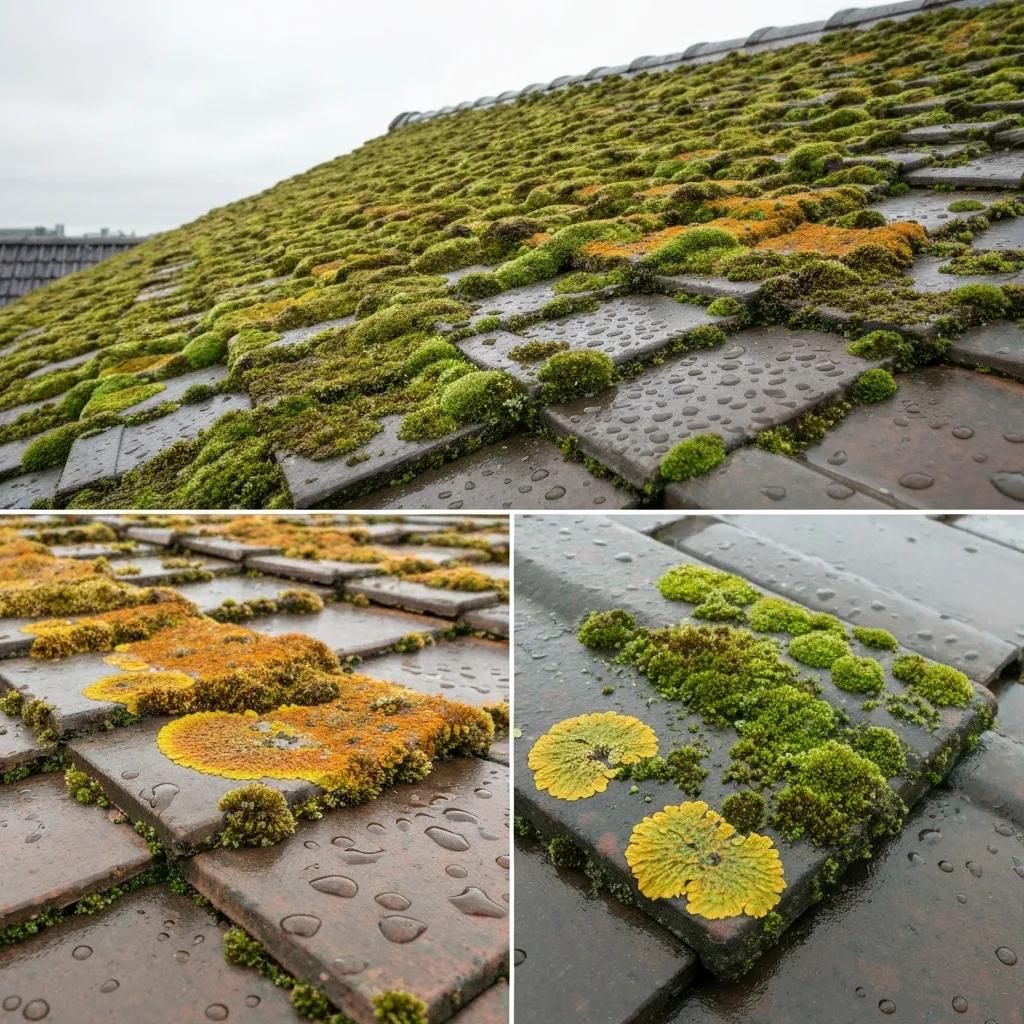
Algae, moss, and lichen damage roofs in different ways, so identifying the culprit helps choose the right treatment. Algae form pigmented colonies that eat microscopic organics and darken shingles, reducing reflectivity and encouraging granule loss over time. Moss creates spongy mats that lift shingles or disturb tile bedding, letting water get underneath and causing substrate decay. Lichen is a crusty mix of fungi and algae that can trap debris and slowly abrade surface coatings. A professional inspection will confirm which organism is present and recommend safe removal methods that protect materials and warranties.
What Causes Roof Stains, Grime, and Mildew Buildup?
Stains and grime come from both environmental and structural causes. Environmentally, high humidity, frequent rain, heavy tree cover, and nearby landscaping all feed biological growth. Structurally, clogged gutters, poor attic ventilation, damaged flashing, and low roof slopes let moisture linger and help biofilms form. You can reduce recurrence by addressing both sides: trim overhanging branches, clean gutters twice a year, check attic ventilation, and schedule inspections after major storms. Those steps break the moisture cycle that fuels staining and make future cleanings easier.
A homeowner checklist for prevention includes:
- Prune overhanging branches
- Clear gutters at least twice a year
- Check attic ventilation periodically
- Schedule an inspection after major storms
How Does Professional Roof Cleaning Extend Your Roof’s Lifespan?
Professional cleaning removes organisms and contaminants that shorten roof life, restores protective granules or tile performance, and prevents moisture‑driven decay that leads to costly repairs. Core benefits include removing biofilm that traps water, reducing acid‑producing colonizers, and eliminating moss mats that pry roofing materials apart. Cleanings also include inspections that uncover early flashing or underlayment issues so you can repair them before leaks start.
The table below summarizes common biological damage sources, how they act, and the effects they cause — showing why cleaning is an investment in longevity, not just appearance.
In What Ways Does Roof Cleaning Prevent Costly Damage and Repairs?
Cleaning stops the early processes that lead to leaks, rot, and structural problems. Removing organic growth reduces moisture against sheathing and fascia and preserves shingle granules that protect asphalt from UV brittleness — helping you avoid full shingle replacement or underlayment repairs. Cleaning also exposes hidden issues like failed flashing, cracked tiles, or worn sealants so you can fix them on your schedule instead of after an emergency. For most homeowners, routine cleaning and inspection costs are far less disruptive than major repairs or replacement.
What Are the Manufacturer-Approved Methods That Protect Roofing Materials?
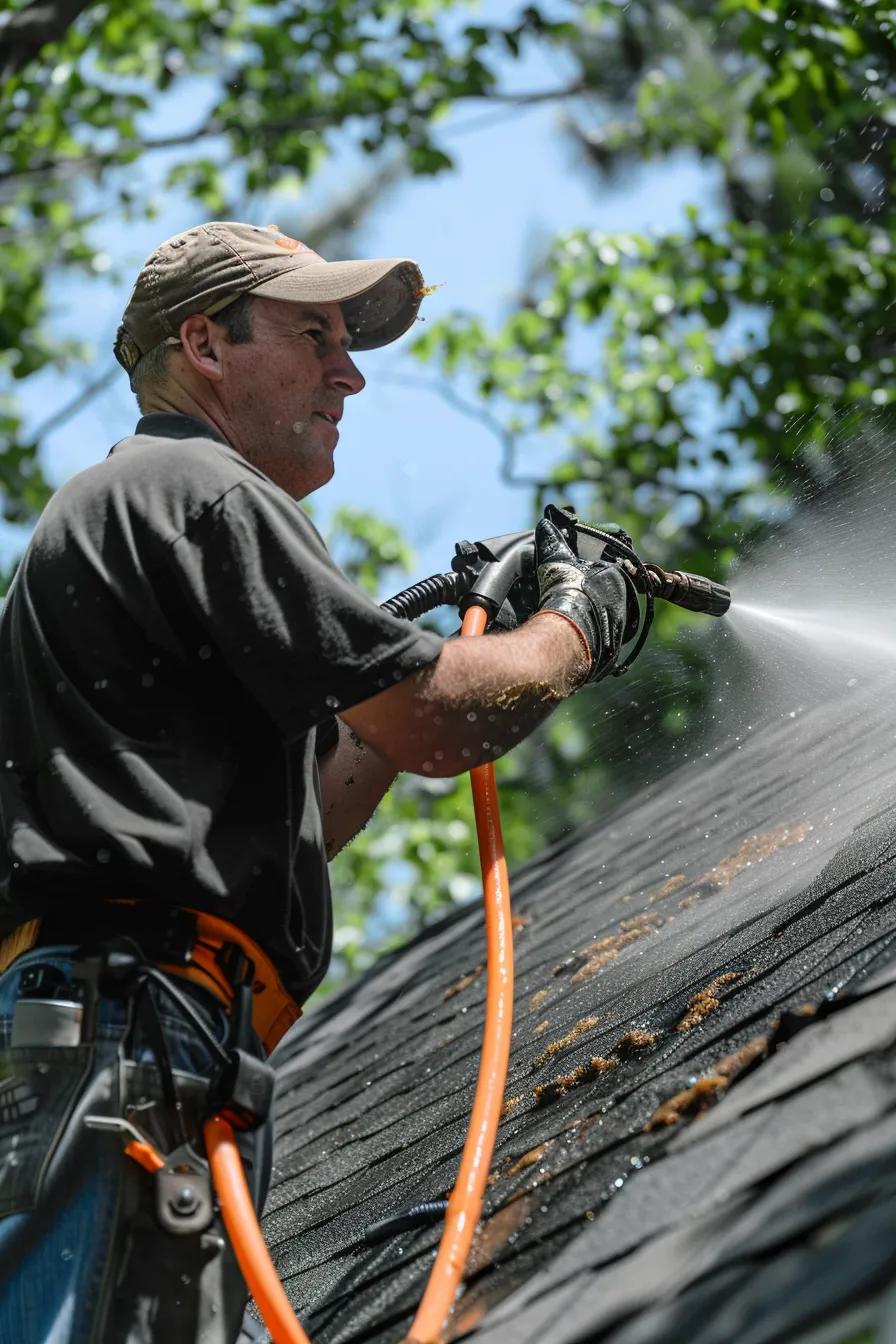
Many manufacturers recommend low‑pressure, chemical‑assisted cleaning—called soft washing—to remove biological growth while keeping shingle granules and coatings intact. Soft washing applies manufacturer‑endorsed biocides and surfactants at low pressure so the solution kills organisms without mechanically abrading materials. Professionals verify agent approvals, follow recommended dwell times, and document the process to protect warranty status. This documented approach also helps with HOA requirements and resale disclosures.
How Can Roof Cleaning Boost Your Home’s Curb Appeal and Property Value?
A clean roof improves first impressions and signals that a home is well cared for. Removing dark streaks, moss, and stains restores visible roof lines and color contrast, which helps listings, photos, and showings. Beyond looks, recent professional cleaning and inspection provide documentation that reassures buyers and appraisers and can speed a sale. For property managers and HOAs, routine cleaning keeps neighborhoods looking sharp and cuts down on backlog repairs that lower overall value.
Homeowners and managers gain distinct benefits from keeping roofs clean:
- Improved resale readiness: Clean roofs photograph better and reduce buyer objections.
- Lower perceived maintenance risk: Inspection reports and receipts reassure appraisers and buyers.
- Reduced management headaches: Regular cleaning prevents emergency repairs and tenant complaints.
Why Is a Clean Roof Important for Homeowners and Property Managers?
A clean roof protects curb appeal and slows deterioration. Homeowners see better curb appeal and fewer costly repairs over time. Property managers and landlords have fewer tenant complaints and lower surprise expenses when roofs are maintained on a schedule. Treating roof cleaning as routine maintenance — not a one‑off cosmetic job — helps avoid unexpected capital costs down the line.
How Does Roof Cleaning Help Meet HOA Compliance in Citrus County, FL?
HOAs often require clean, well‑maintained exteriors, and a recent professional cleaning plus before/after photos or dated inspection reports make it easy to show compliance. Keeping receipts from a reputable local provider who understands HOA expectations simplifies disputes and resale paperwork. Working with a trusted Citrus County team helps you meet community rules with less hassle.
What Are the Advantages of Soft Wash Roof Cleaning Compared to Traditional Methods?
Soft washing uses low pressure and targeted chemicals to remove biological growth while minimizing physical stress on roofing materials. Unlike high‑pressure washing, soft wash treatments kill organisms at the root with manufacturer‑approved agents and proper dwell time, reducing the chance of granule loss, shingle lift, or tile cracking. Many manufacturers prefer low‑pressure chemical methods to protect surface integrity and maintain warranties. When applied correctly with containment and rinsing, eco‑minded formulas also limit landscape impact. The table below compares soft wash with high‑pressure and DIY approaches.
Why Is Soft Washing Safer and More Effective for Roofs?
Soft washing relies on low pressure and chemical action to break down and remove organisms, which protects delicate shingle coatings and tiles. The method focuses on correct chemical concentration, controlled dwell time, and gentle rinsing so organisms are killed at the root and residues are removed without abrasion. Trained technicians monitor runoff, protect landscaping, and document the use of manufacturer‑approved agents to preserve warranties and limit liability. Those professional protocols are what make soft washing last longer than high‑pressure approaches.
How Do Eco-Friendly Cleaning Agents Protect Your Home and Environment?
Eco‑friendly agents use biodegradable surfactants and targeted algaecides to loosen biofilms and kill organisms while minimizing harm to plants, pollinators, and soil life when used with proper containment and dilution. Professionals add pre‑treatment and recovery steps — like targeted dilution and temporary containment — to protect sensitive landscaping and meet local runoff rules. Choosing biodegradable, manufacturer‑endorsed products and experienced applicators helps protect both your roof and the surrounding ecosystem.
How Often Should You Schedule Roof Cleaning to Maintain Optimal Roof Health?
In Florida, a common guideline is every 1–3 years, depending on exposure, roof material, and nearby vegetation. Homes under heavy tree canopy, in persistent humidity, near saltwater, or with low slopes often need cleaning more frequently — sometimes annually or biennially. Regular cleaning helps preserve reflectivity and reduces grime that can degrade insulation performance. The sections below outline factors to consider when setting your schedule and how cleaning ties to energy use.
Key factors that influence cleaning frequency include:
- Shade and tree cover: Densely shaded properties often need annual cleaning.
- Proximity to water or coastal salt: Coastal exposure increases fouling and may require more frequent care.
- Roof material and slope: Low‑slope roofs and porous materials collect debris faster.
What Factors Influence Roof Cleaning Frequency in Florida’s Climate?
Florida’s humidity, frequent rain, and abundant vegetation speed biological growth on roofs. Moisture and tree debris provide food and spores that re‑soil surfaces faster than in drier climates. Roof orientation, slope, and material porosity also change how quickly buildup appears — north‑facing shaded slopes typically need attention sooner. If you see visible streaking, moss pads, blocked gutters, or frequent downpours, plan a professional inspection and likely cleaning within the year.
How Does Regular Cleaning Improve Energy Efficiency and Lower Utility Bills?
Dark films and grime reduce roof reflectivity and increase heat absorption, which raises attic temperatures and forces air conditioners to run harder. Cleaning restores reflectance and can lower cooling demand during peak months. Exact savings depend on roof color and insulation, but restoring a roof’s lighter surface is a measurable way to reduce cooling energy. Homeowners who want precise results can use before/after thermal imaging to quantify the change. Regular cleaning works alongside insulation and ventilation upgrades as part of an overall energy strategy.
What Are the Most Common Questions About Roof Cleaning Answered?
Below are practical answers to common homeowner concerns about why cleaning matters, whether it can cause damage, cost factors, scheduling, and how approved agents work. Each response focuses on what helps you pick the right timing and provider while protecting warranties and landscaping. For pricing, expect a quote based on roof size and condition rather than a one‑size‑fits‑all number. Booking options from local pros can make scheduling simple.
Why Is Roof Cleaning Important for Homeowners in Citrus County?
For Citrus County homeowners, roof cleaning addresses local climate risks — constant humidity, tree cover, and frequent rain — that speed biological growth and material wear. Regular cleaning keeps staining from becoming structural damage and helps preserve manufacturer performance characteristics. Maintaining a clean roof also supports resale readiness and HOA compliance. Look for providers who supply documented methods and inspection reports so you have a clear record of work done.
Can Roof Cleaning Damage My Roof?
Cleaning can cause damage if done with high pressure or by untrained hands. Proper soft washing — low pressure, correct chemical mix, and correct dwell time — greatly reduces that risk. The main hazards are high‑pressure washing or incorrect chemical concentrations, which can strip granules or void warranties. Ask prospective providers about soft‑wash protocols, manufacturer approvals, training, and insurance. A qualified professional will protect materials rather than harm them.
What Is the Typical Cost of Professional Roof Cleaning?
There isn’t a universal price because cost depends on roof area, pitch and access, material, and growth severity — the factors listed above. Ask for a written estimate that itemizes the scope (inspection, pre‑treatment, soft wash, rinsing, final inspection) and any landscaping protection. Compare itemized bids, agent lists, and inspection reports to choose a qualified provider. For an accurate price, schedule a no‑obligation on‑site inspection.
How Do Manufacturer-Approved Cleaning Agents Work?
Manufacturer‑approved agents typically combine a targeted biocide with surfactants to penetrate biofilms, kill organisms, and lift residues for safe rinsing without abrasive action. The process uses a biocide to neutralize spores and cells, a surfactant to loosen debris, and a controlled dwell time before gentle rinsing — a three‑part approach that delivers longer‑lasting results. Using endorsed products reduces warranty risk because they’ve been tested for material compatibility. If warranty preservation matters, ask for documentation that your provider follows manufacturer dwell‑time guidance and agent recommendations.
White Diamond Pressure Washing offers local inspections, manufacturer‑aligned soft‑wash roof cleaning, and simple online Book Now scheduling for Citrus County homeowners who want documented, warranty‑sensitive service. Request a free estimate and a professional assessment to determine the best cleaning interval and treatment plan for your roof.
Frequently Asked Questions
What are the signs that my roof needs cleaning?
Look for dark streaks, moss patches, or lichen on the roof surface. Water pooling in gutters or on the roof, or an overall dull, discolored appearance, are also signs. Regular checks help catch issues early and avoid bigger repairs. If you spot these symptoms, schedule a professional inspection and cleaning.
How can I choose a reliable roof cleaning service?
Choose companies that are licensed, insured, and have strong local reviews. Ask about their methods — soft washing is safer for most roofs — and whether they use manufacturer‑approved agents. Confirm experience with your roof type, request a written estimate, and check for any service warranties before hiring.
Can I clean my roof myself, or should I hire a professional?
DIY options exist, but professionals are generally safer and more effective. They use the proper equipment, concentrations, and safety gear to protect your roof and landscaping. If you do attempt it yourself, use correct safety equipment and follow manufacturer guidance to avoid damage or injury.
What should I do to prepare for a roof cleaning service?
Clear outdoor furniture, decorations, and vehicles from around the house. Let your provider know about any concerns with landscaping or roof features. Keep pets indoors during the work. These steps make the job smoother and help protect your property.
How long does a professional roof cleaning take?
Time varies by roof size, pitch, and severity of growth. Most cleanings take a few hours to a full day. Allow time afterward for the roof to dry and for residual agents to work. Your provider will give a more specific estimate based on your roof.
What are the environmental impacts of roof cleaning?
When crews use biodegradable, manufacturer‑endorsed agents and follow runoff containment practices, environmental impact is minimal. Proper containment and rinsing prevent contaminants from reaching storm drains or waterways. Ask providers about their runoff management and eco‑friendly products.
Will roof cleaning affect my home insurance or warranty?
Correctly performed cleaning can help preserve warranties and prevent damage that leads to insurance claims. Many manufacturers require regular maintenance to keep warranties valid, so using approved methods and keeping records helps. Check your warranty and insurance terms for any specific requirements.
Conclusion
Regular roof cleaning is a practical way to protect your home in Citrus County’s humid climate. It prevents biological growth from becoming structural damage, improves curb appeal, and helps preserve warranties and resale value. Hiring a professional ensures the job is done safely and effectively. Schedule a roof cleaning today to protect your investment and keep your home looking its best.
2 thoughts on “Discover the Top Roof Cleaning Advantages for Homeowners”