

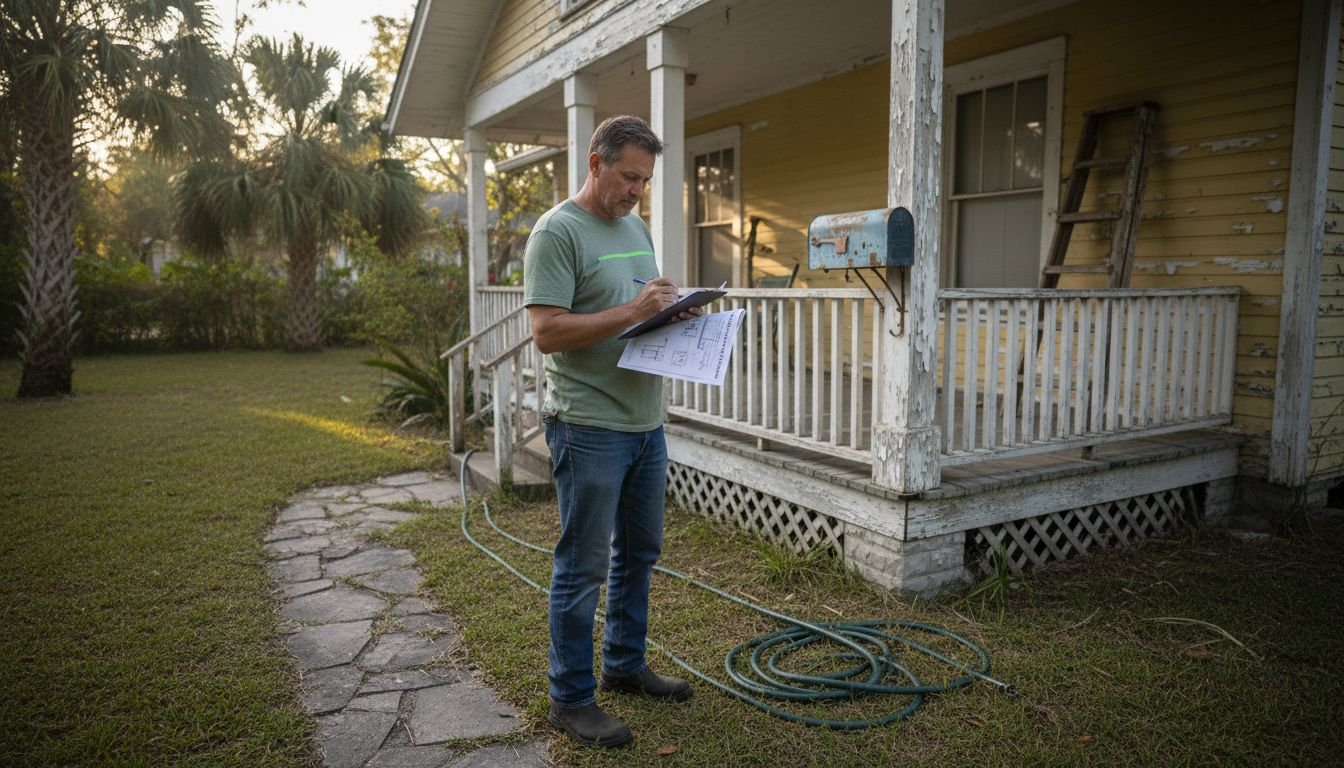
Many Citrus County homeowners face a common dilemma when exterior surfaces start to show signs of wear—choosing methods that clean and protect without causing costly damage. This decision matters because aggressive cleaning can erode delicate materials, jeopardizing both curb appeal and property value. By focusing on low-pressure exterior restoration, you preserve your home’s authentic character and extend its life, using approaches tailored for Florida’s demanding climate.
Table of Contents
- Exterior Restoration Basics And Misconceptions
- Common Restoration Methods And Surfaces
- Soft Washing Vs. Pressure Washing Explained
- Benefits For Property Value And Longevity
- Risks, Costs, And Mistakes To Avoid
Key Takeaways
| Point | Details |
|---|---|
| Understanding Restoration vs. Renovation | Restoration preserves the original materials of your home, contrasting with renovation which may alter its appearance. Knowing this difference can impact your budget and outcomes significantly. |
| Professional Expertise is Crucial | Hiring qualified professionals is essential to avoid costly mistakes related to material compatibility and improper techniques. DIY efforts often lead to more significant expenses later. |
| Choose Appropriate Cleaning Methods | Use soft washing rather than pressure washing to protect delicate surfaces. The right cleaning method ensures the longevity of your home’s exterior. |
| Maintenance Enhances Property Value | Regular restoration work not only keeps your home looking appealing but also extends material life and preserves long-term value, making it a worthwhile investment. |
Exterior restoration basics and misconceptions
Exterior restoration means repairing and preserving your home’s outer surfaces while maintaining their original character and materials. Unlike renovation or reconstruction, restoration focuses on keeping what you have intact rather than replacing everything. Understanding the difference matters because it affects your budget, timeline, and results.
Many homeowners confuse restoration with renovation. Here’s what actually matters:
Here’s a quick comparison of restoration, renovation, and reconstruction approaches:
| Approach | Material Use | Effect on Appearance | Long-Term Impact |
|---|---|---|---|
| Restoration | Preserves original | Maintains character | Maximizes durability |
| Renovation | Modern replacements | Often alters style | May reduce authenticity |
| Reconstruction | New materials | Fully new look | Varies by project |
- Restoration: Repairs existing materials to their original condition while preserving historic features and structural integrity
- Renovation: Updates surfaces with modern materials, often changing the original appearance
- Reconstruction: Rebuilds elements from scratch when damage is beyond repair
In Citrus County, where humidity and salt air accelerate material breakdown, restoration becomes increasingly valuable. Preservation and restoration focus on retaining the greatest amount of historic fabric and architectural integrity, which maintains your property’s authenticity and long-term value.
Common misconceptions often lead homeowners down expensive paths. Many believe high-pressure washing solves all exterior problems. In reality, aggressive pressure can damage delicate surfaces like roof shingles, siding, and painted finishes. Soft washing and low-pressure techniques actually preserve materials while delivering superior cleanliness.
Another myth: restoration is just cosmetic work. Actually, proper restoration addresses underlying deterioration that threatens structural integrity. Water damage, mold growth, and material decay don’t just affect appearance—they compromise your home’s durability and safety. Exterior restoration aims to preserve and extend the life of buildings by addressing common deterioration through thoughtful repair strategies, ensuring both beauty and function.
Choosing compatible, original-condition repair methods protects your investment far better than quick fixes or complete replacements.
Most homeowners also assume DIY restoration saves money. Professional work often costs less long-term because proper techniques prevent repeat damage and costly repairs. Professionals understand material compatibility, appropriate cleaning methods, and safety considerations that amateurs typically overlook.
Your home’s exterior materials require specific handling. Masonry needs different care than vinyl, which differs from wood or composite surfaces. Using wrong techniques or products can cause permanent damage that costs thousands to reverse.
Pro tip: Before any restoration work, verify that cleaning and repair methods respect your home’s original materials and design—this preserves value while avoiding costly damage from improper techniques.
Common restoration methods and surfaces
Exterior restoration techniques vary dramatically depending on what you’re working with. Masonry, stucco, wood, vinyl, and concrete each demand different approaches. Using the wrong method on the wrong surface can cause irreversible damage that costs far more than professional restoration.
Masonry materials—brick, stone, terra cotta, concrete, and plaster—require careful assessment before any work begins. Mortar joint repointing, surface cleaning, patching deteriorated materials form the foundation of masonry restoration. The key is choosing methods that respect the original material’s breathability and prevent moisture trapping, which causes future damage.
Common restoration methods for masonry include:
- Mortar repointing: Replacing deteriorated mortar between bricks or stones to restore structural integrity
- Surface cleaning: Gentle removal of dirt, algae, and weathering without damaging the material
- Patching: Filling cracks and holes with compatible materials that match the original
- Protective coatings: Applying breathable sealers to prevent water penetration while allowing vapor escape
Stucco restoration presents unique challenges in Citrus County’s humid climate. Stucco restoration typically involves careful removal of damaged sections, surface preparation, and application of new stucco layers that match the original composition. This precision matters because mismatched materials create visible seams and future cracking.
Water management becomes critical for stucco longevity. Small cracks allow moisture to penetrate behind the surface, leading to mold, deterioration, and structural compromise. Proper crack repair now prevents expensive problems later.
Choosing materials and methods that match your home’s original composition protects structural integrity and maintains authentic curb appeal.
Wood siding restoration requires different thinking entirely. Surface preparation involves careful cleaning—often with soft washing techniques that protect delicate wood fibers. High pressure damages wood, creating splintering and water entry points.
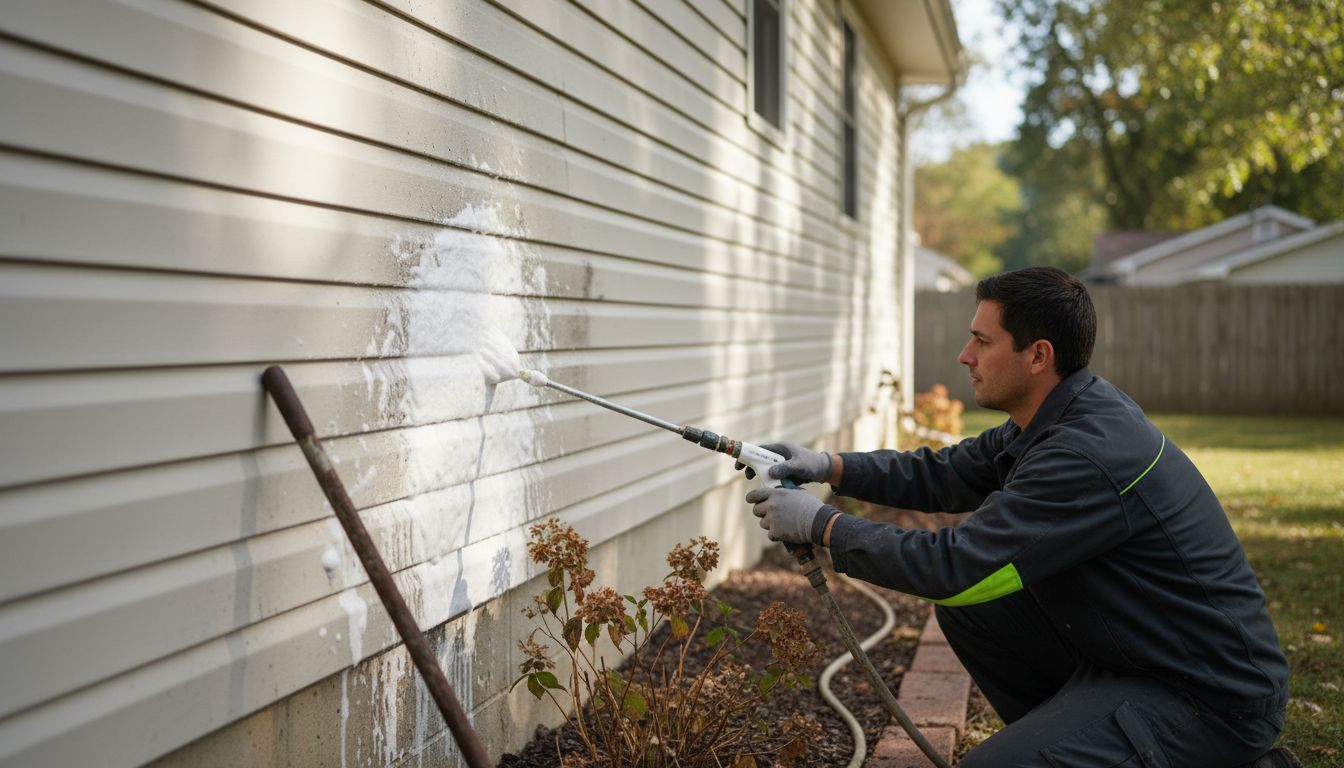
Vinyl and composite siding need gentle handling too. These materials can warp or crack under excessive pressure. Soft washing preserves their appearance while removing dirt, mold, and algae safely.
Concrete restoration addresses cracking, spalling, and surface deterioration. Sealing prevents water damage and extends concrete life significantly. Surface coatings also improve appearance and protect against freeze-thaw cycles.
Pro tip: Match restoration materials exactly to your original surfaces—mismatched repairs create visible inconsistencies and compromise long-term durability, so consult professionals who understand your specific materials.
Below is a summary of exterior surfaces and recommended restoration techniques:
| Surface Type | Restoration Technique | Potential Risks |
|---|---|---|
| Masonry | Mortar repointing, cleaning | Moisture trapping, erosion |
| Stucco | Crack repair, resurfacing | Mold, visible seams |
| Wood Siding | Soft washing, repainting | Splintering, water intrusion |
| Vinyl/Composite | Gentle cleaning, patching | Warping, cracking |
| Concrete | Sealing, patching | Spalling, freeze-thaw damage |
Soft washing vs. pressure washing explained
These two methods sound similar but deliver completely different results. Understanding the difference determines whether your home’s exterior gets cleaned safely or damaged permanently.
Pressure washing blasts surfaces with high-pressure water streams, typically 1500-4000 PSI (pounds per square inch). This aggressive force removes dirt, paint, and buildup quickly. However, it damages delicate materials like roof shingles, wood siding, stucco, and aged masonry. Once the damage occurs, you cannot undo it—and repairs cost thousands of dollars.
Soft washing uses low-pressure water combined with specialized cleaning solutions. Think of it as controlled chemistry rather than brute force. The detergents break down dirt, algae, mold, and mildew at the molecular level, while pressure remains gentle enough to protect your home’s surfaces.
Key differences between the methods:
- Pressure washing: 1500-4000+ PSI; uses force alone; fast but risky; damages softer materials
- Soft washing: 500 PSI or less; combines low pressure with cleaning solutions; safer; better for restoration
Soft washing uses low-pressure water combined with specialized cleaning solutions to safely remove dirt, algae, mold, and mildew without damaging delicate materials. It’s the preferred method for historic buildings and surfaces vulnerable to high pressure damage.
In Citrus County, where salt air and humidity accelerate deterioration, soft washing makes strategic sense. Your home’s materials are already compromised by environmental stress. Adding pressure washing accelerates that damage rather than solving it.
Pressure washing risks surface erosion, mortar loss, and water intrusion when used improperly—soft washing protects material integrity while delivering superior cleaning results.
Consider what you’re cleaning. Roof shingles, wood decks, painted surfaces, brick mortar, and stucco all suffer under high pressure. Soft washing is recommended for cleaning masonry and other delicate surfaces during restoration because it applies less abrasive force while effectively removing contaminants.
Dirt returns faster after pressure washing because the cleaning is surface-level only. Soft washing eliminates the biological growth at its source, extending cleanliness significantly longer—sometimes 2-3 times longer than pressure washing.
Cost differences matter too. Soft washing takes slightly longer but prevents expensive damage repairs. One pressure washing accident on your roof can cost $5,000-$15,000 to repair. Professional soft washing costs a fraction of that.
Pro tip: Request soft washing for any exterior surface you value—roofs, wood, masonry, and stucco all benefit from low-pressure cleaning, and the results last longer without material damage.
Benefits for property value and longevity
Exterior restoration directly impacts two things Citrus County homeowners care about: how much their home is worth and how long it actually lasts. These benefits compound over time, making restoration a smart financial decision.
A well-maintained exterior attracts buyers immediately. Curb appeal matters more than most people realize—it’s often the first impression that determines whether someone even steps inside. Restoring a building can significantly boost property value by preserving architectural features that attract buyers and maintain historical significance.
Beyond aesthetics, restoration extends material lifespan considerably. Your siding, roof, masonry, and foundation experience constant environmental assault in Citrus County. Proper restoration addresses damage before it becomes catastrophic. What costs $500 to repair today costs $5,000 to replace tomorrow.
Key value-building benefits include:
- Improved curb appeal: First impressions drive buyer interest and neighborhood perception
- Extended material life: Addressing damage early prevents expensive replacements
- Reduced future maintenance: Properly restored surfaces require less ongoing work
- Authentic character preservation: Original features attract buyers and justify premium pricing
Water infiltration represents one of the costliest problems in any home. Small cracks in stucco, mortar joints, or siding allow moisture to penetrate behind surfaces, causing mold, rot, and structural decay. Exterior restoration enhances long-term durability of building components by addressing underlying issues such as water infiltration and decay before they become catastrophic.
Think of restoration as preventative medicine for your home. You’re spending money now to avoid far larger expenses later. Homeowners who ignore deterioration eventually face foundation repairs, interior mold remediation, and structural damage—costs that easily exceed $20,000 or more.
Restored properties achieve superior long-term durability while maintaining authentic appeal, protecting both your investment and neighborhood character.
Tax incentives exist for qualified restoration projects. Historic properties sometimes qualify for federal tax credits that offset restoration costs significantly. Consult local guidelines to understand what applies to your property.
Resale value tells the real story. Homes with well-maintained exteriors sell faster and command higher prices. Buyers recognize quality restoration immediately—it signals that the entire home receives proper care.
Pro tip: Document all restoration work with photos and receipts—potential buyers appreciate transparency, and detailed maintenance records justify premium pricing when you eventually sell.
Risks, costs, and mistakes to avoid
Exterior restoration sounds straightforward until something goes wrong. Then costs spiral quickly. Understanding common pitfalls helps you avoid expensive mistakes that damage your home permanently.
The biggest mistake homeowners make is hiring unqualified contractors. Restoration requires specific expertise—it’s not the same as general handyman work. An inexperienced contractor might use incompatible materials that accelerate deterioration rather than fixing it.
Using wrong materials creates cascading problems. Mismatched mortar, paint, sealers, and patching compounds can trap moisture, cause expansion conflicts, and fail prematurely. What looks correct initially becomes a financial nightmare within months.
Common restoration mistakes include:
- Skipping thorough inspections: Hidden damage emerges later, doubling costs
- Using incompatible materials: Causes accelerated deterioration and moisture problems
- High-pressure washing delicate surfaces: Creates irreversible damage to roofs, wood, masonry
- DIY work without expertise: Shortcuts compromise structural integrity and safety
- Underestimating project scope: Budget overruns and timeline delays follow
Cost surprises happen when initial assessments miss underlying damage. A small roof leak hides rotted wood underneath. Common risks in exterior restoration include using incompatible materials and incorrect cleaning techniques that cause irreversible damage and moisture problems.
Poor planning leads to budget disasters. Many homeowners start restoration work without realistic timelines or cost estimates. Projects that should cost $5,000 balloon to $15,000 because hidden damage was discovered mid-project.
Safety represents another critical concern. Roof work, high-reaching surfaces, and chemical applications carry real hazards. Professional contractors carry insurance and follow safety regulations. DIY work exposes you to injury, property damage, and liability.
Inadequate condition assessments, skipping necessary repairs, and hiring unqualified contractors create the costliest restoration failures—proper planning prevents these pitfalls entirely.
Key roof maintenance risks include moisture intrusion, structural compromise, and accelerated material failure when neglected. Roofs demand professional attention because mistakes cost thousands to reverse.
Environmental and regulatory compliance matters too. Some restoration work requires permits. Historic properties have specific guidelines. Ignoring these requirements results in fines and forced correction work.
Timeline delays compound costs. Projects extending beyond initial estimates cost more in contractor time, materials, and weather exposure. Realistic planning prevents this snowball effect.
Pro tip: Get multiple written estimates with detailed material specifications before starting any restoration work—clear documentation prevents surprise costs and ensures contractors use appropriate, compatible materials for your specific surfaces.
Preserve Your Home’s Beauty With Expert Soft Washing Solutions
Understanding that exterior restoration demands gentle, specialized care is the first step toward protecting your Citrus County home from costly damage. The article highlights critical concerns such as avoiding high-pressure cleaning that harms delicate materials like wood siding and stucco while emphasizing soft washing as the safest restoration method. You want to maintain authentic charm and extend your property’s lifespan without risking splintering, cracking, or moisture intrusion.
At White Diamond Pressure Washing, we specialize in professional soft washing techniques designed to safely clean and restore your home’s exterior surfaces. Our experienced team uses industry-approved, low-pressure methods that eliminate mold, algae, and grime without causing surface erosion or mortar loss. We understand that proper care preserves your investment and enhances curb appeal in ways DIY or aggressive pressure washing cannot.

Take the first step to boost your home’s value and durability today by scheduling a consultation with White Diamond Pressure Washing. Discover how our soft washing services protect your roof, wood, masonry, and stucco from damage caused by harsh cleaning while delivering lasting results. Visit our website now to Book Now or get your Free Estimate. Your home deserves cleaning that respects its character and safeguards its future.
Frequently Asked Questions
What is the difference between exterior restoration and renovation?
Exterior restoration focuses on repairing and preserving the original character and materials of your home, while renovation often involves replacing elements with modern materials, which can alter the original appearance.
Why is soft washing preferred over pressure washing for exterior cleaning?
Soft washing uses low-pressure water combined with specialized cleaning solutions to safely remove dirt, algae, and mold without damaging delicate surfaces, whereas pressure washing can cause irreversible damage to materials like wood, stucco, and aged masonry.
What are the common methods used in masonry restoration?
Common masonry restoration methods include mortar repointing to restore structural integrity, surface cleaning to remove dirt and weathering, patching to fill cracks, and applying protective coatings to prevent water penetration.
How can exterior restoration enhance my property’s value?
Exterior restoration enhances your property’s value by improving curb appeal, extending the lifespan of materials, reducing future maintenance needs, and preserving authentic architectural features that attract potential buyers.
5 thoughts on “Exterior Restoration: Boost Your Curb Appeal Safely”