

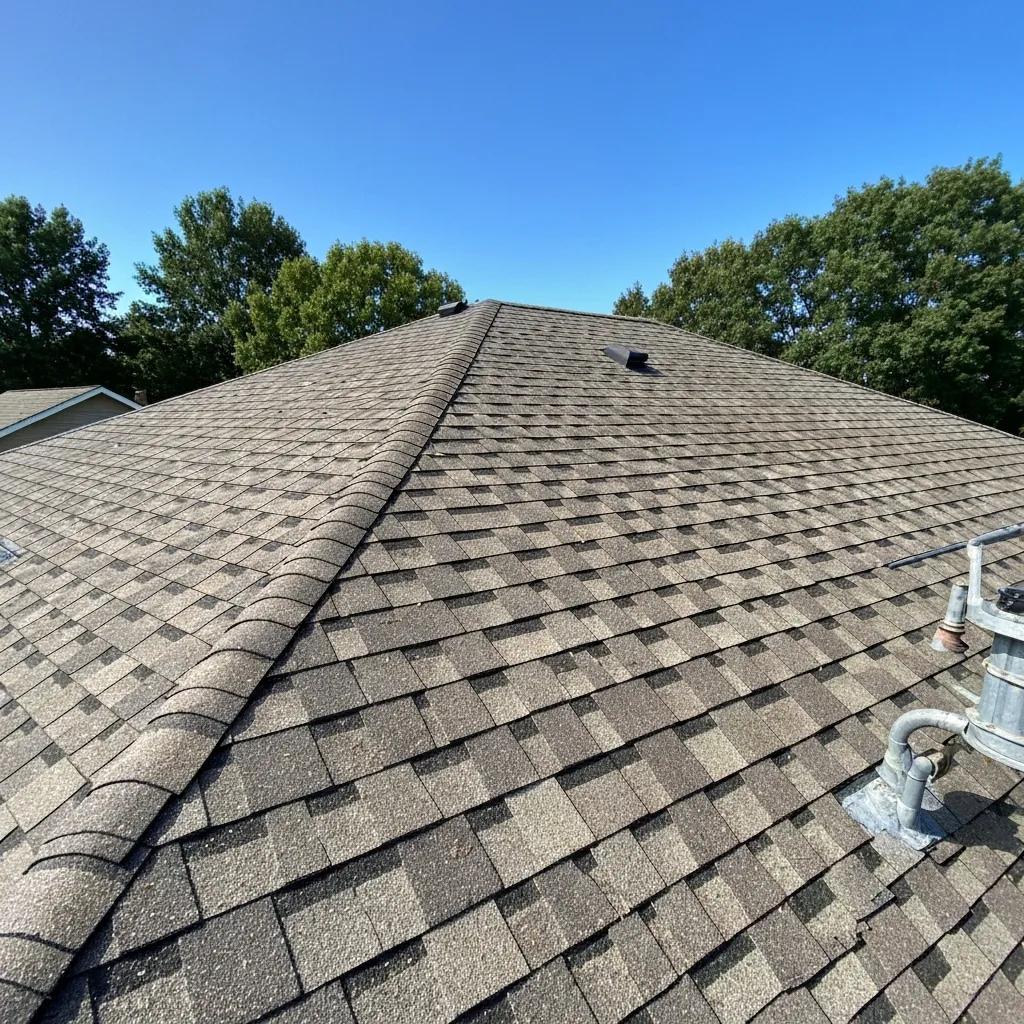
Why Skipping Regular Roof Cleaning Risks Your Home — What Every Homeowner Should Know
Letting roof cleaning and maintenance slide lets organic growth, leaves and other debris, and blocked drainage sit long enough to weaken your roof. That trapped moisture speeds up material breakdown — leading to lost shingle granules, failing underlayment, and leaks that threaten your home’s structure. This guide explains how algae, moss, and lichen damage shingles; how debris leads to rot and leaks; and the financial, energy, and health impacts homeowners face in humid climates like ours. You’ll also learn why manufacturer-approved soft-wash methods protect warranties and extend roof life, see easy cost-versus-repair comparisons, and get a Florida-focused cleaning schedule. Throughout, we give practical checklists, clear tables, and straightforward scheduling options so you can stop small issues from becoming expensive emergencies.
What Are the Main Dangers of Neglecting Roof Cleaning?
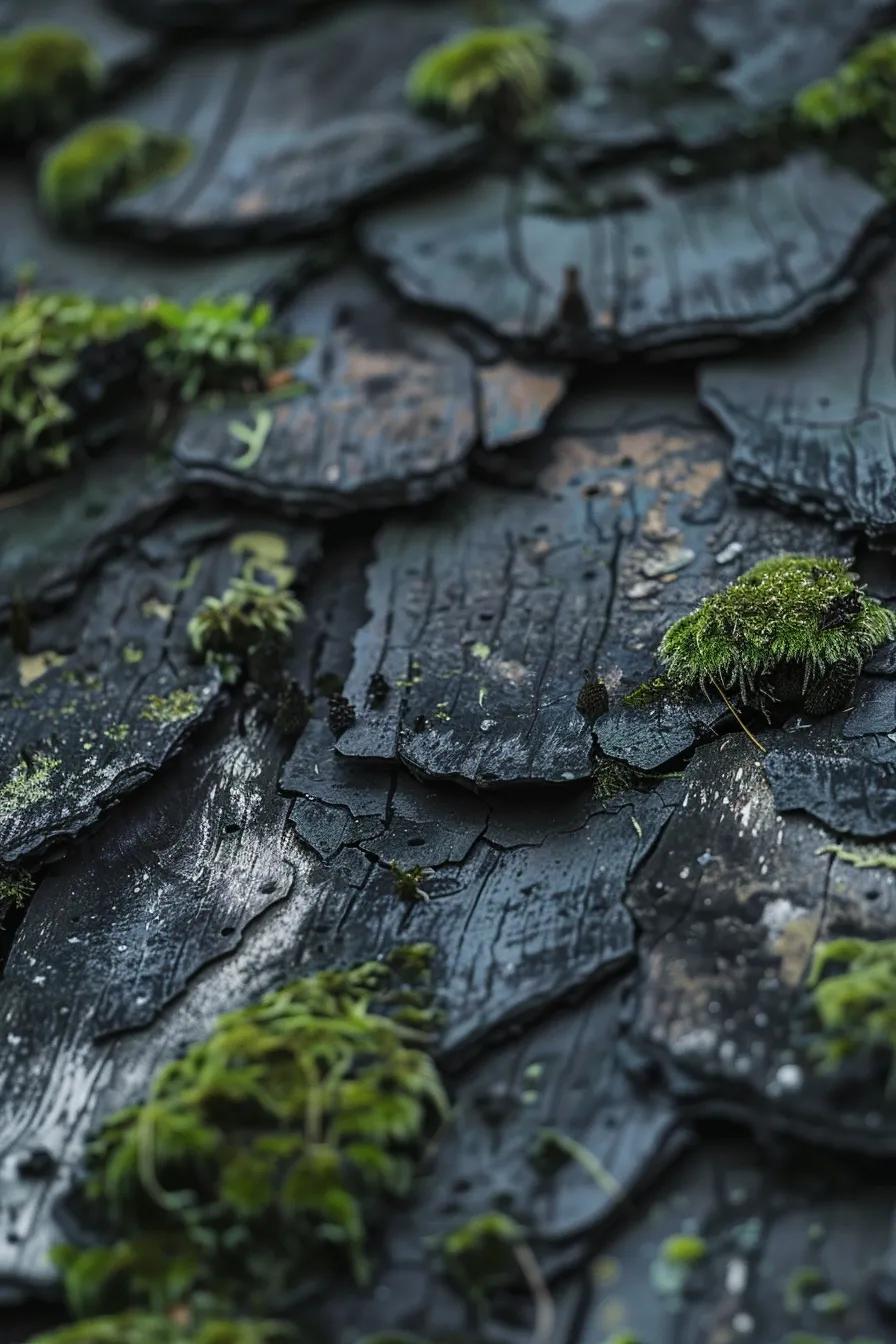
Skipping roof cleaning exposes roofing materials to several linked problems that shorten service life and invite costly repairs. Algae, moss, and lichen cling to shingles and hold moisture. Leaves and silt collect in valleys and gutters, forcing water to pond and run beneath shingles. Those combined effects — biological attachment, trapped moisture, and abrasive wear — speed up granule loss and lead to underlayment and decking rot, which in turn raise the risk of leaks and interior damage. Knowing these main danger categories helps you spot early warning signs and act before damage spreads.
Common visible signs of advanced neglect include dark streaks, tufts of moss, lifted shingles, and overflowing gutters — all signals that drainage is blocked and moisture is trapped. Spotting these clues early lets you arrange targeted cleaning and gutter work before structural components suffer. Timely action also supports warranty compliance when manufacturer-approved cleaning methods are used.
Here are the top risk categories and how each one progresses from a visible problem to material failure.
- Organic growth: organisms attach to shingles, trap moisture, and speed shingle breakdown.
- Debris accumulation: leaves and needles block drains and cause ponding that soaks the underlayment.
- Clogged gutters: overflow/backflow that leads to fascia, soffit, and decking rot.
- Mechanical wear: granule loss from abrasion or improper cleaning leaves asphalt exposed to UV and weathering.
These problems usually show up together — fixing one without the others leaves the roof at risk. The next section explains how specific organisms harm roofing materials in Florida’s humid conditions.
How Does Algae, Moss, and Lichen Damage Your Roof?
Algae, moss, and lichen attack roofs in different ways, but the end result is the same: trapped moisture and material damage. Algae create dark streaks by holding moisture and feeding on organic residues in shingles, which can speed up granule loss and reduce reflectivity. Moss forms thick mats with root-like structures that lift shingles and trap water underneath, encouraging underlayment saturation and rot. Lichen can slowly etch surfaces and release acids that weaken materials over time. All three thrive in humid, shaded spots — the kind of microclimates common around Citrus County, FL.
Because humidity and frequent storms boost spore spread and growth rates, local climate shortens the time between initial colonization and visible damage. Inspect areas near trees, shaded valleys, and north-facing slopes first — those spots hold moisture the longest. Recognizing the signs — dark streaks for algae, raised green tufts for moss, crusty patches for lichen — helps you choose targeted, manufacturer-approved removal methods that protect shingles and prepare the roof for ongoing maintenance.
What Structural Damages and Roof Leaks Result from Skipping Maintenance?
When drainage gets blocked and moisture is trapped, a predictable chain reaction begins. Leaves, needles, and organic silt gather in valleys and gutters, creating backups that let water run sideways or beneath shingles instead of off the roof. Prolonged ponding soaks the roof deck, causes plywood or OSB to rot, and degrades fascia and soffits — opening pathways for water into attics and living spaces.
The most at-risk parts are shingles (from granule loss), underlayment (from saturation and adhesive failure), roof decking (from rot and delamination), and interior finishes (from leaks and mold). Regular cleaning and gutter care stop this cascade before exterior issues become interior headaches, protecting both the roof envelope and your home’s indoor air quality. The table below summarizes how these mechanisms affect components and expected impacts.
How Does Skipping Roof Cleaning Affect Your Roof’s Lifespan and Warranty?
Putting off roof cleaning shortens shingle life by speeding up granule loss, underlayment failure, and decking rot — and it can put warranty coverage at risk if improper cleaning methods are used. Many manufacturers require routine maintenance and specifically warn against high-pressure washing that damages shingles. Not following those recommendations, or failing to document approved maintenance, can complicate future claims. Using documented, manufacturer-recommended soft-wash techniques from a professional helps protect warranty coverage.
Industry guidance suggests neglect can shave roughly 10–25% off an asphalt shingle lifespan depending on climate and biological load — meaning a 25-year shingle might effectively last 18–22 years in bad conditions without care. Keeping records of professional, manufacturer-approved cleanings gives you a clear maintenance history that helps with inspections and warranty reviews. The sections below explain why neglect accelerates aging and how to document service to protect claims.
Why Does Neglect Shorten Roof Lifespan?
Neglect speeds up roof aging through combined effects of moisture, biology, and mechanical wear. Moisture trapped by algae and moss weakens asphalt binders and, in cooler areas, can increase freeze-thaw damage. Repeated wetting and drying degrade adhesives and cause shingles to curl. Biological organisms detach granules and change surface chemistry, lowering UV reflectivity and raising thermal stress on shingles — all of which increase material fatigue over time.
How much life you lose depends on local climate and maintenance habits, but the main point is prevention slows several damage pathways at once. Regular soft washing removes organisms and debris, restores reflectivity, and reduces repeated wetting cycles — all actions that stabilize shingle performance and push back the need for repairs or replacement. Good maintenance is, in effect, a roof life-extension strategy.
How Can Skipping Cleaning Void Your Roof Warranty?
Many shingle warranties include maintenance requirements that expect homeowners to prevent biological growth and to avoid cleaning methods that harm shingles, such as high-pressure washing. Aggressive pressure washing can lift granules, strip protective coatings, and physically damage shingles — actions manufacturers may classify as abuse and use to deny coverage. Manufacturer-approved soft-wash agents and low-pressure techniques kill organisms without mechanical harm and align with warranty guidelines.
To protect warranty eligibility, document professional services with dated invoices that note low-pressure soft-wash techniques and the approved cleaning agents used. That paper trail demonstrates you followed recommended maintenance practices if a future warranty claim arises. The next section looks at the financial and health costs that can follow neglect.
What Are the Financial and Health Consequences of an Uncleaned Roof?
An uncleaned roof brings both direct and hidden costs: higher energy bills, repair or partial replacement expenses, and lower curb appeal that can hurt resale value. Indirectly, moisture-related damage can lead to interior remediation for mold or pests — expenses that quickly outpace the cost of routine cleaning. For many homeowners in humid regions, preventive maintenance is a smart financial move.
Health risks also matter. Spores and pests that take up residence on a neglected roof or in a damp attic can move into living spaces, causing respiratory irritation or worsened allergies in sensitive people. Professional cleaning and timely repairs reduce these risks by removing biological reservoirs and restoring proper drainage and ventilation. The next two sections cover how neglect affects home value and occupant health, plus practical signs to watch for.
How Does Roof Neglect Lower Your Home’s Value and Curb Appeal?
Roof condition is one of the first things buyers and appraisers notice. Stains, moss, and sagging gutters signal deferred maintenance and can lower offers or slow a sale. A clean, well-kept roof shows that the property has been cared for and helps preserve curb appeal — an important factor for buyer confidence. Visible deterioration often leads to inspection requests or repair credits that reveal the true cost of procrastination.
Sellers can usually improve perceived value with a professional soft wash to even out shingle color and by clearing gutters to show proper drainage. Those investments are often modest compared with the potential negative impact of visible roof problems; a tidy roof reduces negotiation friction and reassures buyers about near-term expenses. The next section explains health pathways from roof neglect into the home.
Can Mold Growth and Pest Infestations from Roof Neglect Affect Your Health?
Mold spores and pests from a compromised roof system can find their way into attics and living spaces through vents, gaps, or water-damaged penetrations, raising indoor allergen levels and respiratory irritation risks. Long-term exposure to higher mold spore counts can worsen asthma and allergies, and pests can introduce allergens or pathogens. Regular roof maintenance removes biological reservoirs and helps keep flashings, vents, and penetrations watertight.
If you notice persistent musty odors, sudden allergy flare-ups, or visible mold in attics or ceilings, get a professional inspection and remediation plan that includes a roof check. Professional cleaning plus targeted repairs reduces the chance of recurrence and helps restore a healthier indoor environment. Next, we cover how cleaning preserves energy efficiency and reduces costs.
Why Is Regular Roof Cleaning Essential for Energy Efficiency and Cost Savings?
Dirty roofs with organic growth and dark staining absorb more heat because they reflect less sunlight. That extra heat raises cooling loads and forces air conditioners to run longer — a real issue in sunny, humid climates like Florida’s, where cooling makes up a big share of household energy use. Regular cleaning restores reflectivity and reduces heat absorption, which can lead to measurable cooling savings over time.
Besides cutting energy costs, preventive cleaning lowers the chance of repairs and can delay replacement, reducing lifecycle expenses compared with repeated sectional fixes or an early full replacement. For homeowners in Citrus County, the combined energy and repair-avoidance benefits make cleaning a practical, money-saving maintenance step. The next sections explain the thermal effect and offer a clear repair-versus-cleaning comparison with a service-forward suggestion.
How Does Organic Growth Increase Your Energy Bills?
Organic growth darkens roof surfaces and reduces reflectivity, so the roof absorbs more solar radiation and heats up. That added heat raises attic temperatures and increases the conductive heat load into living spaces, forcing the HVAC to remove more heat and run longer. In humid climates, this can noticeably raise cooling bills during long warm seasons.
The exact increase depends on shingle type and attic insulation, but cleaning to restore reflectivity lowers peak surface temperatures and helps your HVAC run more efficiently. Over months of heavy cooling demand, that efficiency adds up and helps offset cleaning costs — strengthening the case for preventive maintenance. The next subsection puts the repair-versus-cleaning trade-off into clearer terms and includes a simple booking prompt for professional help.
What Is the Cost-Benefit of Regular Roof Cleaning Versus Repairs?
Regular cleaning is a relatively low recurring expense that helps prevent larger, more expensive repairs. For a 1,500 sq ft roof, a soft-wash cleaning typically costs far less than the thousands you might pay for decking repairs or a partial shingle replacement. Over a decade, routine cleanings can prevent at least one major repair or push back full replacement, producing a positive return when you factor in avoided repair costs and energy savings.
If you’re weighing professional help, booking preventive cleaning is a cost-effective way to reduce the odds of high-dollar repairs. White Diamond Pressure Washing offers manufacturer-approved soft-wash roof cleaning that focuses on complete contaminant removal to extend roof life. Schedule regular service or request an estimate through our easy booking options to create a clear maintenance record — a simple step that helps capture energy savings and lower long-term roofing costs.
How Does White Diamond Pressure Washing’s Soft Wash Method Prevent Roof Damage?

White Diamond Pressure Washing uses a soft-wash system built to remove algae, moss, and lichen safely while protecting shingle integrity and meeting manufacturer recommendations. We use low-pressure application and approved cleaning agents that chemically neutralize biological growth instead of blasting it away. That approach reduces mechanical stress, limits granule loss, preserves surface reflectivity, and lowers leak risk over time.
Because we focus on full contaminant removal and use agents compatible with shingle manufacturers, soft washing helps extend roof life and supports warranty preservation. Our local experience in Citrus County, FL means technicians understand how humidity and storms affect recurrence and can recommend the right cleaning intervals for your property. When you’re ready to protect your roof, White Diamond offers easy scheduling and reliable service to build a preventive maintenance plan that fits local conditions.
Here are the key outcomes that make soft washing preferable to high-pressure cleaning when preserving roof longevity and warranties.
- Shingle-safe removal: Low-pressure chemistry removes organisms without dislodging granules.
- Warranty-friendly technique: Manufacturer-approved agents minimize risk of voiding coverage.
- Thorough contaminant control: Removes roots and spores, not just surface stains.
- Local climate expertise: Technicians tailor intervals and treatments to Citrus County conditions.
These benefits show why a professional, soft-wash program prevents the cascade from biological staining to structural failure. The next section compares soft washing with pressure washing and offers tips for keeping clear service records for warranty support.
What Makes Soft Washing Safer and More Effective Than Traditional Cleaning?
Soft washing combines a low-pressure spray with biodegradable, manufacturer-approved detergents that kill and remove organisms at the root without the force that harms shingles. High-pressure washing uses strong streams that can strip granules, lift shingles, and weaken sealants — all actions that speed material failure and may void warranties. Soft washing’s chemical action neutralizes growth, lowers regrowth rates, and preserves surface coatings and granules, making it effective and warranty-compatible.
Hiring trained technicians ensures the right dilution, dwell time, and rinsing procedures are used to maximize organism removal while minimizing residue. Keep invoices that specify the soft-wash method and approved agents — those records help demonstrate warranty compliance. The next section explains how professional cleaning translates into longer roof life and warranty protection.
How Does Professional Cleaning Extend Roof Lifespan and Preserve Warranty?
Professional cleaning halts biological and moisture-driven damage before it reaches structural elements, slowing granule loss, reducing underlayment saturation, and protecting decking from rot. When cleaning follows manufacturer-recommended agents and low-pressure methods, it lines up with common warranty requirements that forbid abrasive cleaning. Technicians often inspect flashings, vents, and gutters during service, finding small defects before they grow into big problems.
Keeping dated service records with clear descriptions of methods serves two purposes: it shows a maintenance trail for resale and documents compliance if you need to file a warranty claim. Together, professional soft washing and careful record-keeping are a practical defense against premature roof failure and warranty disputes. Next, we cover recommended scheduling for Florida and how easy booking keeps maintenance on track.
When and How Often Should You Schedule Roof Cleaning to Avoid Risks?
Cleaning frequency for Florida homes balances humidity, tree cover, and storm exposure: start with a baseline interval and adjust for site-specific risks. For many Citrus County roofs, cleaning every 1–3 years is a good baseline, with annual checks for shaded, tree-covered, or coastal properties that face heavier biological loads. Inspect after major storms and schedule cleaning if you see staining, moss tufts, or water runoff problems.
Timing matters: cleaning in late spring or early summer cuts pre-summer cooling loads and addresses growth driven by early-season rains. Pair roof cleaning with gutter clearing and a quick professional inspection to catch leaks or flashing concerns early. The following subsections give prescriptive scheduling guidance and show how recurring appointments make maintenance easy to track.
What Is the Recommended Roof Cleaning Schedule for Florida Homes?
A practical Florida schedule starts with a soft-wash every 1–3 years, plus annual visual inspections and more frequent cleanings for shaded roofs, heavy tree cover, or properties near water where spores are common. Roofs under dense canopy or showing early growth may need cleaning every 6–12 months to prevent moss from taking hold and to limit granule loss. After hurricanes or storms, get an immediate inspection and targeted cleaning of clogged valleys and gutters to avoid ponding and underlayment saturation.
Adjust frequency for your microclimate to protect roof life without doing unnecessary work — the goal is to interrupt growth before it causes mechanical damage. Document every service visit to preserve warranties and to show proactive maintenance to buyers or insurers. The next section explains how easy scheduling removes friction from long-term upkeep.
How Can Easy Scheduling with White Diamond Help You Stay on Track?
White Diamond Pressure Washing offers simple scheduling and local service in Citrus County, FL to help you keep a steady maintenance routine that prevents costly escalation. Recurring or reminder-based appointments make sure cleaning happens before biological growth becomes structural, and our technicians supply documentation of manufacturer-approved soft-wash methods to support warranty records. Our local focus helps us match treatment intervals to each property’s exposure.
If you want a straightforward maintenance plan, book recurring soft-wash service and gutter maintenance to reduce repair risk and protect roof performance. Easy scheduling plus documented visits makes it simple to safeguard short-term energy savings and long-term roof capital while staying aligned with manufacturer guidance and local environmental needs.
Comprehensive Maintenance Plan for Pitched Roofs
This study outlines a step-by-step maintenance plan for pitched roofs: (1) visually inspect the roof covering, drainage, and flashings; (2) note defects and their severity; (3) decide on needed repairs; and (4) set a maintenance schedule based on component service life and identified defects.
Maintenance planning of pitched roofs in current buildings, I Flores-Colen, 2017
Putting a clear maintenance plan in place — regular inspections plus a defined cleaning schedule — is key to keeping any pitched roof in good long-term condition.
- Inspect annually: A yearly visual check uncovers early algae or moss.
- Baseline cleaning: Schedule soft-wash every 1–3 years depending on exposure.
- After-event checks: Inspect and clean after major storms or heavy debris buildup.
Regular appointments, backed by professional documentation, are the most reliable way to stop surface growth from turning into structural failure and to show ongoing compliance with manufacturer expectations.
Biological and Chemical Damage Caused by Lichens on Building Materials
Lichens damage materials both mechanically and chemically: they can secrete organic acids that dissolve minerals, and their thalli can exert pressure that causes cracking and delamination. Lichens also retain moisture, creating conditions that encourage other organisms and speed decay.
The role of lichens, mosses, and vascular plants in the biodeterioration of historic buildings: A review, A Cozzolino, 2022
Lichens harm building materials in several ways — through physical pressure, chemical action, and moisture retention — all of which can weaken structures over time.
Frequently Asked Questions
What are the signs that my roof needs cleaning?
Look for visible indicators like dark streaks, moss patches, or shingles lifting. Overflowing gutters and water pooling in valleys are also red flags that drainage is blocked. If you see any of these, schedule a cleaning — especially after heavy storms — to stop damage before it gets expensive.
How can I choose a reliable roof cleaning service?
Pick companies that specialize in soft-wash techniques and that have experience with your roof type. Read reviews, ask for references, and confirm they use manufacturer-approved cleaning agents to protect your warranty. Make sure they provide written documentation of the work they perform — it’s important for warranty and resale records.
What should I do if I notice mold or algae inside my home?
If you find mold or algae indoors, act right away. Identify the source — it may be a roof leak or poor ventilation — and get professional remediation to remove mold safely. At the same time, schedule a roof inspection and cleaning to remove external moisture sources so the problem doesn’t come back.
Can I clean my roof myself, or should I hire a professional?
DIY cleaning is tempting, but hiring a pro is generally safer. Professionals use soft-wash methods that remove algae and moss without damaging shingles, and they have the equipment and safety training to work at heights. Doing it yourself risks injury, roof damage, and possible warranty problems. Professional service is a better long-term investment.
How does roof cleaning impact my home’s energy efficiency?
Roof cleaning improves energy efficiency by restoring reflectivity. A clean roof reflects more sunlight, reducing heat absorption and lowering cooling costs — an important benefit in humid, sunny climates. Keeping the roof clean helps your AC run less and saves on energy bills over time.
What are the long-term benefits of regular roof maintenance?
Regular maintenance extends roof life, cuts repair costs, and preserves home value. Preventing debris and biological buildup avoids costly structural damage and keeps your roof looking its best. Consistent service also helps protect warranty coverage by creating a documented maintenance history. Overall, proactive care saves money and reduces stress.
What should I do after a severe storm regarding my roof?
After a severe storm, check for visible damage like missing shingles, leaks, or heavy debris. If you find issues, schedule a professional inspection and cleaning quickly to prevent secondary damage. Also clear gutters to ensure proper drainage. Timely action after storms helps protect your roof and home from further harm.
Conclusion
Regular roof cleaning and upkeep are essential to protect your roof, avoid costly repairs, and improve energy efficiency. Understanding the risks of neglect lets you take practical steps to safeguard your investment and keep your home healthy. Don’t wait for visible damage — schedule a professional soft-wash service now to keep your roof in top shape. Browse our services to find the maintenance plan that fits your needs.
4 thoughts on “Don’t Skip Roof Maintenance: Key Risks You Need to Know”