

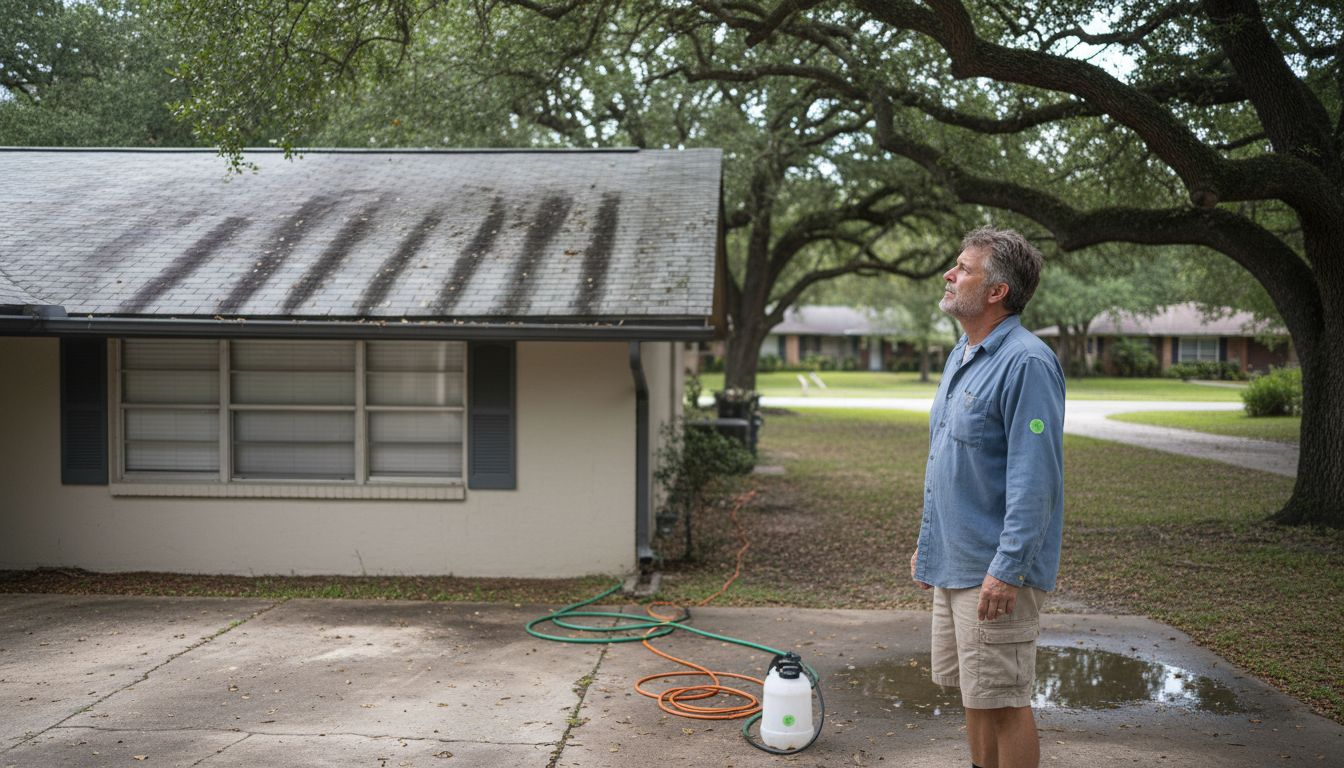
Dark streaks and patches on your roof are not just an eyesore—they are clear signs that your home’s shingles are hosting unwanted growth. For homeowners in Citrus County, these stains reveal more than appearance issues; they point to persistent moisture retention problems that threaten both roof integrity and property value. Understanding what algae on your roof means helps you recognize when it is time for safe, effective professional cleaning to protect your investment and curb appeal.
Table of Contents
- What Algae on Roofs Really Means
- Common Types of Roof Algae and Damage
- How Algae Growth Impacts Your Home
- Risks of Leaving Algae Untreated
- Effective and Safe Algae Removal Methods
Key Takeaways
| Point | Details |
|---|---|
| Algae Indicates Moisture Issues | The presence of algae suggests moisture retention, poor drainage, and inadequate ventilation, which can affect shingles and lead to further roof damage. |
| Impact on Property Value | Algae growth negatively affects curb appeal and may lower a home’s market value, as it signals potential neglect to prospective buyers. |
| Importance of Prompt Action | Addressing algae early prevents moss colonization and more extensive structural damage, making it crucial for homeowners to act quickly. |
| Recommended Removal Method | A safe and effective algae removal process involves using a bleach-water solution with low-pressure spraying to preserve shingle integrity. |
What Algae on Roofs Really Means
Algae on your roof isn’t just a cosmetic problem. It signals that your roof has become a hospitable environment for unwanted biological growth. Understanding what algae means for your home helps you decide whether professional cleaning is worth the investment.
The dark streaks or patches you see are typically caused by Gloeocapsa magma, the most common algae species affecting roofs across the United States. This microscopic organism thrives in warm, humid climates and spreads through airborne spores that land on your shingles. Once established, it’s remarkably persistent and can recolonize even after treatment.
Citrus County’s climate creates ideal conditions for algae growth. The combination of warmth, moisture, and coastal humidity makes your roof particularly vulnerable to colonization. Light-colored roofs are especially susceptible to visible discoloration from algae growth.
What Algae Growth Reveals About Your Roof
Algae doesn’t appear randomly. Its presence indicates that your roof is retaining moisture—something that should concern every homeowner. Here’s what algae growth actually tells you:
- Moisture retention problems that could affect shingle longevity
- Poor drainage patterns allowing water to pool on your roof
- Inadequate ventilation in your attic creating condensation
- Shaded areas where moisture lingers longer than elsewhere
These conditions don’t just support algae. They accelerate the aging process of asphalt shingles and create pathways for more serious roof deterioration. While algae growth itself doesn’t directly damage shingles, the moisture conditions that allow algae to flourish absolutely can.
The Connection Between Algae and Property Value
Potential buyers notice roof discoloration immediately. That dark streaking across your roof is one of the first things people see from the street, and it creates a lasting negative impression. Property assessments often flag visible algae growth as a sign of maintenance neglect.
A roof covered in algae telegraphs a simple message to buyers: this homeowner didn’t maintain the property. Whether that’s true or not, the perception affects your home’s market appeal and negotiating position.
Algae growth is essentially your roof’s way of communicating that something needs attention—whether that’s cleaning, drainage improvement, or ventilation adjustment.
Pro tip: Address algae growth before listing your home or before it spreads to new areas of your roof, as early intervention is far less costly than dealing with structural damage from prolonged moisture exposure.
Common Types of Roof Algae and Damage
Not all roof discoloration comes from the same source, and understanding which algae you’re dealing with matters. Different types cause varying levels of damage, and some require more aggressive intervention than others.
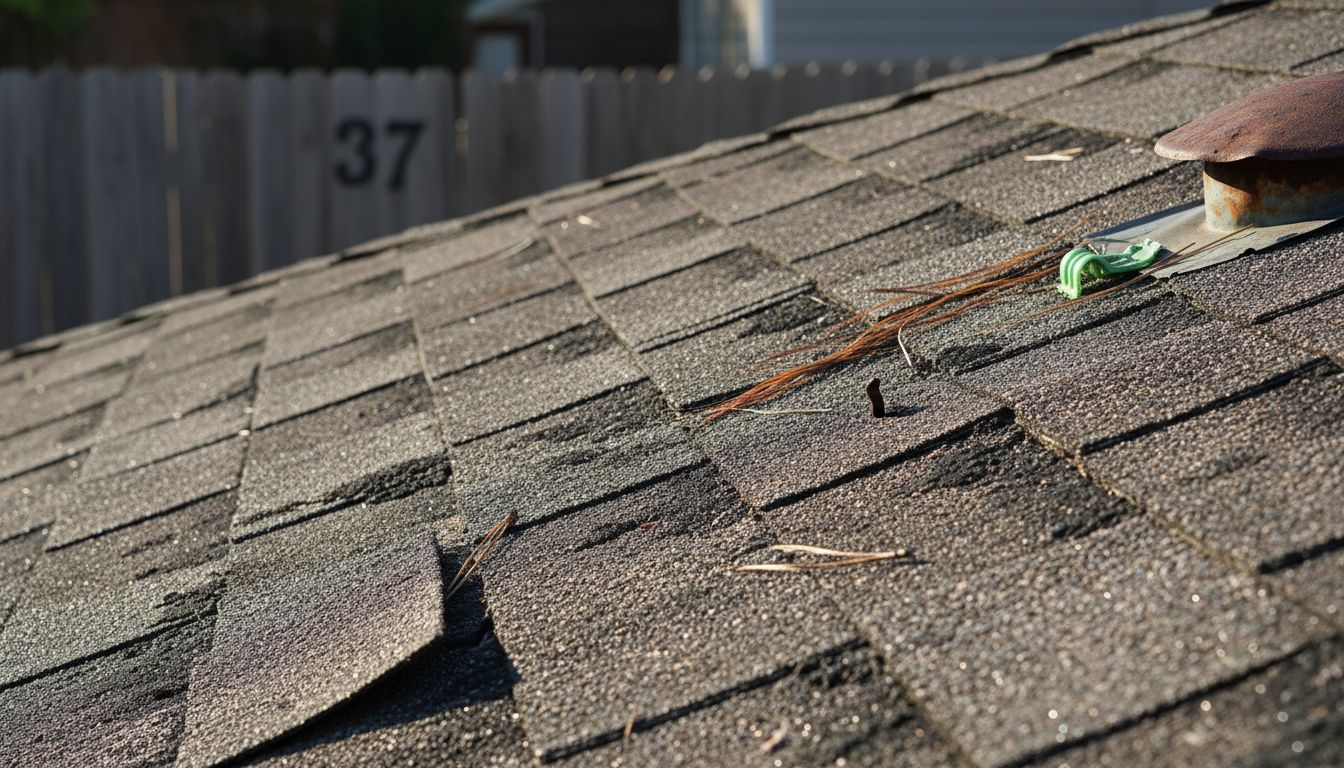
The most common culprit is Gloeocapsa magma, a blue-green algae species that produces dark pigmented sheaths protecting it from ultraviolet rays. This algae thrives where moisture collects on your roof surface, particularly in humid or coastal environments like Citrus County. It creates those unsightly black streaks that make roofs look decades older than they actually are.
How Algae Actually Damages Your Roof
Here’s where the confusion often happens: algae itself doesn’t directly damage asphalt shingles the way you might expect. The real problem is what comes with it and what it enables on your roof.
The actual damage happens through these mechanisms:
- Moisture retention that accelerates shingle deterioration
- Organic growth buildup that traps water against roofing materials
- Supporting moss growth which causes far greater physical harm
- Reduced reflectivity on cool-colored roofing systems
Moss is the true troublemaker. While algae causes cosmetic issues, moss actively lifts and curls shingles, creating gaps where water infiltrates. This distinction matters because it changes how urgently you need to act.
Here’s a quick reference comparing algae and moss impacts on roofs:
| Factor | Algae | Moss |
|---|---|---|
| Primary Effect | Cosmetic discoloration | Physical shingle damage |
| Growth Conditions | Moist, humid air | Persistent moisture, shade |
| Repair Urgency | Routine maintenance | Immediate intervention |
| Long-Term Risk | Reduced energy efficiency | Roof leaks and wood rot |
| Removal Method | Chemical soft wash | Manual plus chemical removal |
Why Algae Growth Indicates Bigger Problems
Algae doesn’t randomly choose your roof. Its presence signals that moisture conditions are creating an ideal environment for biological colonization. These same conditions damage shingles over time, whether algae is present or not.
Roofs with algae growth often have:
- Inadequate drainage that allows water pooling
- Poor attic ventilation creating condensation
- Shaded areas where moisture lingers longer
- Compromised shingle integrity that traps water
Even if you clean the algae away, the underlying moisture problem remains. This is why professional cleaning combined with drainage assessment provides better long-term protection than cleaning alone.
Algae is essentially a visible indicator that your roof is retaining moisture—and moisture is what actually shortens shingle lifespan.
Effective cleaning requires understanding these proven pressure washing techniques to remove algae without causing additional damage to shingles.
Pro tip: Schedule algae removal during dry seasons and inspect your attic ventilation and gutters afterward to address the moisture conditions that enabled growth in the first place.
How Algae Growth Impacts Your Home
Algae on your roof isn’t a static problem that stays where it is. Over time, it creates a cascade of consequences that affect your home’s value, energy efficiency, and structural integrity.
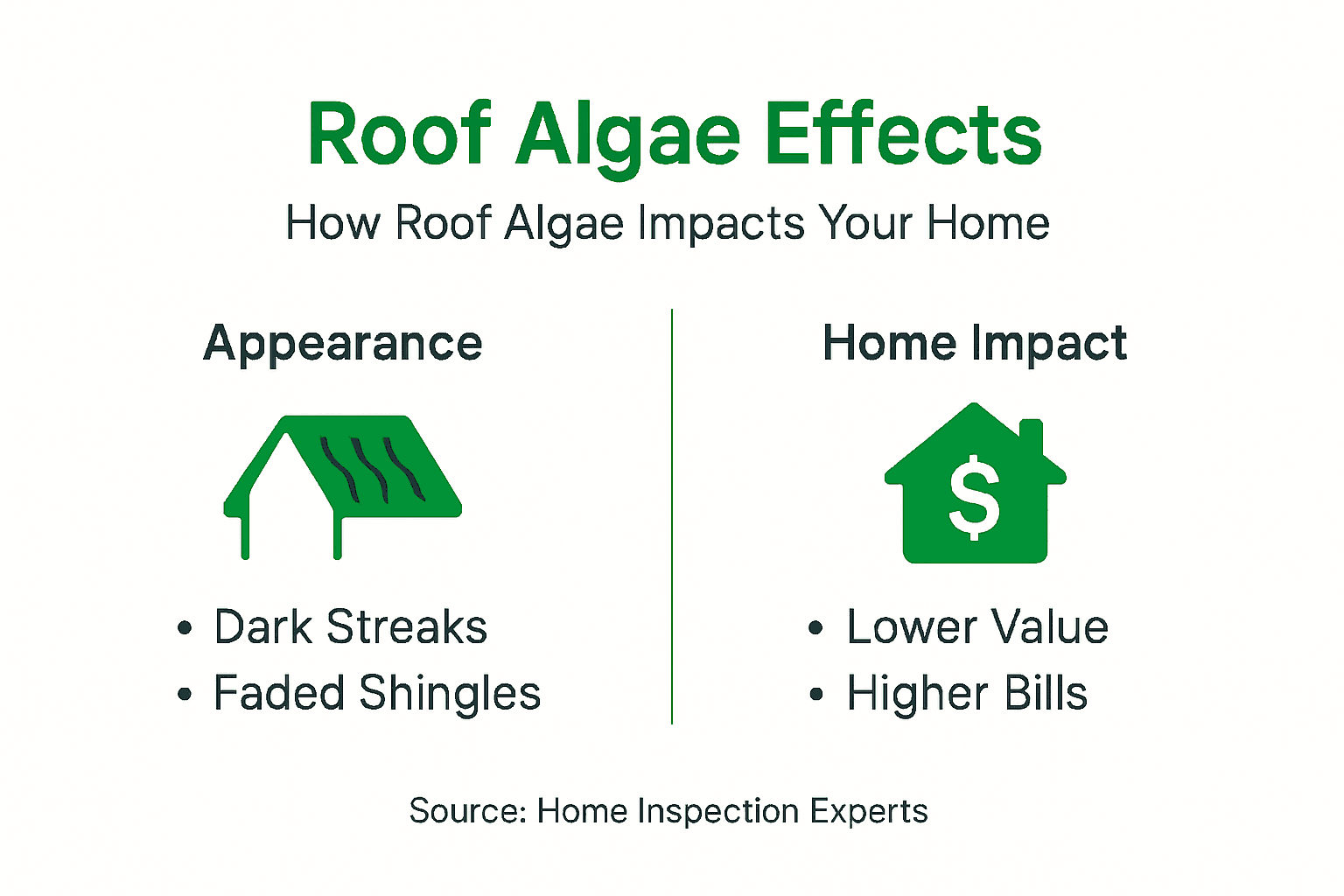
The impact starts visibly but extends far deeper than appearance. Algae darkens light-colored roofs, which reduces energy efficiency by increasing heat absorption and forcing your cooling system to work harder during warm months. In Citrus County’s climate, this means higher electricity bills every summer when you need air conditioning most.
The Chain Reaction of Algae Growth
One problem leads to another. Here’s how algae initiates damage throughout your home:
- Curb appeal suffers immediately, affecting buyer perception
- Energy costs increase as dark algae absorbs more heat
- Moss colonization accelerates in the moist environment algae creates
- Moisture becomes trapped beneath shingles and organic growth
- Leaks develop as lifted shingles create gaps in coverage
- Interior damage spreads from water infiltration into attics and walls
Moss is where the real structural danger emerges. It actively damages roofing materials by lifting shingles and creating pathways for water infiltration. A roof that started with algae discoloration can end with major structural repairs if moss takes hold.
How Algae Directly Affects Your Home’s Value
Prospective buyers see algae-covered roofs and make immediate assumptions about maintenance and home condition. That dark streaking across your roof is one of the first visual elements people notice, and it signals neglect—whether fair or not.
When appraisers evaluate your home, visible algae growth often triggers lowered valuations. Insurance companies may even flag algae as a maintenance issue. Real estate agents report that homes with algae-covered roofs sit longer on the market and sell for less than comparable properties with clean roofs.
The financial impact compounds when moisture damage occurs. Water leaks in your attic lead to mold, compromised insulation, and structural rot. These problems turn an inexpensive cleaning into thousands of dollars in repairs and restoration.
Algae doesn’t just look bad—it’s a visual warning sign that your roof is retaining moisture, and moisture is expensive to fix.
Pro tip: Remove algae growth promptly during dry weather to prevent moss colonization, then verify your gutters and attic ventilation are functioning properly to eliminate the moisture conditions that enabled growth.
Risks of Leaving Algae Untreated
Waiting to address algae is essentially gambling with your home’s value and structural integrity. The longer you delay, the more damage compounds, and the more expensive the eventual repairs become.
Initially, the problem seems cosmetic. Dark streaks make your roof look neglected, but at this stage, cleaning is straightforward and affordable. Wait too long, however, and algae transitions from a maintenance issue to a structural concern that threatens your home’s foundation and your bank account.
The Escalating Damage Timeline
Algae doesn’t stay stationary. Here’s the progression of what happens when you leave it untreated:
- Months 1-6: Algae darkens your roof and spreads across light-colored shingles, reducing curb appeal
- Months 6-12: Moisture retention increases beneath the organic layer, trapping water against shingles
- Year 2: Moss begins colonizing the same moist environment, lifting and curling shingles
- Year 3+: Water infiltrates gaps created by lifted shingles, reaching your attic and interior walls
- Years 5+: Structural damage, mold growth, and major repair costs become unavoidable
Each stage makes the next one worse. Algae alone is manageable. Algae plus moss requires more aggressive intervention. Algae plus moss plus water damage demands costly structural repairs.
Financial Consequences of Inaction
The math is straightforward: professional algae removal costs a few hundred dollars. Roof replacement costs tens of thousands. Structural repairs from water damage cost even more.
Untreated algae creates conditions that accelerate decay of roofing materials and weaken your home’s structural integrity. Insurance claims for water damage often have higher deductibles and may not cover negligence-related issues. Lenders and appraisers penalize homes with visible neglect, making refinancing and selling more difficult.
Beyond the direct costs, untreated algae reduces your home’s market value significantly. Buyers negotiate harder when they see unmaintained roofs. Real estate agents report 7-10% reductions in final sale prices for homes with visible algae growth compared to identical properties with clean roofs.
The Moss Problem Multiplies Risk
Algae enables moss growth by creating the exact moist environment moss needs. Where algae causes discoloration, moss causes physical destruction. Lifted shingles create entry points for water that algae alone never would.
Once moss takes hold, professional removal becomes more complex and expensive. Soft washing techniques must be gentler to avoid further shingle damage. Replacement often becomes necessary.
The difference between a $300 cleaning today and a $15,000 roof replacement later is the decision you make right now.
Pro tip: Schedule algae removal as soon as you notice dark streaks or discoloration, rather than waiting for it to worsen—early intervention prevents moss colonization and eliminates the moisture conditions before structural damage occurs.
Effective and Safe Algae Removal Methods
Not all cleaning methods work equally, and some can actually damage your roof more than the algae itself. Understanding the right approach protects both your shingles and your investment.
The key difference between effective removal and damaging removal comes down to technique. Pressure washing seems logical for stubborn stains, but high-pressure water can strip away shingle granules, accelerate deterioration, and create new leaks. Professional algae removal requires gentler methods that eliminate growth without harming roofing materials.
The Proven Safe Removal Method
The most effective and safe approach uses a 50:50 bleach and water solution applied with a low-pressure sprayer. This method kills algae at its source without damaging shingles.
Here’s how the process works:
- Prepare the solution using laundry-strength liquid chlorine bleach mixed equally with water
- Apply with a sprayer across affected roof areas, allowing complete coverage
- Let it dwell for 15 to 20 minutes so the bleach can penetrate and kill algae
- Rinse thoroughly with low-pressure water to remove dead algae and bleach residue
- Inspect gutters to ensure no bleach solution has accumulated in drainage areas
The dwell time is critical. Rushing the rinsing process leaves bleach residue that can damage shingles. Patience during this 15-20 minute window ensures maximum algae death and safe removal.
Why Pressure Washing Backfires
High-pressure washing sounds effective, but it’s one of the worst things you can do to an algae-covered roof. The force necessary to blast away algae also tears away shingle granules, the protective layer that shields asphalt from UV damage and weather.
Once granules are removed:
- Shingles age faster from UV exposure
- Water infiltration increases as protection is compromised
- Warranty coverage may be voided if damage is pressure-washing related
- New leaks develop from granule loss and shingle degradation
Soft washing with low-pressure application and chemical treatment eliminates algae safely while preserving your roof’s integrity.
Here’s a summary of roof algae removal approaches and their outcomes:
| Cleaning Method | Expected Result | Roof Risk Level |
|---|---|---|
| Soft washing (bleach solution) | Algae eliminated, shingles preserved | Minimal risk |
| Pressure washing (high-pressure) | Algae removed, shingle granules lost | High risk |
| Manual scrubbing | Partial removal, time intensive | Moderate risk |
| Zinc strip prevention | Long-term algae resistance | No cleaning damage risk |
Long-Term Prevention Options
After cleaning, preventing regrowth extends the time between treatments. Zinc strips installed near the roof peak provide long-term protection by releasing zinc oxide as it weathers, creating an environment algae cannot colonize.
These strips work gradually but reliably, reducing algae regrowth for years. Combined with proper attic ventilation and gutter maintenance, zinc strips can extend the period between professional cleanings from one or two years to three or more.
Safe algae removal means using chemistry, not force—letting time and the right solution do the work your roof deserves.
Pro tip: Choose professional soft washing services over DIY pressure washing, as technicians have proper safety equipment, use appropriate bleach concentrations, and ensure complete rinsing to prevent material damage and extend your roof’s lifespan.
Protect Your Home Value with Expert Roof Algae Removal
Algae growth on your roof signals hidden moisture issues that threaten your shingles and reduce your home’s curb appeal and market value. Don’t let dark streaks and discoloration send the wrong message to buyers or cause costly damage over time. White Diamond Pressure Washing specializes in safe, professional soft washing techniques designed to eliminate algae without harming your roofing materials or voiding warranties. Our experienced team understands how to protect your roof from further biological growth while improving energy efficiency and maintaining structural integrity.
Take action now to preserve your property value and prevent moss and water damage from taking hold. Schedule a consultation with White Diamond Pressure Washing to see how our proven algae removal services can restore your roof’s appearance and health. Visit White Diamond Pressure Washing to get started or request a free estimate today. Your roof deserves expert care that goes beyond surface cleaning. Learn more about our safe cleaning methods and results at effective roof cleaning techniques. Protect your home with trusted local professionals committed to reliability and quality soft washing services.
Frequently Asked Questions
What causes algae growth on roofs?
Algae growth on roofs is primarily caused by Gloeocapsa magma, a microscopic organism that thrives in warm, humid climates. It spreads through airborne spores and establishes itself in moist conditions, particularly in shaded areas.
How does algae affect roof longevity?
Algae doesn’t directly damage shingles, but the moisture conditions it creates can lead to accelerated shingle deterioration. Excess moisture can trap water, promote the growth of moss, and weaken the roof over time.
What are the financial implications of leaving algae untreated on my roof?
Leaving algae untreated can decrease your home’s market value, as buyers often perceive it as a sign of neglect. Moreover, untreated algae can lead to significant structural damage that results in costly repairs if moisture issues develop.
What methods are safe and effective for removing algae from roofs?
The safest and most effective method for removing algae involves using a 50:50 bleach and water solution applied with a low-pressure sprayer. This method kills the algae without damaging the shingles, unlike high-pressure washing, which can strip protective granules from the roof.
3 thoughts on “Why Remove Algae from Roofs – Protecting Home Value”