

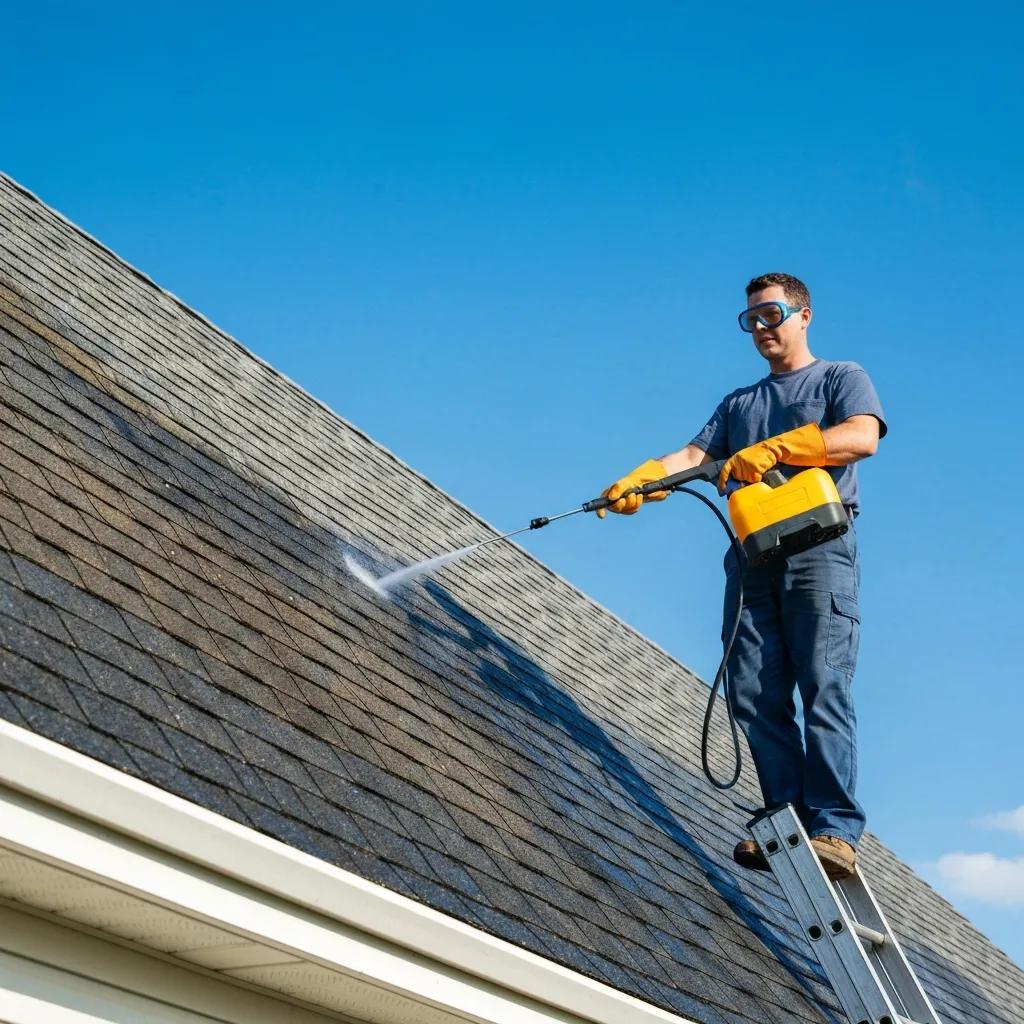
Roof Cleaning for Homeowners: Safe Soft‑Wash Methods and When to Call a Pro
Soft washing uses low pressure and manufacturer‑approved cleaners to remove algae, moss, and lichen without harming shingles or other roofing materials. In this guide we explain how soft wash works, why it’s usually the safest choice for residential roofs, and how to recognize common biological stains so you can treat them correctly. If you’re dealing with black streaks, green moss patches, or scaly lichen that hurt curb appeal and shorten roof life, this article gives clear diagnostics, safe DIY options, and a simple decision guide for when to hire a professional. You’ll find step‑by‑step tips, safety checklists, and comparison tables that show how soft washing stacks up against pressure washing and manual removal. We also cover maintenance schedules tailored to Citrus County, FL, and answer the most common homeowner questions so you can choose with confidence.
What Is the Best Roof Cleaning Method for Homeowners?
For most homes, soft washing is the best roof cleaning method. It pairs low pressure with chemical action to break down and rinse away biological growth without abrasive force. The process relies on algaecides and detergents that weaken the bonds of organisms like Gloeocapsa magma so stains rinse off without stripping shingle granules. Choosing soft wash reduces the risk of water intrusion, helps preserve warranties, and can extend shingle life compared with high‑pressure methods. The table below gives a quick comparison to help you pick the safest approach for your roof type.
Different cleaning methods affect roofing materials and outcomes in different ways.
This table shows why soft washing often gives the best balance of safety and results—so long as chemicals, contact times, and runoff management follow manufacturer guidance. Next we explain why chemical action plus low pressure works better than force alone.
Why Soft Wash Roof Cleaning Is the Safest and Most Effective Technique
Soft washing relies on low‑pressure water and active chemicals that break down cell walls and biofilms so contaminants rinse away gently. Typical formulas pair an oxidizer with a surfactant or algaecide to fade stains and remove the organisms that cause them. Because soft washing avoids aggressive water streams, it greatly reduces granule loss and the chance of pushing water beneath shingles—issues that can shorten roof life and void warranties. That’s why using manufacturer‑endorsed cleaning mixes and allowing the proper contact time before rinsing are critical steps for a safe, lasting result.
How Does Soft Washing Protect Asphalt Shingles and Other Roofing Materials?
Soft washing protects asphalt shingles by avoiding the high‑pressure streams that dislodge protective granules and expose the asphalt mat to sun and weather. On tile and metal roofs, low pressure plus the right chemistry removes algae and stains without cracking or etching surfaces. Cedar shake and wood roofs are sensitive to harsh treatment, so soft washing uses gentler concentrations and strict runoff control to prevent swelling or discoloration. In every case, following product data sheets and manufacturer recommendations reduces risk and helps roofs perform longer.
With the method and material basics clear, the next section helps homeowners identify the common contaminants they’ll see and how to treat them.
How Can Homeowners Identify and Remove Roof Moss, Algae, and Lichen?
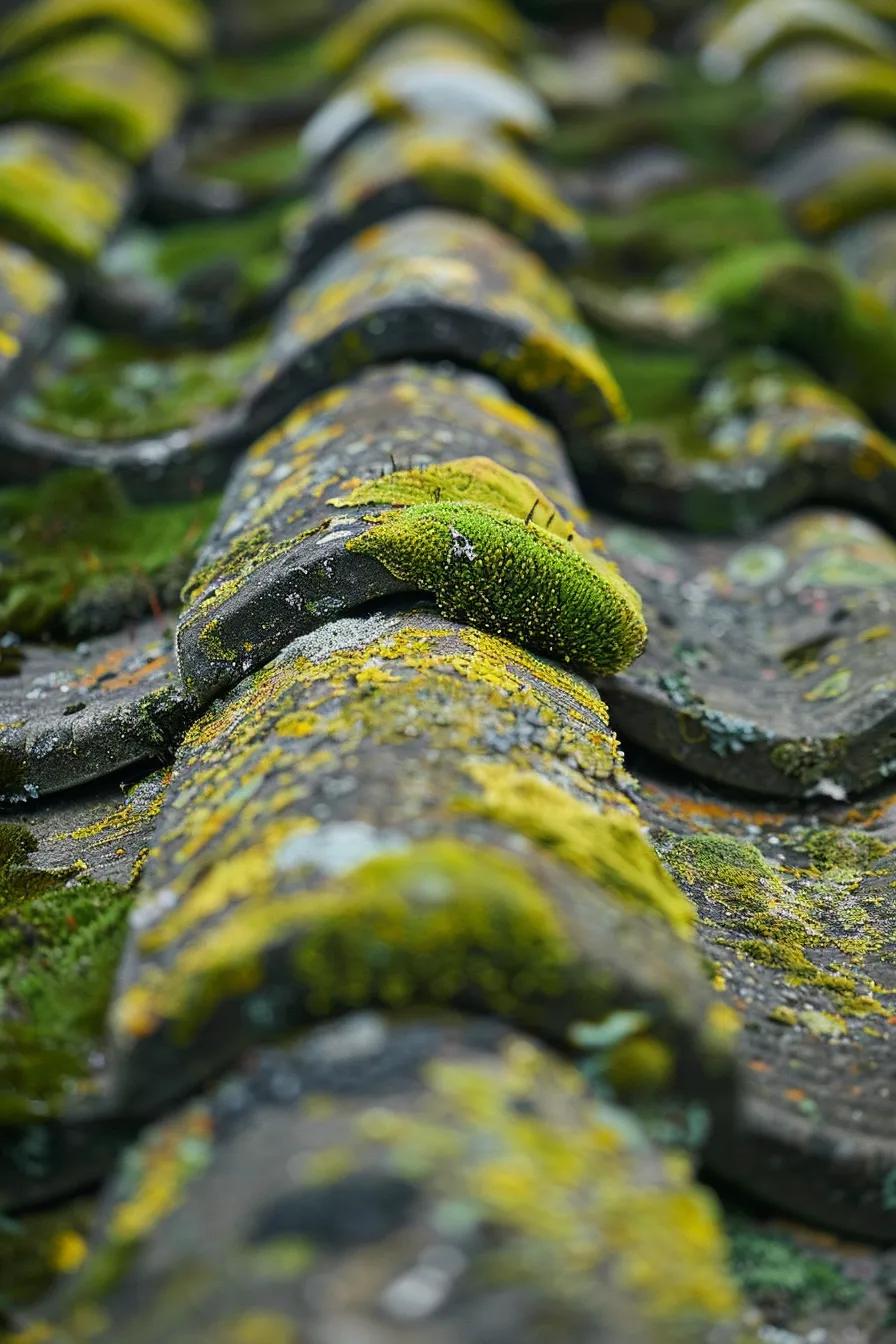
Knowing whether your roof has algae, moss, or lichen is the first step in choosing the right treatment—each shows differently and causes different problems. Algae usually appears as dark streaks and mainly affects appearance; moss grows in cushiony patches that trap moisture and lift shingles; lichen forms scaly, stubborn patches that signal long‑term damp conditions. Treatments range from a soft wash with the proper algaecide to careful manual removal for thick moss, combined with fixes like improving attic ventilation and trimming shade. The diagnostic table below helps you match what you see to recommended actions and urgency.
Use this quick diagnostic table to link visible symptoms with treatments and prevention steps.
These steps make it clear that prompt, proper treatment helps prevent bigger problems. Next we cover which cleaning agents and techniques work best while minimizing environmental impact.
What Are the Signs of Algae, Moss, and Lichen Growth on Roofs?
Spotting growth early helps you act before damage sets in. Algae shows as black or gray streaks caused by pigmented cyanobacteria that feed on shingle coatings. Moss appears as three‑dimensional, sponge‑like mats that hold moisture and can lift fasteners. Lichen looks like flat, scaly patches—green, gray, or orange—and usually means a slow, long‑standing infestation that needs longer contact time to remove. Check shaded valleys, north‑facing slopes, and areas under trees first. Regular photos and simple ground‑level inspections make it easy to track changes and plan cleaning.
Which Cleaning Agents and Techniques Effectively Remove Roof Contaminants?
Effective professional treatments use manufacturer‑approved oxidizers—commonly sodium hypochlorite blends—combined with surfactants or algaecides to break apart biofilms; biodegradable detergents are an option when landscapes are sensitive. Contact time matters: cleaners must sit long enough to neutralize organisms, which is why low‑pressure application that minimizes runoff works better than an immediate rinse. Runoff control—pre‑wetting plants, covering vulnerable areas, or using containment—reduces environmental impact. If you have sensitive landscaping or local rules, discuss eco‑friendly formulas and targeted application with a pro to balance results and stewardship.
With contaminants and treatments covered, the next section explains what homeowners can safely do and when to call in professionals.
What Are the Safe DIY Roof Cleaning Methods and Their Risks?
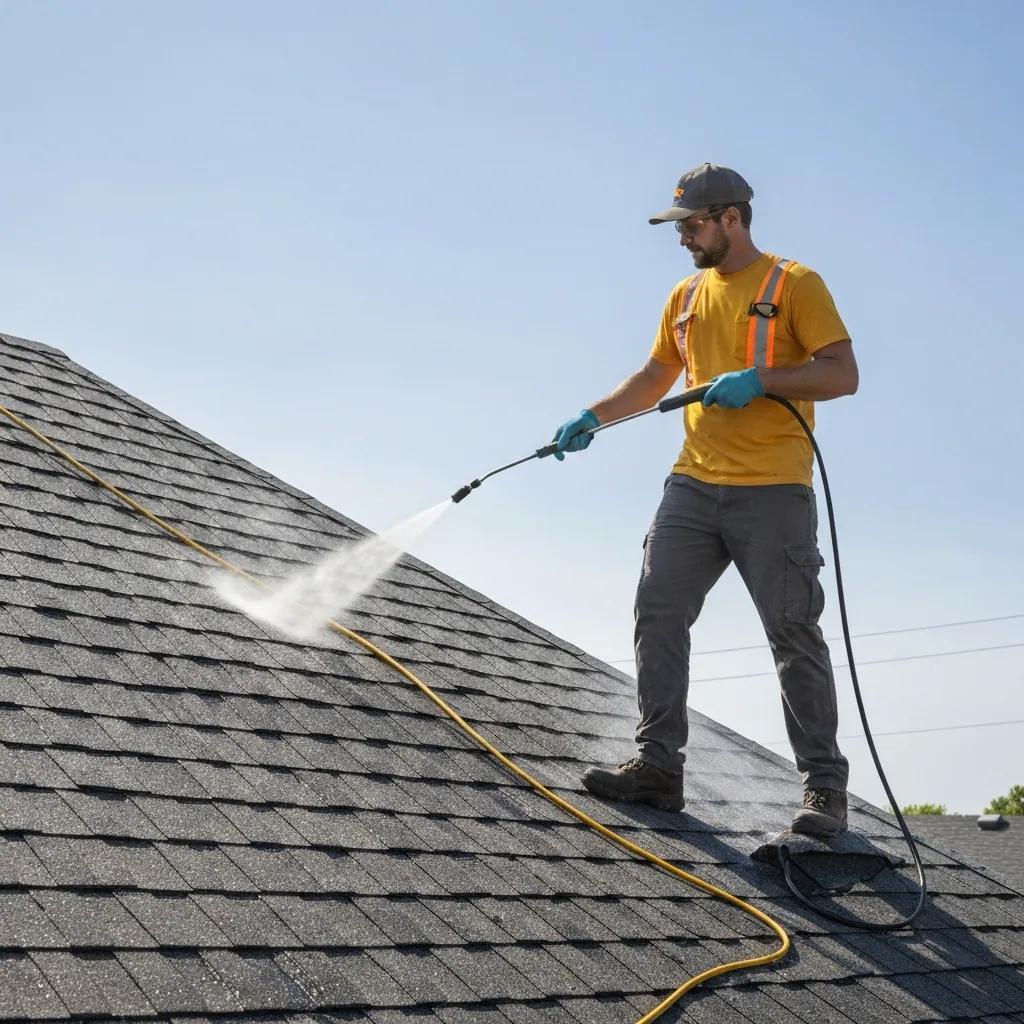
Some roof care tasks are safe for homeowners, but many DIY methods create risks to both people and roofs if done incorrectly. Safe homeowner jobs include applying manufacturer‑approved cleaners from ground level with a pump sprayer on low‑slope roofs, clearing gutters to reduce moisture, and trimming overhanging branches to improve sunlight. Using a pressure washer or harsh scraping tools can strip shingle granules, lift edges, and void warranties, leading to costly repairs. The table below helps you weigh DIY steps against hiring a pro based on roof pitch, contaminant severity, and safety.
The table summarizes common homeowner tools and techniques and the risks associated with each.
This quick guide highlights safe homeowner options and when it’s wiser to hire a professional. Next we list recommended DIY techniques and those to avoid, plus essential safety gear.
Which DIY Techniques Are Recommended and Which Should Be Avoided?
Recommended DIY work includes ground‑applied soft wash with a low‑pressure sprayer for small areas and routine maintenance like clearing gutters, removing debris, and trimming branches. Avoid using consumer pressure washers on asphalt shingles, aggressive scraping that damages roofing material, and walking on steep or wet surfaces. If your roof pitch is steep, biological growth is heavy, or skylights and flashings are involved, call a trained professional who uses fall protection and correct mixing equipment. Knowing these boundaries helps you avoid turning a cosmetic clean into an expensive repair.
What Safety Equipment and Precautions Should Homeowners Use When Cleaning Roofs?
Always use a stable ladder with locks, ladder stabilizers, and non‑slip footwear when doing light roof work. Wear chemical‑resistant gloves, eye protection, and long sleeves when handling cleaners; consider a respirator for concentrated solutions. Protect landscaping by pre‑wetting plants, covering vulnerable areas, and using runoff containment where possible. For work that’s out of your comfort zone, hire a professional with harnesses, rope systems, and training for steep or high roofs.
When Should You Hire Professional Roof Cleaning Services?
Call a professional when roof height, steep pitch, or the extent of biological growth creates safety or technical challenges beyond what you can handle. Professionals bring calibrated low‑pressure systems, manufacturer‑approved chemistries, and the know‑how to protect roofing materials while delivering long‑lasting results. Hiring pros can prevent premature shingle failure and help preserve warranty coverage that DIY pressure washing might void. When vetting a provider, ask for insurance proof, details on their soft‑wash methods and product approvals, and local references—this checklist helps you make a safe choice.
Use this short checklist when evaluating any roof cleaning company.
- Confirm the provider carries liability insurance and workers’ compensation.
- Ask which cleaning agents they use and whether those chemicals are manufacturer‑approved.
- Request a clear process description, including runoff management and surface protection.
- Ask for references or local project examples in similar neighborhoods.
This checklist helps you spot reputable providers and sets clear expectations for safety and quality. Below is what to look for in terms of licensing, insurance, and methods.
What to Look for in a Professional Roof Cleaner: Licensing, Insurance, and Methods
A reputable contractor will show proof of insurance, explain their methods clearly, and use manufacturer‑approved cleaning agents to avoid voiding warranties. Ask for documentation that their equipment is set to low pressure and that solutions are mixed to recommended concentrations with proper contact times. Make sure their process includes runoff mitigation and plant protection to protect landscaping and comply with local rules. Asking these questions up front reduces the risk of damage and sets expectations for a good outcome.
How White Diamond Pressure Washing’s Soft Wash System Benefits Citrus County Homeowners
White Diamond Pressure Washing serves homeowners, property managers, HOAs, and businesses throughout Citrus County, FL, and specializes in soft‑wash roof cleaning using low‑pressure systems and manufacturer‑endorsed cleaning agents. Our soft‑wash process focuses on effective chemistry and gentle application to remove algae, moss, lichen, dirt, and grime while minimizing shingle granule loss and water intrusion. Local homeowners benefit from a process tuned to Citrus County’s humid climate and common roof types, with runoff precautions and surface protection included. If you want a roof inspection or consultation to assess severity and timing, request a consultation with White Diamond Pressure Washing to review options for your property.
How Can Homeowners Maintain a Clean Roof and Prevent Future Contaminant Growth?
Preventive maintenance combines simple homeowner tasks with periodic professional cleanings to keep biological growth in check and extend roof life. Regular tasks include clearing gutters and valleys, trimming overhanging limbs to increase sunlight, and ensuring attic ventilation reduces condensation that fuels organisms. Pairing these DIY actions with scheduled professional soft‑wash treatments lowers the chance of heavy infestations and keeps curb appeal intact. The seasonal checklist below reflects Citrus County’s humid subtropical climate, where growth tends to be more aggressive.
Follow this seasonal maintenance checklist to slow growth and extend roof life.
- Spring inspection and gutter cleaning: Remove debris and check for early moss or algae signs.
- Summer ventilation and shading review: Trim branches and confirm attic airflow to reduce moisture.
- Fall pre‑storm check: Clear gutters and address minor roof issues before heavy rains.
- Annual or biennial soft‑wash treatment: Schedule professional cleaning based on growth and roof material.
This schedule blends routine homeowner care with professional services for a balanced maintenance plan. Next we cover recommended cleaning intervals for Citrus County.
What Regular Maintenance Practices Extend Roof Lifespan and Curb Appeal?
Simple seasonal maintenance—keeping gutters clear, removing leaf litter from valleys, and trimming trees—reduces moisture buildup and shade that encourage biological growth. Inspect flashings, vents, and skylights during these checks since localized moisture traps often start problems. Fix small repairs and maintain attic ventilation to prevent accelerated shingle aging from trapped heat and humidity. Combined with periodic professional soft‑wash treatments, these practices keep your roof looking good and performing well while avoiding costly repairs.
How Often Should Roof Cleaning Be Scheduled in Citrus County’s Climate?
In Citrus County’s humid climate, cleaning frequency depends on roof material, shade, and nearby vegetation. Asphalt shingles typically benefit from a professional soft‑wash every 2–4 years under moderate conditions; heavily shaded homes or those under dense tree cover may need annual inspections and more frequent treatments. Tile and metal roofs often need less frequent attention if kept free of debris, while cedar may need gentler, more regular care. Use spring and fall inspections to watch growth and schedule a professional soft wash when streaks or moss reappear. Combining homeowner vigilance with scheduled professional cleanings delivers the best balance of cost, appearance, and roof life in this area.
What Are the Most Common Roof Cleaning Questions Answered?
This FAQ section gives short, practical answers to common homeowner concerns about roof cleaning. We keep answers direct so you can quickly understand safety around pressure washing, the typical chemicals professionals use, and next steps for scheduling inspections or consultations. After the FAQ we explain how to request a local soft‑wash inspection or consultation.
Below are concise answers to two priority homeowner questions that often help with decision‑making.
Is It Safe to Pressure Wash My Roof?
No—using a pressure washer on most residential roofs is unsafe. High pressure can strip protective shingle granules, push water under flashing and shingles, and shorten roof life. In rare cases, certain metal roofs can be cleaned with controlled pressure by experienced technicians, but for asphalt shingles and most common materials, soft washing is the preferred method. If you’re unsure about your roof, schedule a professional inspection to evaluate pitch, material, and contaminant severity.
What Chemicals Are Used in Professional Roof Cleaning?
Pros commonly use oxidizing agents—often sodium hypochlorite blends—combined with surfactants and algaecides to break down organisms and biofilms; biodegradable detergents and neutralizers are used where landscape sensitivity or local rules require gentler options. Proper use means following manufacturer dilution instructions, allowing sufficient contact time, and managing runoff by pre‑wetting plants or using containment. Professionals emphasize manufacturer‑approved formulas to protect warranties and get reliable results while minimizing environmental impact. If you have sensitive plants or local restrictions, talk with a qualified provider about alternative formulas and protective steps.
If you’re ready to act, consider scheduling an inspection or consultation to assess your roof and recommended cleaning frequency.
For a Citrus County inspection or consultation, contact White Diamond Pressure Washing, a local exterior cleaning company that offers a soft‑wash roof cleaning service using low‑pressure techniques and manufacturer‑endorsed cleaning agents. Our process removes algae, moss, lichen, dirt, and grime while protecting roofing materials and managing runoff and plant protection. Requesting a consultation gives you a thorough assessment and clear timing and treatment recommendations tailored to your roof’s material and exposure. A professional review helps you prioritize safety, protect warranties, and plan maintenance that extends roof life.
Frequently Asked Questions
1. How often should I inspect my roof for contaminants?
Inspect your roof at least twice a year—spring and fall are best. That schedule helps you spot algae, moss, or lichen before they become bigger problems. Also check after severe weather to catch damage or debris. Regular inspections make timely fixes easier and prolong roof life.
2. Can I use household cleaners for roof cleaning?
We don’t recommend household cleaners on roofs. Many are too harsh for roofing materials and can harm plants. Use manufacturer‑approved roof cleaners formulated to remove biological growth without damaging shingles or landscaping. Always follow product instructions for safe, effective use.
3. What should I do if I notice extensive moss growth on my roof?
If moss is widespread, get a professional assessment. Moss traps moisture and can damage shingles and underlayment. A pro can safely remove heavy moss with soft‑wash methods that minimize roof wear and suggest preventive fixes to reduce future growth.
4. Are there eco-friendly options for roof cleaning?
Yes. Many providers offer biodegradable cleaning agents that are gentler on the environment and landscaping. If you’re concerned about plants or local regulations, ask the provider about eco‑friendly options and protective measures they use on site.
5. How can I prevent future roof contamination?
Prevent contamination by keeping gutters and valleys clear, trimming overhanging branches to allow sunlight, and maintaining proper attic ventilation to reduce humidity. Regular inspections and timely professional cleanings also help keep growth under control and extend roof life.
6. What are the risks of DIY roof cleaning?
DIY roof cleaning can be risky: falls, damaged shingles, and voided warranties are common problems when homeowners use pressure washers or improper techniques. If you’re unsure, hire a professional who has the right equipment and training to do the job safely and correctly.
7. How do I choose a reputable roof cleaning service?
Look for companies with proper licensing and insurance. Ask about their cleaning methods—do they use manufacturer‑approved solutions and low‑pressure techniques? Request local references or photos of past work. A reputable company will be transparent about their process and prioritize safety and customer satisfaction.
Conclusion
Soft‑wash roof cleaning protects your roof and improves curb appeal when done correctly. By understanding the benefits of professional soft washing and keeping up with routine maintenance, homeowners can control biological growth and protect their investment. For a tailored plan and expert advice, schedule a consultation with a trusted local provider. Take the first step toward a cleaner, longer‑lasting roof today.
6 thoughts on “Effective Roof Cleaning Techniques for Homeowners”