

Key Factors to Consider When Choosing Pressure Washing vs. Traditional Cleaning for Your Home
Choosing between pressure washing, soft washing, and traditional cleaning is a decision every homeowner faces when exterior surfaces look worn, stained, or biologically colonized. This guide explains the mechanisms behind each approach, the surface- and contaminant-specific recommendations that determine which method is safest and most effective, and the cost and environmental trade-offs that influence a practical decision. You will learn how PSI and nozzle selection affect outcomes, why soft washing often outperforms high pressure on roofs and painted siding, and when hand or traditional cleaning remains the right choice for detail work. The article maps method definitions, surface compatibility, benefits and risks, eco-friendly practices, and scenario-based decision rules to help you select the right approach for vinyl, wood, concrete, stucco, and roof shingles. Throughout, we use current research perspectives and practical examples so you can avoid common damage scenarios and choose a solution that balances efficacy, cost, and environmental responsibility.
What Are the Main Differences Between Pressure Washing, Soft Washing, and Traditional Cleaning?
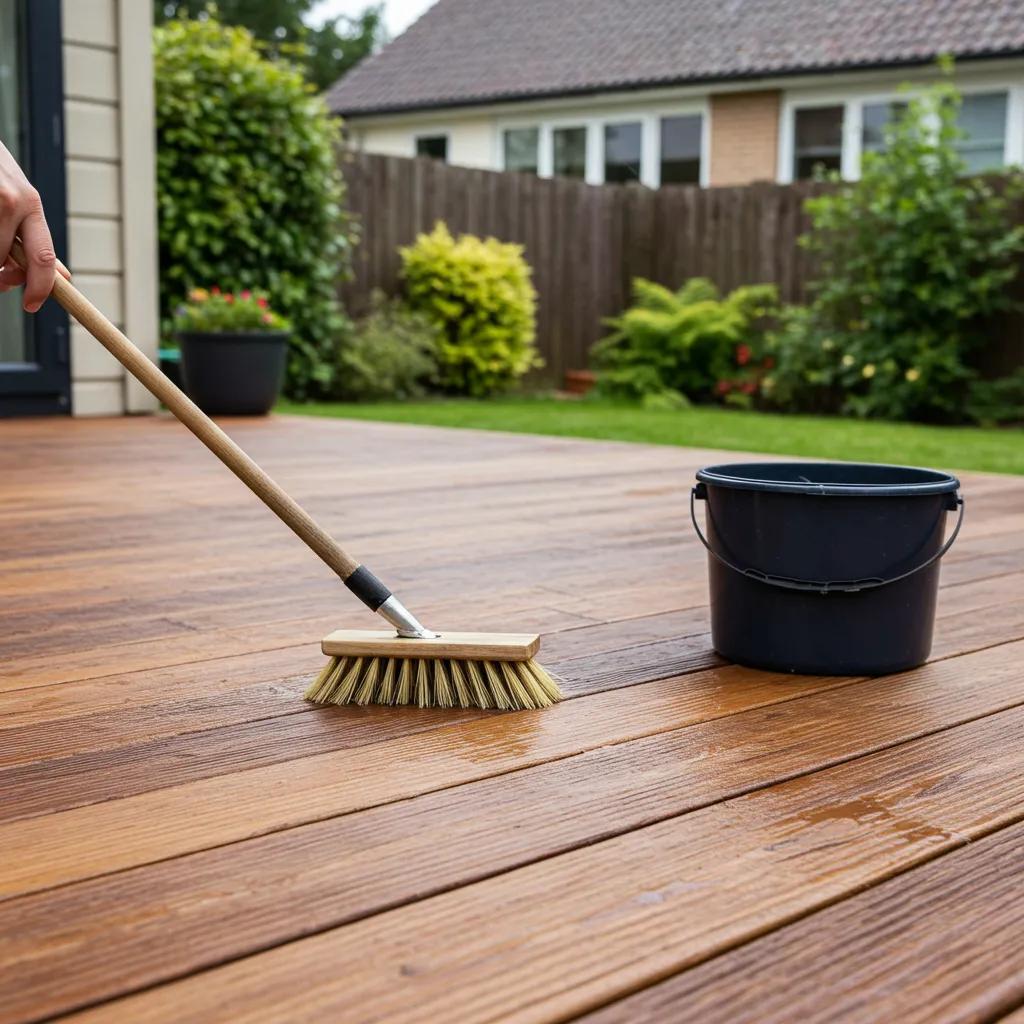
Pressure washing, soft washing, and traditional cleaning are distinct approaches to exterior house cleaning that differ by mechanism, typical pressure ranges, and target problems. Pressure washing uses high-pressure water streams—typically measured in PSI—and mechanical force to remove ingrained grime, oil, and rust from hard surfaces; it is most effective on concrete and masonry but risks damage to delicate materials. Soft washing relies on low-pressure application combined with detergent chemistry and dwell time to kill and remove organic growth like algae, mold, and mildew; it is the preferred method for roofs, painted wood, and delicate siding. Traditional cleaning covers manual scrubbing, brushes, and spot treatments best for small-detail tasks, crevices, and situations where mechanical force or chemicals would be inappropriate. Understanding these differences helps homeowners match method to surface and contaminant, reducing the chance of damage and maximizing longevity of finishes.
How Does Pressure Washing Work and What Surfaces Is It Best For?
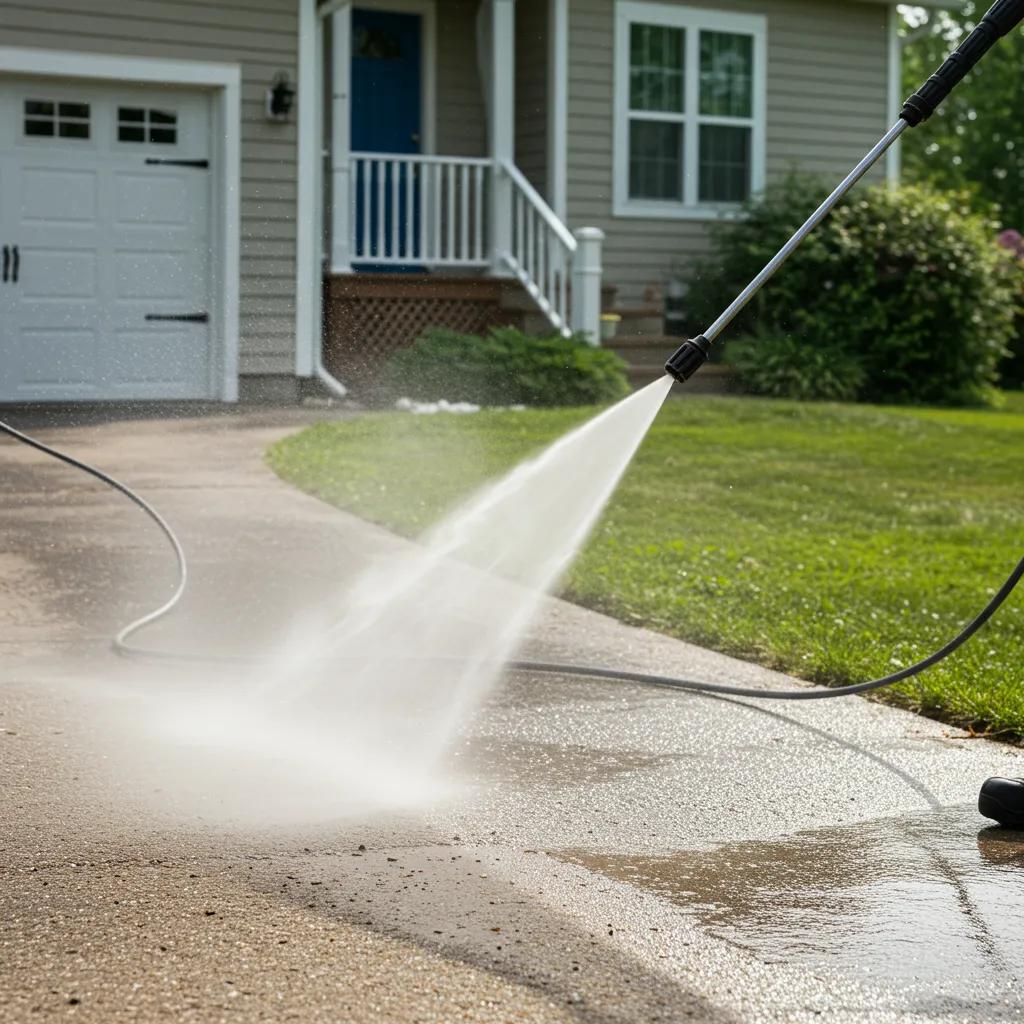
Pressure washing delivers water at high pressure to dislodge dirt and stains through kinetic energy, with PSI and nozzle selection controlling the cleaning intensity. Typical flow and pressure settings vary by surface: concrete and paver joints tolerate high PSI and rotary nozzles, while siding and softer stone require lower PSI and wider-angle tips to avoid etching. The method excels at removing oil stains, concrete efflorescence, and heavy dirt from driveways, garage aprons, and exterior hardscapes, producing rapid, visible results when used correctly. However, improper pressure, wrong nozzle, or proximity to vulnerable seams can drive water behind siding, damage mortar joints, or strip paint; these risks make careful setup and testing on an inconspicuous area critical. Knowing which surfaces can safely withstand high-pressure cleaning prevents costly repairs and preserves material integrity.
What Is Soft Washing and When Should It Be Used on Home Exteriors?
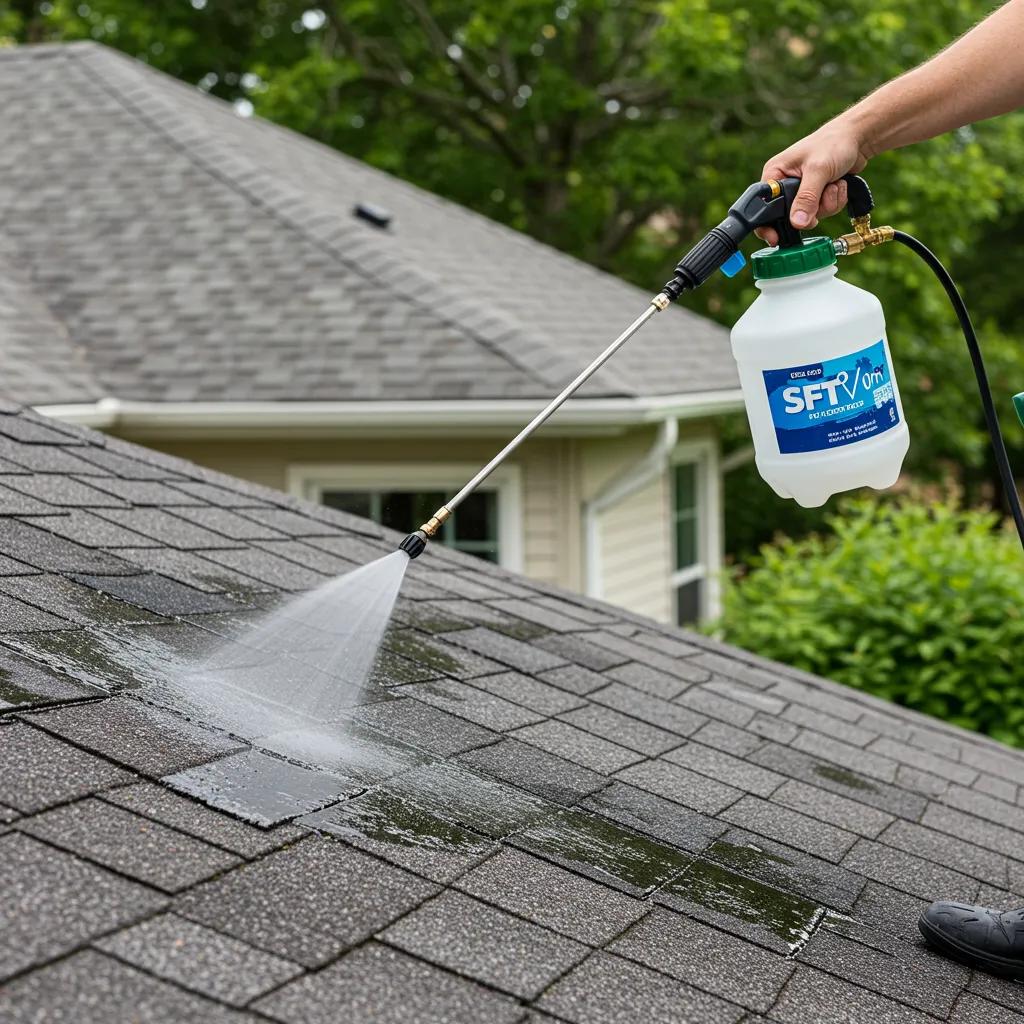
Soft washing combines low-pressure application with formulated detergents and biocidal agents that break down organic growth and kill root structures, producing longer-lasting removal than pressure alone. The science relies on dwell time: cleaning solutions are applied, allowed to act and loosen biological bonds, then rinsed gently with low pressure to avoid mechanical damage while removing residues. Soft washing is ideal for asphalt shingle roofs, painted wood, older siding, and delicate architectural features where high PSI would remove granules, strip paint, or force water into seams. Environmental and safety considerations focus on using biodegradable formulations and containment practices to minimize runoff and plant impact; when performed properly, soft washing protects materials while addressing root causes of regrowth rather than temporarily blasting surface stains away.
How Do Surface Materials Affect the Choice Between Pressure Washing and Traditional Cleaning?
Surface material is the single most important determinant when choosing a cleaning method because material composition, age, and finish dictate allowable pressure and chemical tolerance. Matching method to material minimizes risk: hard, nonporous surfaces typically accept higher pressure and more aggressive detergents, while softer or aged materials need low-pressure, chemistry-first approaches or manual cleaning. Consider frequency and cost implications too—durable materials may withstand occasional aggressive cleaning, but repeated high-pressure treatments can accelerate weathering. Below is a practical table mapping common exterior materials to recommended methods, safe PSI guidance, and cautions to help you choose the right approach for each surface type.
The following table summarizes safe choices and expected maintenance cadence for typical home exteriors.
Which Cleaning Methods Are Safe for Vinyl, Wood, Brick, Stucco, and Roof Shingles?
Each common exterior material has particular vulnerabilities that determine whether pressure, soft wash, or manual cleaning is appropriate; safety depends on pressure, nozzle, and chemical selection. Vinyl siding tolerates gentle pressure but is best cleaned with soft wash to prevent panel flexing and water intrusion; painted wood and older timbers benefit from soft washing to avoid fiber raising and paint removal. Brick and stucco can handle moderate pressure, but aged mortar joints or thin stucco coatings require conservative PSI and trained technique to avoid erosion. Asphalt shingle roofs should never be pressure-washed—soft wash biocides that remove algae without dislodging granules are the safe choice. Testing on a small section and respecting manufacturer recommendations prevents surface damage and preserves warranties.
How Does Each Method Handle Common Contaminants Like Mold, Mildew, and Algae?
Contaminant type determines whether mechanical force or chemical action is more effective: oil and rust stains respond well to pressure washing combined with targeted cleaners, while organic growth such as mold, mildew, and algae requires biocidal chemistry to kill root structures and prevent quick regrowth. Soft washing uses surfactants and oxidation or bactericidal agents with dwell time to achieve long-term efficacy on roofs and siding, delivering a more durable result than physical removal alone. Traditional/manual cleaning is useful for spot treatments, delicate trim, and detailed areas where both pressure and chemicals would be unsuitable. Follow-up preventive measures—proper ventilation, trimming vegetation, and periodic applications—reduce recurrence and extend time between professional services.
What Are the Benefits and Risks of Pressure Washing Compared to Traditional Cleaning?
Evaluating benefits and risks clarifies the trade-offs between speed, effectiveness, and potential for damage, enabling homeowners to make cost-effective choices aligned with their properties. Pressure washing delivers fast, visible results on large hardscapes and heavily soiled areas, improving curb appeal and removing stubborn stains; the method reduces labor time for bulky jobs and can prepare surfaces for sealing or repainting. Risks include surface etching, water intrusion into assemblies, and dislodging protective coatings or roof granules when misapplied; safety hazards for DIYers include improper ladder use and exposure to high-pressure water streams. Traditional cleaning methods are lower risk for delicate features and allow precise spot work, but they are labor-intensive and less effective for heavy grime. The table below compares the methods as entities with benefits and practical examples to support decision-making.
What Are the Advantages of Pressure Washing for Homeowners?
Pressure washing offers measurable homeowner benefits that translate into maintenance savings and enhanced property appearance when applied appropriately. Key advantages include rapid cleaning of large areas such as driveways, patios, and exterior walkways, restoration of textured concrete surfaces, and improved curb appeal that can support property value preservation prior to selling or listing. The method also facilitates surface preparation for sealing, painting, or refinishing, reducing labor for subsequent trades and improving adhesion of coatings. Time efficiency and the capacity to remove embedded dirt are the primary draws for homeowners confronted with extensive hardscape cleaning tasks. Understanding these advantages helps property owners decide when mechanical force is the correct tool for the job.
What Potential Damage and Safety Concerns Should Be Considered?
High-pressure equipment and chemical agents introduce several safety and damage risks that must be mitigated to protect people and property during exterior cleaning. Surface damage scenarios include gouging soft wood, stripping paint, dislodging roofing granules, and forcing water into wall cavities or electrical enclosures; these issues lead to costly repairs if overlooked. Chemical runoff and handling require containment, correct dilution, and PPE to prevent plant damage and personal injury, while ladder work and power equipment increase fall and mechanical hazards for DIYers. The recommended mitigation steps are testing pressure on inconspicuous areas, using appropriate nozzles and PSI settings, employing soft-wash chemistry for vulnerable materials, and calling trained professionals when risk is elevated. When uncertainty exists, professional assessment prevents avoidable damage and ensures regulatory and environmental safeguards are followed.
How Do Environmental Impact and Cost Influence the Choice of Exterior Cleaning Methods?
Environmental footprint and cost considerations often sway the decision between DIY traditional cleaning, rental pressure equipment, and hiring a professional who employs low-pressure soft-wash systems and eco-conscious detergents. Water use varies by equipment and technique: high-flow pressure washers consume more water per minute than low-pressure soft-wash rigs that rely on chemical action, but containment and efficient nozzle selection reduce overall consumption. Detergent biodegradability and runoff control are critical near landscaping and storm drains; choosing biodegradable formulations and containment measures protects local ecosystems. Below is an EAV-style table comparing environmental impact, water use, and recommended mitigation practices across methods to help homeowners prioritize sustainability alongside effectiveness.
This table compares environmental footprint and mitigation strategies for each cleaning method.
What Are the Eco-Friendly Practices in Pressure Washing and Soft Washing?
Eco-friendly practices center on detergent selection, containment, and water-efficient application techniques that reduce runoff and protect local flora and waterways. Biodegradable detergents with documented biodegradation rates and proper dilution minimize persistent chemical residues; containment—such as berming and responsible rinsing—prevents untreated runoff from entering storm drains. Water-efficient equipment and lower-flow nozzles reduce total usage, and soft-wash systems emphasize chemistry and dwell time to limit mechanical water demand. Some local providers adopt recovery and reuse techniques or use plant-safe formulas, illustrating how combining smart chemistry with containment practices reduces environmental impact while delivering effective cleaning results.
How Do Costs Compare Between Professional Pressure Washing and Traditional DIY Cleaning?
Comparing costs requires accounting for equipment, materials, labor time, and potential repair expenses that result from incorrect methods; a simple rental vs. hire calculation misses hidden risks. DIY pressure washing may seem cheaper up front if you rent equipment, but the learning curve, time investment, and risk of damage to siding, roofing, or mortar often produce higher long-term costs. Professional services bundle equipment, trained operators, tailored detergents, and containment practices that reduce the risk of damage and usually include guarantees for workmanship, which can translate into lifecycle savings for high-value surfaces. When evaluating quotes, include the cost of preparatory testing, protective measures, and potential post-cleaning treatments that prevent rapid regrowth or material degradation.
When Is It Best to Choose Pressure Washing, Soft Washing, or Traditional Cleaning for Your Home?
Decision-making hinges on surface type, contaminant, proximity to vulnerable landscaping or storm infrastructure, and homeowner tolerance for risk and downtime. Use a decision checklist: if the surface is hard and nonporous with inorganic stains, pressure washing is often ideal; if the issue is organic growth on roofs or delicate siding, soft washing is usually the safer, longer-lasting choice; if the task is detail-oriented or involves fragile trim, traditional hand cleaning is preferable. Below is a short, actionable checklist to guide homeowners through the decision process and scenarios demonstrating typical choices, followed by a brief note on when professional help is warranted.
Use this checklist to choose the right cleaning method for common scenarios.
- Assess Surface Durability: Choose soft wash for delicate or aged materials and pressure wash for durable hardscapes.
- Identify Contaminant Type: Use soft wash for biological growth and pressure wash for oil, rust, and heavy inorganic stains.
- Evaluate Risk and Access: Prefer professionals for high or complex roofs, fragile facades, or when containment is required.
In What Situations Is Pressure Washing the Ideal Cleaning Method?
Pressure washing typically wins for large, durable surfaces with stubborn, inorganic staining or where mechanical abrasion is needed to prepare for sealing or resurfacing. Typical scenarios include concrete driveways with oil stains, paver patios with embedded dirt, and exterior stone walkways that require grout and joint cleaning; these surfaces tolerate higher PSI and respond well to direct mechanical force. Time efficiency is another advantage: large square footage jobs that would take hours by hand can be completed quickly with pressure equipment, making it cost-effective for wide-area restoration. However, caution is required around adjacent plantings, window seals, and porous masonry that can be damaged by excessive pressure, so technique choice and operator skill remain essential.
When Should Soft Washing or Traditional Cleaning Be Preferred?
Soft washing is preferred when the problem is biological—algae, moss, mold, or mildew—or when surfaces are fragile, painted, or aged, such as asphalt shingle roofs or older wood siding. Traditional manual cleaning is the right choice for detail work, small stains, or areas where chemistry and pressure are both inappropriate, such as delicate trim, interior-like alcoves, or decorative moldings. Combining methods often yields the best long-term results: soft wash to remove biological sources and follow-up manual spot-cleaning for stubborn paint stains or grout. Prioritizing material preservation and long-term prevention over quick surface blasting avoids repeated treatments and extends the lifespan of finishes.
After discussing decision scenarios and risks, homeowners who prefer professional assessment can leverage local expertise to make safer choices. White Diamond Pressure Washing provides guidance on when homeowners should hire a professional versus attempting a DIY approach; their services include soft-wash roof cleaning, low-pressure house washing, pool cage cleaning, and driveway and walkway cleaning as examples of recommended professional options for higher-risk or hard-to-reach jobs. Generate leads and bookings for pressure washing and exterior cleaning services by providing comprehensive information and easy scheduling. Consulting professionals for complex roofs, older siding, or extensive landscaping reduces the chance of damage and aligns cleaning with long-term maintenance plans.
Why Choose White Diamond Pressure Washing for Your Exterior Cleaning Needs in Citrus County, FL?
White Diamond Pressure Washing positions itself as a local lead generation and information hub focused on delivering safe, effective exterior cleaning with an emphasis on soft-wash and low-pressure techniques. Their service list includes soft-wash roof cleaning, low-pressure house washing, pool cage cleaning, and driveway and walkway cleaning, reflecting a full-suite approach to exterior maintenance that prioritizes material preservation. The company highlights UVPs such as expertise in low-pressure and soft-wash techniques, use of industry-approved and eco-friendly solutions, comprehensive exterior cleaning services, and a customer experience centered on professionalism and easy scheduling. Generate leads and bookings for pressure washing and exterior cleaning services by providing comprehensive information and easy scheduling, and homeowners in Citrus County, FL, can request quotes and schedule services directly to simplify the decision and execution process.
The short list below summarizes the primary reasons local homeowners choose a trained provider over DIY when risk, scale, or environmental controls are a concern.
- Expertise in soft-wash and low-pressure techniques that protect roofing and painted surfaces.
- Use of biodegradable and industry-approved detergents combined with containment practices.
- Full-service offerings across roofs, siding, pool cages, and hardscapes to reduce vendor coordination.
How Does Our Expertise in Soft Washing and Low-Pressure Techniques Protect Your Home?
White Diamond Pressure Washing emphasizes technician training, calibrated equipment, and conservative pressure settings to protect fragile materials while achieving thorough cleaning results. Trained operators use soft-wash application systems that meter chemical dilution and dwell time, ensuring biocidal action without mechanical abrasion; this preserves roofing granules, paint adhesion, and wood fibers. Protective measures during service include masking or rinsing adjacent plants, testing on small areas to confirm settings, and adjusting technique based on substrate age and condition. These steps reduce the chance of water intrusion, finish stripping, and joint erosion, delivering safer cleaning outcomes and preserving the long-term integrity of exterior assemblies.
What Eco-Friendly Solutions and Customer Satisfaction Can You Expect?
Environmentally responsible practices are core to modern exterior cleaning—White Diamond highlights biodegradable cleaning solutions and water-conscious application practices as examples of best practices for Citrus County properties. Containment and runoff control reduce chemical impact on landscaping and drainage, while proper dilution and dwell time minimize chemical volumes needed for effective treatment. The company also emphasizes easy scheduling and instant quotes to streamline customer experience and supports satisfaction through clear communication about expected outcomes and follow-up maintenance recommendations. Generate leads and bookings for pressure washing and exterior cleaning services by providing comprehensive information and easy scheduling, which helps homeowners move from decision to service with confidence.
For direct assistance and to request a quote or schedule service, homeowners in Citrus County can contact White Diamond Pressure Washing by phone at (352) 364-1372 to discuss options tailored to their surfaces and concerns. This local contact ensures quick clarification of method suitability, expected costs, and environmental safeguards before any work begins.
Generate leads and bookings for pressure washing and exterior cleaning services by providing comprehensive information and easy scheduling.
TASK:
- Fact-check every claim including dates, events, named entities, statistics, prices, measurements, and other verifiable data
- Search for sources in the same language as the content when possible
- Identify any hallucinations, errors, or factually incorrect, outdated, or exaggerated information
- Consider regional variations and cultural context for the content language
- Preserve all quotes and citation sections exactly as written unless a factual correction is necessary
OUTPUT REQUIREMENTS:
- Return ONLY the complete, corrected Markdown content in the original language
- Make minimal, precise corrections to factually incorrect information only
- Preserve ALL original Markdown structure, formatting, headers, lists, links, and inline HTML tags (e.g., <blockquote>, <p>, <em>, <h4>) exactly as provided
- Keep all correct content unchanged, including language-specific formatting
- Do NOT provide explanations, summaries, or lists of changes made
- Do NOT add bracketed source markers or numerical citation links
- Do NOT replace the Markdown with descriptive text about what was changed
- Maintain the original language and writing style of the content
- Ensure output remains valid Markdown syntax
Frequently Asked Questions
What is the best method for cleaning delicate surfaces like painted wood or asphalt shingles?
For delicate surfaces such as painted wood or asphalt shingles, soft washing is the recommended method. This technique uses low-pressure water combined with specially formulated detergents to effectively remove organic growth like algae and mold without damaging the surface. High-pressure washing can strip paint or dislodge granules from shingles, leading to costly repairs. Soft washing not only cleans but also helps prevent regrowth by targeting the root structures of the contaminants, making it a safer and more effective choice for fragile materials.
How often should I clean my home’s exterior surfaces?
The frequency of cleaning your home’s exterior surfaces depends on several factors, including the material type, local climate, and exposure to contaminants. Generally, hard surfaces like concrete driveways may require cleaning every 1-2 years, while softer materials like wood siding or roofs may benefit from annual soft washing to prevent mold and algae buildup. Regular maintenance can help preserve the integrity of your surfaces and enhance curb appeal. It’s advisable to assess your home’s condition and consult with professionals for tailored recommendations.
Can I use pressure washing for all types of surfaces?
No, pressure washing is not suitable for all types of surfaces. While it is effective for hard, non-porous materials like concrete and brick, it can cause damage to softer or more delicate surfaces such as vinyl siding, wood, and asphalt shingles. High pressure can lead to etching, water intrusion, and surface degradation. It’s essential to match the cleaning method to the surface material to avoid costly repairs and ensure effective cleaning. Always consult guidelines or professionals for the best approach.
What are the environmental impacts of pressure washing and soft washing?
Pressure washing typically uses more water and may involve harsh chemicals that can harm local ecosystems if not managed properly. In contrast, soft washing employs biodegradable detergents and lower water volumes, making it a more environmentally friendly option. Proper containment practices during both methods can minimize runoff and protect plants and waterways. Homeowners should consider the environmental impact of their cleaning choices and opt for methods that prioritize sustainability while effectively addressing cleaning needs.
Are there any safety precautions I should take when pressure washing?
Yes, safety precautions are crucial when pressure washing. Always wear appropriate personal protective equipment (PPE), including goggles, gloves, and non-slip footwear. Ensure that the area is clear of people and pets, and be cautious of electrical outlets and fixtures. Use the correct pressure settings and nozzles for the surface being cleaned to prevent damage. If using a ladder, ensure it is stable and positioned correctly. If unsure about the process, consider hiring a professional to mitigate risks.
What should I do if I notice damage after cleaning?
If you notice damage after cleaning, such as peeling paint, gouged surfaces, or water intrusion, it’s important to address it promptly. Assess the extent of the damage and determine whether it can be repaired with touch-up paint or if more extensive repairs are needed. For significant issues, consult a professional contractor to evaluate the damage and recommend appropriate repairs. Additionally, review your cleaning methods to prevent similar issues in the future, ensuring that the right techniques are used for each surface type.
How can I choose a professional cleaning service?
When selecting a professional cleaning service, consider their experience, customer reviews, and the methods they use. Look for companies that specialize in soft washing and low-pressure techniques, as these are safer for delicate surfaces. Ask for quotes and ensure they include details about the cleaning process, equipment, and any eco-friendly practices they follow. It’s also beneficial to check if they offer guarantees for their work, which can provide peace of mind regarding the quality of service you will receive.
Conclusion
Choosing the right cleaning method for your home can significantly enhance its appearance and longevity while ensuring safety and environmental responsibility. Understanding the benefits of pressure washing, soft washing, and traditional cleaning empowers homeowners to make informed decisions tailored to their specific needs. For optimal results, consider consulting with professionals who can provide expert guidance and service. Explore our services today to find the best cleaning solution for your home.
4 thoughts on “Pressure Washing vs. Traditional Cleaning: What to Consider”