

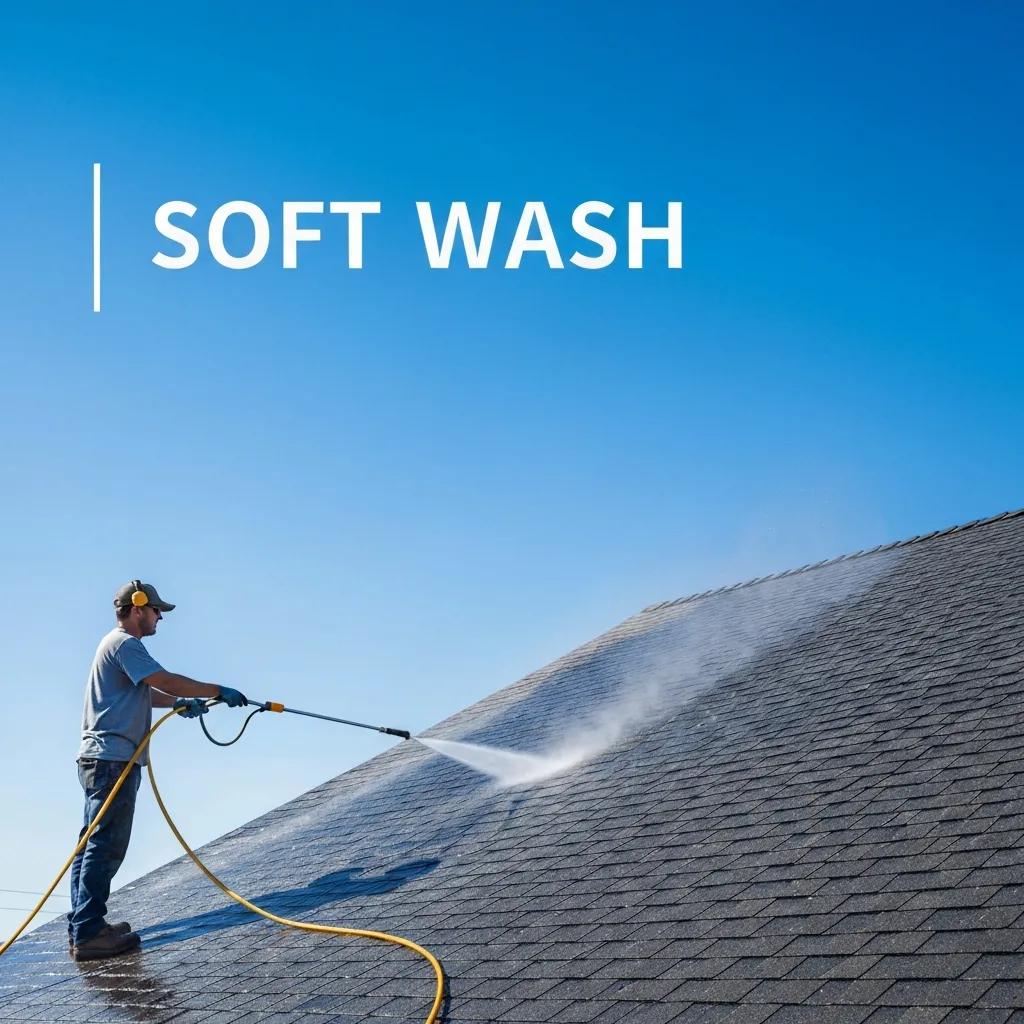
Why Soft Wash Roof Cleaning Is Better Than Traditional High‑Pressure Methods
Soft wash roof cleaning uses low pressure and carefully selected cleaning solutions to remove algae, moss, lichens, and surface staining while protecting shingle integrity and overall roof performance. Here you’ll find how soft wash works, why many shingle manufacturers prefer it over high‑pressure cleaning, and how it stacks up against pressure washing for safety, effectiveness, and long‑term cost. If you’re seeing black streaks, moss, or lichen that hurt curb appeal and can shorten roof life, this guide explains the science behind soft wash, practical maintenance steps to extend your roof’s service life, and how to choose a qualified provider. We cover the key benefits, a side‑by‑side comparison with pressure washing, manufacturer recommendations, local availability in Citrus County, FL, expected appearance and maintenance results, and environmental and cost considerations. You’ll also find checklists and clear next steps for scheduling inspections or getting a quote.
What Are the Key Benefits of Soft Wash Roof Cleaning?
Soft wash is a controlled, low‑pressure spray paired with biodegradable cleaners that target algae, moss, and lichens without grinding or scraping shingle surfaces. The cleaning agents act as biocides, breaking down the organisms’ root structures so they can be rinsed away gently instead of blasted off with force. That approach cleans roofs while protecting protective granules and sealants. The main benefits are lower risk of physical damage, longer‑lasting removal of biological growth, better alignment with manufacturer guidance, and improved curb appeal that helps preserve property value. For asphalt shingles and most common roof coverings, soft wash reduces the chance of warranty problems.
Soft wash gives predictable results on organic stains and avoids many of the failure modes caused by aggressive pressure cleaning. Knowing those differences leads directly into a practical comparison of soft wash versus pressure washing and the factors owners and managers should weigh.
Soft wash delivers both immediate cosmetic improvements and longer‑term maintenance advantages:
- Preserves shingle integrity: Low pressure reduces granule loss and protects sealant strips.
- Kills biological growth at the root: Biocide treatments remove and inhibit algae, moss, and lichens.
- Aligns with manufacturer guidance: Less chance of voiding warranties by avoiding mechanical abrasion.
- Reduces long‑term repair costs: Prevents accelerated wear that can force early replacement.
These benefits support proactive roof care that lowers lifecycle costs and keeps materials performing as designed. Next, we’ll contrast soft wash directly with pressure washing, including pressures, risks, and recommended use cases.
If you’d rather have a pro handle it, local soft wash providers can inspect your roof and give a written quote that turns these benefits into a service plan. A professional inspection can confirm manufacturer‑compatible methods, outline runoff mitigation, and recommend maintenance intervals based on your roof’s exposure and materials.
How Does Soft Washing Protect Roof Shingles?
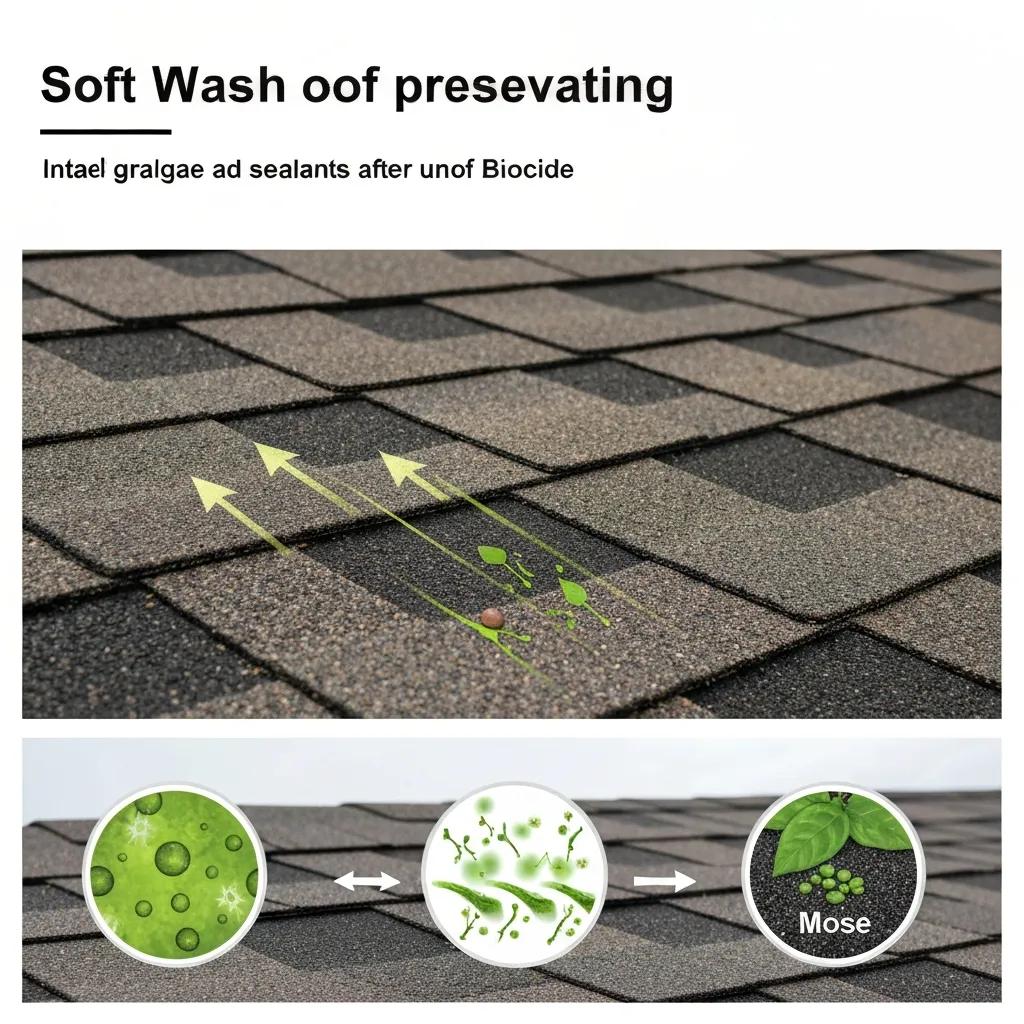
Soft washing protects shingles by combining targeted biocides with low pressure so living organisms are removed without scraping off protective granules. The cleaning solution attacks the algae, moss, and lichen holdfasts that cling to shingles, reducing regrowth more effectively than rinsing alone. Because pressure is kept low, granules and sealant strips stay in place, preserving the weatherproof layer that protects the decking below. That protection lowers the chance of accelerated deterioration that can lead to leaks or patch repairs.
Using a chemical approach also reduces mechanical stress on fasteners and flashings, which are often damaged when high‑pressure methods force water under shingles or lift edges. Maintaining these components supports warranty compliance and cuts the risk of secondary problems.
Why Is Soft Wash Safer for Roof Longevity Compared to Pressure Washing?
Soft wash helps roofs last longer because it kills organisms chemically rather than relying on brute force, so there’s less abrasive loss of granules and a lower chance of forcing water under roofing layers. Pressure washing uses high PSI to blast away growth, but that energy can strip granules and lift shingle edges, creating pathways for moisture and accelerating aging—actions that can void manufacturer warranties. Soft wash preserves the shingle surface and seals while addressing the root cause of staining and deterioration, which translates into fewer repairs and a longer service life.
Making soft wash part of a regular maintenance schedule reduces cumulative wear from repeated aggressive cleanings and, when documented, can support warranty claims. That’s why many roofers and manufacturers recommend soft wash for asphalt shingles and other sensitive materials.
How Does Soft Wash Roof Cleaning Compare to Pressure Washing?
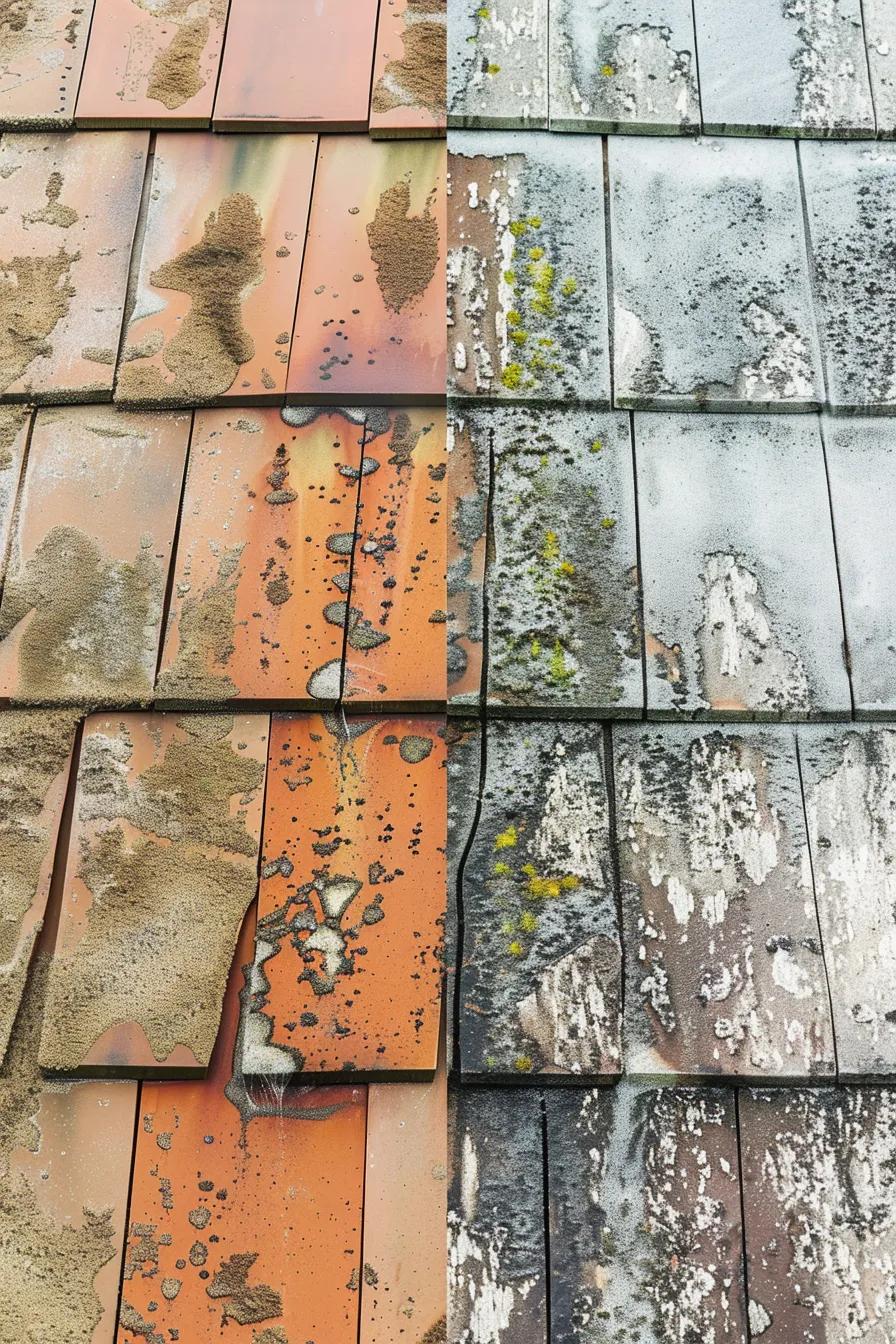
Soft wash is a low‑pressure, chemical‑based process that removes biological growth, while pressure washing uses high‑pressure water jets to mechanically strip contaminants. Those different mechanisms create different risk and effectiveness profiles. Soft wash applies biocide solutions at safe PSI levels to kill organisms and allow a gentle rinse that preserves shingles and reduces warranty risk. Pressure washing relies on high PSI that can cause granule loss, edge lifting, and water intrusion—issues that can lead to leaks and higher long‑term repair costs. For most residential asphalt shingle roofs, soft wash offers the best balance of effective cleaning with minimal damage risk.
Here’s a quick comparison to help you decide.
Overall, soft wash lowers the chance of long‑term roof damage, while pressure washing may clean quickly but at greater risk. The right choice depends on your roof material, age, and warranty restrictions.
- Soft wash advantages: protects materials, follows manufacturer guidance, and uses less water overall.
- Pressure wash advantages: effective for very sturdy surfaces like concrete or masonry.
- Operator considerations: soft wash requires knowledge of chemicals and containment; pressure washing demands precise pressure control to avoid harm.
Those differences point to the skills and precautions that reduce risk. Next we cover technical contrasts and common dangers linked to pressure washing roofs.
What Are the Main Differences Between Soft Wash and Pressure Wash Methods?
The key differences are pressure level, cleaning agent, and operator technique—factors that determine both risk and effectiveness against organic growth. Soft wash uses low PSI with formulated biocides to neutralize algae and moss chemically. Pressure washing relies on high PSI water streams to physically remove material. Soft wash removes organisms at their roots and helps prevent quick regrowth, while pressure washing may clear visible grime but leave microscopic roots behind. Training differs too: soft wash technicians need to know dwell times, biodegradability, and runoff control; pressure technicians must manage PSI, spray angles, and nozzle selection to limit damage.
Because these methods are fundamentally different, check roof type, age, and warranty terms before choosing an approach. The table above gives a quick reference to measurable differences.
What Are the Dangers of Pressure Washing Roofs?
Pressure washing can cause a range of physical failures that shorten a roof’s life and create hidden water entry points when it’s not done correctly or on the wrong substrate. High‑pressure water can strip protective granules from asphalt shingles, lift shingle edges, damage underlayment, and force water beneath flashings—each of which can lead to rot and interior leaks. Fixes for these problems often mean shingle replacement, flashing reseal, or decking work—costs that usually exceed preventive soft wash treatments. That’s why roof manufacturers and experienced roofers often warn against using high PSI on shingled roofs.
To avoid these dangers, use soft wash methods or limit pressure washing to surfaces designed to handle high PSI—and make sure technicians are highly trained. The next section explains what manufacturers usually recommend and why following their guidance matters for warranties and roof life.
What Do Roof Shingle Manufacturers Recommend for Cleaning?
Many shingle manufacturers advise low‑pressure or chemical cleaning and warn against high‑pressure washing because mechanical abrasion can speed wear and void warranties. Their guidance focuses on preserving granules, sealants, and coatings that are part of warranty coverage; biocide‑based soft wash methods typically align with those recommendations. Check your shingle documentation or contact the manufacturer to confirm model‑specific guidance—following it helps protect warranty coverage and roof performance. Consulting manufacturer instructions should be a step in any cleaning plan.
Why Do Manufacturers Prefer Soft Wash Over Pressure Washing?
Manufacturers favor soft wash because it targets biological growth chemically rather than mechanically, which protects the shingle surface and the mineral granules that help shed water and resist wear. Biocides remove the organisms that stain and degrade shingles while low pressure avoids dislodging granules. These practices reduce premature wear and usually comply with warranty terms that exclude damage from improper maintenance. Following manufacturer‑aligned methods supports roof longevity and reduces disputes over warranty coverage.
Knowing manufacturer preferences clarifies practical maintenance choices that help your roof reach its expected service life. The next section explains how following those recommendations can produce measurable benefits.
How Can Following Manufacturer Recommendations Extend Roof Life?
Following manufacturer cleaning recommendations extends roof life by preventing maintenance‑caused damage and addressing biological issues before they compromise the system. Using soft wash methods and documenting the work reduces mechanical stress and preserves designed protective layers, delaying failures such as granule loss and edge lifting. That lowers repair frequency and postpones full replacement, improving lifecycle economics. Consistent, manufacturer‑aligned maintenance also creates a verifiable history that supports longer roof service and reduces total cost of ownership.
A documented maintenance history is also useful for property managers and HOAs when planning cleaning cycles and budgeting for long‑term roof care.
Where Is Soft Wash Roof Cleaning Available in Citrus County, FL?
Soft wash services are offered by local exterior cleaning teams that serve Citrus County, FL. They tailor treatments to the region’s humid subtropical climate, where algae and lichen are common. Local providers understand how high humidity, frequent rain, and tree cover affect growth and cleaning frequency. Typical services include inspections, manufacturer‑compatible soft wash treatments, and recommendations for maintenance intervals based on exposure. Homeowners and property managers in Citrus County should look for providers with local experience, liability insurance, and documented runoff mitigation practices.
Local knowledge matters: Citrus County’s climate and vegetation patterns affect growth rates and runoff rules, so experienced providers can suggest targeted schedules and containment measures. To book service, ask for a professional inspection and a written quote outlining the soft wash approach and a proposed maintenance plan.
Citrus County teams are effective because they’re familiar with regional algae types, seasonal growth cycles, and local runoff considerations—knowledge that helps tailor cleaning intervals and containment strategies for durable, low‑impact results.
What Makes Citrus County Soft Wash Services Unique?
Citrus County’s humid subtropical weather increases algae, moss, and lichen growth, so soft wash is especially valuable for keeping roofs looking right and performing well. Local providers adjust dwell times and treatment concentrations for the species common here and for shaded roof areas that hold moisture. Regional rules and HOA guidelines can affect runoff handling, so experienced crews use containment and neutralization steps to meet environmental expectations. That local adaptation delivers effective cleaning with minimal ecological impact.
Local experience also means technicians know the common roof materials in the area and the typical failure modes they see, which leads to smarter recommendations for maintenance intervals and preventive steps. These insights reduce guesswork and improve long‑term outcomes.
How to Choose a Reliable Soft Wash Roof Cleaning Provider in Citrus County?
Choosing a reliable soft wash provider means checking insurance, manufacturer‑aware practices, chemical safety, documented results, and clear guarantees. Ask for proof of liability insurance, written estimates that list chemicals and dwell times, references from similar local jobs, and details about runoff containment. Make sure technicians can explain how their methods follow manufacturer guidance and that they understand local environmental constraints. Request a sample maintenance schedule and the option for documented follow‑up inspections to confirm results.
This checklist helps you avoid contractors who might use excessive pressure or neglect runoff control, and it lets property managers and HOAs compare bids on quality, not just price. After verification, schedule an inspection to get a tailored quote and recommended plan.
Checklist for vetting providers:
- Proof of insurance: Confirm liability coverage for the job.
- Manufacturer‑aware techniques: Ask how their methods match shingle guidance.
- Runoff mitigation plan: Request details on containment and neutralization steps.
How Does Soft Wash Roof Cleaning Improve Roof Appearance and Maintenance?
Soft wash improves curb appeal by removing stains from Gloeocapsa magma (black algae), moss, and lichens, while biocide action helps slow re‑soiling. The process—chemical treatment followed by a gentle rinse—kills organisms at the root and restores more uniform shingle color and texture without abrasive damage. Beyond appearance, soft wash reduces future maintenance by inhibiting regrowth, which lowers the frequency and cost of spot repairs. Scheduling treatments based on exposure gives the best balance of look and longevity.
Use the table below as a practical reference for common roof problems, expected soft‑wash outcomes, and suggested maintenance intervals.
That table shows routine soft wash both restores appearance and cuts recurrence risk. The next section explains which organisms respond best to soft wash.
What Types of Roof Stains and Algae Does Soft Washing Remove Effectively?
Soft wash works well on common roof offenders: Gloeocapsa magma (black streaks on asphalt shingles), moss that traps moisture and lifts shingles, and lichens that can embed in textured surfaces. The biocide targets the organisms’ living structures and slows regrowth. On asphalt shingles, black algae is often the most visible issue; soft wash kills the organism and allows a gentle rinse to restore more uniform color. Moss and lichens are removed and chemically inhibited, especially when combined with trimming of overhanging branches. The result is a cleaner, more consistent roof without the micro‑abrasion caused by high‑pressure cleaning.
Treating these organisms at the root also reduces moisture retention on the roof, lowering the risk of secondary problems like rot or underlayment damage. Identifying the organism helps determine dwell time and whether spot treatments are needed.
How Often Should Soft Wash Roof Cleaning Be Performed for Best Results?
Frequency depends on roof exposure, shading, humidity, and tree cover. As a general rule, most roofs benefit from cleaning every 2–4 years, with more frequent service for heavily shaded or coastal properties. Dense tree canopy, persistent humidity, and low slopes that hold moisture push maintenance toward a 2‑year cycle. Sun‑exposed roofs with little tree cover often stay cleaner for 3–4 years after a thorough soft wash. A documented maintenance plan based on inspections gives the best balance between appearance, preservation, and cost.
Scheduled plans that combine periodic inspection with soft wash treatments optimize lifecycle protection and can be tailored to roof material and local conditions. Many providers offer recurring plans that spread cost and keep upkeep consistent.
Professional maintenance plans can include inspections, treatment documentation, and scheduled soft washes to preserve appearance and extend roof life; providers will outline plan options during an inspection.
What Are the Environmental and Cost Benefits of Soft Wash Roof Cleaning?
Soft wash offers environmental and cost advantages by using less water, applying targeted biodegradable chemicals, and reducing repair and replacement frequency. Targeted chemical application cuts the total volume of runoff compared with extended high‑pressure rinsing and supports containment and neutralization strategies to limit environmental impact. Financially, protecting shingles and avoiding mechanical damage reduces repair needs and delays full roof replacement—an effective return on maintenance spending. For homeowners and property managers focused on sustainability and long‑term value, soft wash is often the better choice.
Use the table below to compare environmental and cost attributes between soft wash and pressure washing.
This comparison shows soft wash reduces environmental load and helps lower lifecycle costs by preserving roofing materials. The next sections describe common environmental best practices and the long‑term cost logic.
How Is Soft Washing More Environmentally Friendly Than Pressure Washing?
Soft wash is more environmentally friendly because it uses targeted treatments and less water, and it supports containment and neutralization measures that reduce downstream impact. Biodegradable cleaners designed for soft wash break down more predictably than harsh detergents, and controlled application cuts unnecessary runoff. Providers following best practices use protective measures—like plant protection, collection mats, or neutralizers—to shield landscaping and storm drains. These steps lower nutrient loading and chemical spread compared with high‑volume pressure rinsing.
Lower water use and better runoff control are important where regulations apply, and soft wash helps with both while delivering effective cleaning. The environmental benefits support compliance and community stewardship.
What Are the Long-Term Cost Savings of Choosing Soft Wash?
Long‑term savings come from fewer repairs, delayed roof replacement, and reduced indirect costs from interior water damage or warranty disputes caused by improper cleaning. By preserving granules, sealants, and flashings, soft wash cuts mechanical wear that would otherwise lead to patching or premature reroofing. Preventive maintenance plans spread costs across scheduled treatments and inspections, helping with budget predictability and reducing emergency repair spending. Exact savings vary by roof condition and local prices, but the logic is clear: preventing accelerated degradation saves more than the cost of regular, manufacturer‑aligned cleaning.
Homeowners and property managers can view soft wash as an investment in lifecycle maintenance—small, planned expenses to avoid much larger capital costs later. Providers can offer maintenance plans that estimate intervals and projected savings.
This final table reinforces that environmental stewardship and cost savings often align when soft wash methods and documented maintenance are used.
The benefits outlined here—gentler cleaning mechanics, manufacturer alignment, locally tuned service for Citrus County, visual restoration, and environmental and cost advantages—make a strong case for soft wash on many shingled roofs. If you’re ready to act, request a professional inspection and written quote from a local provider to build a tailored maintenance plan and schedule the right soft wash treatment for your roof.
Frequently Asked Questions
What is the difference between soft wash and hybrid cleaning methods?
Hybrid methods mix low‑pressure chemicals with limited, controlled pressure in targeted areas to tackle stubborn spots. Soft wash relies on low pressure and chemical action to protect shingles, while hybrid approaches may apply more pressure selectively. Hybrid can work for certain surfaces but needs a skilled operator to avoid damage. Discuss your roof type and condition with the contractor to decide if a hybrid approach is appropriate.
Can soft wash roof cleaning be performed on all types of roofs?
Soft wash is suitable for most roofing materials—like asphalt shingles, tile, and metal—but each material can have specific needs. Some delicate roofs may require gentler solutions or specialized techniques. Always consult a professional so the method and product concentrations match your roof type and avoid unintended damage.
How does weather affect the timing of soft wash roof cleaning?
Weather matters. Choose a dry day with mild temperatures so the solution can work without being washed away. Avoid extreme heat that would dry the solution too quickly and reduce effectiveness. Your service provider can advise the best timing based on local forecasts.
What should I do to prepare my property for a soft wash service?
Preparation is simple: remove or cover outdoor furniture and potted plants near the house, close nearby windows and doors, and let the provider know about heavy staining or overhanging branches. Clear communication helps crews protect your property and focus on the areas that need attention.
How long does a soft wash roof cleaning typically last?
Results usually last 2–5 years, depending on climate, roof exposure, and nearby trees. Regular inspections and follow‑up cleanings help maintain appearance and performance. Your provider can recommend intervals based on local growth patterns and roof condition.
Are the chemicals used in soft washing safe for the environment?
Yes—when used correctly. Soft wash products are typically biodegradable and designed to minimize environmental impact. Professional crews use containment practices to protect landscaping and storm drains. Ask your provider about the specific products and runoff measures they use if you have environmental concerns.
Conclusion
Soft wash roof cleaning preserves shingle integrity, removes biological growth effectively, follows manufacturer recommendations, and reduces long‑term repair costs. It improves curb appeal while supporting proactive maintenance that extends roof life. If you manage a home or property and want to protect your roof, schedule a professional inspection and a soft wash treatment. Contact local providers today to keep your roof looking great and performing as it should.