

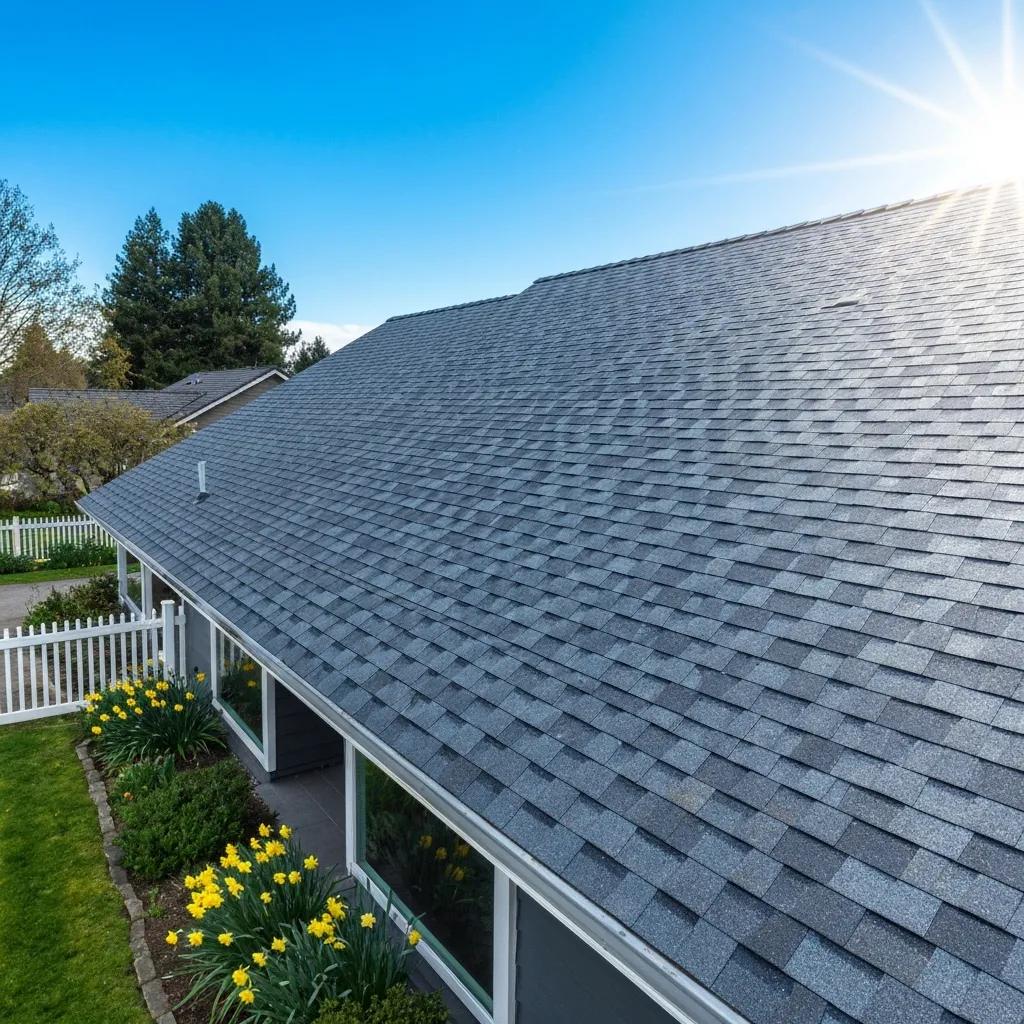
Soft‑Wash Roof Cleaning: Extend Your Roof’s Life, Boost Curb Appeal, and Support a Healthier Home
Soft‑wash roof cleaning uses low pressure and biodegradable, manufacturer‑approved solutions to remove algae, moss, lichen, and other biological growth without stripping shingles or tiles. Below you’ll find a clear, homeowner‑friendly explanation of how soft wash works, why it protects roofing materials, how it restores curb appeal, and how regular treatments can improve home health and energy use in humid areas like Citrus County, FL. Many roofs age faster because of dark streaks and organic buildup that hold moisture and raise cooling costs. Soft wash kills organisms at the root instead of blasting surfaces, making it a preventative, warranty‑safe alternative to high‑pressure cleaning. This guide compares methods, covers safety and eco practices, breaks down costs and long‑term savings, and includes a quick scheduling prompt so you can request a free estimate from a local provider.
If you’re ready to schedule, White Diamond Pressure Washing in Citrus County, FL offers soft‑wash roof cleaning with low‑pressure equipment and eco‑conscious cleaners — easy scheduling and free estimates available for homeowners who want damage‑free results.
Why soft‑wash is the best way to extend your roof’s lifespan
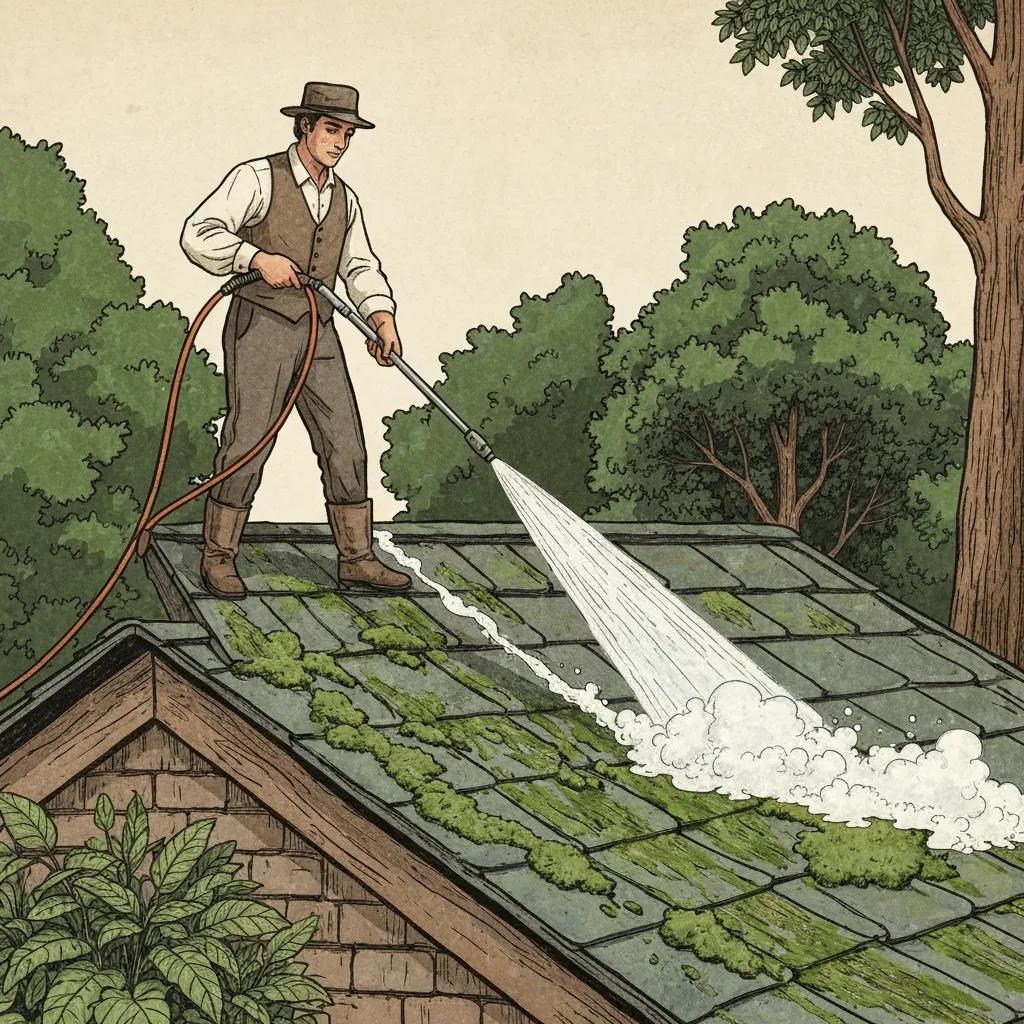
Soft‑wash extends roof life by chemically neutralizing biological growth and rinsing residues gently — which prevents granule loss and material breakdown that speed up aging. The process is a root‑kill: biocidal solutions soak into algae, moss, and lichen to stop regrowth and the abrasion those organisms cause. Because the work is done at low pressure with manufacturer‑approved cleaners, there’s less mechanical stress on shingles, tiles, and metal roofs, and warranties are easier to preserve. The result is fewer repairs and a longer interval before partial or full replacement is needed. Knowing how organisms damage roofs and how soft wash counteracts that damage makes it clear why this is the preservation choice for most homes.
Soft‑wash focuses on biology, not brute force — which explains how it clears growth without harming roof materials.
How soft‑wash removes algae, moss, and lichen without damaging roofing
Soft‑wash works in two steps: a chemical kill, then a gentle rinse. Technicians apply stabilized, biodegradable cleaners and algaecides at low pressure so the active ingredients penetrate growth and neutralize spores and root structures. After the contact time, crews rinse lightly to remove residues without dislodging granules or cracking tiles. This “kill, don’t blast” approach prevents shingle lift and granule loss common with high‑pressure methods. Some cleaners leave a residual that helps slow regrowth, stretching the time between services. Using manufacturer‑approved products keeps the method consistent with shingle warranties and material safety — a key point when preserving your roof.
To make the effects clear, the table below compares common roof organisms, how they damage materials, and the soft‑wash response used to limit long‑term harm.
Seeing growth at the organism level shows why killing it chemically prevents the mechanical damage that shortens roof life — and it leads into which roofing materials are safe for soft‑wash treatment.
Which roofing materials are safe for soft‑wash cleaning?
Soft‑wash is suitable for most residential roofing materials because it uses low pressure and formulas designed for common substrates. Asphalt shingles respond well when technicians use manufacturer‑approved cleaners, protecting granules and preventing shingle lift. Clay and concrete tiles clean effectively when crews allow proper contact time and avoid rough mechanical scraping that can crack tiles. Metal roofs benefit because soft‑wash removes organic buildup without stripping factory paint or coatings. A pre‑inspection identifies fragile areas and tailors the mix and method so the cleaning restores appearance while preserving coatings and structural integrity.
How soft‑wash instantly improves curb appeal and can help property value
A clean roof makes the whole house look cared for — removing black streaks, green patches, and discoloration gives an immediate visual upgrade that improves listing photos and drive‑by appeal. Buyers and appraisers often read visible maintenance cues when judging a property, so a clean roof can reduce perceived risk and help your home sell faster or attract stronger offers. Restoring a uniform roof color complements siding, landscaping, and hardscape to improve the home’s street presence. In many local markets, first impressions from photos and curb appeal directly influence buyer interest, and addressing roof staining is a cost‑effective way to boost those impressions.
Typical visual improvements homeowners see after a professional soft‑wash roof cleaning include:
- Restored color: Roof surfaces return close to their original hue once biological staining is removed.
- Uniform appearance: Eliminating streaks and patches creates a consistent, well‑kept look across the roof.
- Better exterior photos: Cleaner images in listings often attract more buyer interest.
A clean roof not only looks better — it signals proper upkeep to buyers, which ties directly into marketability and resale value.
What visual changes should you expect after a soft‑wash?
After treatment most homeowners notice a vivid return of roof color, a big reduction or elimination of black streaks and green growth, and a cleaner roof outline that lifts curb appeal. Surface stains clear immediately; deeper colonies often fade over days as residues degrade and rinse away. On asphalt shingles you’ll often see underlying granule patterns reappear; on tile roofs the original tones come back. These cosmetic gains translate into stronger listing photos and a more attractive presentation for buyers and renters.
Improved appearance supports buyer psychology and appraisal outcomes — addressed in the next section.
How a clean roof affects marketability and resale value
A well‑maintained roof reduces buyer worries about deferred repairs and shows the property has been cared for, which can shorten time on market and support better offers. Exact value uplifts vary by neighborhood, but exterior presentation influences perceived worth; industry sources often report modest increases in buyer willingness to pay for homes that look move‑in ready. Faster sales and stronger listing photos lower carrying costs and improve competitive positioning. Because roof cleaning is a relatively low investment compared with major renovations, sellers and agents often prioritize it for high visual ROI.
Health and energy benefits of soft‑wash roof cleaning

Soft‑wash helps home health by removing mold, mildew, and biological deposits that contribute to airborne spores and allergens; reducing these surface sources lowers the reservoir of particulates that can enter attics. It also improves energy performance because dark growth absorbs more solar heat — cleaning restores reflectivity (albedo), which can lower attic and upper‑story cooling loads in hot, humid climates. Research and industry observations show biological soiling can increase heat gain, so restoring surface brightness can reduce HVAC strain. Together, cleaner roofs support healthier indoor air and can modestly reduce energy use during peak cooling months.
The health and efficiency gains come from controlling biology and restoring surface reflectivity; the two subsections below explain those mechanisms.
How soft‑wash reduces mold, mildew, and allergens for a healthier home
Soft‑wash neutralizes mold and mildew on roof surfaces by applying biocidal solutions that tackle spores and colonies where they start, lowering the amount of airborne particulates that might enter vents and living spaces. Reducing surface microbial load cuts the chances of continual spore shedding during wind and rain events, which can otherwise raise indoor allergen levels. In humid areas like Citrus County, regular treatments — timed to local growth rates — help keep spore reservoirs lower and recurring allergen exposure down. Including soft‑wash in exterior maintenance supports both surface hygiene and indoor air quality efforts.
Can a clean roof lower cooling costs and improve efficiency?
Yes. Dark biological growth increases solar heat absorption; a cleaned roof reflects more sunlight and helps keep the attic and upper floors cooler. Restoring albedo means less heat transfer into the home, which can reduce peak cooling loads and slightly lower energy use during the hottest months. Results vary by roof color, construction, and local climate, but many homeowners in hot, humid regions notice improved comfort after cleaning. Regular soft‑wash maintenance that keeps surfaces bright is a useful complement to insulation and ventilation improvements.
Why soft‑wash is safer and more eco‑friendly than pressure washing
Soft‑wash is safer for roofs because it avoids the high pressures that can strip granules, lift shingles, and crack tiles. Instead, it relies on low‑pressure application and chemical action to remove biological growth. Environmentally, soft‑wash uses stabilized, biodegradable cleaners aimed at organisms and — when crews follow containment and rinsing protocols — minimizes harmful runoff. It also typically uses less water than brute‑force pressure washing because it depends on contact time rather than large‑volume blasting. When technicians follow proper site‑protection measures, soft‑wash reduces risk to roofing materials and surrounding landscaping.
The table below highlights practical differences between soft‑wash and pressure washing.
This contrast shows why soft‑wash is the preservation‑minded and environmentally preferable option — leading into safety details about pressure and chemical choices.
How low‑pressure soft‑wash protects your roof versus high‑pressure washing
Low‑pressure soft‑wash protects roofing by avoiding mechanical forces that can strip protective layers or chip tiles. It uses a controlled chemical reaction to neutralize growth, then a gentle rinse to move residues off the surface. High‑pressure washing can speed granule loss on asphalt shingles, lift edges where water can infiltrate, and create tiny surface damage that shortens service life. Soft‑wash preserves paint and coatings on metal roofs and avoids fracturing ceramic tiles because the applied forces stay below material stress thresholds. Over multiple maintenance cycles, you’ll see the preservation benefits compared with repeated pressure washing.
What biodegradable solutions are used, and how are plants and pets protected?
Industry‑standard soft‑wash mixes combine stabilized oxidizers, surfactants, and algaecides that are biodegradable at recommended dilutions; technicians pick blends approved for the roofing material in question. Crews protect landscaping and animals by pre‑watering plants, placing temporary covers, neutralizing runoff when needed, and using controlled rinses to limit exposure. These steps reduce phytotoxic risk and keep environmental impact low while ensuring the cleaners have adequate contact time to work. When applied by trained pros, soft‑wash products balance effectiveness with safety for plants and pets.
Why choose White Diamond Pressure Washing for soft‑wash in Citrus County, FL?
White Diamond Pressure Washing is a local exterior cleaning company in Citrus County, FL that focuses on soft‑wash roof cleaning, house washing, and concrete sealing. Our team emphasizes reliable service, experienced crews, and manufacturer‑approved products. We include a pre‑inspection, plant protection, and follow‑up checks so results are safe and long‑lasting. Hiring a local specialist matters — technicians who know Citrus County’s humid climate can recommend the right maintenance interval and prevention tips for common roof types. White Diamond’s local knowledge and eco‑minded approach give homeowners a warranty‑aware option for protecting roof condition.
Below is a short look at how local climate affects cleaning needs, followed by an overview of our process.
How does Citrus County’s climate affect roof cleaning needs?
Citrus County’s warm, humid weather speeds biological growth because heat and moisture help algae, moss, and lichen thrive. That typically means roofs need cleaning more often than in dry climates. In practice, homeowners here often schedule soft‑wash maintenance every 18 to 36 months depending on shading, roof slope, and nearby vegetation. Inspections after storms or during seasonal growth spikes help fine‑tune timing, and proactive cleaning prevents the cumulative damage that leads to early repairs. Local climate guides the chemical mix and the cadence we recommend for ongoing care.
What makes White Diamond’s soft‑wash process reliable and convenient?
Our soft‑wash workflow focuses on inspection, site protection, precise application, and verification. Technicians inspect the roof and nearby landscaping, set up plant protection, apply low‑pressure, manufacturer‑approved solutions with the correct contact time, then perform a gentle rinse and final inspection. We offer flexible scheduling and an experienced crew to make the process convenient and safe. Follow‑up recommendations help homeowners maintain the roof between professional cleanings. Our eco‑minded protocols and site protection measures limit runoff and give homeowners peace of mind that both roof and property are treated carefully.
After learning the process, homeowners commonly ask about cost and long‑term savings from preventive maintenance.
How much does soft‑wash roof cleaning cost, and what are the long‑term savings?
Cost varies by roof size, pitch, material, accessibility, and the amount of biological growth. For typical homes in our area, full soft‑wash services commonly range from about $300 to $700, though complicated or large jobs can cost more. That immediate cost removes damaging organisms and restores reflectivity, while regular maintenance reduces the chance of repairs from water infiltration, granule loss, and rot. Over a 10‑ to 20‑year period, routine soft‑wash maintenance can delay repairs and full replacement, often delivering net savings that exceed the cumulative cost of periodic cleanings. Knowing the pricing drivers helps you compare short‑term expense with long‑term capital savings.
The table below compares common scenarios across typical maintenance horizons.
This comparison shows that regular soft‑wash maintenance usually produces better lifecycle economics than infrequent or no cleaning.
What factors influence soft‑wash pricing in Citrus County?
Pricing depends on roof square footage, pitch and complexity (steep roofs need more safety measures and labor), roof material, severity of biological growth, and access constraints like multiple levels or delicate landscaping. Providers also include site protection steps and any special containment to protect plants and reduce runoff. Local market conditions and crew availability can affect rates, and a thorough pre‑inspection gives the most accurate written estimate. Ask for an inspection‑based quote that outlines scope, site‑protection steps, and expected outcomes.
With a price range and lifecycle comparison in mind, homeowners often ask how preventive cleaning saves money versus repairs and replacement.
How does soft‑wash save money by preventing repairs and early replacement?
Soft‑wash saves money by addressing the root causes of roof degradation — biological growth and trapped moisture — before they turn into structural problems that need patching or replacement. By preventing granule loss, limiting water entry beneath shingles or tiles, and reducing rot risk, regular cleaning lowers the frequency of partial repairs. Those avoided repair costs and an extended roof life translate to lower lifetime expenses compared with reactive strategies. Investing in periodic soft‑wash maintenance is a cost‑effective way to protect property value and reduce the long‑term capital burden of roof replacement.
If you’re ready to act: White Diamond Pressure Washing offers soft‑wash roof cleaning in Citrus County with eco‑friendly products, experienced crews, and free estimates to help plan maintenance that protects roof life and curb appeal.
- Schedule an inspection: A trained technician evaluates your roof and provides a written estimate.
- Protect landscaping: We set up site protection to minimize runoff during treatment.
- Follow a maintenance cadence: Regular cleaning every 18–36 months helps keep benefits in place.
These steps outline a simple path to protect your roof investment while maximizing aesthetic and health benefits.
Frequently Asked Questions
1. How often should I schedule soft‑wash roof cleaning?
In humid climates like Citrus County, plan on a soft‑wash every 18 to 36 months. Frequency depends on roof shading, slope, nearby trees, and how quickly growth returns. Regular inspections after storms or during growth seasons help dial in the best timing. Proactive maintenance prevents buildup that can lead to premature damage and costly repairs.
2. Is soft‑wash roof cleaning safe for my landscaping?
Yes. Professional crews use site‑protection steps — pre‑watering plants, temporary covers, and controlled rinses — to minimize chemical exposure. The biodegradable solutions we use are effective at recommended dilutions and designed to reduce phytotoxic risk. When applied by trained technicians, soft‑wash is safe for landscaping and nearby plants.
3. Can soft‑wash roof cleaning help indoor air quality?
Yes. Soft‑wash removes mold, mildew, and biological growth from the roof surface, reducing the reservoir of spores that can become airborne and enter your home. In humid areas, regular cleaning helps lower allergen loads and supports healthier indoor air for your family.
4. What should I do to prepare for a soft‑wash roof cleaning?
Before service, clear outdoor furniture, decorations, and potted plants from work areas if possible, and keep pets indoors. Discuss any specific concerns with your technician beforehand so site‑protection steps match your property. We’ll handle the rest, including plant protection and cleanup.
5. How long does the soft‑wash roof cleaning process take?
Time varies with roof size, pitch, and how much growth there is. Most average residential roofs take about 1 to 3 hours. A follow‑up inspection by the crew may add a little time to confirm the job meets expectations.
6. Will soft‑wash roof cleaning void my roof warranty?
No. Soft‑wash is warranty‑safe when technicians use manufacturer‑approved products and low‑pressure techniques. Unlike high‑pressure washing, soft‑wash avoids damaging roofing materials that could jeopardize warranties.
7. What are the environmental benefits of soft‑wash roof cleaning?
Soft‑wash uses biodegradable cleaners and typically less water than high‑pressure washing, reducing runoff and overall environmental impact. By extending roof life, it also helps cut waste from premature replacements. Proper containment and rinsing practices further limit environmental effects.
Conclusion
Soft‑wash roof cleaning delivers clear benefits: it helps extend roof life, restores curb appeal, and supports healthier indoor environments — all while protecting roofing materials and warranties. Regular, professional soft‑wash maintenance is an eco‑minded, cost‑effective way to protect your investment. Contact White Diamond Pressure Washing today to schedule a free estimate and keep your roof performing and looking its best.
One thought on “Revitalize Your Home: Benefits of Soft Wash Roof Cleaning”