

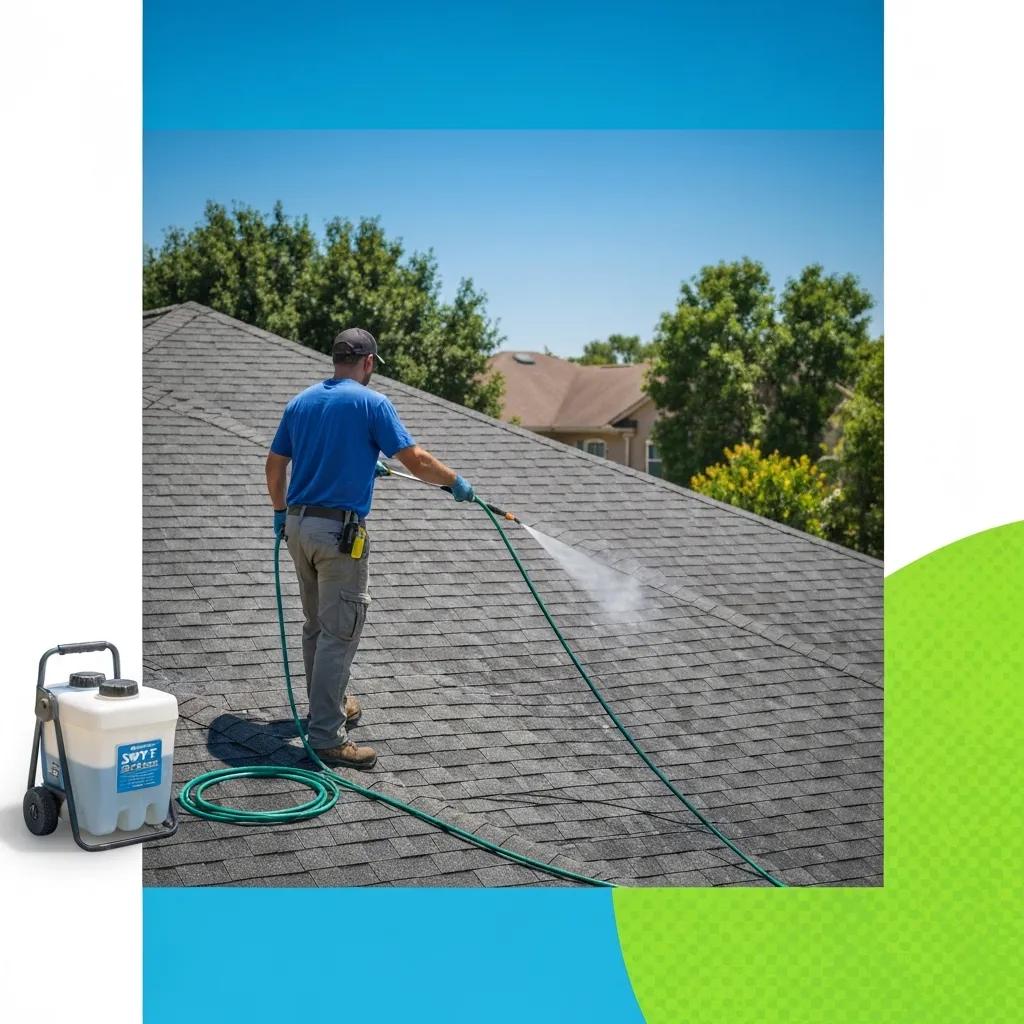
Why Choose Soft Wash Roof Cleaning — Benefits That Protect Your Home
Soft wash roof cleaning uses low-pressure application and biodegradable cleaners to remove algae, moss, lichen and black streaks while keeping roofing materials intact. This guide walks you through what soft washing is, how the chemistry targets organisms like Gloeocapsa magma, and why low-pressure methods are gentler on shingles and tiles than high-pressure rinses. You’ll learn which roof types are safe for soft wash, the measurable homeowner benefits—longer roof life, better curb appeal, and potential energy savings—and maintenance schedules that fit local climates. We also cover environmental and safety precautions, common biodegradable solutions, and tips to protect landscaping and pets during service. Finally, we outline the soft-wash process, compare it to pressure washing, and explain when to call a pro like White Diamond Pressure Washing for an inspection or estimate.
What Is Soft Wash Roof Cleaning and How Does It Work?
Soft wash roof cleaning is a chemical-first method: formulated solutions are applied at low pressure to kill and lift biological growth without blasting the roof. The cleaners typically combine biodegradable oxidizers, surfactants and targeted algaecides that break down cell structure and loosen organisms so they rinse away gently. Low-pressure rigs allow even application and proper dwell time so the chemistry does the work instead of forceful water that can strip granules or damage flashing. That combination addresses the root cause of staining and helps preserve shingles, tiles and other roof components.
What Makes Soft Washing Different from Pressure Washing?
Soft washing relies on chemical action; pressure washing relies on high-velocity water. Strong pressure can lift shingle granules, crack tiles or drive water under shingles and into seams—creating new problems. Soft wash uses much lower pressures and relies on dwell time and cleaners to neutralize organisms with minimal abrasion. Because of that reduced mechanical risk, industry guidance increasingly recommends soft wash for delicate roof types and where manufacturers warn against high-pressure cleaning.
Which Roof Types Are Safe for Soft Wash Cleaning?
Most common roof materials respond well to soft wash when technicians use manufacturer-approved cleaners and methods. Asphalt shingles usually benefit from low-pressure chemical treatment without losing granules. Tile and metal roofs also clean well when detergents are selected to protect finishes. Wood shingles and cedar shake need extra care—controlled dwell times and correct dilutions prevent swelling or discoloration. Always check manufacturer recommendations and hire technicians trained to adjust dilution, contact time and rinsing for each roof material.
What Are the Main Benefits of Soft Wash Roof Cleaning?
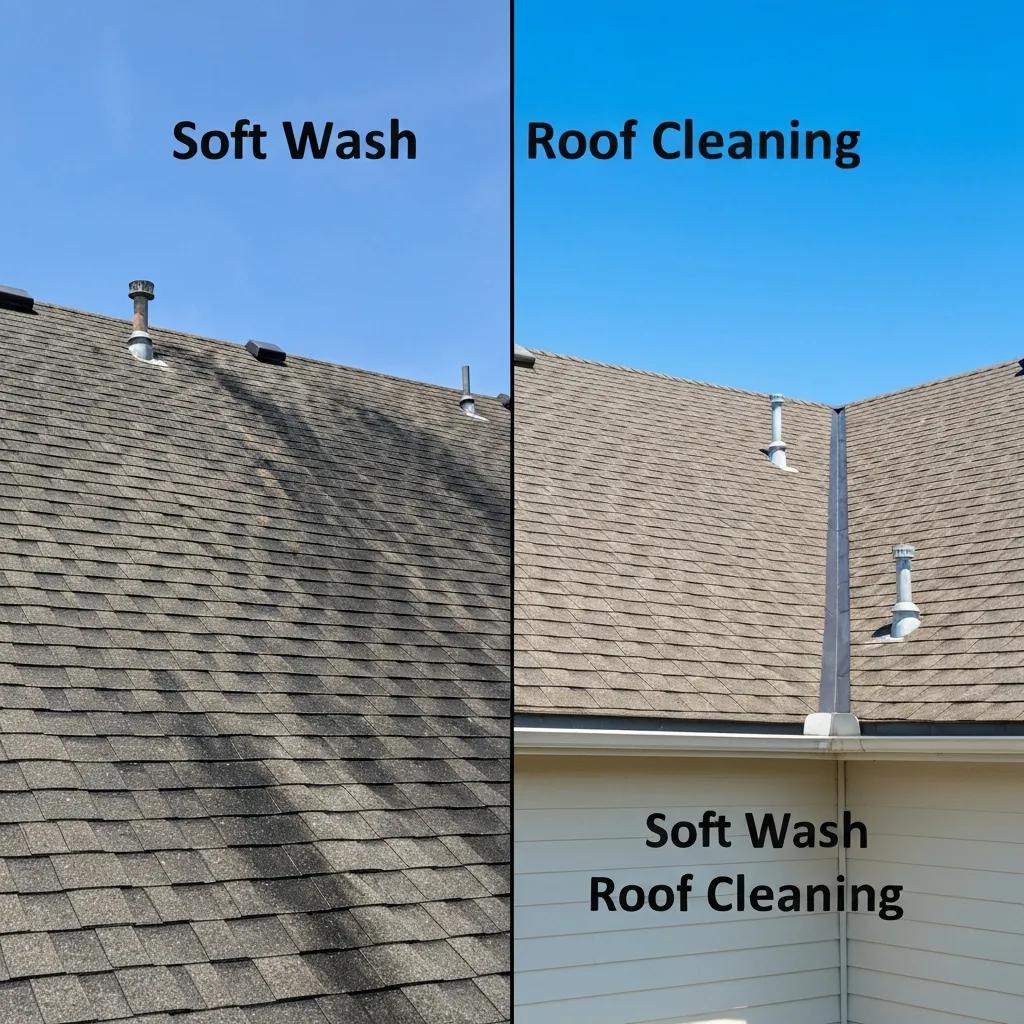
Soft wash roof cleaning targets biological growth at its source without causing mechanical harm. By neutralizing algae, moss and lichen, soft wash reduces granule erosion, cuts moisture retention and slows material breakdown—results that often translate into a longer roof lifespan and delayed replacement costs. A cleaner roof also boosts curb appeal and can modestly improve reflectivity, lowering attic temperatures in hot climates. Because soft wash uses low pressure and biodegradable solutions (when applied properly), it’s generally safer for occupants and landscaping than high-pressure methods.
Here’s how those benefits map to homeowner outcomes and reduced risks.
These outcomes show how careful chemistry and application translate into long-term value for homeowners.
Next, we explain how those mechanisms slow the processes that otherwise shorten roof life.
How Does Soft Washing Extend Roof Lifespan?
Soft washing adds years to a roof by removing organisms that physically and chemically speed up deterioration. Algae and moss trap moisture, encourage freeze‑thaw damage in some climates, and can lift shingles or tiles—exposing materials to UV and water damage. Soft wash neutralizes those organisms so roofs dry properly and protective granules stay in place. Professional soft washing, combined with routine inspections and repairs, often produces measurable life-extension and lowers total lifecycle costs by postponing full replacements.
How Does Soft Wash Improve Curb Appeal and Home Value?
A clean roof instantly improves curb appeal by removing dark streaks, moss and lichen that make a home look aged. Real estate buyers notice exterior condition first; a restored roof can change buyer perception and support stronger offers. Before-and-after photos and service records also help homeowners document maintenance for potential buyers and preserve neighborhood appearance over time.
Can Soft Wash Roof Cleaning Enhance Energy Efficiency?
Soft wash can offer modest energy benefits by restoring a roof’s reflectivity, which reduces absorbed solar heat and can lower attic temperatures in some situations. The impact depends on roof color, material, insulation and climate—lighter, reflective surfaces benefit most. In hot, sunny regions a cleaner roof can reduce cooling load slightly, especially when paired with attic ventilation and insulation improvements. Treat soft wash as one part of a broader energy strategy.
How Does Soft Washing Prevent Roof Damage Compared to Pressure Washing?
Soft washing avoids the mechanical forces pressure washing uses—forces that can strip granules, loosen flashing and drive water into seams. High-psi cleaning has been shown to increase shingle wear and may void warranties on some materials. Soft wash keeps surface integrity intact by relying on chemical action and low-pressure rinsing. Professionals use manufacturer-endorsed chemistries and controlled application to minimize any risk of etching or discoloration, which is why soft wash is generally recommended for routine roof care.
How Does Soft Wash Roof Cleaning Address Common Roof Problems?
Soft wash targets the biological causes of common roof appearance and performance issues, using controlled chemistry to neutralize organisms while protecting roofing materials. The method pairs accurate identification—deciding if stains are algae, moss or lichen—with a treatment plan that includes pre-wetting, correct dilution, appropriate dwell time and a low-pressure rinse to remove dead material safely. This problem-focused approach keeps repairs minimal, slows regrowth, and provides longer-term protection when combined with preventive maintenance. Below we describe the common organisms and safe removal steps.
What Is Gloeocapsa Magma and How Does It Affect Roof Shingles?
Gloeocapsa magma is the cyanobacterium behind the familiar black streaks on roofs. It feeds on the limestone filler in asphalt shingles and forms pigmented colonies that darken surfaces. Over time it can accelerate granule loss and create uneven wear by concentrating moisture and UV stress in stained areas, shortening shingle life. You can usually spot Gloeocapsa as dark, irregular streaks that run downhill from roof ridges. Identifying it helps target soft wash treatments at the biological source rather than just masking the stain.
How Are Algae, Moss, and Lichen Removed Safely with Soft Washing?
Safe removal follows a step-by-step process: protect vegetation, pre-wet sensitive areas, apply a biodegradable cleaning solution at the manufacturer’s dilution, allow proper dwell time for chemical action, then use a low-pressure rinse to remove residues. Technicians cover plants, direct runoff away from delicate landscaping and schedule work for calm weather to reduce drift. A post-treatment inspection confirms organism death and addresses any remaining staining; follow-up tips help prevent rapid regrowth. Professional execution minimizes homeowner risk and maximizes how long results last.
How Long Do Soft Wash Roof Cleaning Results Last and What Maintenance Is Needed?
Results from a professional soft wash typically last two to five years, depending on site conditions. Longevity varies with local humidity, shade, tree cover, roof slope and material—roofs in sunny, dry areas usually stay cleaner longer than those under heavy shade or near trees. Regular inspections and simple prevention—trimming overhanging branches, keeping gutters clear—extend clean periods and reduce the need for full re-treatment.
Below is a table showing how common factors influence maintenance intervals.
What Factors Influence the Longevity of Soft Wash Cleaning?
Key factors include shade, proximity to trees, local humidity, roof slope and the roofing material’s porosity. Shaded roofs get fewer UV cycles to naturally suppress spores and collect more debris from overhanging branches, creating conditions where growth returns sooner. Coastal humidity and frequent rain also shorten the interval between cleanings. Homeowner actions—like trimming trees and improving ventilation—can meaningfully extend the time between professional treatments.
How Often Should You Schedule Soft Wash Roof Cleaning?
Most homeowners follow a 2–5 year schedule for professional soft wash cleaning, leaning toward the lower end for shaded, humid or heavily vegetated properties and the higher end for exposed, dry roofs. Annual inspections help catch early regrowth so you can decide if a spot treatment is enough. If dark streaks or moss reappear within a year, contact a professional for assessment and a targeted follow-up. Scheduling based on inspection and local conditions gives the best cost-to-benefit outcome.
What Are the Environmental and Safety Benefits of Soft Wash Roof Cleaning?
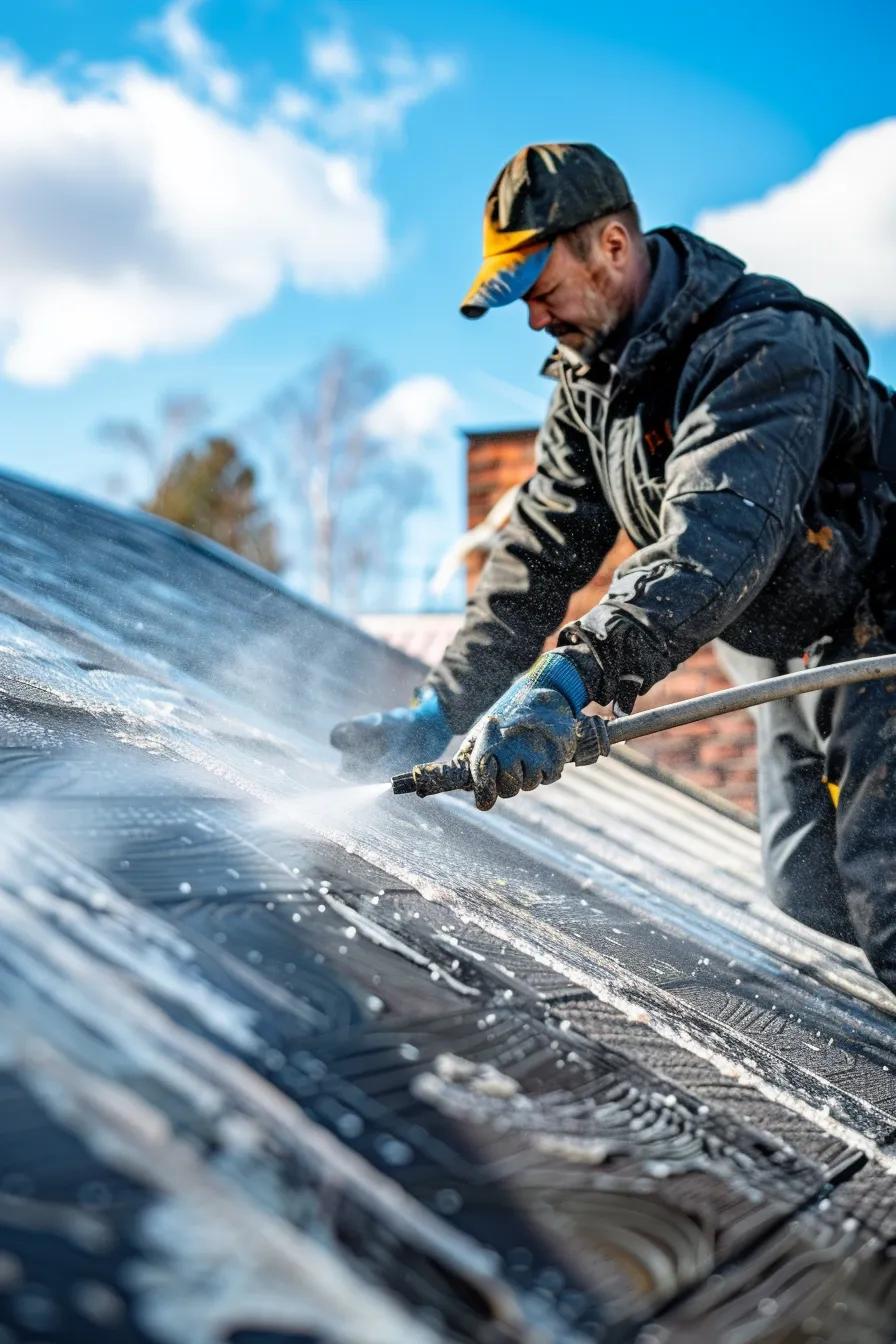
Soft wash typically uses less water and targeted biodegradable cleaners to reduce runoff impact and limit physical disturbance versus high-pressure cleaning. Because it relies on chemical action and low-pressure rinsing, soft wash avoids the soil erosion and plant damage high-pressure streams can cause. Proper biodegradable formulas break down after use when applied at recommended dilutions, and trained crews follow containment and pre-wetting protocols to protect plants and pets. The result is a safer, more sustainable option for roof cleaning when performed responsibly.
What Biodegradable Cleaning Agents Are Used in Soft Washing?
Soft wash blends usually include oxidizers, surfactants and algaecidal components—formulas designed to break down organic cells and lift biological material while degrading after use. Oxidizers disrupt cell walls, surfactants improve penetration and spread, and algaecides target the organisms that cause staining. When chosen for biodegradability and used at proper dilutions, these products minimize ecological impact. Technicians follow label instructions, keep dilution records and can provide material safety data sheets on request. If you’re concerned about plants or pets, professionals will document their protection steps and post-service care instructions.
Is Soft Wash Roof Cleaning Safe for Landscaping, Pets, and Homeowners?
Yes—when done correctly—soft washing is safe for landscaping, pets and people. Standard precautions include pre-wetting and covering sensitive plants, directing runoff away from delicate areas, keeping pets indoors during work and using low-pressure rinses to limit chemical spread. Dilution ratios and dwell times are chosen to control microbes while minimizing exposure. Professionals communicate safety steps in advance so you know what to expect and can coordinate to keep family and pets safe during service.
Why Choose White Diamond Pressure Washing for Soft Wash Roof Cleaning in Citrus County, FL?
White Diamond Pressure Washing brings local expertise for Citrus County homeowners who want professional soft wash roof cleaning using manufacturer-recommended methods. We pair low-pressure application with cleaners approved for many shingle brands to reduce warranty risk and material damage while removing algae and moss effectively. Our experienced technicians use quality equipment and follow safety and landscape-protection practices to limit runoff and protect your property. Scheduling is simple through our booking options, and we provide estimates that account for local climate and roof conditions.
What Makes White Diamond’s Soft Wash System Unique?
White Diamond’s system combines a low-pressure soft-wash platform, manufacturer-aligned cleaning agents, trained technicians who adjust treatments by roof type, and investment in reliable equipment for consistent application and correct dwell times. Together these practices reduce shingle risk, deliver lasting algae and moss removal, and minimize landscaping impact. Our local focus means crews understand Citrus County’s environmental factors and fine-tune maintenance recommendations for area homes.
What Do Local Customers Say About Our Soft Wash Roof Cleaning?
Local homeowners report noticeably cleaner roofs and slower regrowth after our soft wash treatments, and they appreciate the care we take to protect landscaping and pets. Reviews highlight professionalism, adherence to manufacturer guidance and clear communication about maintenance schedules that suit Citrus County’s climate. You can view customer reviews and before-and-after photos in our gallery. If you’d like an estimate, request one through our booking options and we’ll schedule a local inspection.
- Standard soft-wash service: Apply manufacturer-endorsed cleaning agents at low pressure to neutralize algae and moss.
- Pre-service protection: Cover and pre-wet sensitive plants, provide pet and homeowner instructions, and explain expected dwell time.
- Post-service inspection: Confirm organism removal, check gutters and flashings, and recommend re-inspection intervals.
Frequently Asked Questions
What is the typical cost range for soft wash roof cleaning?
Costs vary with roof size, material and local market conditions. On average, a standard residential roof ranges from about $300 to $600, but larger or more complex roofs can cost more. We recommend getting a few estimates so you can compare services and what’s included. Ask about any extra fees for special circumstances.
How can I prepare my home for a soft wash roof cleaning service?
Preparing is simple: move outdoor furniture, decorations and vehicles away from the work area, trim overhanging branches that block access, and let your provider know about any sensitive plants. Keep pets indoors during the service for their safety. Your crew will handle plant protection and explain any additional steps.
How does weather affect the timing of soft wash roof cleaning?
Weather matters. Choose a dry, mild day so cleaning agents can work without being washed away. High humidity or extreme temperatures can change drying time and effectiveness. Your service provider can advise on the best window based on local forecasts.
Can I perform soft wash roof cleaning myself?
DIY soft washing is possible but not recommended for most homeowners. Professionals have the right equipment, know how to handle chemicals safely and understand techniques to avoid damaging roofing materials. Hiring a trained crew reduces risk to your roof and landscaping.
What should I do if I notice regrowth after a soft wash cleaning?
If regrowth appears soon after cleaning, contact your provider to assess and determine whether a follow-up or spot treatment is needed. Regrowth depends on climate, shade and roof material. Regular inspections and a tailored maintenance plan help manage recurring issues.
Are there any warranties or guarantees associated with soft wash roof cleaning?
Many professional providers offer warranties or satisfaction guarantees that vary by company. These may cover cleaning effectiveness and include follow-up treatments if regrowth occurs within a set timeframe. Ask about guarantees before scheduling so you understand what’s covered and any conditions that apply.
Conclusion
Soft wash roof cleaning gives homeowners a safe, effective way to improve roof longevity, curb appeal and, in some cases, energy performance—without harming roofing materials. Using biodegradable solutions and low-pressure techniques helps protect your investment and the environment. For best results, choose a professional service that tailors treatment to your roof and local conditions. See how White Diamond Pressure Washing can keep your roof looking and performing its best.