

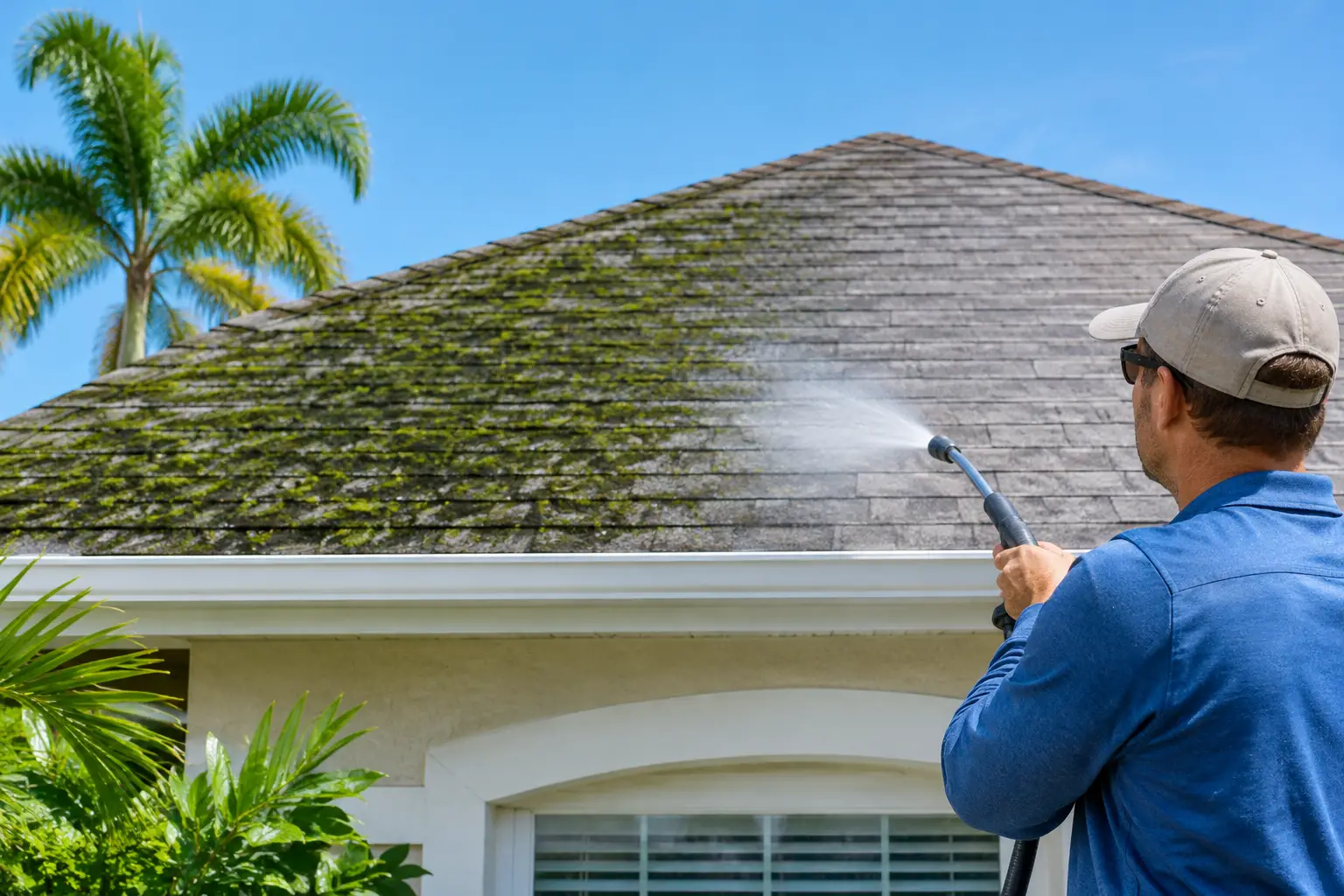
A roof can look clean after a rainy season and then develop dark streaks seemingly overnight. For Citrus County homeowners, learning how to prevent roof algae means managing the moisture, shade, and debris that Florida weather delivers almost year-round. The goal is not to chase every speck of discoloration. It is to make your roof a less welcoming place for algae to take hold.
Those black or dark green streaks are commonly caused by Gloeocapsa magma, a type of blue-green algae that feeds on moisture and airborne debris. It is especially visible on light-colored shingles, but tile, metal, and other roofing materials can also develop algae, mildew, or lichen growth. Left alone, that staining can take away from curb appeal and hold moisture against the roof surface.
Why Florida Roofs Grow Algae So Quickly
Warm temperatures, humid air, afternoon rain, and tree cover create ideal conditions for algae. Roof sections that receive less direct sun stay damp longer, which is why the north side of a home or areas beneath overhanging trees often show staining first.
Florida roofs also collect pollen, leaves, seed pods, and dust. This debris may seem minor, but it can trap moisture and provide a food source for organic growth. A clogged gutter can make the issue worse by allowing water to back up near the roof edge or spill over onto siding and walkways.
Not every dark mark is algae, and not every roof should be handled the same way. Asphalt shingles, concrete tile, clay tile, metal, and older roofs all have different care needs. That is why prevention should start with observation rather than a one-size-fits-all cleaning approach.
How to Prevent Roof Algae With Better Roof Conditions
The most reliable prevention plan focuses on drying the roof faster after rain and reducing the organic material that settles there. Small maintenance habits can make a real difference, especially before Florida’s wetter months.
Keep gutters and roof valleys clear
Gutters do more than direct rainwater away from your foundation. When they are clear and flowing properly, they help keep roof edges, fascia, soffits, and nearby landscaping from staying saturated. Check gutters after major storms and during heavy leaf drop. Pay attention to valleys, where leaves and pine needles can gather and hold moisture.
If cleaning gutters requires climbing, walking a steep roof, or working around power lines, it is safer to call a professional. A clean roof is never worth a fall or accidental damage to shingles and gutters.
Trim back branches that create constant shade
Trees are valuable for a Florida property, but branches that hang directly over the roof create two algae-friendly problems: shade and debris. Trimming them back allows more air circulation and sunlight to reach the roof while reducing leaves, twigs, and pollen buildup.
There is a balance here. Avoid aggressive trimming that harms a healthy tree or removes the shade that helps cool your home. The practical goal is simply to keep branches from rubbing the roof, dropping heavy debris, or keeping a section of the roof damp all day.
Watch for drainage issues around the home
A roof may be clean, yet recurring moisture nearby can still support staining on the exterior. Look for overflowing gutters, downspouts that dump water beside the house, leaking irrigation heads, or pool-cage areas where runoff collects. Correcting these issues helps protect more than the roof – it also reduces mildew on walls, soffits, concrete, and walkways.
Clean Early Instead of Waiting for Heavy Streaking
Roof algae is easier to manage when it is addressed early. Once staining becomes widespread, homeowners may be tempted to use the strongest cleaner available or blast it off with a pressure washer. That approach can cause more trouble than it solves.
High pressure can dislodge shingle granules, disturb roof tiles, force water beneath roofing materials, and shorten the life of surfaces that were otherwise in good condition. A roof is not a driveway. It needs a surface-appropriate method.
Professional soft washing uses low-pressure application and roof-appropriate cleaning agents to treat algae, mildew, and organic staining without relying on damaging force. The treatment does the work, while the process is tailored to the roofing material and the condition of the roof. A careful crew also takes steps to protect plants, exterior finishes, and surrounding areas before work begins.
For many homes in Homosassa and across Citrus County, periodic soft-wash roof cleaning is the most practical part of long-term algae prevention. The timing depends on tree cover, roof color, drainage, and exposure. A sunny, open roof may stay clean longer than a heavily shaded roof beneath oak trees.
Consider Algae-Resistant Roofing Materials at Replacement Time
If your roof is nearing the end of its service life, algae resistance is worth discussing with a qualified roofing contractor. Many asphalt shingles are made with algae-resistant technology, often involving copper-containing granules that help slow the growth of dark staining.
This can be a smart investment, but it is not a guarantee that algae will never appear. Florida humidity, shade, and debris can still cause staining over time. Think of algae-resistant shingles as one layer of protection, not a replacement for gutter care, tree trimming, and occasional professional cleaning.
Copper or zinc strips are another option sometimes installed near a roof ridge. As rainwater passes over the metal, it can help inhibit algae growth below. Their performance varies based on roof design, rainfall patterns, existing staining, and the type of roofing material. They should be installed correctly so they do not interfere with the roof system or create avoidable runoff concerns.
What Not to Do When You See Roof Algae
A few common shortcuts can turn a cosmetic issue into a costly repair. Avoid using a standard pressure washer on shingles or tile, even if the algae appears stubborn. Avoid scraping growth with hard tools, which can damage coatings and loosen granules. Also avoid walking across a roof unless you have the training, proper footwear, and safe access needed to do it without damaging the surface or putting yourself at risk.
Be cautious with store-bought chemical mixtures as well. A product that works on a patio may not be approved for roofing materials, and improper dilution can harm plants, paint, screens, and nearby finishes. Runoff management matters. So does knowing whether the roof is still under a manufacturer warranty with specific cleaning requirements.
A Simple Maintenance Rhythm for Florida Homeowners
A sensible routine prevents small moisture problems from becoming large stains. After major storms, look from the ground for fallen limbs, overflowing gutters, and dark areas that seem to be spreading. Every few months, check that downspouts are moving water away from the home and that nearby trees are not crowding the roofline.
At least once a year, take a closer look at the roof from a safe position. Notice changes rather than waiting for the entire roof to discolor. Early streaking, mossy patches, or repeated debris buildup are good reasons to schedule an assessment.
White Diamond Pressure Washing helps local homeowners revive stained roofs with low-pressure, material-conscious cleaning that focuses on results without treating a roof like concrete. When algae is removed carefully and the conditions that feed it are managed, your home can stay brighter, cleaner, and shining like a diamond for longer.
A clean roof does more than improve the view from the curb. It gives you one less Florida maintenance problem to worry about after the next stretch of heat, rain, and humidity.