

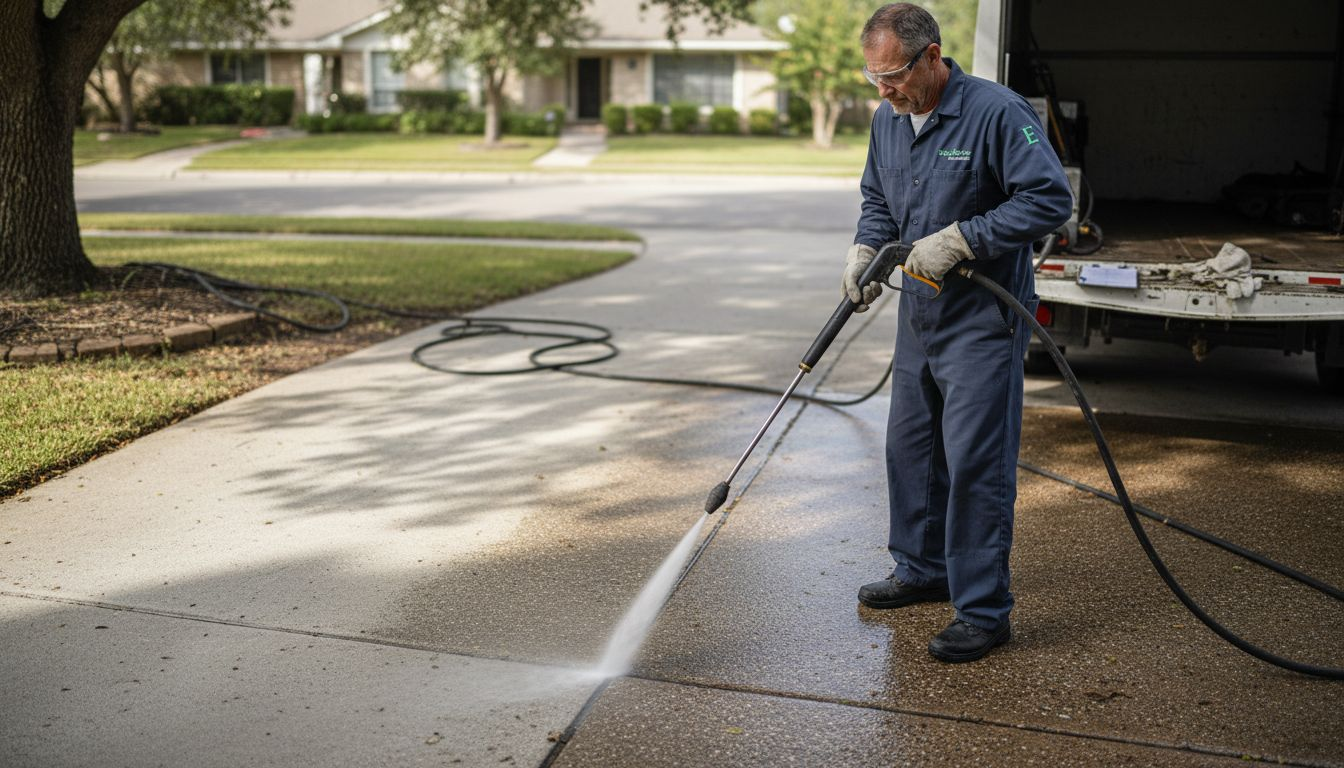
Finding clear answers in the world of exterior cleaning can get confusing, especially with so many technical terms and cleaning methods thrown around. For homeowners and property managers in Citrus County, understanding the basics is key to protecting your property and making smart choices. From surface assessment to proper cleaning method selection, this guide breaks down essential industry concepts so you can confidently decide which pressure washing services best fit your needs.
Table of Contents
- Core Concepts Of Exterior Cleaning Terminology
- Types Of Pressure Washing And Soft Washing
- Key Equipment And Chemical Terms Explained
- Measurements, Ratings, And Performance Factors
- Common Misconceptions In Exterior Cleaning
- Safety Standards And Surface Protection Practices
Key Takeaways
| Point | Details |
|---|---|
| Understanding Terminology | Familiarize yourself with exterior cleaning terminology including surface assessment, cleaning methods, and contaminant recognition for better decision-making. |
| Choosing the Right Method | Select between pressure washing and soft washing based on surface type and contamination level to avoid potential damage. |
| Evaluating Cleaning Effectiveness | Use standard performance metrics to assess cleaning outcomes, including surface coverage and contaminant removal rates. |
| Safety Standards Importance | Ensure your cleaning service follows safety protocols and regulations to protect both workers and property surfaces during the cleaning process. |
Core Concepts of Exterior Cleaning Terminology
Exterior cleaning involves complex processes that require specialized knowledge and precise techniques. Understanding the fundamental terminology helps homeowners and property managers make informed decisions about maintaining their properties’ exterior surfaces. These core concepts provide a comprehensive framework for evaluating cleaning needs and selecting appropriate methods.
The industry recognizes several critical dimensions of exterior cleaning, which can be broken down into essential categories:
- Surface Assessment: Identifying material composition and contamination levels
- Cleaning Method Classification: Determining appropriate techniques like soft washing or pressure washing
- Contaminant Recognition: Understanding different types of dirt, grime, and biological growth
- Environmental Considerations: Evaluating potential impacts on surrounding ecosystems
Professional exterior cleaning professionals utilize standardized cleanliness levels that range from basic surface maintenance to comprehensive restoration. These levels help establish clear expectations and determine the extent of cleaning required for different environments and surface types.
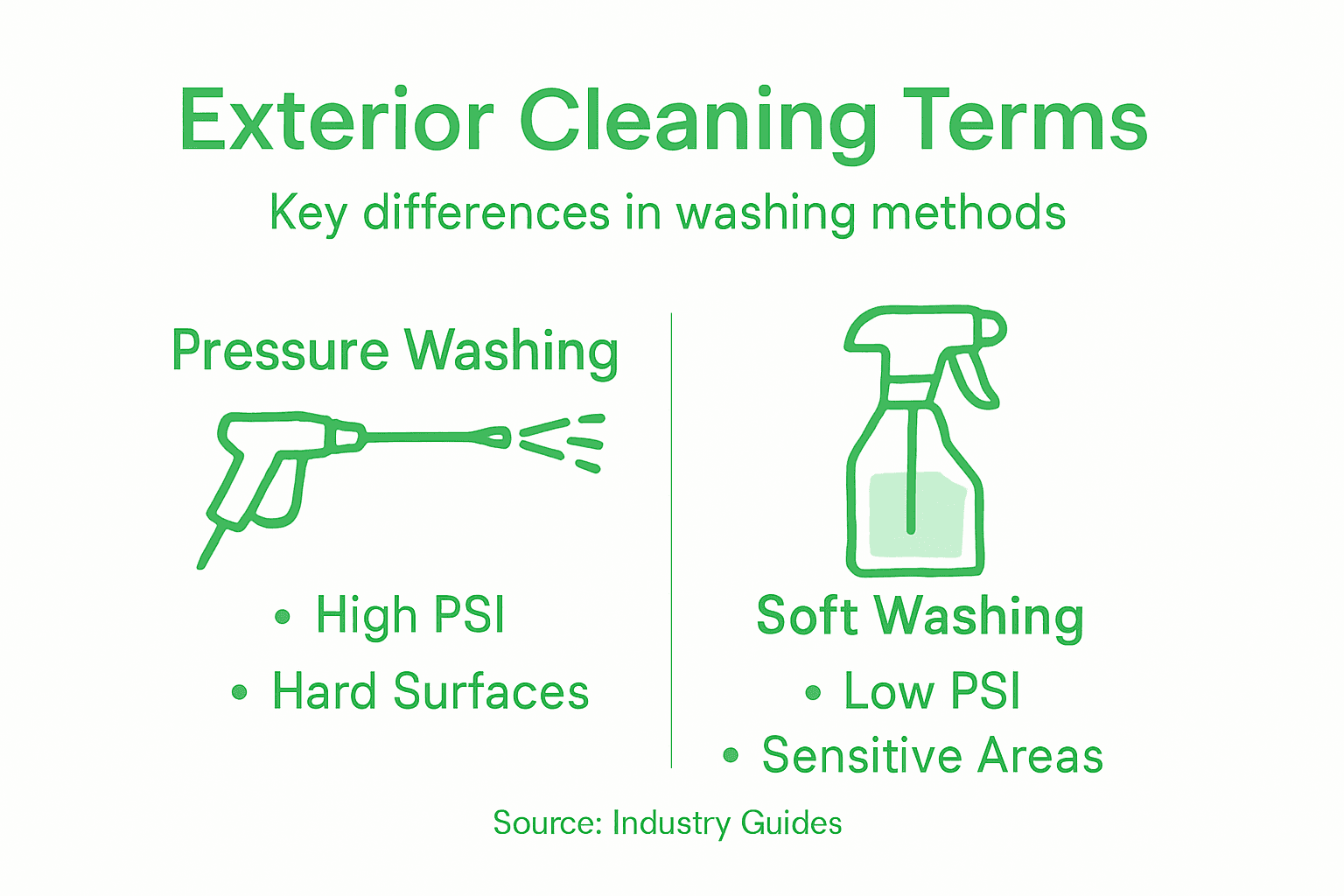
The terminology encompasses technical distinctions that go beyond simple cleaning. Soft washing, for instance, involves low-pressure water application combined with specialized cleaning solutions, while pressure washing uses high-pressure water streams to remove stubborn contaminants. Understanding these nuanced differences allows property owners to select the most appropriate cleaning approach for specific surfaces and conditions.
Pro tip: Always consult with professional exterior cleaning experts who can accurately assess your specific surface requirements and recommend the most effective cleaning strategy.
Types of Pressure Washing and Soft Washing
Exterior cleaning professionals utilize two primary techniques for surface restoration: pressure washing and soft washing. These methods differ significantly in their approach, equipment, and application, making it crucial for property owners to understand their distinct characteristics and appropriate use cases.
Pressure washing involves high-pressure water applications designed to remove tough contaminants from durable surfaces. The key characteristics of pressure washing include:
- Water Intensity: Uses high-pressure water streams
- Surface Compatibility: Best for concrete, brick, and heavy-duty materials
- Contaminant Removal: Effective against stubborn dirt, mold, and built-up grime
- Equipment: Requires specialized high-pressure washing machines
Soft washing, in contrast, represents a gentler approach to exterior cleaning. This method uses low-pressure water combined with specialized cleaning solutions to safely remove contaminants from delicate surfaces. Soft washing is particularly effective for:
- Roof cleaning
- Wooden surfaces
- Painted exteriors
- Delicate landscaping areas
- Surfaces prone to damage from high-pressure techniques
The environmental and regulatory considerations are critical in selecting the appropriate washing method. Different surfaces and contamination types require specific approaches to ensure effective cleaning while minimizing potential damage or environmental impact.
Here’s a concise comparison of pressure washing vs. soft washing to help you choose the right method:
| Attribute | Pressure Washing | Soft Washing |
|---|---|---|
| Water Pressure | High (2500+ PSI) | Low (<1000 PSI) |
| Suitable Surfaces | Concrete, brick, stone | Roofs, wood, painted surfaces |
| Cleaning Solution | Typically no chemicals | Specialized, gentle agents |
| Risk of Damage | Can harm delicate areas | Minimizes damage risk |
| Environmental Considerations | Higher runoff volume | Easier wastewater control |
Pro tip: Always consult with professional exterior cleaning experts to determine the most appropriate washing technique for your specific surface type and cleaning requirements.
Key Equipment and Chemical Terms Explained
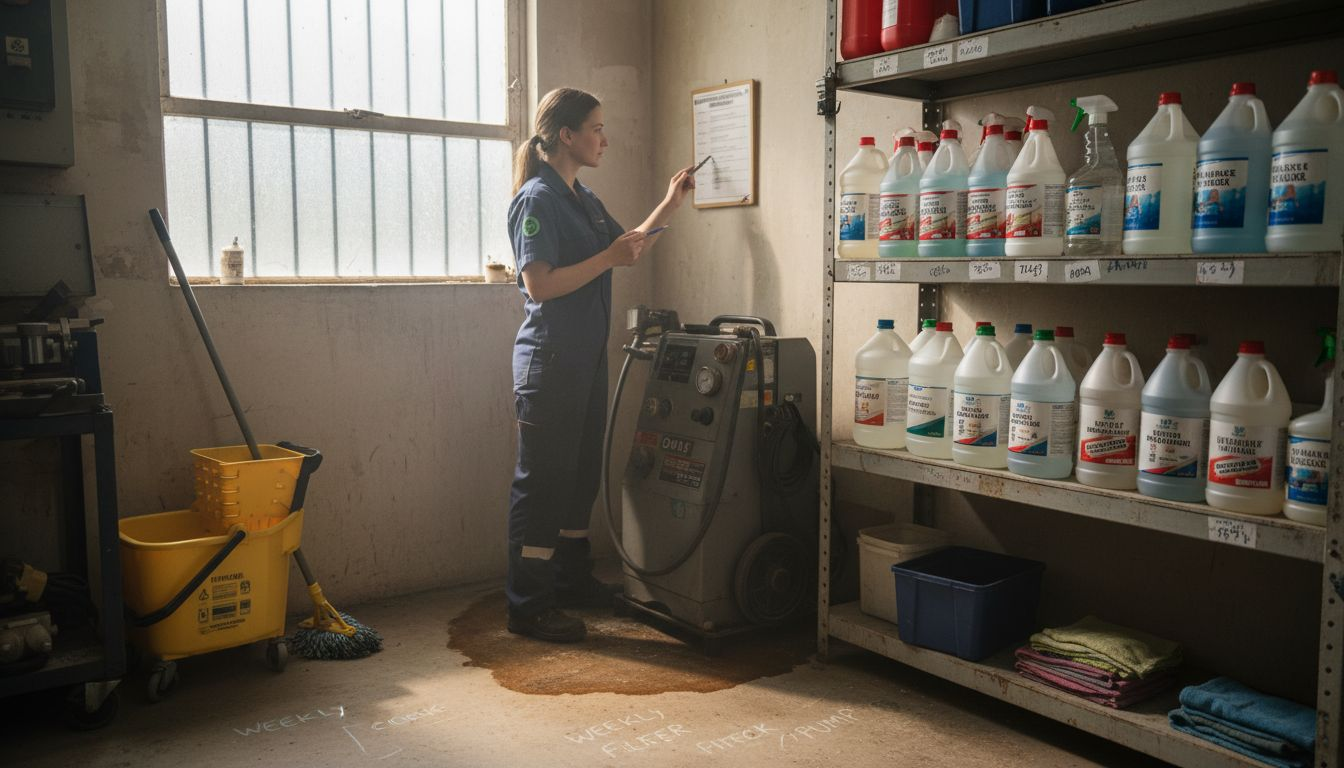
Understanding the specialized equipment and chemical terminology is crucial for property owners and cleaning professionals navigating exterior cleaning processes. The industry relies on a complex ecosystem of tools, technologies, and chemical solutions designed to effectively remove contaminants while preserving surface integrity.
Chemical solutions play a pivotal role in exterior cleaning, with professionals carefully selecting cleaning agents based on safety profiles. These specialized compounds are categorized into several critical groups:
- Biodegradable Detergents: Environmentally friendly cleaning solutions
- Alkaline Cleaners: Effective for breaking down organic matter
- Acidic Treatments: Used for specific mineral and rust removal
- Enzymatic Solutions: Targeted biological contaminant removal
Pressure washing equipment represents another critical component of exterior cleaning technology. Professional-grade systems are characterized by several key components:
- Pressure Regulators: Control water stream intensity
- Nozzle Configurations: Determine spray pattern and cleaning effectiveness
- Heating Elements: Enable hot water cleaning for stubborn contaminants
- Filtration Systems: Prevent debris from damaging equipment
Technical terminology distinguishes between various pressure ratings and application methods. PSI (pounds per square inch) and GPM (gallons per minute) serve as primary metrics for understanding equipment capabilities, with professionals selecting specific configurations based on surface requirements and contamination levels.
For quick reference, here’s a summary of key exterior cleaning equipment and chemical terms:
| Term | Description | Typical Use |
|---|---|---|
| PSI | Measures water pressure | Selecting cleaning intensity |
| GPM | Measures water flow rate | Ensures efficient cleaning |
| Alkaline Cleaner | Removes organic stains | Mold, algae, grime removal |
| Enzymatic Solution | Targets biological contaminants | Eco-friendly, specific removals |
| Nozzle Configuration | Dictates spray pattern | Tailors approach to surface type |
Pro tip: Always verify chemical compatibility and equipment specifications before attempting any exterior cleaning project to prevent potential surface damage.
Measurements, Ratings, and Performance Factors
Exterior cleaning professionals rely on sophisticated measurement systems to evaluate and communicate cleaning effectiveness. These performance metrics go beyond simple visual assessments, providing quantifiable data that helps property owners understand the quality and thoroughness of cleaning services.
Industry standards incorporate comprehensive performance measurement techniques that systematically assess cleaning outcomes. The primary performance evaluation metrics include:
- Surface Coverage: Percentage of area effectively cleaned
- Contaminant Removal Rate: Quantitative measure of dirt and grime elimination
- Residue Analysis: Chemical and particulate testing post-cleaning
- Restoration Quality: Assessment of surface condition after cleaning
Technical performance factors are typically measured using specialized equipment and standardized protocols. Key performance indicators for exterior cleaning include:
- Pressure rating (PSI)
- Water flow rate (GPM)
- Chemical concentration
- Surface material compatibility
- Cleaning solution effectiveness
- Environmental impact assessment
Professionals use sophisticated diagnostic tools to evaluate cleaning performance, measuring factors such as surface pH levels, moisture content, and microscopic contaminant presence. These advanced assessment techniques allow for precise documentation of cleaning effectiveness and ensure high-quality service delivery.
Pro tip: Request detailed performance reports from your exterior cleaning service to understand the specific metrics used to evaluate the cleaning process.
Common Misconceptions in Exterior Cleaning
Exterior cleaning is a complex field often misunderstood by homeowners and property managers. Many individuals harbor misconceptions that can lead to ineffective cleaning practices, potential property damage, or unnecessary expenses. Understanding these myths is crucial for making informed decisions about maintaining exterior surfaces.
One prevalent misconception involves the perceived safety of cleaning products. Research reveals that chemical safety is more nuanced than many realize. Homeowners often assume that:
- Green Products are always completely safe
- Natural Cleaners have no harmful side effects
- Eco-friendly automatically means non-toxic
- DIY Solutions are as effective as professional treatments
Another significant misunderstanding relates to moisture management and surface cleaning. Many property owners believe that simply removing visible mold or dirt resolves underlying issues. However, this approach overlooks critical factors such as:
- Root cause of contamination
- Moisture control strategies
- Long-term surface preservation
- Potential structural damage risks
- Comprehensive cleaning requirements
Professional exterior cleaning goes far beyond surface-level treatment. Comprehensive cleaning involves understanding material composition, environmental conditions, and specialized treatment techniques that address both immediate appearance and long-term surface health.
Pro tip: Consult professional cleaning experts who can provide comprehensive surface assessments and targeted cleaning strategies tailored to your specific property requirements.
Safety Standards and Surface Protection Practices
Exterior cleaning involves complex safety protocols that protect both workers and property surfaces from potential damage or contamination. Understanding these standards is crucial for ensuring effective and responsible cleaning practices that minimize risks and preserve surface integrity.
Occupational safety guidelines establish critical protection requirements for cleaning operations. The most comprehensive safety standards encompass multiple dimensions of protection:
- Worker Safety Equipment: Personal protective gear
- Chemical Handling Protocols: Safe storage and usage procedures
- Environmental Contamination Prevention: Wastewater management
- Surface Preservation Techniques: Minimizing potential damage
- Risk Assessment Procedures: Pre-cleaning evaluation
Professional exterior cleaning requires comprehensive risk management strategies that go beyond basic cleaning techniques. Critical safety considerations include:
- Identifying potential chemical hazards
- Understanding surface material vulnerabilities
- Implementing proper containment procedures
- Selecting appropriate cleaning techniques
- Monitoring potential environmental impacts
- Ensuring worker protection during cleaning operations
Beyond immediate safety concerns, surface protection practices involve sophisticated techniques that preserve material integrity while effectively removing contaminants. This approach requires deep understanding of material science, chemical interactions, and specialized cleaning methodologies.
Pro tip: Always verify professional cleaning services have comprehensive safety certifications and follow industry-standard protection protocols before engaging their services.
Master Exterior Cleaning Terminology with Expert Solutions from White Diamond Pressure Washing
Understanding the complex terminology around exterior cleaning such as pressure washing, soft washing, PSI ratings, and chemical solutions is essential for protecting your property and achieving lasting results. Many homeowners face challenges selecting the right method that balances effective contaminant removal with surface preservation. White Diamond Pressure Washing specializes in applying industry-approved techniques tailored to your specific surface needs, ensuring thorough cleaning without damage.
Don’t let confusion about cleaning methods put your property at risk. Our skilled team in Citrus County brings peace of mind by using low-pressure soft washing for delicate surfaces and high-pressure washing where necessary. We prioritize safety, environmental responsibility, and effective outcomes backed by customer satisfaction and proven expertise.
Looking to turn your learning into action? Discover how our professional pressure washing services can restore and protect your home or business today.

Explore trusted cleaning options with White Diamond Pressure Washing. For a personalized approach that aligns with the terminology and techniques you now understand, Book Now or request a Free Estimate. Take the next step to confidently maintain your property with experts who speak your language.
Frequently Asked Questions
What is the difference between pressure washing and soft washing?
Pressure washing uses high-pressure water streams to remove tough contaminants from durable surfaces, making it suitable for concrete and brick. Soft washing, on the other hand, employs low-pressure water combined with specialized cleaning solutions to safely clean delicate surfaces like roofs and painted exteriors.
What are biodegradable detergents and why are they important in exterior cleaning?
Biodegradable detergents are eco-friendly cleaning solutions that break down naturally in the environment. They are important in exterior cleaning because they minimize environmental impact and ensure that harmful chemicals do not contaminate surrounding ecosystems.
How do I determine the right cleaning method for my home’s exterior surfaces?
To determine the right cleaning method, assess the material composition of the surfaces and the type of contaminants present. For instance, use pressure washing for sturdy materials like concrete and soft washing for sensitive surfaces like wood or painted exteriors. Consulting a professional can provide additional insights.
What safety measures should be followed during the exterior cleaning process?
Safety measures include using personal protective equipment (PPE), following chemical handling protocols, preventing environmental contamination, and assessing risks before cleaning. Ensuring that workers are protected and that surface integrity is preserved is critical during cleaning operations.
One thought on “Industry Terminology in Exterior Cleaning Explained”