

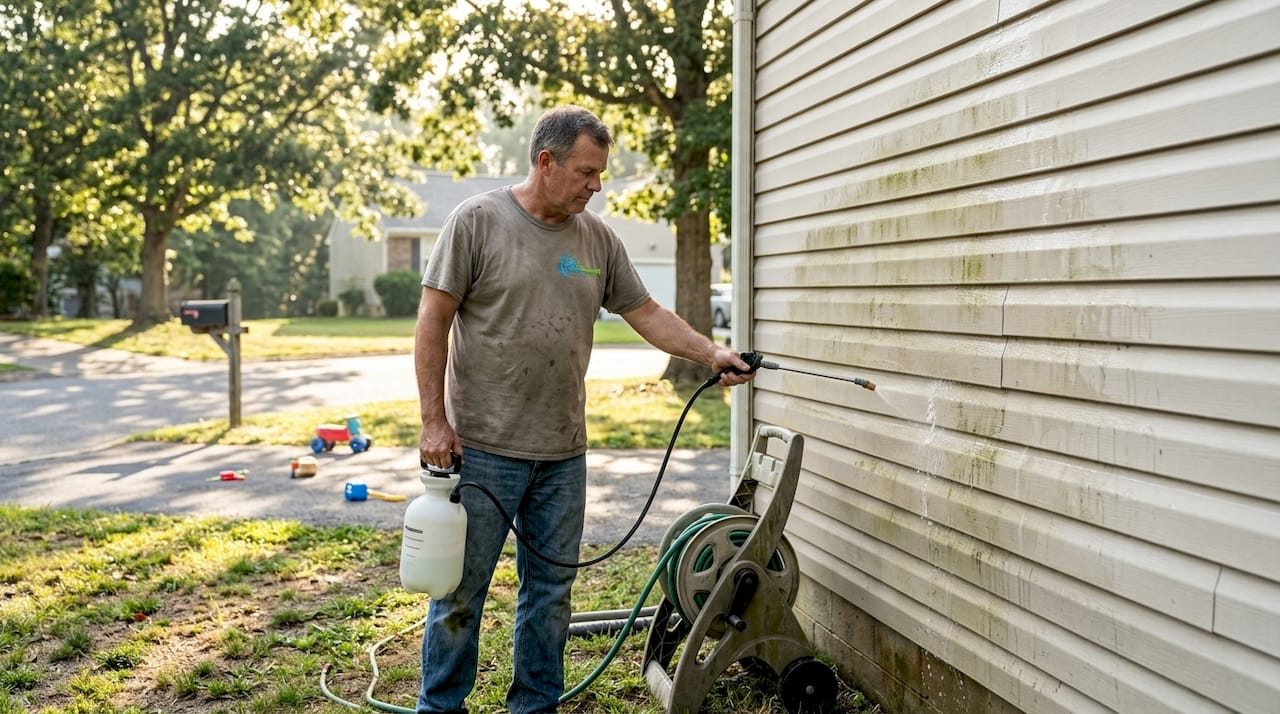
Most homeowners assume water pressure alone removes dirt from siding and roofs, but detergents play an equally critical role in effective exterior cleaning. Understanding how detergents work transforms your approach to maintaining your Citrus County property’s appearance and longevity. This guide explains the science behind detergent action, practical applications for Florida’s humid climate, and how to select and apply cleaning solutions that protect your home’s surfaces while delivering professional results.
Table of Contents
- Key takeaways
- How detergents work: the science behind cleaning
- Detergents in exterior home cleaning: adapting to Citrus County conditions
- Choosing the right detergent type and dosage for effective cleaning
- Best practices for applying detergents safely and effectively
- Explore expert exterior cleaning services in Citrus County
- Frequently asked questions
Key Takeaways
| Point | Details |
|---|---|
| Surfactants lower surface tension | Detergents use surfactants to reduce water surface tension so cleaning solutions spread and penetrate surfaces. |
| Micelles trap dirt | Surfactants form micelles that encapsulate dirt and keep it suspended so it rinses away without redepositing. |
| Soft washing benefits | Soft washing uses low pressure with detergents to safely remove algae and mildew without damaging siding. |
| Water hardness matters | Detergent performance in hard water improves cleaning efficiency on exterior surfaces. |
How detergents work: the science behind cleaning
Detergents revolutionize exterior cleaning through specialized molecules called surfactants. These amphiphilic compounds contain a hydrophilic (water-loving) head and a hydrophobic (water-repelling) tail, creating a unique molecular structure that bridges water and oil. When you apply detergents in exterior cleaning, surfactants immediately begin reducing water’s surface tension, allowing cleaning solutions to spread across and penetrate surfaces rather than beading up.
The cleaning process happens in three distinct phases. First, surfactants lower surface tension so water wets the dirty surface completely. Second, the hydrophobic tails attach to oil and grease while hydrophilic heads remain in water, physically lifting contaminants away from surfaces. Third, surfactants form spherical structures called micelles that encapsulate dirt particles, preventing them from redepositing on your home’s exterior as you rinse.
Anionic surfactants dominate the cleaning industry, comprising 60% of market share because they excel at removing oily soils common on exterior surfaces. These negatively charged molecules aggressively attack grease, grime, and organic matter that accumulates on siding, driveways, and walkways. Their molecular structure creates strong electrostatic repulsion between dirt particles, keeping contaminants suspended in rinse water rather than settling back onto cleaned surfaces.
Key surfactant properties for exterior cleaning:
- Reduce water surface tension from 72 to 25-30 dynes per centimeter
- Create micelles at concentrations above the critical micelle concentration
- Maintain stability across temperature ranges typical in Florida’s climate
- Remain effective in hard water conditions common throughout Citrus County
Pro Tip: The critical micelle concentration represents the point where surfactants begin forming micelles; using detergents below this threshold wastes product without delivering cleaning benefits, while excessive concentrations leave residues that attract dirt faster.
Different surfactant types serve specific cleaning purposes on your property. Nonionic surfactants work well in hard water and excel at removing particulate dirt from concrete and pavers. Cationic surfactants provide antimicrobial properties useful for killing mold and mildew on shaded surfaces. Amphoteric surfactants offer gentler cleaning for delicate surfaces like painted wood trim. Understanding these distinctions helps you match detergent chemistry to your home’s specific exterior cleaning challenges.
Detergents in exterior home cleaning: adapting to Citrus County conditions
Citrus County’s humid subtropical climate creates ideal conditions for algae, mildew, and organic growth on home exteriors, making detergent selection and application critical for property maintenance. Soft washing uses low pressure combined with specialized detergents to safely remove these contaminants without damaging surfaces. This approach operates at 30-100 PSI, roughly equivalent to a garden hose’s pressure, yet achieves superior cleaning results compared to high-pressure methods that can crack siding or force water behind exterior cladding.
Vinyl siding, fiber cement panels, and stucco finishes dominate Citrus County residential construction, and each material responds differently to cleaning solutions. Vinyl tolerates alkaline detergents well but can fade with excessive pressure. Fiber cement requires pH-balanced solutions to prevent surface etching. Stucco’s porous nature demands detergents that penetrate deeply without leaving residues in texture variations. Professional-grade soft washing detergents address these material-specific requirements while biodegrading safely to protect local waterways and landscaping.
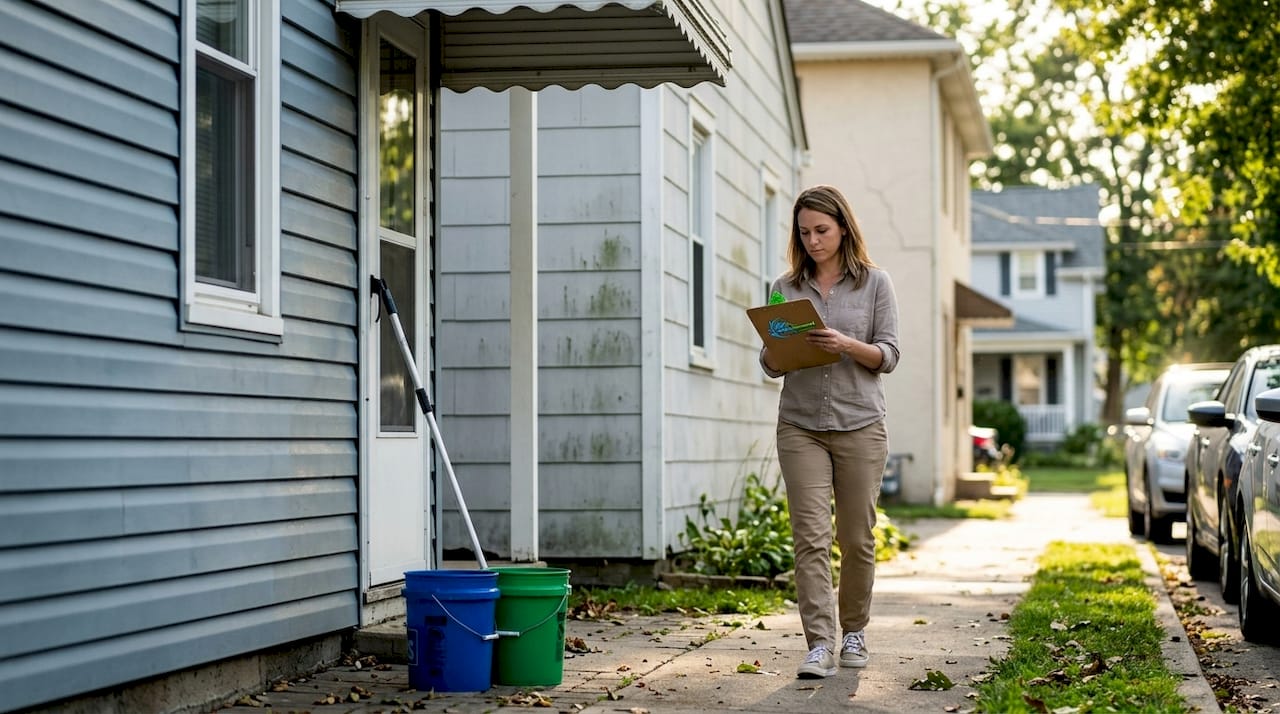
The detergent dwell time proves as important as the chemical formulation itself. After application, surfactants need 10-15 minutes to break molecular bonds between contaminants and surfaces. Rushing this process by rinsing too quickly reduces cleaning effectiveness and may require repeat applications. However, allowing detergents to dry on surfaces creates stubborn residues that attract dirt faster, shortening the time between cleanings.
Optimal soft washing conditions for Citrus County homes:
- Apply detergents during morning or evening hours when temperatures stay below 85°F
- Avoid direct sunlight that accelerates drying and reduces dwell time effectiveness
- Pre-wet surfaces to control detergent absorption and prevent streaking
- Maintain consistent application patterns to ensure even coverage across large surfaces
Pro Tip: Always test detergent solutions on inconspicuous areas before full application; some older paint formulations or weathered surfaces may react unexpectedly to modern cleaning chemistry, and a small test spot prevents costly damage to visible areas.
Algae and mildew removal represents the most common exterior cleaning challenge in Florida’s humid environment. These organisms produce biofilms that bond tenaciously to surfaces, requiring detergents with specific antimicrobial properties. Sodium hypochlorite solutions effectively kill organic growth but must be properly diluted and combined with surfactants to prevent plant damage and ensure complete coverage. The soft washing process explained demonstrates how professional services balance chemical strength with environmental responsibility.
Choosing the right detergent type and dosage for effective cleaning
Synthetic detergents outperform traditional soaps in Citrus County’s hard water, which contains elevated levels of calcium and magnesium minerals. These minerals react with soap molecules to form insoluble scum that deposits on surfaces rather than cleaning them. Synthetic detergents resist hard water because their molecular structure doesn’t bind with mineral ions, maintaining cleaning effectiveness regardless of water composition. This chemical advantage makes synthetic formulations essential for consistent exterior cleaning results throughout the region.
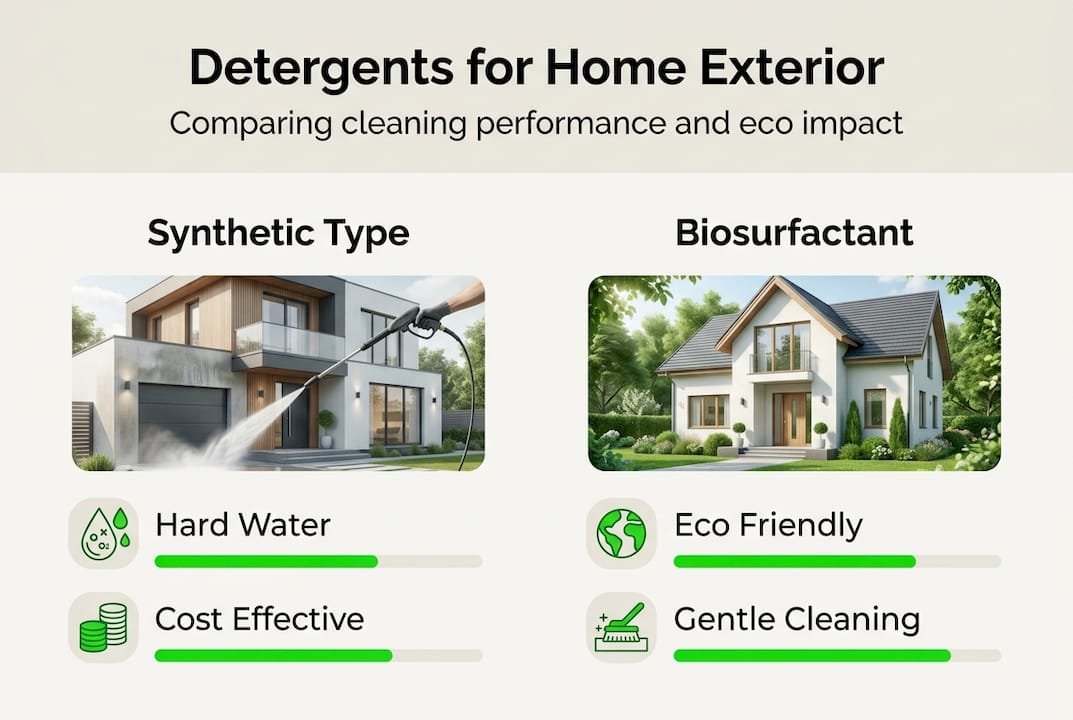
Liquid versus powder detergents perform differently based on local water conditions. Liquid formulations dissolve instantly and maintain consistent concentration regardless of water hardness, making them ideal for spray applications in soft washing equipment. Powder detergents cost less per cleaning but require 10-30% additional dosage in hard water to achieve comparable results. For homeowners managing their own exterior cleaning, liquids offer predictable performance, while professionals often prefer powders for large-scale projects where cost efficiency matters.
Biosurfactants represent an emerging category of eco-friendly detergents derived from natural sources like plant oils and bacterial fermentation. These renewable alternatives biodegrade faster than synthetic options and reduce environmental impact on Citrus County’s waterways and wildlife. However, biosurfactants exhibit slower adsorption rates at surface interfaces, requiring longer dwell times and potentially multiple applications for heavily soiled surfaces. The trade-off between environmental benefits and cleaning speed influences detergent selection based on project urgency and sustainability priorities.
| Detergent Type | Hard Water Performance | Biodegradability | Cost Efficiency | Best Application |
|---|---|---|---|---|
| Synthetic Liquid | Excellent | Moderate | Medium | Soft washing, spray equipment |
| Synthetic Powder | Good (higher dosage needed) | Moderate | High | Large-scale cleaning projects |
| Biosurfactant | Excellent | High | Low | Eco-sensitive areas, gradual cleaning |
| Soap-Based | Poor (forms scum) | High | Medium | Soft water areas only |
Optimal surfactant blends combine multiple detergent types to leverage complementary strengths. Research indicates that mixtures containing 22% anionic and 12% nonionic surfactants deliver superior heavy dirt removal compared to single-component formulations. The anionic portion aggressively attacks oils and organic matter, while nonionic surfactants enhance wetting and prevent redeposition. This synergistic effect reduces total detergent usage while improving cleaning outcomes, benefiting both cost efficiency and environmental impact.
Pro Tip: Measure water hardness using inexpensive test strips available at hardware stores; knowing your water contains 7-10 grains per gallon (moderately hard) versus over 10 grains (hard) allows precise detergent dosage adjustments that prevent both residue buildup from overdosing and inadequate cleaning from underdosing.
Overdosing detergents creates more problems than it solves. Excess surfactants leave sticky residues that attract dirt faster, shortening the interval between cleanings and potentially creating streaking on windows and siding. These residues also harm plants by coating leaf surfaces and blocking gas exchange. Following manufacturer guidelines and adjusting for local water conditions ensures optimal performance without waste. For advantages of low pressure washing, proper detergent ratios prove more important than equipment pressure settings.
Understanding the distinction between soft washing vs power washing clarifies why detergent selection matters more in low-pressure applications. Power washing relies primarily on mechanical force to remove contaminants, potentially damaging surfaces in the process. Soft washing depends on chemical action, making detergent quality and proper dosage critical success factors. This chemical-focused approach requires more knowledge but delivers safer, longer-lasting results for most exterior cleaning projects. Additional guidance on selecting the ideal soft wash detergent helps homeowners navigate the complex marketplace of cleaning products.
Best practices for applying detergents safely and effectively
Proper detergent application protects your home’s surfaces while maximizing cleaning effectiveness. Following systematic procedures ensures consistent results and prevents common mistakes that damage materials or waste cleaning solutions. These best practices apply whether you handle exterior cleaning yourself or evaluate professional services.
Step-by-step detergent application process:
- Test water hardness and adjust detergent concentration accordingly based on manufacturer specifications
- Pre-wet surfaces with plain water to control detergent absorption and prevent rapid drying
- Apply detergent solution at low pressure (30-100 PSI) using bottom-to-top application patterns
- Allow proper dwell time (10-15 minutes) for surfactants to break contaminant bonds
- Rinse thoroughly from top to bottom using low pressure to remove all detergent residues
- Inspect cleaned areas and spot-treat any remaining stains with targeted reapplication
Pressure settings dramatically affect cleaning outcomes and surface integrity. Pairing detergents with low PSI maintains your home’s appearance while avoiding damage from excessive force. Pressures above 1500 PSI can crack vinyl siding, strip paint, force water behind exterior cladding, and void manufacturer warranties. The role of water pressure citrus becomes clear when you understand that proper detergent chemistry eliminates the need for damaging high pressure in most residential applications.
Timing your exterior cleaning projects around weather conditions improves results and safety. Apply detergents when temperatures range between 50-85°F for optimal chemical activity. Avoid cleaning during direct sunlight, which causes rapid evaporation and reduces dwell time effectiveness. Rain within 24 hours of application can dilute or rinse away detergents before they complete their cleaning action. Check forecasts and plan cleaning sessions during stable weather periods for best outcomes.
Environmental protection measures during detergent application:
- Cover or wet down landscaping plants before applying cleaning solutions
- Divert runoff away from storm drains when possible to reduce waterway contamination
- Use biodegradable detergents formulated for environmental safety
- Rinse plants thoroughly with fresh water after completing cleaning projects
- Avoid applying detergents on windy days that cause drift onto unintended surfaces
Pro Tip: Keep a garden hose ready to immediately rinse any detergent that contacts windows, as some formulations can etch glass if allowed to dry; this simple precaution prevents permanent damage that requires expensive glass replacement.
Surface preparation before detergent application significantly impacts cleaning effectiveness. Remove loose debris, cobwebs, and organic matter manually rather than relying solely on chemical action. This preliminary step allows detergents to focus on bonded contaminants rather than wasting surfactant capacity on material that rinses away easily. The few extra minutes spent on preparation reduce total cleaning time and improve final appearance.
Understanding why avoid high pressure washing helps homeowners appreciate the value of proper detergent application. High pressure creates false confidence by appearing to clean quickly, but it often drives dirt deeper into porous surfaces, forces water into wall cavities where it causes mold growth, and damages surface textures that protect materials from weathering. Detergent-based soft washing achieves deeper, longer-lasting cleaning without these risks.
Regular maintenance schedules using appropriate detergents extend the time between deep cleaning sessions. Preventative exterior cleaning strategies include quarterly spot treatments of high-moisture areas prone to mildew and annual comprehensive cleanings of all exterior surfaces. This proactive approach prevents heavy contamination buildup that requires aggressive treatments, preserving your home’s materials and appearance over decades of ownership.
Explore expert exterior cleaning services in Citrus County
Understanding detergent chemistry and application techniques empowers informed decisions about exterior home maintenance, but implementing these practices safely and effectively requires specialized equipment, training, and experience. White Diamond Pressure Washing brings professional expertise to Citrus County homeowners seeking reliable exterior cleaning solutions. Their team applies the soft washing process explained throughout this article, using eco-friendly detergents and calibrated low-pressure techniques that protect your property while delivering exceptional results.

Their comprehensive pressure washing services address every exterior surface on your property, from roof shingles and siding to driveways and walkways. Each project begins with surface assessment and water hardness testing to determine optimal detergent formulations and application methods. This customized approach ensures your home receives appropriate treatment rather than generic solutions that may underperform or cause damage. The advantages of low pressure washing become evident in their work quality and the lasting cleanliness of treated surfaces.
Frequently asked questions
What is the difference between synthetic detergents and biosurfactants?
Synthetic detergents clean faster and perform consistently in Citrus County’s hard water conditions, making them ideal for heavily soiled surfaces requiring immediate results. Biosurfactants offer superior environmental benefits through faster biodegradation and renewable sourcing, but they require longer dwell times and may need multiple applications for stubborn stains. Homeowners prioritizing sustainability can choose biosurfactants for routine maintenance, while synthetic options work better for neglected surfaces needing aggressive treatment.
Why is low-pressure soft washing recommended for Citrus County homes?
Low-pressure soft washing prevents damage to vinyl siding, fiber cement panels, and stucco finishes common throughout the region while effectively removing algae and mildew that thrive in Florida’s humid climate. High pressure can crack materials, void warranties, and force water into wall cavities where it causes mold growth. Combining proper detergents with gentle pressure delivers deeper, longer-lasting cleaning without these risks.
How do I know the right detergent dosage for my property?
Test your water hardness using inexpensive strips from hardware stores, then follow manufacturer guidelines adjusted for your results. Hard water (above 10 grains per gallon) requires 10-30% additional powder detergent or switching to liquid formulations that perform consistently regardless of mineral content. Avoid overdosing, which leaves residues that attract dirt faster, and underdosing, which reduces cleaning effectiveness and may require repeat applications.
Can I use household dish soap for exterior cleaning projects?
Household dish soaps lack the specialized surfactant blends, pH balance, and concentration needed for effective exterior cleaning. They create excessive suds that make rinsing difficult, may contain additives that harm plants, and don’t include antimicrobial agents necessary for killing mold and mildew. Professional exterior cleaning detergents are formulated specifically for building materials and outdoor conditions, delivering superior results without the problems associated with repurposed household products.
How often should I clean my home’s exterior in Citrus County?
Annual comprehensive cleaning maintains most homes effectively, with quarterly spot treatments for high-moisture areas like north-facing walls and shaded sections prone to mildew growth. Properties near oak trees or in heavily vegetated areas may benefit from semi-annual cleaning to address pollen, organic debris, and accelerated algae growth. Regular maintenance prevents heavy contamination buildup that requires aggressive treatments, preserving materials and reducing long-term cleaning costs.
Recommended
- Role of Detergents in Exterior Cleaning Success – white-diamond-pressure
- Why Clean Home Exteriors Matter for Value – white-diamond-pressure
- Why Professional Exterior Cleaning Matters Most – white-diamond-pressure
- Benefits of Exterior Cleaning for Homeowners – white-diamond-pressure
- Cleaning as a Marketing Tool: Boosting Property Appeal
2 thoughts on “How detergents transform home exterior cleaning results”