

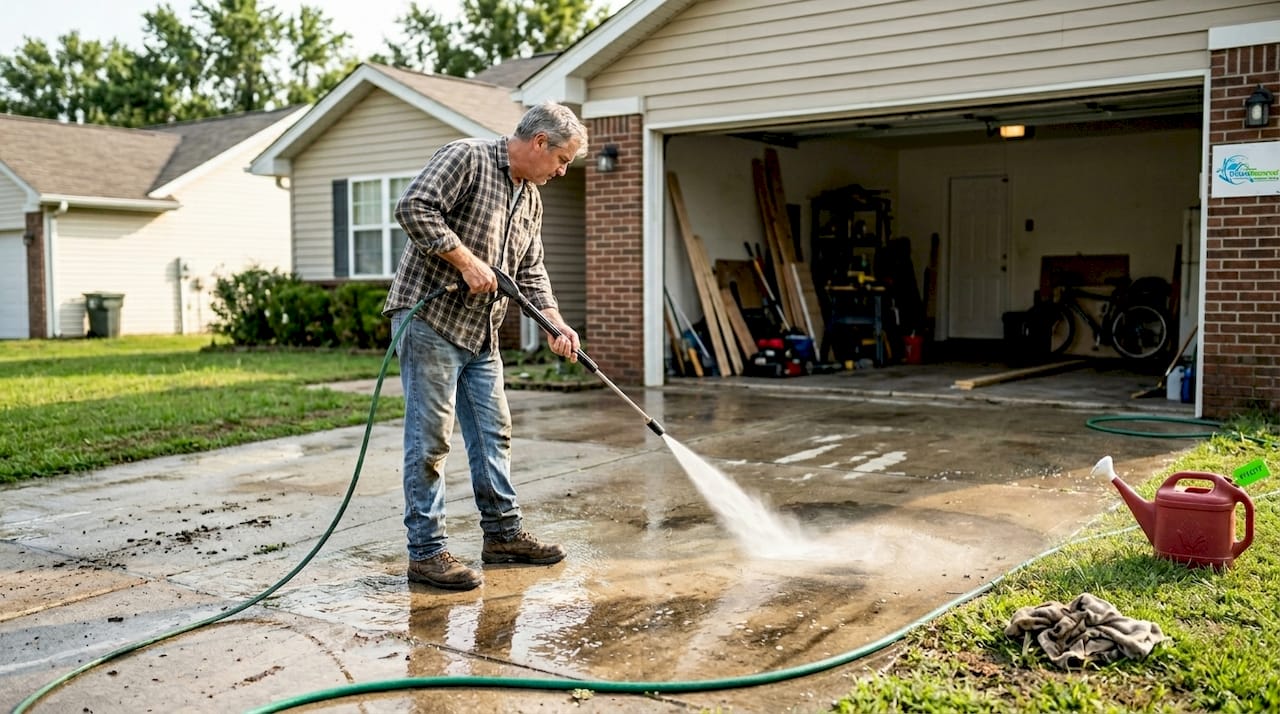
Pressure washing looks simple until you’re staring at gouged siding, stripped paint, or a flooded flower bed. For homeowners and property managers in Citrus County, the stakes are real. Florida’s humidity means exterior surfaces need frequent cleaning, but even 100 PSI can lacerate skin and damage materials if used incorrectly. This guide walks you through the six most costly pressure washing mistakes, what causes them, and exactly what to do instead so you protect your property and your wallet.
Table of Contents
- The high cost of common pressure washing mistakes
- Mistake #1: Using too much pressure
- Mistake #2: Choosing the wrong nozzle
- Mistake #3: Poor nozzle control and distance
- Mistake #4: Skipping safety gear and preparation
- Mistake #5: Wrong cleaning solutions or surfaces
- Mistake #6: Using the wrong cleaning technique
- Quick reference: What to do instead
- Get safer, spotless results with Citrus County experts
- Frequently asked questions
Key Takeaways
| Point | Details |
|---|---|
| Use moderate pressure | Start with the lowest pressure setting and test to prevent damaging home surfaces. |
| Choose the right nozzle | Select a nozzle type that matches your surface to avoid gouges or streaks. |
| Protect people and property | Wear proper PPE, cover plants, and prepare the workspace to prevent injuries and damage. |
| Work top-down with overlap | Clean in a controlled, overlapping manner from top to bottom for a spotless finish. |
| Know when to hire a pro | Complex jobs and delicate materials are safer in professional hands for best results. |
The high cost of common pressure washing mistakes
Most homeowners assume pressure washing is foolproof. Point, spray, done. But the reality is that a single session with the wrong settings can cause hundreds or even thousands of dollars in damage to siding, wood decking, or painted surfaces. Worse, it can put you in the emergency room.
The numbers are sobering. A reported 7,047 ER injuries from pressure washers happen every year in the United States. That’s not counting the property damage claims that follow improper technique. Even experienced DIYers fall into the same traps repeatedly.
Here are the most common mistakes that lead to damage and injury:
- Using too much pressure (PSI) for the surface type
- Choosing the wrong spray nozzle
- Holding the wand too close or at the wrong angle
- Skipping personal protective equipment (PPE)
- Using the wrong cleaning solution or tackling the wrong surfaces
- Cleaning in the wrong direction or sequence
The good news? Every one of these mistakes is preventable. Understanding the risks of high-pressure washing before you start is the single best investment you can make. Avoiding common house cleaning mistakes also applies here: preparation and the right tools make all the difference.
Pro Tip: Before cleaning any full surface, test your settings on a small, hidden area first. A two-minute test can prevent a two-thousand-dollar repair bill.
Mistake #1: Using too much pressure
More pressure does not mean cleaner results. It means more risk. Most residential surfaces need far less force than people think, and cranking up the PSI is the fastest way to cause permanent damage.
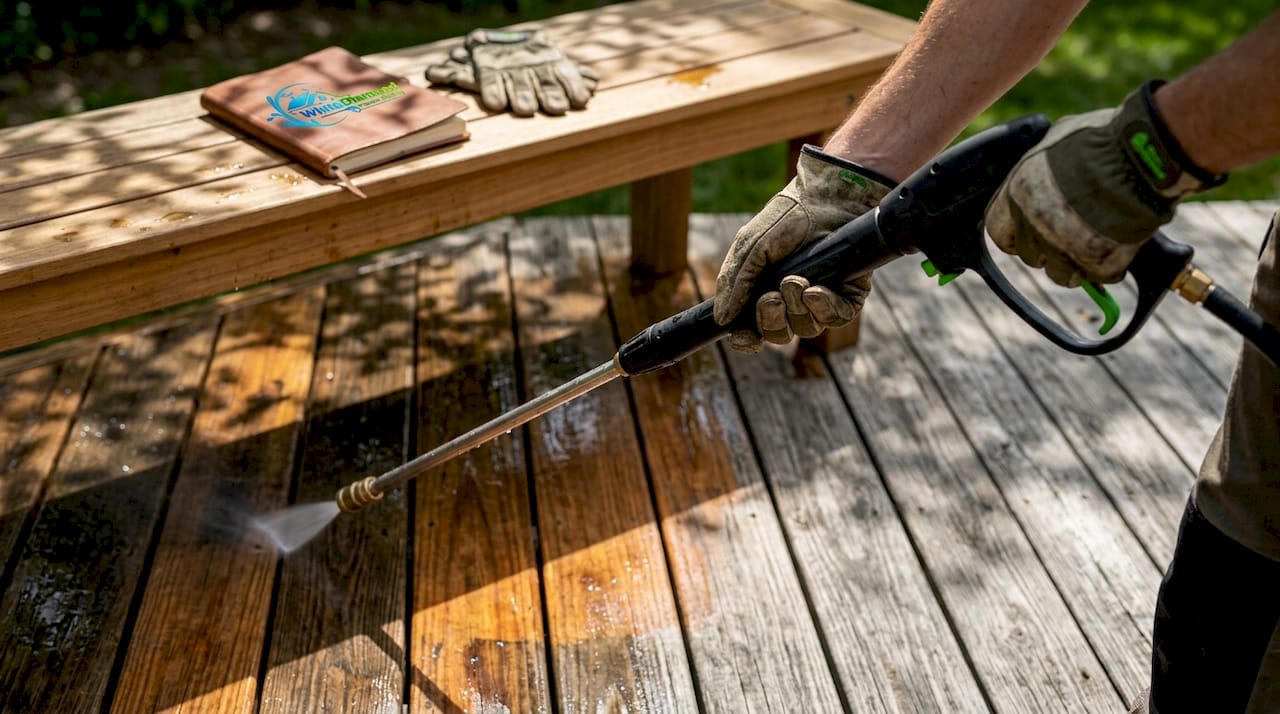
Here’s a practical breakdown of safe PSI ranges for common Citrus County surfaces:
| Surface | Recommended PSI | Risk if Too High |
|---|---|---|
| Wood decking | 500 to 600 | Splintering, gouging |
| Vinyl siding | 1,200 to 1,500 | Cracking, water intrusion |
| Concrete driveway | 2,500 to 3,000 | Surface etching |
| Brick or pavers | 1,500 to 2,000 | Mortar erosion |
| Painted surfaces | 1,200 to 1,500 | Paint stripping |
The lowest setting first rule applies to every job. Start low, test, and increase only if needed. This is especially important in Citrus County where wood fences, stucco exteriors, and painted driveways are common and vulnerable.
Holding the wand too close amplifies the pressure dramatically. At six inches away, you’re delivering far more force than the PSI rating suggests. Learning to avoid high-pressure damage is about both the machine setting and your physical distance from the surface.
Pro Tip: If you’re unsure about a surface, drop the PSI and add a wider nozzle angle. You can always make a second pass. You cannot un-gouge a wood plank.
Mistake #2: Choosing the wrong nozzle
The nozzle controls how concentrated the water stream is, and it matters just as much as PSI. Most pressure washers come with color-coded nozzles, and using the wrong one is a surprisingly common source of damage.
Here’s what each color does:
| Nozzle color | Spray angle | Best use |
|---|---|---|
| Red | 0 degrees | Stubborn stains on concrete only |
| Yellow | 15 degrees | Heavy-duty surfaces, stripping |
| Green | 25 degrees | General cleaning, driveways |
| White | 40 degrees | Siding, wood, delicate surfaces |
| Black | 65 degrees | Applying soap and detergent |
Using a red or yellow nozzle on vinyl siding or wood is one of the fastest ways to cause irreversible damage. The stream is so concentrated it acts more like a blade than a cleaning tool.
Using the wrong nozzle leads to:
- Uneven streaks across siding or concrete
- Etched or pitted surfaces that cannot be repaired
- Wasted water and longer cleaning time
- Accidental removal of sealants or paint
For Citrus County homeowners dealing with mold and mildew on exterior walls, the low-pressure washing benefits of a wide-angle nozzle combined with the right detergent outperform a narrow, high-force stream every time.
Mistake #3: Poor nozzle control and distance
You can have the right PSI and the right nozzle and still cause damage if your technique is off. Distance and angle are the two most overlooked variables in DIY pressure washing.
Follow these steps for safe, effective technique:
- Hold the wand with both hands for steady control.
- Start at least 18 inches from the surface and move closer only if needed.
- Keep the nozzle at a 45-degree angle, not perpendicular to the surface.
- Move in smooth, overlapping side-to-side passes.
- Never stop the stream while pointing at one spot.
Holding the nozzle too close, even for a second, can remove mortar from brick, strip paint from wood, or gouge soft stucco. A 12 to 18 inch distance with a consistent 45-degree sweeping motion is the standard that protects surfaces while still delivering a thorough clean.
One misstep with the wand can mean repainting an entire wall or re-pointing brick mortar, repairs that easily run into the hundreds of dollars. Consistency matters more than speed.
Mistake #4: Skipping safety gear and preparation
This is the mistake that sends people to the hospital. Pressure washers are not garden hoses. The water stream can cut through skin, inject debris into tissue, and cause serious eye injuries. Yet many homeowners skip PPE entirely.
Essential safety gear before you start:
- Safety goggles or a face shield
- Waterproof gloves
- Closed-toe shoes or rubber boots
- Long pants and sleeves
Prepping your work area is equally important. Skipping PPE and failing to cover outlets and plants is a leading cause of injury and property damage. Before you turn on the machine, take these steps: sweep debris, protect landscaping, and tape vents for best results.
“7,047 emergency room visits per year are linked to pressure washer injuries. Most are preventable with basic safety steps.”
Additional prep steps that most people skip:
- Cover all outdoor electrical outlets with waterproof tape
- Move patio furniture, planters, and decorations out of the spray zone
- Shield garden beds and shrubs with plastic sheeting
- Secure pets indoors and keep children well away from the area
Proper preparation also improves your cleaning results. A clear, prepped surface means more even coverage and no accidental re-soiling from debris. Review pressure washing safety guidelines and follow established protocols before starting any job. If you’re unsure about the risks, understanding DIY pressure washing risks can help you decide whether to hire a pro.
Mistake #5: Wrong cleaning solutions or surfaces
Not every stain needs a detergent, and not every detergent is safe for every surface. Using the wrong product, or skipping one entirely, is a mistake that leads to poor results and potential damage.
Wrong or no detergent fails to remove mold, oil, or organic stains, and harsh chemicals can kill plants or degrade siding over time. Always match the cleaning solution to the surface and the type of stain you’re treating.
Some surfaces should never be pressure washed at all. Avoid pressure washing roofs, windows, electronics, loose paint, or untreated wood.
Safe surfaces for pressure washing:
- Concrete driveways and walkways
- Brick patios (with appropriate PSI)
- Vinyl siding (low pressure only)
- Metal fencing
Surfaces to avoid or soft-wash only:
- Asphalt shingles (pressure strips granules)
- Electrical panels and outdoor wiring
- Old or crumbling brick
- Untreated or weathered wood
- Single-pane windows
For Citrus County properties with heavy mold or algae growth, an eco-friendly detergent applied with a low-pressure rinse outperforms blasting with high PSI. Let the solution soak for five to ten minutes before rinsing. Good detergent selection tips can make the difference between one pass and three.
Mistake #6: Using the wrong cleaning technique
Even with the right equipment, wrong technique ruins the result. Random spray patterns, spot cleaning, and working from the bottom up are the three most common technique errors.
Follow this sequence every time:
- Start at the highest point of the surface (roofline, top of wall, or upper step).
- Work downward in horizontal, overlapping passes.
- Each pass should overlap the previous one by about 50 percent.
- Rinse detergent off from top to bottom as well.
- Never go back over a dry section with a wet pass.
Top-down, overlapping sweeps prevent dirty water from running over already-cleaned areas and causing streaks. Spot cleaning individual stains without treating the surrounding area creates obvious patches that look worse than the original dirt.
In Citrus County, where humidity encourages mold and mildew to grow in consistent patterns across entire walls, maintaining direction and overlap is critical. Low-pressure cleaning for mold works best when applied systematically, not randomly.
Pro Tip: Work in sections no wider than three feet at a time. This keeps your passes consistent and prevents fatigue from causing you to rush and skip areas.
Quick reference: What to do instead
Here’s a summary table you can bookmark before your next cleaning session.
| Mistake | What to do instead | When to call a pro |
|---|---|---|
| Too much pressure | Start at lowest PSI, test first | Multi-story homes or fragile materials |
| Wrong nozzle | Match nozzle color to surface type | Delicate stucco, historic brick |
| Poor distance or angle | 12 to 18 inches, 45-degree angle | Any surface showing immediate damage |
| No PPE or prep | Full gear, cover outlets and plants | Always for roof or electrical proximity |
| Wrong detergent or surface | Surface-specific eco-friendly cleaners | Significant mold, oil, or stain buildup |
| Wrong technique | Top-down, overlapping passes | Large commercial surfaces or heavy mildew |
For jobs involving professional pressure washing, such as multi-story exteriors, delicate roofing materials, or widespread mold, the cost of hiring a pro is almost always less than the cost of fixing DIY damage. Pressure washing in Citrus County has unique demands given the climate, and local expertise matters.
Get safer, spotless results with Citrus County experts
Knowing the mistakes is one thing. Having the right equipment, products, and trained hands to avoid them is another. If your property has significant mold buildup, delicate surfaces, or you simply want the job done right the first time, White Diamond Pressure Washing is ready to help.

We specialize in low-pressure washing advantages that protect your home’s exterior while delivering a deep, lasting clean. From driveways and walkways to roofs and siding, our team uses industry-approved methods and surface-specific detergents to get results without the risk. Explore our full range of pressure washing services and get a free estimate today. Skip the guesswork and let Citrus County’s trusted exterior cleaning professionals handle it.
Frequently asked questions
What surfaces should never be pressure washed?
Avoid pressure washing roofs, electrical panels, windows, loose paint, and untreated wood. Unsuitable surfaces like these can crack, void warranties, or suffer irreversible damage from high-pressure water.
Can you pressure wash a painted surface without damage?
Yes, but only with low pressure, a wide-angle nozzle, and a minimum distance of 12 inches. Holding the nozzle too close under 12 to 18 inches gouges surfaces or strips paint, so always test a small spot first.
How do I prevent streaks when pressure washing?
Always wash from the top down using overlapping side-to-side passes and never spot clean individual areas. Wrong order or direction causes streaks and re-soiling that are hard to fix after the surface dries.
Is detergent always required for exterior cleaning?
Not for light dirt, but for mold, mildew, or oil stains, a surface-appropriate detergent is essential. Wrong or no detergent fails to lift organic stains, and harsh chemicals can damage plants or degrade siding over time.
Recommended
- Why Avoid High-Pressure Washing: Lasting Home Risks – white-diamond-pressure
- Why Avoid DIY Pressure Washing at Home – white-diamond-pressure
- Pressure Washing Safety – How It Protects Your Home – white-diamond-pressure
- 7 Key Advantages of Low-Pressure Washing for Homeowners – white-diamond-pressure
- House Cleaning Tips Busy Homeowners: Fast, Easy Steps
14 thoughts on “Avoid These Pressure Washing Mistakes: Safer, Cleaner Home”