

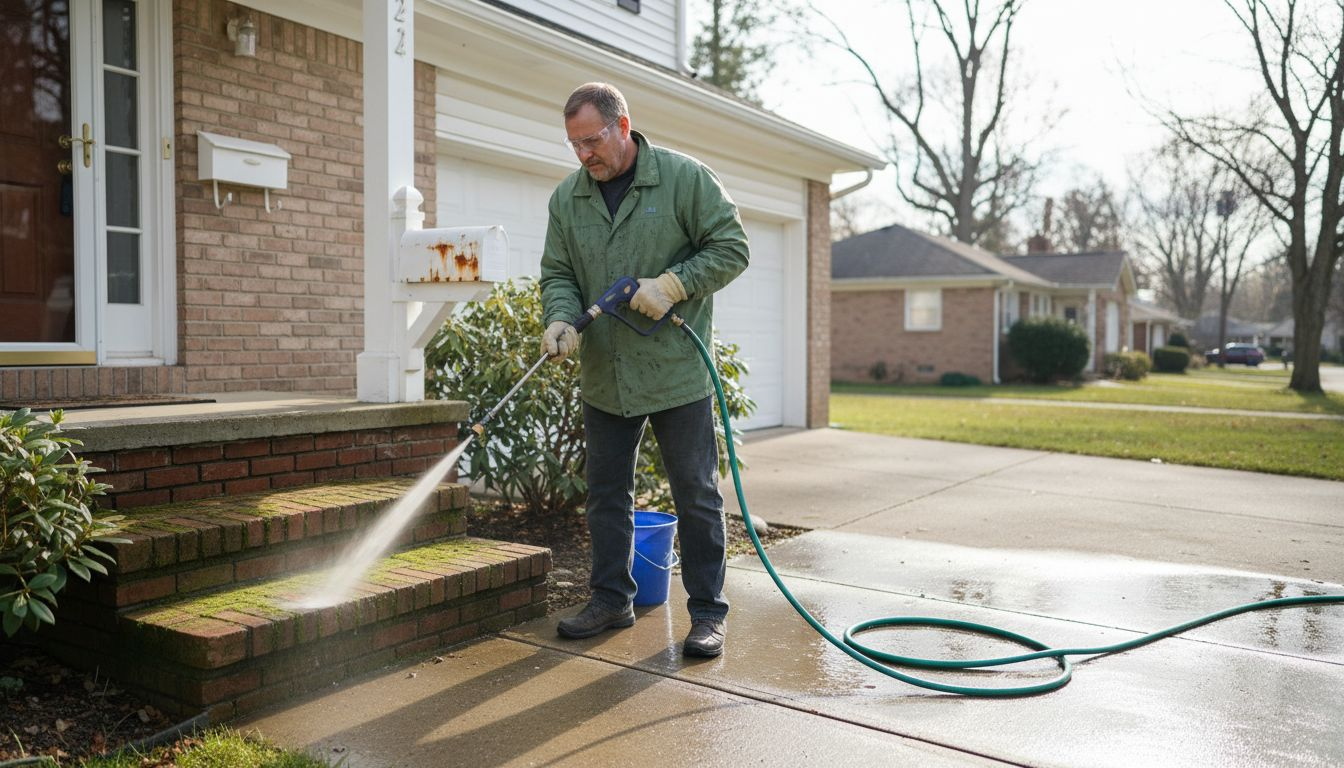
Slippery walkways, unsightly mildew, and hidden contaminants are more than just inconveniences for Citrus County homeowners—they can put family safety and property value at risk. Regular pressure washing is about more than appearance, offering a proactive way to reduce hazards like mold, algae, and grime buildup. Professional services ensure thorough cleaning, safer surfaces, and peace of mind for families who care about clean outdoor spaces.
Table of Contents
- Pressure Washing and Property Safety Basics
- Types of Surface Hazards Prevented
- How Pressure Washing Reduces Accident Risks
- Key Features of Professional Pressure Washing
- Common Mistakes and Safety Protocols
Key Takeaways
| Point | Details |
|---|---|
| Importance of Safety Gear | Always wear protective equipment such as safety glasses and gloves during pressure washing to prevent injuries. |
| Surface-Specific Techniques | Use the correct pressure and nozzle for different materials to avoid damage while ensuring effective cleaning. |
| Regular Maintenance Benefits | Consistent pressure washing helps prevent mold, mildew, and hazards, enhancing property longevity and safety. |
| Professional Services | Consider hiring trained professionals for optimal cleaning results and to minimize risks associated with improper techniques. |
Pressure Washing and Property Safety Basics
Pressure washing is a critical maintenance technique that helps homeowners protect and preserve their property’s exterior surfaces. Understanding the fundamental safety principles is essential for preventing damage and ensuring effective cleaning.
When approaching pressure washing, it’s crucial to recognize that different surfaces require unique treatment strategies. Proper equipment operation involves selecting appropriate pressure settings and nozzle types to match specific materials like wood, concrete, or siding. High-pressure water sprays can cause significant damage if not carefully managed.
Key safety considerations for effective pressure washing include:
- Wear protective gear including safety glasses, closed-toe shoes, and sturdy work gloves
- Check surface materials for potential damage sensitivity
- Maintain safe distance from surfaces (typically 12-18 inches)
- Use appropriate nozzle attachments for specific cleaning tasks
- Inspect equipment for potential leaks or damage before starting
Homeowners should understand that pressure washing isn’t just about cleaning – it’s about preventative property maintenance. Regular exterior cleaning helps eliminate potentially harmful substances like:
- Mold and mildew buildup
- Algae growth
- Accumulated dirt and grime
- Potential allergen sources
Pro tip: Always test pressure washing techniques on a small, inconspicuous area first to verify surface compatibility and prevent unexpected damage.
Types of Surface Hazards Prevented
Homeowners face numerous surface hazards that can compromise property safety and structural integrity. Workplace safety regulations highlight the critical importance of maintaining clean, hazard-free surfaces through regular maintenance like pressure washing.
The most common surface hazards that pressure washing helps prevent include:
- Mold and mildew growth: Prevents potential health risks and structural damage
- Algae accumulation: Reduces slipping hazards on walkways and decks
- Dirt and grime buildup: Prevents surface deterioration and aesthetic degradation
- Organic debris: Eliminates potential breeding grounds for insects and bacteria
Slip and fall hazards represent one of the most significant risks associated with unmaintained surfaces. Workplace hazard prevention requires consistent removal of substances that can create dangerous walking conditions. Pressure washing effectively eliminates slippery substances like:
- Moss
- Slick organic growths
- Accumulated moisture
- Dirt and dust layers
Pressure washing goes beyond simple cleaning – it’s a critical preventative maintenance strategy that protects both the physical structure and the safety of those who use the space. By systematically removing potentially dangerous surface contaminants, homeowners can significantly reduce the risk of accidents and long-term property damage.
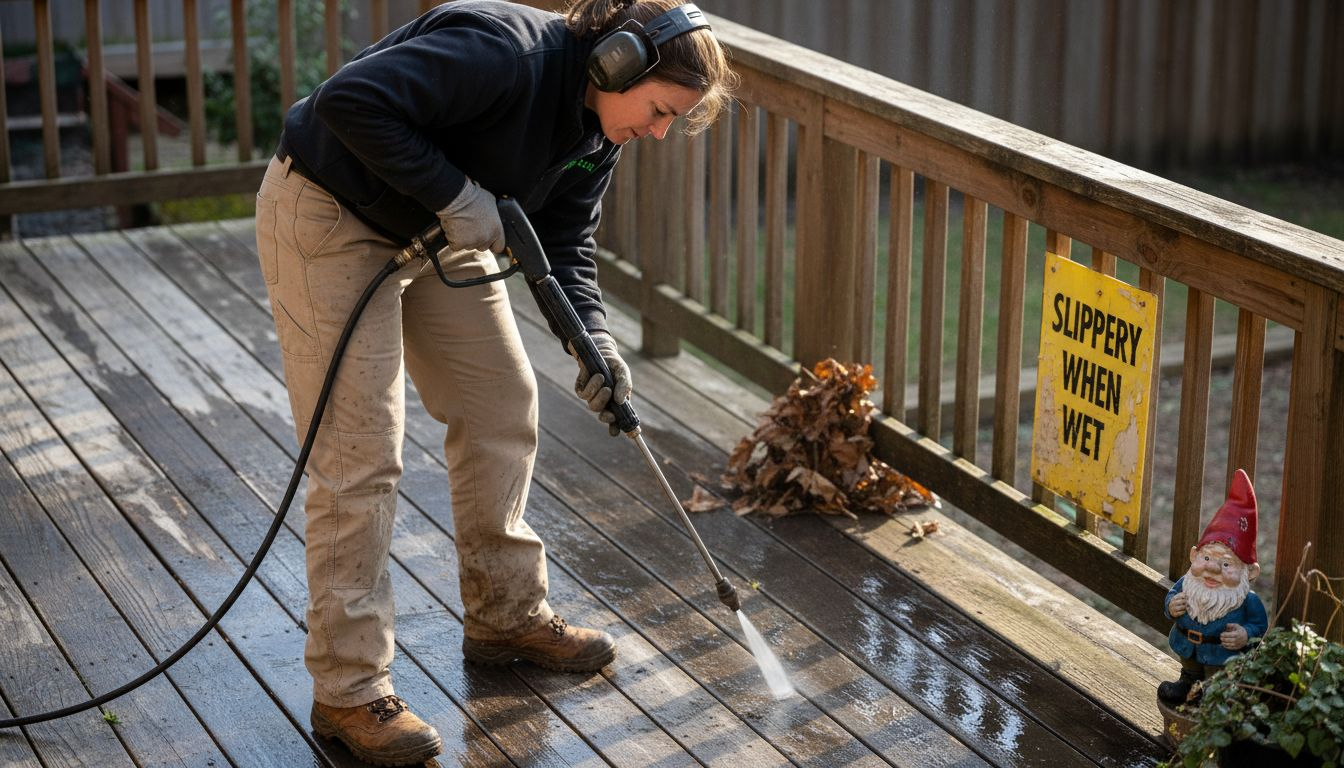
Pro tip: Focus pressure washing efforts on high-traffic areas and surfaces prone to moisture accumulation to maximize safety and prevent potential hazards.
How Pressure Washing Reduces Accident Risks
Accident prevention starts with maintaining clean, safe surfaces throughout your property. Effective hazard prevention requires proactive measures that eliminate potential risks before they become dangerous situations.
Pressure washing provides critical safety benefits by removing hazardous surface conditions that could lead to accidents:
- Eliminates slippery algae and moss growth
- Removes oil and grease residues
- Clears accumulated dirt and organic debris
- Prevents mold and mildew buildup
- Restores surface traction on walkways and driveways
The most significant accident risks mitigated by pressure washing include:
- Slip hazards: Removing slick surfaces that cause falling
- Bacterial growth: Eliminating potential health risks
- Surface deterioration: Preventing structural weakening
- Visibility issues: Clearing obscured walking surfaces
By systematically removing surface contaminants, homeowners can significantly reduce the likelihood of injuries. Consistent maintenance creates safer environments by addressing potential hazards before they become serious risks.
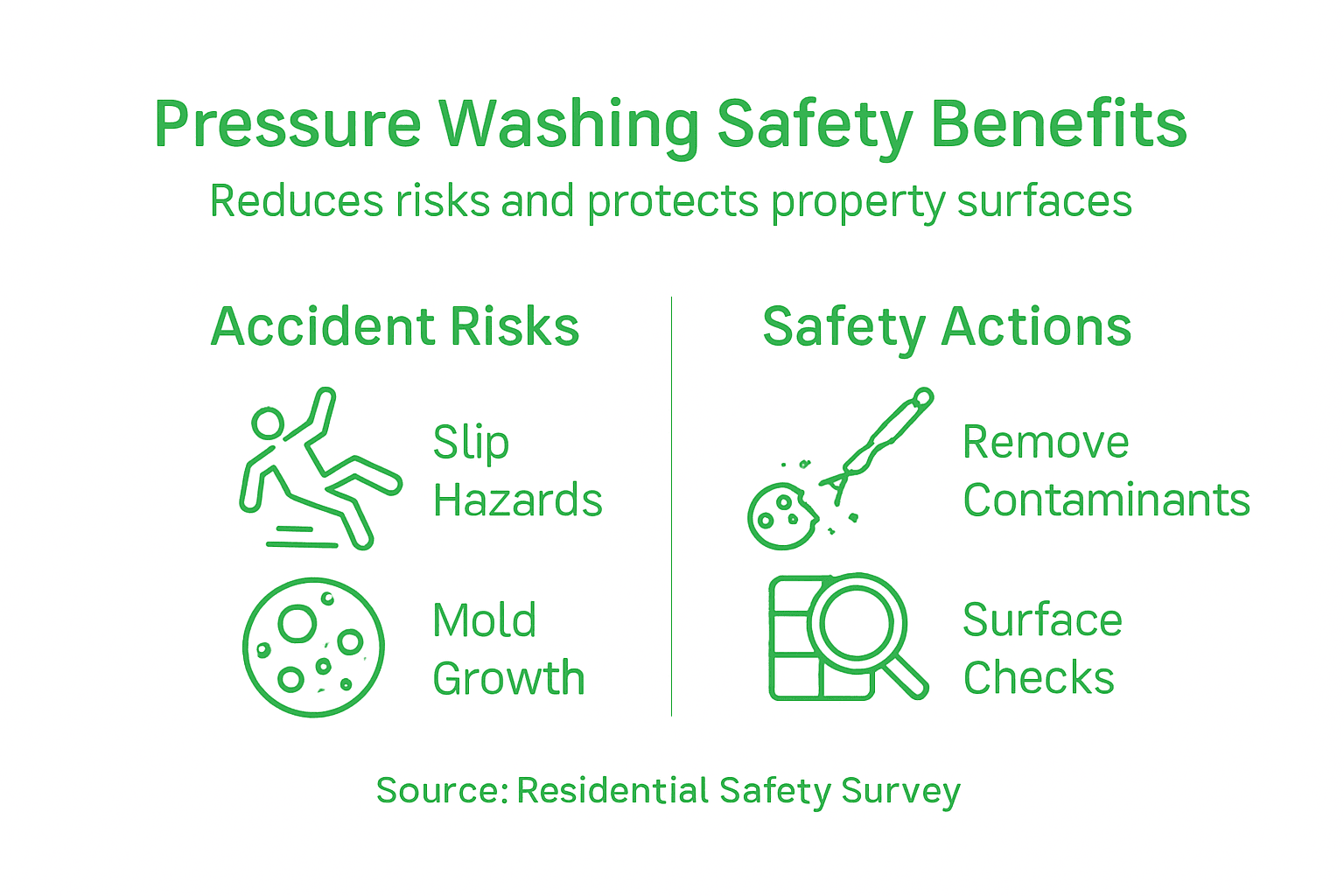
Pro tip: Prioritize pressure washing for high-traffic areas and surfaces with frequent moisture exposure to maximize safety and prevent potential accidents.
The following table summarizes how pressure washing impacts common accident risks:
| Accident Risk | Direct Impact of Pressure Washing | Long-Term Benefit |
|---|---|---|
| Slip Hazards | Removes slick substances quickly | Safer walkways and driveways |
| Bacterial Growth | Eliminates organic buildup | Reduces health concerns |
| Surface Deterioration | Cleans damaging contaminants | Preserves property infrastructure |
| Visibility Issues | Clears debris obscuring pathways | Improves walkway safety |
Key Features of Professional Pressure Washing
Professional pressure washing involves far more than simply spraying water at surfaces. Specialized equipment and techniques are critical for achieving optimal cleaning results while protecting property surfaces.
The key features of professional pressure washing include:
- Precise pressure control for different surface types
- Advanced cleaning solution selection
- Specialized equipment calibration
- Comprehensive surface assessment before cleaning
- Environmental and safety protocol adherence
Professional services distinguish themselves through several critical capabilities:
-
Water Temperature Management
- Hot water systems for grease and oil removal
- Cold water techniques for general residential cleaning
- Adaptive temperature strategies based on surface materials
-
Equipment Sophistication
- Industrial-grade pressure washers
- Surface-specific cleaning attachments
- Advanced nozzle configurations
Professional pressure washing best practices emphasize not just cleaning effectiveness, but comprehensive safety and environmental considerations. Trained technicians understand the nuanced requirements of different surfaces, ensuring thorough cleaning without potential damage.
Pro tip: Always request documentation of a professional pressure washing service’s training, equipment standards, and insurance coverage before hiring.
Here’s a helpful comparison of residential versus professional pressure washing approaches:
| Aspect | Residential Pressure Washing | Professional Pressure Washing |
|---|---|---|
| Equipment Quality | Standard consumer-grade machines | Industrial-grade, high-performance |
| Surface Assessment | Basic, often visual | Comprehensive, material-specific |
| Cleaning Solutions | Simple, often household cleaners | Specialized, eco-friendly options |
| Safety Protocols | Minimal or basic PPE | Full PPE and site-specific measures |
| Surface Protection | Risk of accidental damage | Reduced risk, expert handling |
Common Mistakes and Safety Protocols
Safety protocols are the cornerstone of effective pressure washing, protecting both equipment operators and property surfaces. Comprehensive safety training helps prevent potentially costly and dangerous mistakes during cleaning operations.
Common mistakes that homeowners and inexperienced operators frequently make include:
- Using incorrect pressure settings
- Neglecting personal protective equipment (PPE)
- Failing to inspect surfaces before washing
- Ignoring electrical hazard risks
- Improper chemical solution handling
Key safety protocols for pressure washing involve multiple critical steps:
-
Personal Protective Equipment
- Safety glasses
- Waterproof gloves
- Non-slip closed-toe shoes
- Protective clothing
-
Equipment Preparation
- Inspect equipment for damage
- Check electrical connections
- Verify pressure settings
- Test cleaning solutions
OSHA safety recommendations emphasize the importance of comprehensive hazard assessment and proper training before initiating any pressure washing project. Understanding potential risks and implementing preventative measures can significantly reduce accident potential.
Pro tip: Always perform a pre-washing site inspection and have a first aid kit readily available during pressure washing operations.
Protect Your Home and Loved Ones with Expert Pressure Washing
Pressure washing safety is not just about cleaning surfaces but preventing slip hazards, mold buildup, and structural deterioration that threaten your home’s value and your family’s well-being. The article highlights key challenges such as the risk of damage from improper pressure settings and the importance of using the right equipment and techniques to avoid accidents and preserve surfaces. If you want to eliminate slippery algae, stubborn grime, and harmful bacteria while maintaining your property’s integrity, professional help is essential.
At White Diamond Pressure Washing, we specialize in safe, effective exterior cleaning solutions tailored for residential properties in Citrus County and nearby areas. Our experienced team uses low-pressure and soft washing methods designed to protect delicate materials while thoroughly removing dangerous contaminants. We understand the emotional relief that comes from knowing your walkways, driveways, and siding are free from hazards and look their best.
Take the first step toward a safer, cleaner home environment.
Ready to protect your property with expert pressure washing that prioritizes safety and results? Visit White Diamond Pressure Washing to book now or get a free estimate. Don’t wait for surface hazards to cause accidents or damage. Trust professionals who deliver quality, reliability, and peace of mind.
Frequently Asked Questions
What are the safety precautions for pressure washing?
Wear protective gear such as safety glasses, closed-toe shoes, and sturdy gloves. Always check the surface material for sensitivity and maintain a safe distance from surfaces while cleaning.
How does pressure washing prevent slip hazards on my property?
Pressure washing removes slippery substances like algae, moss, and accumulated dirt, which reduces the risk of slip and fall accidents on pathways and decks.
What should I do before pressure washing a surface?
Always perform a surface assessment to check for damage potential, inspect your equipment for leaks, and test pressure washing techniques on an inconspicuous area first to ensure compatibility.
Why is professional pressure washing recommended over DIY?
Professional pressure washing utilizes specialized equipment, precise pressure control, and expert techniques that ensure effective cleaning while minimizing the risk of property damage compared to standard consumer-grade machines.
10 thoughts on “Pressure Washing Safety – How It Protects Your Home”