

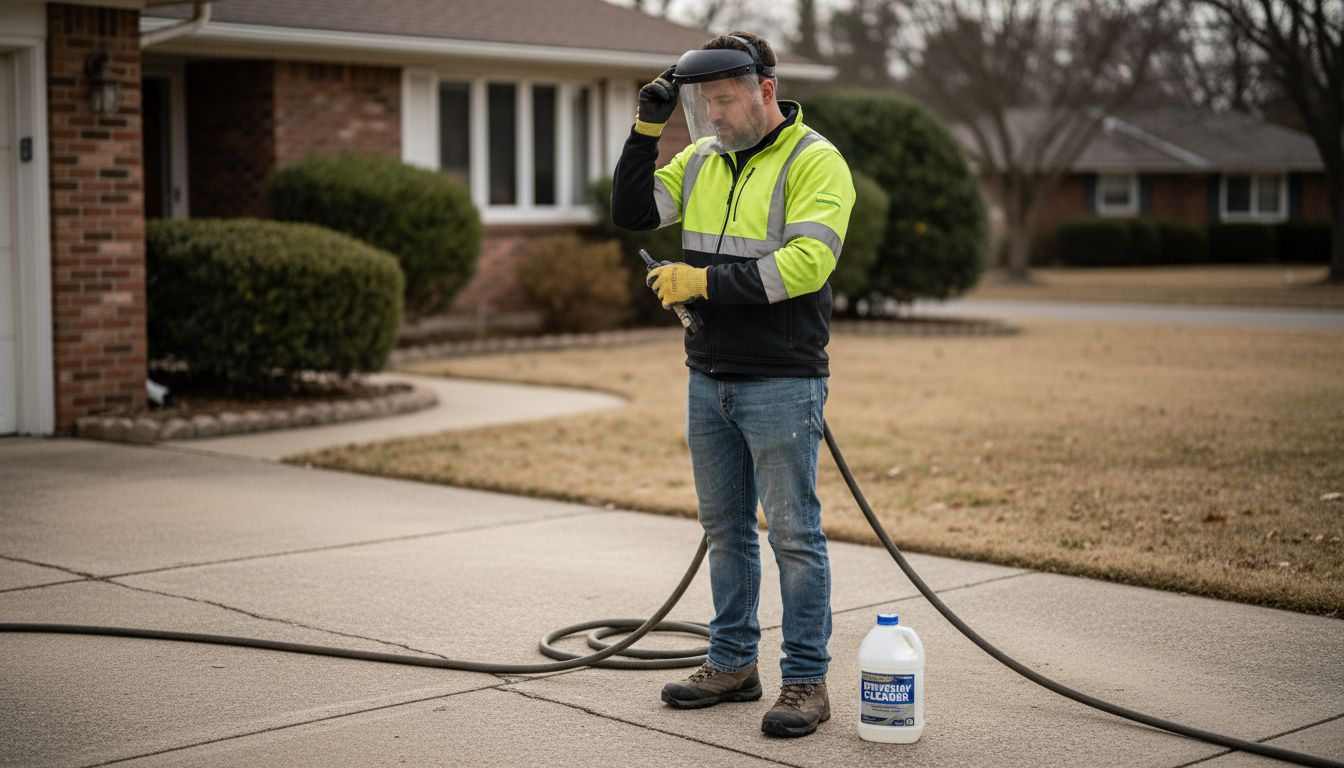
Pressure washing your Citrus County home is not just about curb appeal. Failing to follow the right safety steps can put your property and well-being at risk, especially when high-pressure equipment and cleaning chemicals are involved. As industry standards set by the Occupational Safety and Health Administration guide reliable professionals, homeowners benefit from understanding these proven protocols. Discover how hiring services that honor workplace safety standards protects your investment and brings peace of mind.
Table of Contents
- Defining Industry Standards In Pressure Washing
- Approved Techniques And Equipment Types
- Legal Safety Requirements And Certifications
- Environmental Compliance And Wastewater Disposal
- Homeowner Responsibilities And Common Risks
Key Takeaways
| Point | Details |
|---|---|
| Importance of Safety Standards | Adhering to OSHA guidelines minimizes workplace hazards and protects workers and property during pressure washing. |
| Preventative Measures | Utilize comprehensive training and proper PPE to significantly reduce risks associated with pressure washing operations. |
| Environmental Compliance | Implement effective wastewater management strategies to adhere to local and federal regulations and protect ecosystems. |
| Homeowner Readiness | Homeowners should conduct pre-use inspections and follow safety protocols to prevent accidents while using pressure washing equipment. |
Defining Industry Standards in Pressure Washing
Pressure washing safety standards represent a comprehensive framework of regulations and guidelines designed to protect workers, property owners, and equipment during exterior cleaning operations. These standards are primarily established by regulatory bodies like the Occupational Safety and Health Administration (OSHA), which sets critical requirements for workplace safety protocols.
The foundational industry standards encompass multiple critical dimensions, including personal protective equipment (PPE), equipment maintenance, operational techniques, and risk management strategies. Under the federal regulations outlined in 29 CFR Part 1910, pressure washing professionals must adhere to specific safety requirements that govern everything from proper chemical handling to machine operation protocols. These standards mandate comprehensive training, systematic equipment inspections, and rigorous safety procedures to minimize potential workplace hazards.
Key components of industry standards typically include precise guidelines for selecting appropriate pressure washing equipment, understanding optimal pressure levels for different surface materials, implementing proper chemical dilution ratios, and maintaining strict safety protocols during cleaning operations. Professionals must also demonstrate comprehensive knowledge of environmental regulations, worker protection standards, and potential risks associated with high-pressure water streams and chemical cleaning agents.
Pro tip: Always verify that your pressure washing service provider is certified and follows established OSHA safety guidelines to ensure comprehensive protection for both workers and property.
Here’s a summary of the key safety measures and benefits established by industry standards:
| Safety Measure | Purpose | Business Impact |
|---|---|---|
| Personal Protective Equipment | Prevents injuries and chemical exposure | Reduces workplace accidents |
| Equipment Maintenance | Ensures reliable operation | Lowers long-term repair costs |
| Comprehensive Training | Educates on safe procedures | Minimizes liability risk |
| Risk Management | Anticipates and avoids hazards | Enhances operational efficiency |
Approved Techniques and Equipment Types
Pressure washing equipment encompasses two primary categories: hot and cold water pressure washers, each designed for specific cleaning applications and surface requirements. Cold water models are typically used for general cleaning tasks, while hot water pressure washers prove more effective at removing tough grease, oil, and stubborn grime from industrial and commercial surfaces. The temperature and pressure capabilities significantly influence the equipment’s cleaning performance and versatility.
Safety considerations are paramount when selecting and operating pressure washing equipment. Safety guidelines emphasize proper equipment inspection and handling to prevent potential injuries. Professionals must carefully evaluate equipment specifications, including pressure ratings, water flow rates, and compatibility with specific surface materials. Critical safety attachments like surface cleaners and specialized nozzles help distribute water pressure evenly and minimize potential damage to delicate surfaces.
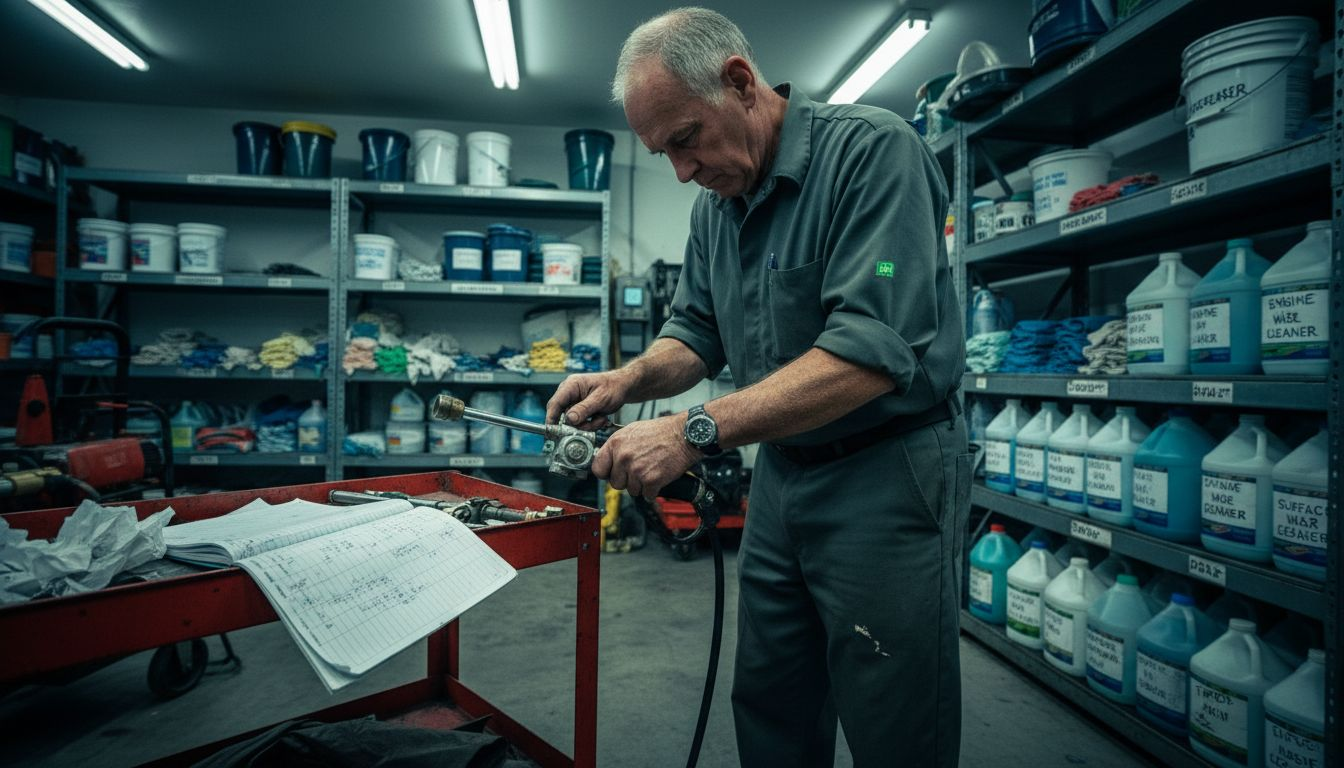
Modern pressure washing techniques involve sophisticated equipment that allows precise control over water pressure and temperature. Advanced models feature adjustable settings that enable operators to customize cleaning approaches for different materials like concrete, wood, vinyl siding, and delicate exterior surfaces. Professionals must understand the nuanced requirements of each surface type, selecting appropriate nozzles, pressure levels, and cleaning solutions to ensure effective and safe cleaning without causing structural damage.
Pro tip: Always test pressure washing equipment on a small, inconspicuous area first to determine the appropriate pressure and technique for your specific surface.
Compare hot and cold water pressure washers for different use cases:
| Equipment Type | Best Applications | Advantages | Limitations |
|---|---|---|---|
| Cold Water Unit | General cleaning, light dirt | Lower cost, easy setup | Less effective on oily grime |
| Hot Water Unit | Industrial oil, tough stains | Removes stubborn residues | Higher energy use, more complex |
Legal Safety Requirements and Certifications
Legal safety requirements for pressure washing professionals are comprehensively outlined by OSHA publications and regulatory standards, establishing mandatory guidelines for workplace safety and operational protocols. These regulations mandate specific training requirements, personal protective equipment specifications, and rigorous compliance procedures designed to minimize workplace hazards and protect both workers and property owners during exterior cleaning operations.
The Occupational Safety and Health Act provides a comprehensive framework for enforcing safety standards across various industries. For pressure washing professionals, this translates into detailed requirements for equipment maintenance, chemical handling, personal protective gear, and systematic risk assessment. Employers must demonstrate comprehensive documentation of employee training, equipment inspections, and safety protocols to ensure full legal compliance and workplace protection.
Certification processes for pressure washing professionals involve multiple layers of regulatory compliance. This includes obtaining specific safety training credentials, demonstrating proficiency in equipment operation, understanding chemical handling protocols, and maintaining up-to-date knowledge of industry-specific safety regulations. Professionals must also stay current with evolving safety standards, participate in regular training programs, and maintain detailed records of their qualifications and operational practices to meet legal requirements.
Pro tip: Maintain a comprehensive safety portfolio documenting all certifications, training records, and equipment inspection logs to demonstrate full legal compliance.
Environmental Compliance and Wastewater Disposal
Environmental compliance in pressure washing involves stringent protocols for managing and disposing of wastewater, as outlined by OSHA safety regulations for hazardous waste operations. These comprehensive guidelines mandate specific procedures for collecting, treating, and disposing of contaminated water to prevent environmental pollution and protect local ecosystems. Professionals must carefully assess the chemical composition of cleaning solutions and potential contaminants before initiating any pressure washing project.
Wastewater management requires a multi-step approach that begins with identifying potential environmental risks and implementing comprehensive environmental protection strategies. This includes using containment systems to capture runoff, selecting biodegradable cleaning agents, and ensuring proper filtration and disposal methods that comply with federal, state, and local environmental regulations. Pressure washing companies must maintain detailed documentation of their waste management practices, including chemical usage, collection methods, and disposal protocols.
The complexity of environmental compliance extends beyond simple water disposal. Professionals must consider the specific environmental sensitivities of each job site, including proximity to water sources, soil composition, and local ecological conditions. This requires advanced planning, specialized equipment for wastewater collection, and a thorough understanding of local environmental protection laws. Different surface types and cleaning locations demand unique approaches to minimizing environmental impact, from using specialized filtration systems to implementing zero-discharge cleaning techniques.
Pro tip: Invest in a comprehensive wastewater management system and always conduct a pre-cleaning environmental assessment to ensure full compliance with local and federal regulations.
Homeowner Responsibilities and Common Risks
Homeowners utilizing pressure washing equipment must understand the critical safety considerations associated with these powerful cleaning tools. Safety guidelines emphasize the importance of pre-use equipment inspection to prevent potential accidents and minimize personal injury risks. This includes carefully examining all equipment components, checking for damaged hoses, verifying electrical connections, and ensuring proper protective gear is available before beginning any cleaning project.
Common risks in pressure washing extend beyond equipment malfunction and include potential hazards related to chemical exposure and improper operation. These risks encompass electrical dangers, high-pressure water stream injuries, potential surface damage, and chemical splashback. Homeowners must understand the specific pressure settings appropriate for different surfaces, wear comprehensive personal protective equipment including safety glasses and non-slip footwear, and maintain a safe distance from the cleaning surface to prevent potential injury.
Responsible pressure washing requires comprehensive preparation and risk management. This involves researching appropriate cleaning techniques for specific surfaces, understanding chemical compatibility, and recognizing personal limitations. Homeowners should consider their physical capabilities, surrounding environment, and potential obstacles that could compromise safety. Professional consultation or training can provide valuable insights into safe pressure washing practices, helping individuals avoid costly mistakes and potential personal injury.
Pro tip: Always conduct a thorough site assessment and wear complete personal protective equipment before attempting any pressure washing project.
Experience Pressure Washing Safety You Can Trust
Understanding and adhering to industry standards for pressure washing safety is essential for every property owner and professional. The challenges of safely handling high-pressure equipment, managing chemical use, and ensuring environmental compliance can feel overwhelming. White Diamond Pressure Washing understands these concerns and applies every critical safety protocol—from personal protective equipment to wastewater management—so you can enjoy a spotless exterior without worry.
Our team specializes in using industry-approved methods and low-pressure soft washing techniques that preserve your surfaces while delivering exceptional results. With experienced staff dedicated to OSHA safety guidelines and flexible scheduling tailored to your needs, we remove the guesswork and risk from your exterior cleaning project.
Make the smart choice for your property and peace of mind. Book Now with White Diamond Pressure Washing and experience a professional pressure washing service that prioritizes safety and quality.

Protect your property and your family by trusting experts who meet all legal safety requirements. Get your Free Estimate today and see why homeowners and businesses across Citrus County rely on us for safe, effective, and reliable exterior cleaning solutions.
Frequently Asked Questions
What are the key safety measures for pressure washing?
Key safety measures for pressure washing include the use of personal protective equipment (PPE) to prevent injuries, regular equipment maintenance to ensure reliable operation, comprehensive training for safe procedures, and effective risk management strategies to avoid hazards.
Why is equipment inspection important in pressure washing?
Equipment inspection is crucial to prevent potential accidents. It ensures that all components work correctly, checks for damaged hoses, verifies electrical connections, and confirms that the right protective gear is available before starting any cleaning project.
How do hot and cold water pressure washers differ in their applications?
Hot water pressure washers are best suited for industrial applications where tough grease and oil need to be removed, while cold water units are ideal for general cleaning tasks. Each type has its advantages and limitations based on the cleaning needs and surface materials.
What responsibilities do homeowners have when using pressure washing equipment?
Homeowners must conduct a thorough pre-use inspection of the equipment, understand the appropriate pressure settings for different surfaces, wear complete personal protective equipment, and be aware of their physical capabilities and surrounding environment to mitigate risks.
Recommended
- What Is Pressure Washing and Why It Matters – white-diamond-pressure
- Why Choose Professional Pressure Washing Services – white-diamond-pressure
- Pressure Washing vs. Traditional Cleaning: What to Consider – white-diamond-pressure
- Soft Washing Process Explained: A Step-by-Step Guide for Safety – white-diamond-pressure
2 thoughts on “Industry Standards for Pressure Washing Safety”