

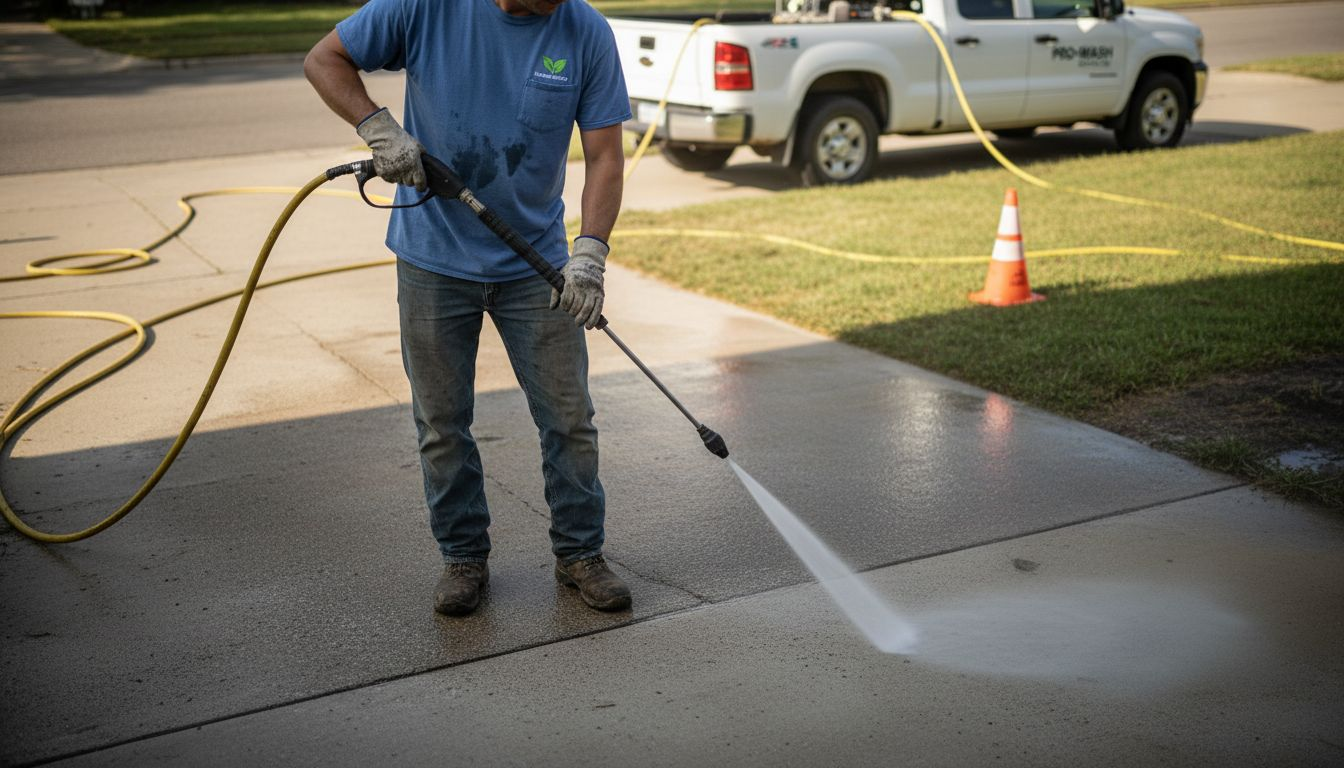
More than 60 percent of American homes lose curb appeal each year due to mildew and grime buildup. For Citrus County homeowners, pressure washing is more than a cosmetic upgrade. It is about safeguarding property value and longevity while keeping outdoor spaces safe for family use. This introduction clears up common myths and highlights how modern pressure washing techniques deliver a deep clean without risking costly mistakes or surface damage.
Table of Contents
- Pressure Washing Basics And Common Myths
- Types Of Pressure Washing Methods Explained
- Key Surfaces And How The Process Works
- Safety Guidelines And Legal Standards
- Risks, Costs, And Mistakes To Avoid
Key Takeaways
| Point | Details |
|---|---|
| Understanding Equipment | Choose the appropriate pressure washer type: hot water for grease and cold water for general cleaning to prevent damage. |
| Techniques Matter | Different surfaces require tailored pressure and cleaning solutions; always test on a small area first. |
| Safety First | Adhere to OSHA regulations and wear personal protective equipment to avoid serious injuries. |
| Cost Implications | Incorrect pressure settings can lead to significant repair costs; always start at the lowest pressure setting. |
Pressure washing basics and common myths
Pressure washing is a powerful exterior cleaning technique that uses high-pressure water spray to remove dirt, grime, and contaminants from various surfaces. Whether you’re cleaning a driveway, house exterior, or concrete walkway, understanding the fundamentals can help you achieve professional-level results.
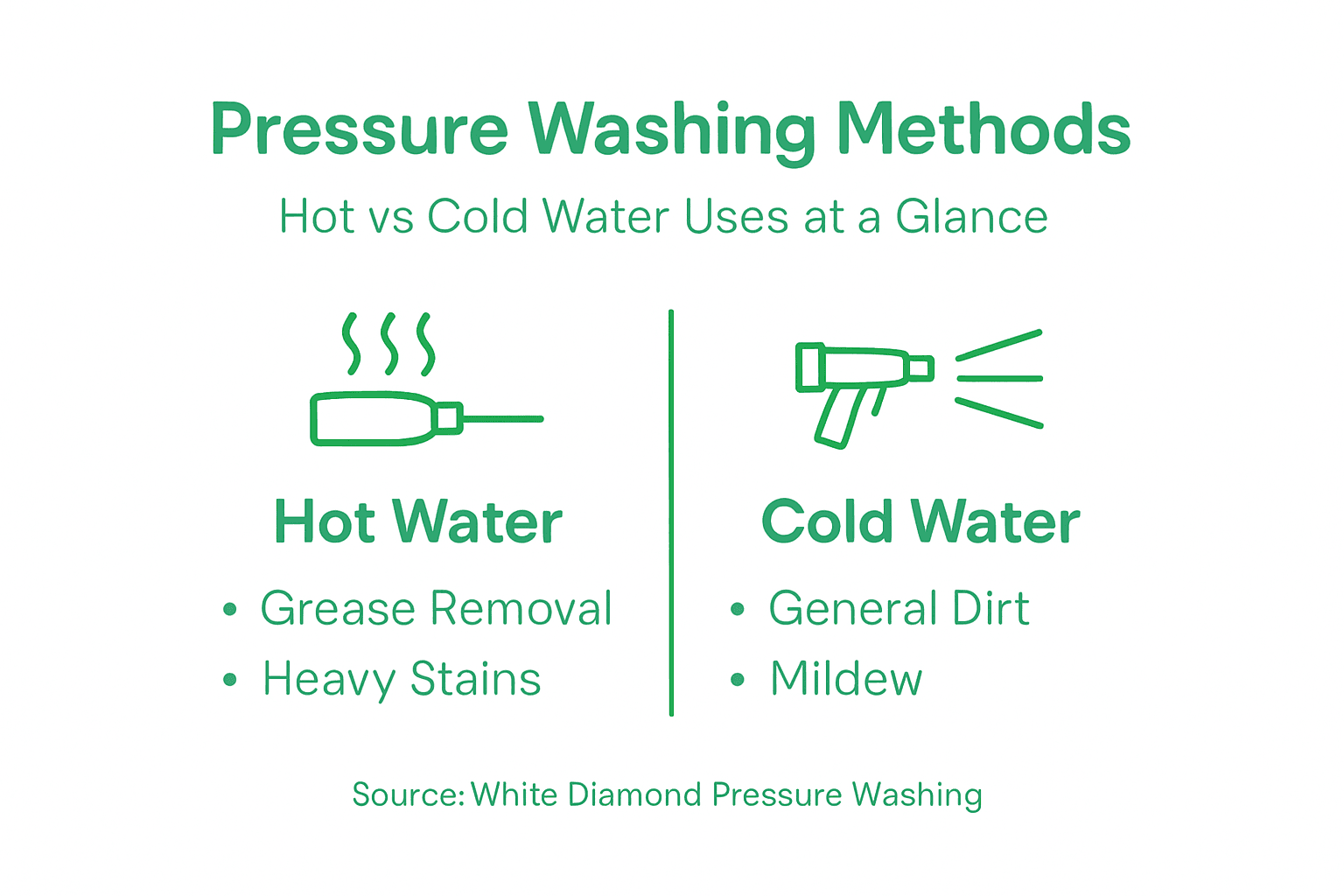
Contrary to popular belief, pressure washing isn’t just about blasting surfaces with water. Different surfaces require specific pressure washing techniques depending on their material and condition. For instance, a wooden deck needs a gentler approach compared to concrete, and using incorrect pressure can cause significant damage. Hot water pressure washers work best for removing grease and oil, while cold water units are typically used for general residential cleaning tasks.
Common myths about pressure washing often lead homeowners to make costly mistakes. Many people believe that more pressure always equals better cleaning, which is not true. Excessive pressure can strip paint, damage surfaces, and create permanent marks. Professional pressure washing involves carefully selecting the right water temperature, pressure level, and cleaning solution for each specific surface. It’s a nuanced process that requires skill and understanding of different materials.
Pro tip: Always test pressure washing on a small, inconspicuous area first to ensure you won’t damage the surface and to understand the optimal cleaning technique.
Types of pressure washing methods explained
Pressure washing encompasses several specialized methods designed to tackle different cleaning challenges across various surfaces. Pressure washers fundamentally use a motor or engine to generate high-pressure water streams that effectively remove dirt, grime, and stubborn contaminants.
Two primary pressure washing approaches dominate the industry: hot water and cold water systems. Hot water pressure washers excel at removing greasy or oily residues, making them ideal for commercial settings like parking garages and industrial spaces. These units incorporate a built-in burner that heats water, enhancing cleaning power for tough stains. Cold water pressure washers, conversely, are the go-to choice for residential applications such as cleaning home siding, decks, and driveways.
Here’s a quick comparison of hot water vs. cold water pressure washers:
| Feature | Hot Water Pressure Washer | Cold Water Pressure Washer |
|---|---|---|
| Cleaning Power | Excellent for grease, oil | Good for dirt, general grime |
| Ideal Use Cases | Industrial, commercial areas | Residential settings |
| Water Temperature | Heated by built-in burner | Uses standard cold water |
| Cost | Typically more expensive | Usually more affordable |
| Maintenance Needs | Requires burner upkeep | Lower maintenance |
Advanced pressure washing techniques include specialized surface cleaning methods. Rotating high-pressure jet cleaners provide even coverage across large areas, while hydro-jet cleaning offers extreme power for challenging environments like industrial tanks and pipelines. Professional operators carefully adjust pressure and flow rates, understanding that different surfaces require unique approaches. Some advanced systems even feature integrated soap tanks and adjustable nozzles to customize the cleaning process.
Pro tip: Always match your pressure washer’s settings to the specific surface material to prevent potential damage and achieve optimal cleaning results.
Key surfaces and how the process works
Pressure washing is a versatile cleaning technique designed to tackle dirt and grime across numerous surfaces. Residential and commercial surfaces range from gutters and roofs to driveways, siding, and even large institutional buildings like offices and hospitals. Each surface requires a unique approach to ensure effective cleaning without causing damage.
Different materials demand specialized pressure washing techniques. Wooden decks, for instance, require lower pressure settings to prevent splintering or gouging, while concrete surfaces can withstand more intense water streams. Vinyl siding needs careful attention to avoid forcing water behind the panels, which could lead to moisture damage. Brick and stone surfaces benefit from moderate pressure and careful angle selection to remove dirt without eroding the mortar or surface texture.
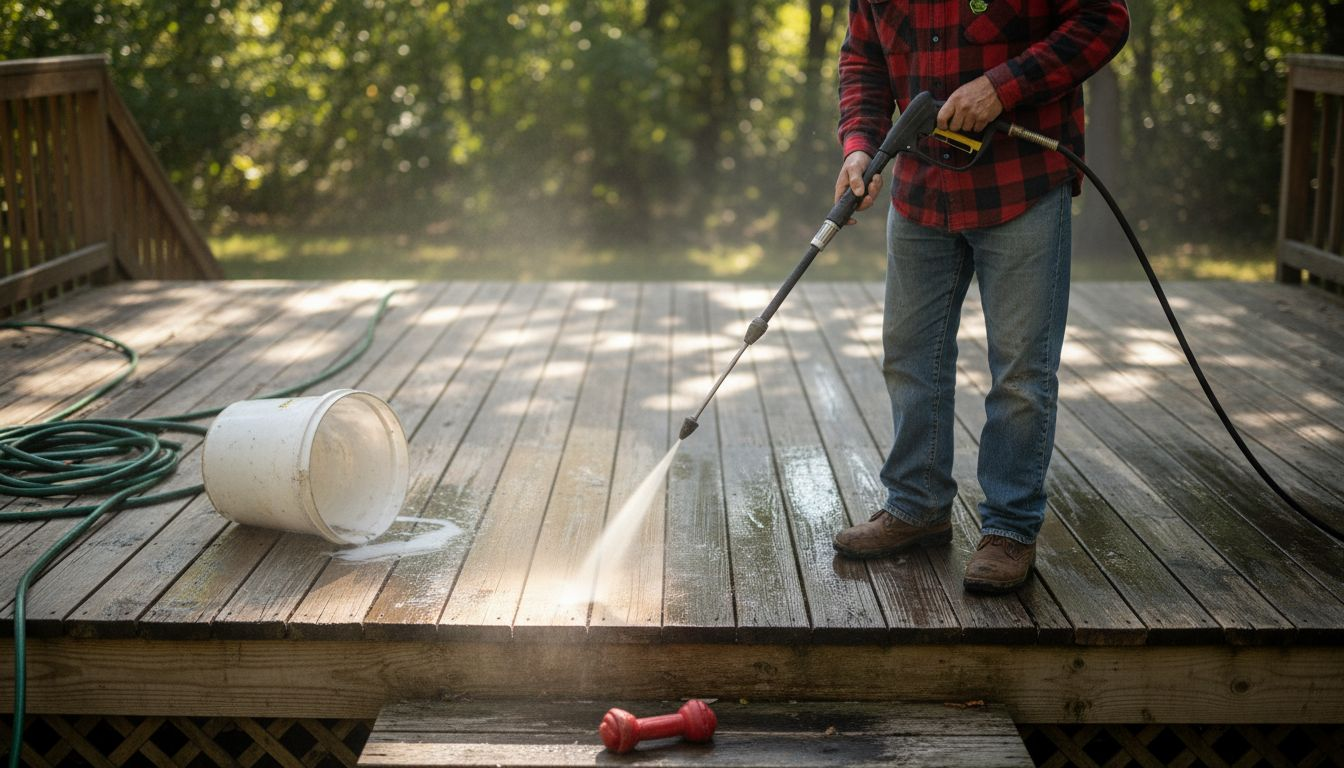
The mechanics of pressure washing involve precise water pressure measurement in pounds per square inch (psi). Professional operators carefully calibrate their equipment to match the specific surface material. Rotating jet surface cleaners provide uniform cleaning over larger flat areas like driveways and parking lots, ensuring consistent results. Some advanced techniques incorporate cleaning solutions that help break down tough stains, with hot water being particularly effective at emulsifying grease and oil compared to cold water methods.
Pro tip: Always start pressure washing at the lowest effective pressure setting and gradually increase to find the optimal cleaning approach for each unique surface.
Safety guidelines and legal standards
Pressure washing involves significant risks that demand strict adherence to professional safety protocols. OSHA regulations provide comprehensive safety standards governing the operation of high-pressure equipment to protect workers and property owners from potential hazards. These guidelines cover everything from personal protective equipment (PPE) to proper equipment maintenance and operational procedures.
Professional pressure washing operators must prioritize safety through multiple layers of protection. Essential personal protective equipment includes safety goggles, waterproof gloves, non-slip shoes, and protective clothing that shields against high-pressure water streams. Hearing protection is recommended when using gas-powered equipment, and respiratory protection might be necessary when working with chemical cleaning solutions. Operators should always inspect equipment before use, checking for damaged hoses, loose connections, and ensuring all safety mechanisms are functioning correctly.
The table below summarizes essential safety gear for pressure washing professionals:
| Safety Equipment | Purpose | When to Use |
|---|---|---|
| Safety Goggles | Protect eyes from debris | Always during washing |
| Waterproof Gloves | Shield hands from water jet | Handling sprayer |
| Non-slip Shoes | Prevent slipping accidents | Wet or slick surfaces |
| Protective Clothing | Guard skin from high pressure | All pressure washing tasks |
| Hearing Protection | Reduce noise exposure | Gas-powered equipment |
Legal compliance extends beyond personal safety to environmental and property protection. Professionals must be aware of local regulations regarding water runoff, chemical usage, and potential environmental contamination. Some jurisdictions require special permits for commercial pressure washing, especially when dealing with hazardous substances or working in sensitive ecological areas. Proper documentation, liability insurance, and adherence to industry-specific safety certifications are crucial for maintaining professional standards and protecting both the business and its clients.
Pro tip: Always conduct a comprehensive safety briefing and equipment check before starting any pressure washing project, regardless of its size or complexity.
Risks, costs, and mistakes to avoid
Pressure washing might seem straightforward, but numerous potential risks can transform a simple cleaning project into an expensive disaster. Pressure washing carries significant potential hazards that demand careful consideration and professional approach. Homeowners and DIY enthusiasts must understand the nuanced risks associated with high-pressure water cleaning to prevent property damage and personal injury.
The most common mistakes involve inappropriate pressure settings and technique. Using excessive water pressure can cause serious damage to various surfaces like wooden decks, vinyl siding, and painted areas. Soft materials like cedar can be gouged or splintered, while harder surfaces like concrete might experience etching or surface degradation. Cost implications are substantial: a single mistake can lead to repair expenses far exceeding the initial cleaning project. Professional equipment ranges from $100 to $1,500, with commercial-grade units costing even more, making improper use an expensive proposition.
Environmental and safety risks extend beyond surface damage. Improper water runoff can contaminate surrounding soil and vegetation, potentially violating local environmental regulations. Water jets can cause serious bodily harm if mishandled, with potential injuries ranging from surface cuts to more severe deep tissue damage. Operators must wear appropriate protective gear, understand equipment limitations, and maintain a safe distance from the surface being cleaned. Chemical cleaning solutions add another layer of complexity, requiring careful selection and application to prevent environmental contamination or unintended chemical reactions.
Pro tip: Always start with the lowest pressure setting and test on an inconspicuous area before proceeding with full-scale pressure washing to minimize potential damage and unexpected costs.
Protect Your Property with Expert Pressure Washing Services
Understanding the right pressure washing techniques is essential to preserving your home’s exterior and avoiding costly damage. This article highlights the importance of selecting proper pressure settings and approaches tailored to each surface. If you want to prevent mistakes like surface gouging, paint stripping, or water intrusion, trusting professionals who specialize in safe, effective cleaning is the key to peace of mind.
White Diamond Pressure Washing offers advanced soft washing and low-pressure solutions designed specifically for residential and commercial surfaces in Citrus County. We use industry-approved methods that protect your property while delivering impressive results on roofs, siding, driveways, and more.

Don’t risk damage with DIY pressure washing. Book your service or get a free estimate today at White Diamond Pressure Washing to experience safe, reliable exterior cleaning from experienced professionals committed to your satisfaction. Visit our main landing page now and see the difference expert care can make.
Frequently Asked Questions
What is pressure washing?
Pressure washing is a cleaning technique that uses high-pressure water spray to remove dirt, grime, and contaminants from surfaces such as driveways, decks, and home exteriors.
How does pressure washing work?
Pressure washing involves using a motor or engine to generate a strong water stream, measured in pounds per square inch (psi), effectively cleaning various materials based on their specific requirements.
What are the differences between hot water and cold water pressure washers?
Hot water pressure washers are more effective at removing grease and oil, making them ideal for commercial settings, while cold water pressure washers are typically used for residential cleaning tasks.
What safety precautions should be taken when pressure washing?
Always wear personal protective equipment (PPE) such as safety goggles, waterproof gloves, and non-slip shoes, and ensure proper inspection of the pressure washing equipment before use.
6 thoughts on “What Is Pressure Washing and Why It Matters”