

TL;DR:
- Most homeowners in Citrus County mistakenly believe sunlight is the main summer threat to their exteriors, but humidity actually causes biological growth that damages surfaces. Regular exterior cleaning with proper methods is essential for maintenance, preventing costly repairs caused by algae, mold, and mildew buildup. Timing cleaning before painting and using professional techniques protects your home’s surfaces and extends its lifespan in Florida’s challenging climate.
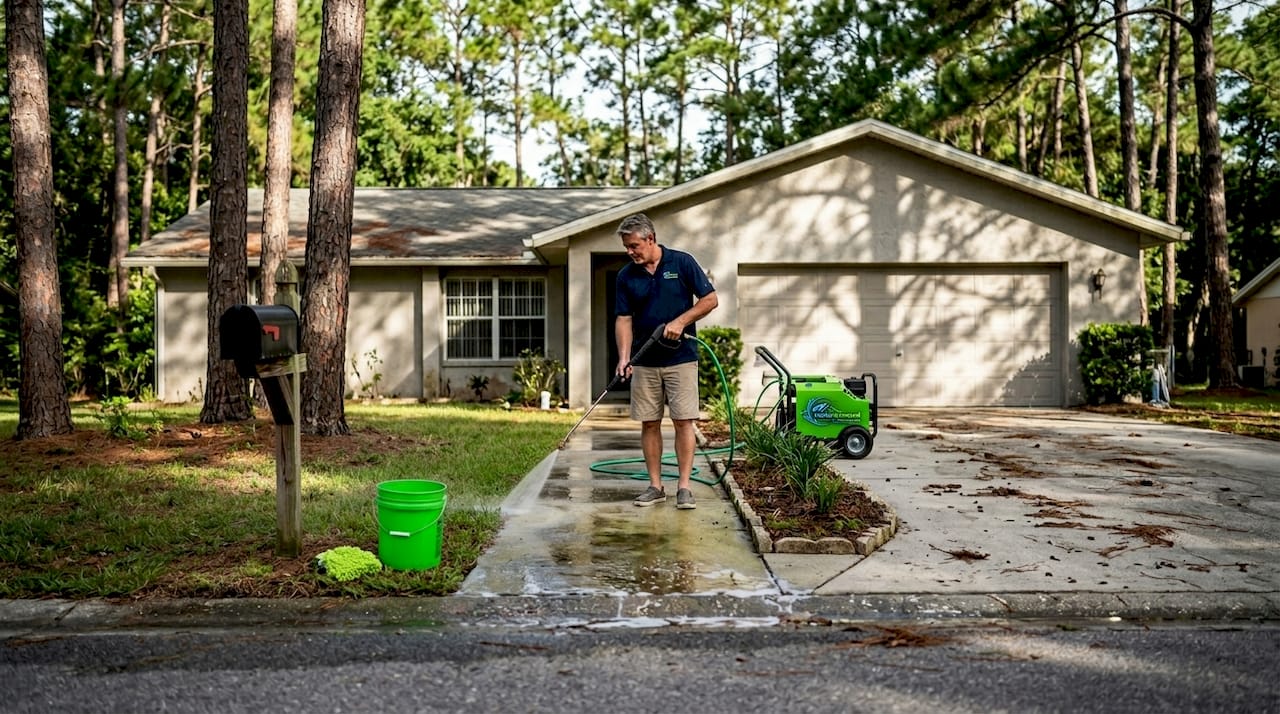
Most homeowners in Citrus County think sunlight is the biggest threat to their home’s exterior in summer. It’s not. The real culprit is humidity, and it works silently, turning your siding, roof, and driveway into a breeding ground for algae, mold, and mildew before you even notice the damage. As Florida exterior cleaning experts note, the biological growth driven by heat, humidity, and frequent rainfall is the underlying driver of summer grime on Florida properties, making exterior cleaning a true maintenance need, not just a cosmetic preference. This guide covers exactly what you need to know to protect your home this season.
Table of Contents
- How Florida’s summer climate impacts your exterior
- Routine cleaning: Maintenance or just cosmetic?
- Timing matters: Cleaning, painting, and summer strategy
- Choosing the right cleaning methods for Citrus County
- A local expert’s perspective: What most homeowners still miss in summer upkeep
- Get expert exterior cleaning help in Citrus County
- Frequently asked questions
Key Takeaways
| Point | Details |
|---|---|
| Florida summer accelerates grime | High humidity and rain spur rapid mold and algae growth on home exteriors. |
| Routine cleaning is preventative | Regular exterior washing protects both appearance and long-term surface health. |
| Task timing boosts results | Cleaning before painted finishes and avoiding extreme weather improves curb appeal. |
| Not all surfaces clean alike | Different areas of your home require tailored cleaning methods for best safety and impact. |
| Local pros understand unique needs | Citrus County experts recommend schedules and solutions tailored to regional weather conditions. |
How Florida’s summer climate impacts your exterior
Citrus County summers are relentless. High temperatures, near-daily afternoon rain showers, and humidity levels that rarely dip below 70% create conditions where biological growth thrives on almost every outdoor surface. Your roof, siding, driveway, and walkways are all vulnerable, and the damage can escalate faster than you’d expect.
The main biological threats you’ll encounter are algae, mold, and mildew. Algae spreads as greenish or dark streaks across roofing shingles and concrete. Mold and mildew appear on siding and under eaves where moisture lingers after rain. If your home sits near trees, wooded areas, or any body of water, Florida heat and humidity accelerate this growth even faster, making more frequent cleaning essential. Organic debris like leaves and pollen settles into shaded, damp corners and feeds these organisms continuously through the summer months.
Knowing what to look for makes a real difference. Here are the most common early warning signs that your home is being affected:
- Dark streaks on roof shingles (usually caused by Gloeocapsa Magma, a type of algae)
- Green or yellowish patches on concrete driveways and walkways
- Black spots on vinyl or painted siding, especially on north-facing walls
- Slimy or slippery surfaces near downspouts or shaded areas
- Discolored grout between pavers or brickwork
Learning to spot signs your house needs washing early can save you from costly repairs down the road. Likewise, knowing which common exterior surfaces to clean are most vulnerable helps you prioritize your summer maintenance routine.
| Surface | Primary threat in summer | Visible warning sign |
|---|---|---|
| Roof shingles | Algae and moss growth | Dark or green streaks |
| Vinyl/painted siding | Mold and mildew | Black spots, discoloration |
| Concrete driveway | Green algae buildup | Green or gray staining |
| Wood decks | Moisture and mildew | Gray, blotchy surface |
| Pavers and walkways | Organic growth in joints | Dark grout, slippery feel |
The bottom line: Citrus County’s summer climate makes biological growth practically unavoidable. Recognizing these threats early is the first step to keeping your home in top shape.
Routine cleaning: Maintenance or just cosmetic?
A lot of homeowners treat exterior washing as something you do when the house starts to look embarrassing. That’s the wrong mindset. Exterior cleaning done routinely is a genuine maintenance task, just like servicing your HVAC system or cleaning your gutters. The appearance improvement is just the visible side effect.
Exterior cleaning experts frame routine cleaning as property maintenance, not just cosmetics, because grime left on surfaces doesn’t just stay on the surface. Algae and mold hold moisture against siding, wood, and concrete, and that moisture works its way into cracks and paint over time, causing paint failure, rot, and structural degradation. What looks like a cosmetic issue today can be a repair bill tomorrow.
Compare the two approaches:
| Approach | Cleaning trigger | Long-term outcome | Cost implication |
|---|---|---|---|
| Maintenance-oriented | Scheduled (every 3 to 6 months) | Surfaces preserved, paint lasts longer | Lower long-term cost |
| Cosmetic-only | When it looks bad | Grime penetrates materials over time | Higher repair costs |
| Reactive (after damage) | After visible deterioration | Potential structural damage | Most expensive outcome |
The benefits of exterior cleaning go well beyond looks. Regular cleaning extends the life of your paint, siding, roof, and hardscape by removing the biological agents that degrade these materials. It also preserves your home’s value, which matters whether you’re planning to sell or simply want to protect your investment.
“Routine exterior cleaning prevents small grime issues from becoming expensive structural problems, especially in Florida’s aggressive summer climate where biological growth accelerates faster than in most other states.”
Pro Tip: Every time you schedule an exterior cleaning, use it as an opportunity to inspect surfaces closely. Fresh, clean surfaces reveal cracks, chips, gaps in caulk, and paint failures that grime often hides. Catching these early saves you significant money and protects the clean exteriors and home value you’ve worked to maintain.
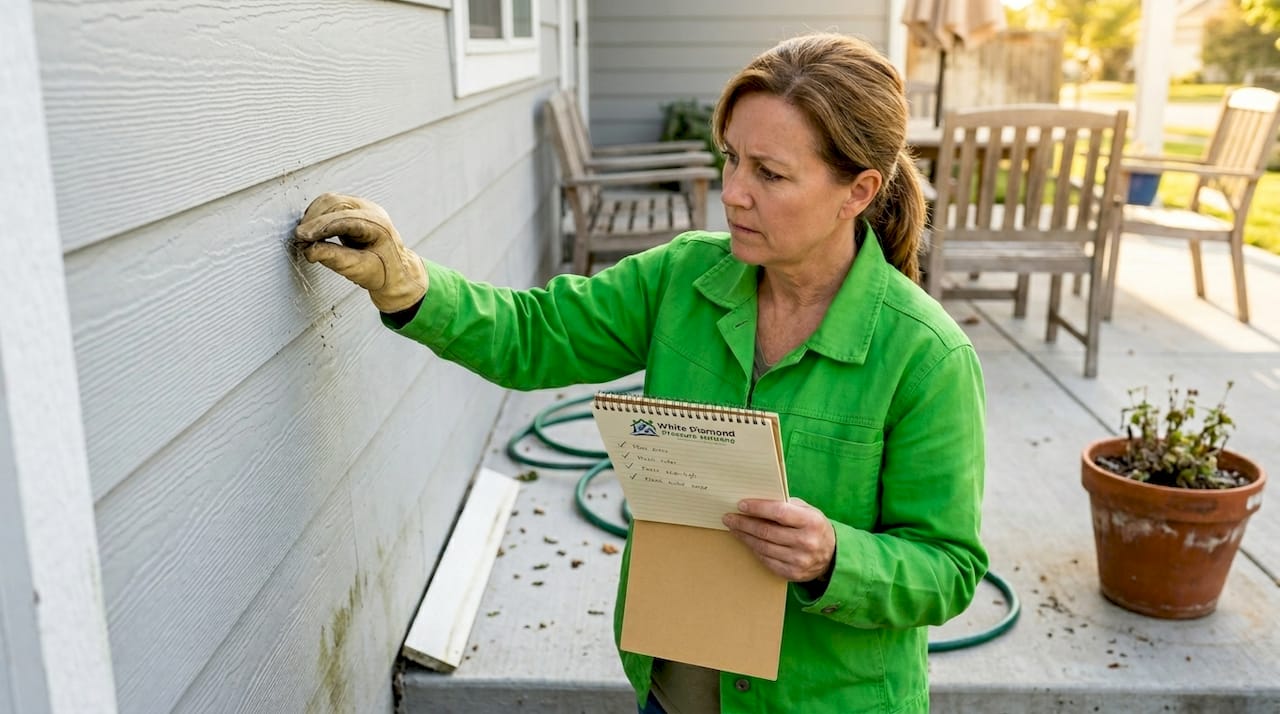
Regular cleaning also removes the materials that pests use for harborage. Spider webs, wasp nests, and dirt dauber nests tend to build up under eaves and behind shutters. A thorough wash removes all of that, helping you spot any pest activity before it becomes a bigger problem.
Timing matters: Cleaning, painting, and summer strategy
Routine is vital, but when you clean is just as important as how. Exterior cleaning done at the wrong time or in the wrong sequence can undermine the results you’re trying to achieve, particularly if you’re planning to repaint or restain any surfaces this summer.
The correct sequence is always: clean first, inspect second, then paint or stain. Skipping the cleaning step before painting is one of the most common and costly mistakes homeowners make. Paint applied over dirty, mold-covered, or damp surfaces simply won’t adhere properly, and the result is premature peeling, bubbling, and failure. Correcting issues before summer conditions such as ensuring surfaces are clean and drainage is working properly helps curb appeal hold up and prevents long-term moisture problems in materials.
Here’s the recommended sequence for summer exterior prep:
- Schedule your pressure or soft wash to remove all biological growth, dirt, and staining from target surfaces.
- Allow full drying time before any inspection or coating application. Depending on humidity, this can take 24 to 48 hours.
- Inspect surfaces thoroughly for cracks, gaps, paint failure, or rot that the cleaning has now exposed.
- Repair any damage before applying paint, stain, or sealant.
- Paint or stain during the performance window, meaning when temperatures and humidity are within the ranges specified by the product manufacturer.
- Follow up with a maintenance wash 3 to 6 months later to protect the new finish.
Timing within the season also matters. Extreme heat and humidity can worsen paint outcomes by causing the coating to dry too fast or trap moisture beneath it. Both scenarios lead to finish failure. In Citrus County, early summer mornings in May and June tend to offer more manageable conditions than the peak heat of July and August.
Pro Tip: If you’re planning a painting project, schedule your exterior cleaning at least a week before your painting date. This gives surfaces adequate time to dry completely and gives you time to complete any repairs before the painter arrives. Review your exterior cleaning checklist to make sure nothing gets overlooked before paint goes on.
Another often overlooked timing factor is scheduling around Citrus County’s rainy season. Rain in the forecast within 24 hours of cleaning can wash away cleaning solutions before they’ve had time to work on biological growth. A professional team familiar with local weather patterns knows how to time jobs for best results.
Learning why cleaning before painting makes such a large difference in longevity can help you make smarter decisions before your next painting project.
Choosing the right cleaning methods for Citrus County
Once you’ve coordinated timing, the next decision is how to clean each surface for the best outcome. This is where many homeowners go wrong, either by applying too much pressure to delicate surfaces or by not using the right cleaning solution for the type of growth they’re dealing with.
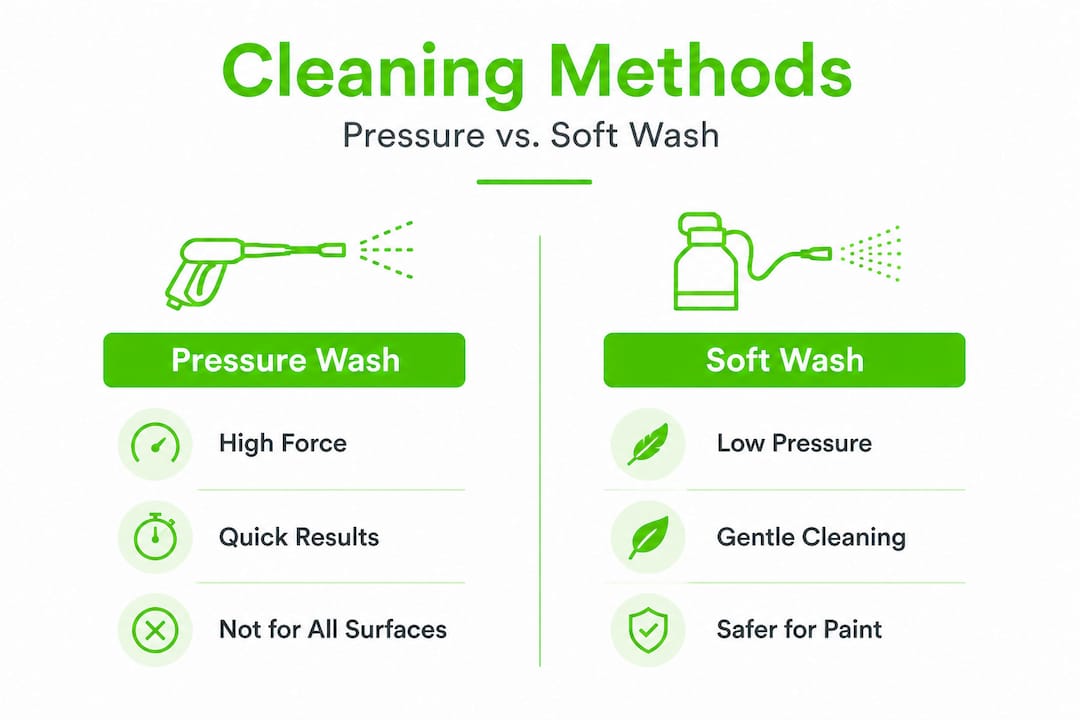
Not all surfaces respond the same way to the same method. A high-pressure wash that works perfectly on a concrete driveway can strip paint from wood siding or crack roof shingles. Understanding the difference between your options protects your investment.
Here’s a practical breakdown:
- Pressure washing: Best for concrete driveways, walkways, brick, and pavers. High water pressure effectively removes embedded dirt, staining, and biological growth from hard, durable surfaces. Not suitable for roofs, older wood, or painted surfaces.
- Soft washing: The preferred method for roofs, vinyl siding, wood, and painted surfaces. Uses lower pressure combined with specialized cleaning solutions that kill algae, mold, and mildew at the source. Results last longer than pressure washing on biological growth because the solution treats the organism, not just the surface.
- Hand cleaning: Appropriate for small, detailed areas such as window frames, door trims, decorative elements, and tight corners where equipment can’t safely reach. Also used as a follow-up to machine cleaning on stubborn spots.
Homes near trees or the coast in Citrus County need more frequent service because algae and mold growth returns faster in these environments. Shaded areas stay damp longer after rain, giving organisms more time to establish before the sun dries things out. Pay extra attention to north-facing walls, the undersides of eaves, areas beneath overhanging branches, and any surface near a downspout.
Learning about the different types of exterior cleaning available helps you ask the right questions when you’re evaluating service providers. And if you’re weighing whether the cost makes sense, understanding why investing in exterior cleaning for your Citrus County property pays off over time changes the calculation entirely.
Pro Tip: When you’re not sure which method is safe for a particular surface, always default to lower pressure and a tested cleaning solution. Better yet, call a local professional. Using the wrong method on the wrong surface can void manufacturer warranties on roofing or siding products and cause damage that costs far more to fix than the cleaning itself.
A local expert’s perspective: What most homeowners still miss in summer upkeep
Here’s something we see regularly that most general cleaning guides won’t tell you: homeowners focus on what they can see and ignore what they can’t. They’ll scrub the front walkway spotless and never think about the north side of the house, the space behind the AC unit, or the lower section of siding where the mulch line meets the wall. Those are the places where moisture collects, grime builds up undisturbed, and biological growth establishes itself most aggressively.
The curb appeal cleaning benefits of regular maintenance are real, but the deeper value is what you don’t see. A routine cleaning schedule in Citrus County means you’re never dealing with a surface that’s been ignored for two or three summers. The buildup on a neglected surface takes significantly more time, effort, and in some cases stronger treatments to remove. That means higher cost and more risk of surface damage during the cleaning process itself.
The contrarian point worth making here is this: more pressure is not always better. We regularly see homeowners who’ve attempted DIY cleaning and unknowingly used pressure settings that stripped paint, gouged wood, or damaged soft mortar in brick joints. Florida’s aggressive climate means surfaces are already under stress from heat expansion, UV exposure, and moisture cycling. Adding the mechanical stress of excessive water pressure on top of that is a recipe for accelerated deterioration.
Local expertise matters in a way that generic advice simply can’t replicate. A Citrus County professional understands which surfaces are most commonly installed in local homes, how local building materials respond to treatment, and which biological organisms are most prevalent in each season. That knowledge informs every decision made on a job, from water pressure settings to solution concentration to timing relative to the weather forecast.
Get expert exterior cleaning help in Citrus County
Your home is one of your most significant investments, and summer in Citrus County gives biological growth every advantage it needs to take hold. Knowing the risks, the warning signs, the right sequences, and the correct methods puts you well ahead of most homeowners. But knowing and doing are two different things.

White Diamond Pressure Washing brings local knowledge, professional-grade equipment, and industry-approved methods to every job in Citrus County. Whether you need a roof soft wash, a driveway pressure wash, or a full professional cleaning service for your home’s exterior, we match the right method to every surface. Not sure which approach is right for your property? Our team is happy to walk you through how soft washing works and what to expect from a professional clean. Reach out today to book your free estimate and take the first step toward a cleaner, better-protected home this summer.
Frequently asked questions
How often should I clean my house exterior in Citrus County during summer?
Most Citrus County homes benefit from exterior cleaning every 3 to 6 months during the summer, with homes near trees or water needing more frequent service due to accelerated biological growth from Florida’s heat and humidity.
What are the first warning signs my home needs exterior cleaning?
Dark streaks on your roof, green patches on concrete, and black spots on siding are the top warning signs, and these early indicators typically become most visible after heavy summer rain.
Does cleaning my home’s exterior really protect paint and surfaces?
Yes, regular cleaning removes biological growth and moisture buildup that directly cause paint failure and surface degradation, and correcting these issues before summer conditions set in prevents much more costly damage to finishes.
How should I schedule cleaning if I plan to repaint my house this summer?
Always clean first and allow 24 to 48 hours for full drying before painting, since extreme heat and humidity during Florida summers can seriously compromise paint adhesion and curing when surfaces aren’t properly prepared.
Is DIY cleaning safe for all exterior surfaces?
Not always. Delicate surfaces like roofs, older wood, and painted siding require low-pressure soft washing techniques, and using the wrong pressure settings on these materials can cause damage that’s far more expensive to fix than the original cleaning would have cost.
Recommended
- Curb Appeal Explained: Boost Home Value and Sell Faster – white-diamond-pressure
- Boost your property value in 2026 with exterior cleaning – white-diamond-pressure
- 7 Essential Tips for Your Spring Cleaning Exterior Checklist – white-diamond-pressure
- 7 Common Exterior Surfaces to Clean for Better Curb Appeal – white-diamond-pressure
- Why Summer Is the Best Time for Exterior Upgrades | Buffalo Roofing & Exteriors | San Antonio to Corpus Christi, TX