

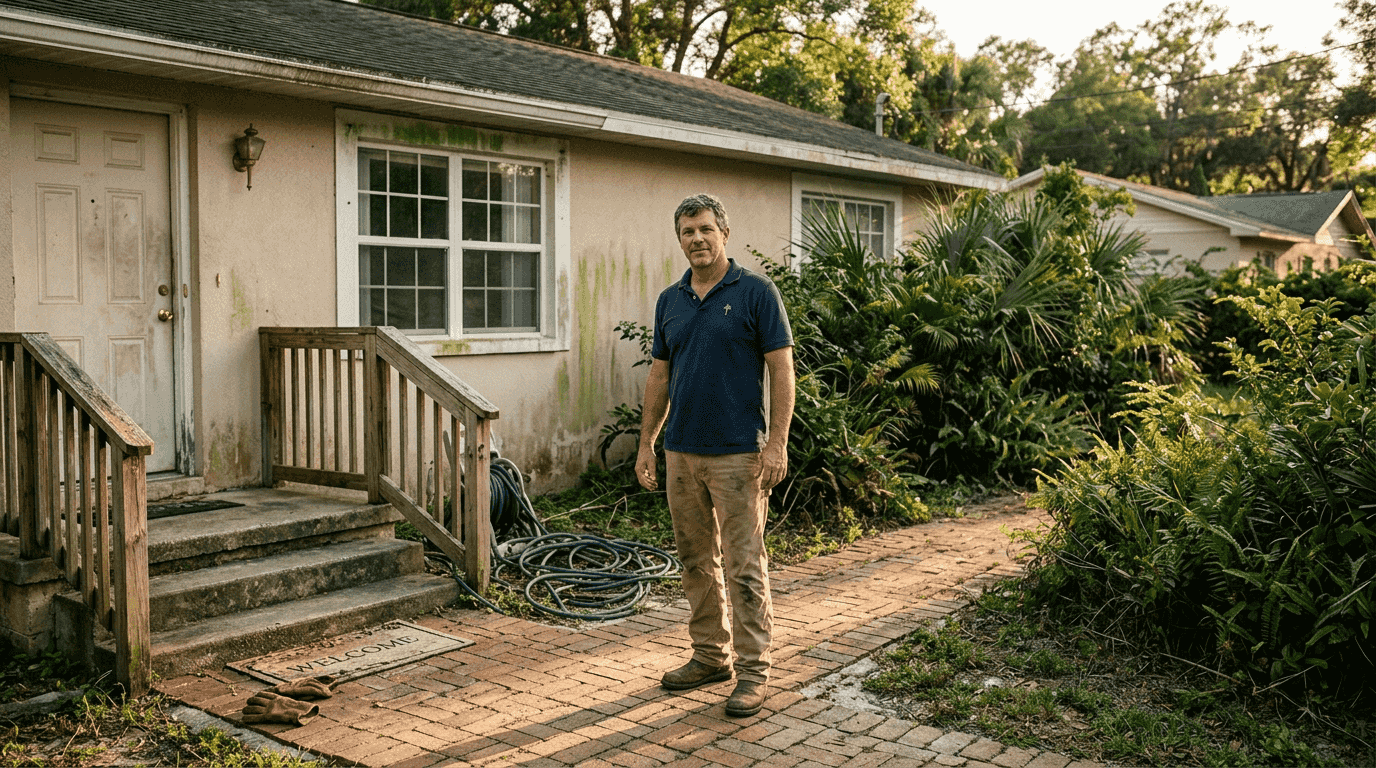
Your home’s exterior faces constant assault from Citrus County’s humid climate, where algae and mold can colonize surfaces within 6-12 months. Many homeowners underestimate how quickly organic growth and environmental pollutants compromise both curb appeal and structural integrity. Recognizing the clear signs that your house needs washing prevents costly damage while preserving your property’s value. This guide walks you through seven practical indicators that signal it’s time for professional exterior cleaning, helping you protect your investment before minor issues become expensive repairs.
Table of Contents
- 1. Visible Algae, Mold, Or Mildew Growth On Exterior Surfaces
- 2. Noticeable Dullness And Discoloration Reducing Curb Appeal
- 3. Signs Of Material Degradation And Structural Risk From Buildup
- 4. Overgrown Vegetation Blocking Sunlight And Airflow
- 5. Buildup Of Dirt, Pollen, And Road Film On Driveways And Sidewalks
- Protect Your Citrus County Home With Professional Pressure Washing
- Frequently Asked Questions
Key takeaways
| Point | Details |
|---|---|
| Visible organic growth | Algae, mold, and mildew appear as discolored patches on siding and indicate immediate washing needs. |
| Dull appearance | Accumulated dirt and grime reduce curb appeal and can lower perceived property value by up to 10%. |
| Material degradation | Unchecked buildup accelerates deterioration and increases moisture intrusion risk by 20-25%. |
| Environmental factors | Overgrown vegetation blocks airflow and sunlight, creating ideal conditions for mold growth. |
| Hardscape damage | Dirt and pollen on driveways and sidewalks cause abrasion and reduce concrete lifespan significantly. |
1. Visible algae, mold, or mildew growth on exterior surfaces
The most obvious indicator your house needs washing appears as green, black, or gray patches spreading across your siding. Mold and algae thrive in moist, dark environments, making shaded areas prime targets for colonization. North and east-facing walls receive less direct sunlight, retaining moisture longer after rain or morning dew. Areas behind dense shrubs or under tree canopies create perfect breeding grounds where organic growth flourishes unchecked.
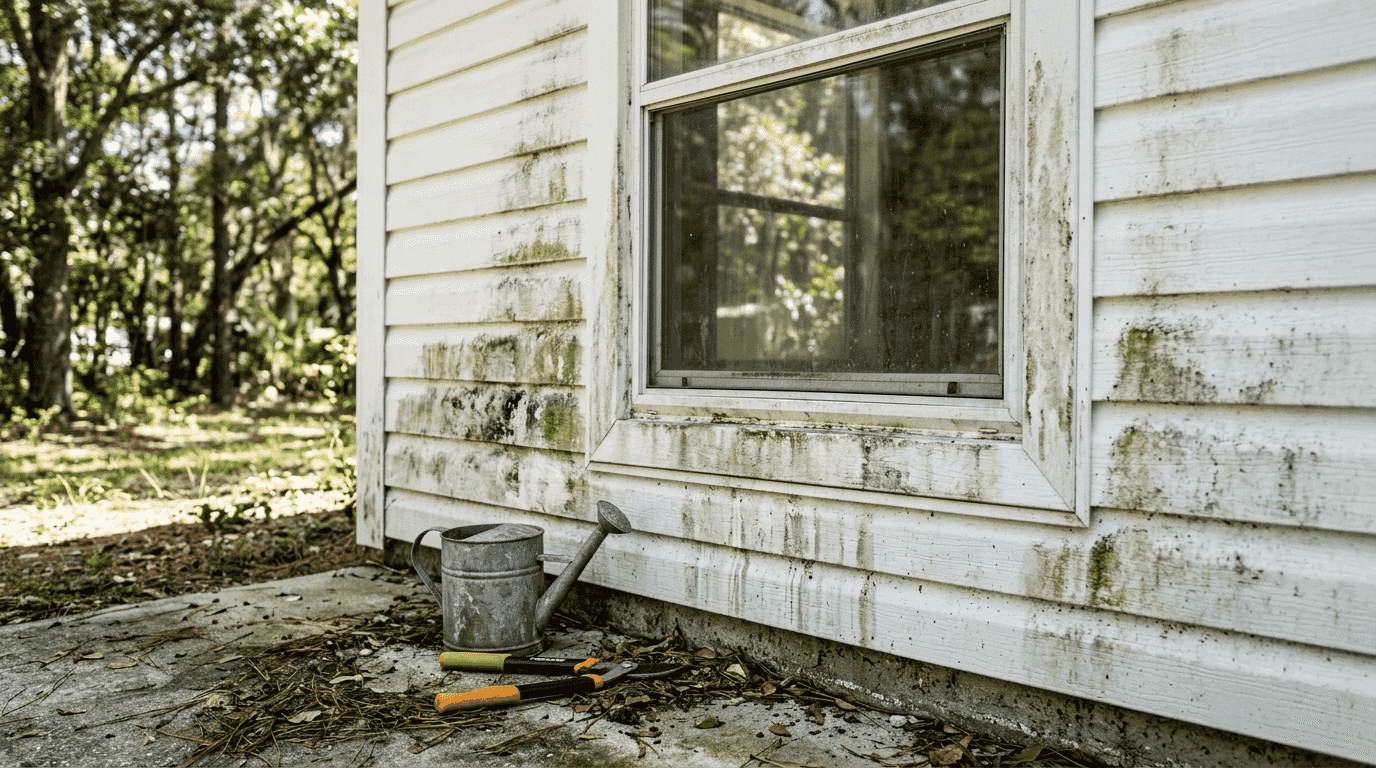
Citrus County’s subtropical humidity provides ideal conditions for rapid algae development. Within six months of your last cleaning, you might notice faint discoloration beginning in corners or near ground level. These patches spread quickly, feeding on moisture trapped against your siding. The longer you wait, the deeper these organisms penetrate surface materials, making removal more difficult and expensive.
Unchecked mold creates serious structural risks beyond cosmetic concerns. Organic growth holds moisture against siding materials, promoting rot in wood substrates and degrading vinyl or fiber cement surfaces. Professional exterior cleaning benefits extend beyond appearance, actively preventing material breakdown that leads to costly repairs.
Common locations for organic growth include:
- Shaded walls facing north or east with limited sun exposure
- Areas beneath roof overhangs where water drips create constant moisture
- Siding sections behind overgrown landscaping or dense vegetation
- Lower portions of walls near sprinkler systems or ground splash zones
- Window frames and trim where condensation accumulates regularly
Pro Tip: Trim tree branches and shrubs at least 18 inches away from your siding to improve airflow and sunlight exposure, dramatically reducing mold growth potential between professional cleanings.
2. Noticeable dullness and discoloration reducing curb appeal
Your home’s exterior loses its vibrant appearance gradually as dirt, pollen, and environmental pollutants accumulate in microscopic surface textures. This buildup creates a dull, faded look that makes even well-maintained properties appear neglected. Paint colors that once looked crisp now seem washed out and lifeless. The transformation happens slowly enough that you might not notice until comparing your home to a freshly cleaned neighbor’s property.
Curb appeal influences perceived value by 5-10%, making exterior cleanliness a significant factor in property valuation. Real estate professionals consistently emphasize that first impressions drive buyer interest and pricing negotiations. A grimy exterior signals deferred maintenance to potential buyers, even when structural elements remain sound. Conversely, maintaining clean home exteriors demonstrates pride of ownership and attention to property care.
Driveways and sidewalks suffer similar aesthetic decline from accumulated grime. Dark streaks from tire marks, oil residue, and embedded dirt create an unkempt appearance that detracts from your home’s overall presentation. Concrete surfaces develop a dingy gray film that obscures their original color, while pollen creates sticky yellow layers during spring months.
Visible signs of diminished curb appeal include:
- Faded or uneven color on siding panels compared to protected areas
- Streaky discoloration running down from roof edges or gutters
- Spotty appearance where dirt concentrates in textured siding patterns
- Grimy window frames that make glass cleaning efforts seem futile
- Darkened concrete with embedded stains resistant to rain washing
Regular professional washing preserves paint vibrancy and prevents permanent staining. Surface contaminants bond more strongly to materials over time, making early intervention far more effective than delayed cleaning. Scheduling annual maintenance keeps your property looking fresh while avoiding the need for more aggressive restoration treatments.
3. Signs of material degradation and structural risk from buildup
Organic matter and pollutants create more than cosmetic problems when left unchecked on exterior surfaces. These contaminants trap moisture against building materials, creating conditions that accelerate rot, decay, and structural compromise. Organic buildup accelerates deterioration in Florida’s climate, where constant humidity prevents thorough drying between rain events. What begins as surface discoloration progresses to material breakdown requiring expensive repairs or replacement.
Mildew and mold presence indicates excess moisture retention, with moisture intrusion risk increasing 20-25% in affected areas. These organisms send root structures into porous materials, breaking down protective finishes and creating pathways for water penetration. Wood siding develops soft spots and rot, while vinyl becomes brittle and cracks more easily. Even durable fiber cement suffers accelerated wear when constantly exposed to moisture-laden organic growth.
Concrete surfaces experience similar degradation from trapped pollutants and biological matter. Dirt particles act as abrasives, grinding away protective sealants with every footstep or tire rotation. Pollen and organic debris hold moisture against the surface, promoting freeze-thaw damage in winter months and chemical breakdown year-round. Regular cleaning extends concrete lifespan by 30%, making professional maintenance a cost-effective investment compared to premature replacement.
How buildup progresses to structural damage:
- Initial contamination creates a moisture-retaining layer on surfaces
- Organic growth establishes root systems penetrating protective finishes
- Trapped moisture promotes material breakdown and degradation
- Compromised surfaces allow deeper water intrusion and rot development
- Structural elements weaken, requiring costly repair or replacement
| Surface Type | Cleaned Annually | Uncleaned 5+ Years | Repair Cost Difference |
|---|---|---|---|
| Vinyl siding | 20+ year lifespan | 12-15 year lifespan | $3,000-$8,000 early replacement |
| Wood siding | Minimal rot risk | High rot probability | $5,000-$15,000 board replacement |
| Concrete driveway | 30+ year lifespan | 20-25 year lifespan | $4,000-$10,000 early resurfacing |
| Deck surfaces | 15-20 year lifespan | 8-12 year lifespan | $6,000-$12,000 premature rebuild |
Pro Tip: Schedule professional washing every 12-18 months to prevent buildup from reaching the damage threshold, protecting your investment while avoiding the expense of premature material replacement.
Maintaining safe home exteriors through regular professional cleaning addresses problems before they escalate into structural concerns. Early intervention costs a fraction of repair expenses while preserving your home’s integrity and value.
4. Overgrown vegetation blocking sunlight and airflow
Dense landscaping creates microclimates against your home’s exterior that promote rapid organic growth and moisture retention. Branches touching or hanging close to siding block sunlight that would naturally dry surfaces after rain. Shrubs planted too close trap humid air, preventing the airflow necessary for proper drying. These shaded, stagnant areas become hotspots where overgrown vegetation exacerbates mold and algae growth far beyond what occurs on exposed walls.
North-facing walls already receive limited direct sun, making vegetation management even more critical in these locations. A tree canopy that provides welcome shade in summer becomes problematic when it keeps siding perpetually damp. Morning dew that would evaporate within hours on sunny exposures lingers all day in shaded areas, feeding algae colonies and mold spores.
Regular trimming improves environmental conditions around your home, reducing the frequency of professional washing needed. Maintaining clearance allows sunlight to reach surfaces and wind to circulate freely, creating conditions hostile to organic growth. This preventative approach complements exterior cleaning strategies by addressing root causes rather than just treating symptoms.
Vegetation management tasks that prevent buildup:
- Trim branches to maintain 24-36 inches clearance from all siding surfaces
- Prune shrubs to allow airflow between plantings and exterior walls
- Remove climbing vines that trap moisture and damage protective finishes
- Thin tree canopies to increase sunlight penetration to shaded walls
- Relocate dense plantings that block natural drying and air circulation
Keeping siding properly exposed reduces mold development between cleanings and lowers overall maintenance costs. Properties with well-managed landscaping show significantly less organic growth, requiring less aggressive cleaning methods and extending the time between professional services. This proactive approach protects both your home’s appearance and structural integrity while reducing long-term maintenance expenses.
5. Buildup of dirt, pollen, and road film on driveways and sidewalks
Hardscape surfaces accumulate layers of contamination that create both aesthetic and structural problems. Vehicle traffic grinds dirt particles into concrete pores, while tire rubber leaves dark streaks resistant to rain washing. Road film containing oil residue, exhaust particles, and chemical pollutants bonds to surfaces, creating a grimy appearance that worsens over time. Pollen adds seasonal yellow coatings that turn sticky and difficult to remove without proper cleaning equipment.
These contaminants do more than look unsightly. Embedded particles act as abrasives, wearing away protective sealants and exposing concrete to accelerated weathering. Moisture trapped beneath dirt layers promotes freeze-thaw damage and chemical breakdown. The cumulative effect significantly reduces pavement lifespan, with regular cleaning extending durability by 30% compared to neglected surfaces.
| Maintenance Approach | Average Lifespan | Cleaning Frequency | Long-Term Cost |
|---|---|---|---|
| Professional annual cleaning | 30-35 years | Once yearly | $200/year, $6,000 total |
| Occasional DIY washing | 22-25 years | Every 3-4 years | $100/cleaning, $2,500 total |
| No regular cleaning | 18-20 years | Never | $0 cleaning, $8,000-$12,000 early replacement |
Visible indicators your hardscapes need attention:
- Dark discoloration and uneven color across concrete surfaces
- Sticky film that attracts more dirt and resists rain washing
- Rough, abraded texture where smooth finish once existed
- Oil stains and tire marks that spread with each rain event
- Pollen accumulation creating yellow or green surface coatings
Pro Tip: Schedule driveway and sidewalk cleaning twice yearly, in spring after pollen season and fall before winter weather, to maximize concrete lifespan while maintaining pristine appearance year-round.
Maintaining clean driveways prevents the gradual degradation that leads to expensive replacement projects. Professional cleaning removes embedded contaminants that DIY methods leave behind, protecting your investment while keeping your property looking its best.
Protect your Citrus County home with professional pressure washing
Recognizing these seven signs empowers you to take action before minor issues become major expenses. Professional pressure washing removes damaging buildup safely and effectively, using techniques tailored to each surface type.

White Diamond Pressure Washing specializes in protecting Citrus County homes from the unique challenges of Florida’s humid climate. Our soft washing and low-pressure techniques eliminate mold, algae, and contaminants without risking surface damage that high-pressure methods can cause. We use industry-approved products and proven preventative strategies that extend material lifespan while enhancing curb appeal and property value. Our experienced team provides flexible scheduling and free estimates, making it easy to safeguard your investment. Contact us today to restore your home’s beauty and protect against costly deterioration.
Frequently asked questions
How often should I wash my house in Citrus County?
Wash your home at least once annually due to Citrus County’s high humidity and rapid organic growth rates. Properties with significant shade, dense landscaping, or visible mold may benefit from cleaning every 6-9 months. Regular preventative maintenance costs less than addressing severe buildup or repairing damage from neglect.
Can rain cleanse the house exterior enough to avoid professional washing?
Rain lacks the pressure and cleaning agents needed to remove bonded contaminants effectively. Rain can spread mold spores and organic growth rather than eliminating them, while leaving dirt and pollutants embedded in surface textures. Professional exterior cleaning uses specialized equipment and solutions that rain cannot replicate.
What surfaces around my home need regular washing?
Common surfaces requiring attention include siding, roofs, driveways, sidewalks, decks, gutters, and window frames. Each material benefits from cleaning tailored to its specific needs and vulnerabilities. Learn about essential cleaning types to maintain your entire property effectively.
Does pressure washing damage siding or concrete?
Professional soft washing and low-pressure techniques safely clean delicate surfaces without causing damage. High-pressure methods used incorrectly can harm siding, strip paint, or etch concrete, which is why experienced technicians adjust pressure and cleaning solutions based on surface type. Proper technique preserves materials while removing all contaminants.
How much does professional house washing cost in Citrus County?
Typical residential washing ranges from $200-$600 depending on home size, surface types, and contamination severity. This investment prevents thousands in premature replacement costs while maintaining property value. Most providers offer free estimates, allowing you to budget appropriately for this essential maintenance.
Recommended
- Why Invest in Exterior Cleaning for Citrus County Homes – white-diamond-pressure
- Best practices for property cleaning in Citrus County 2026 – white-diamond-pressure
- 7 Smart Driveway Cleaning Methods for Citrus County Homes – white-diamond-pressure
- 10 home exterior maintenance tips to protect value in 2026 – white-diamond-pressure
One thought on “7 signs your house needs washing in Citrus County”