

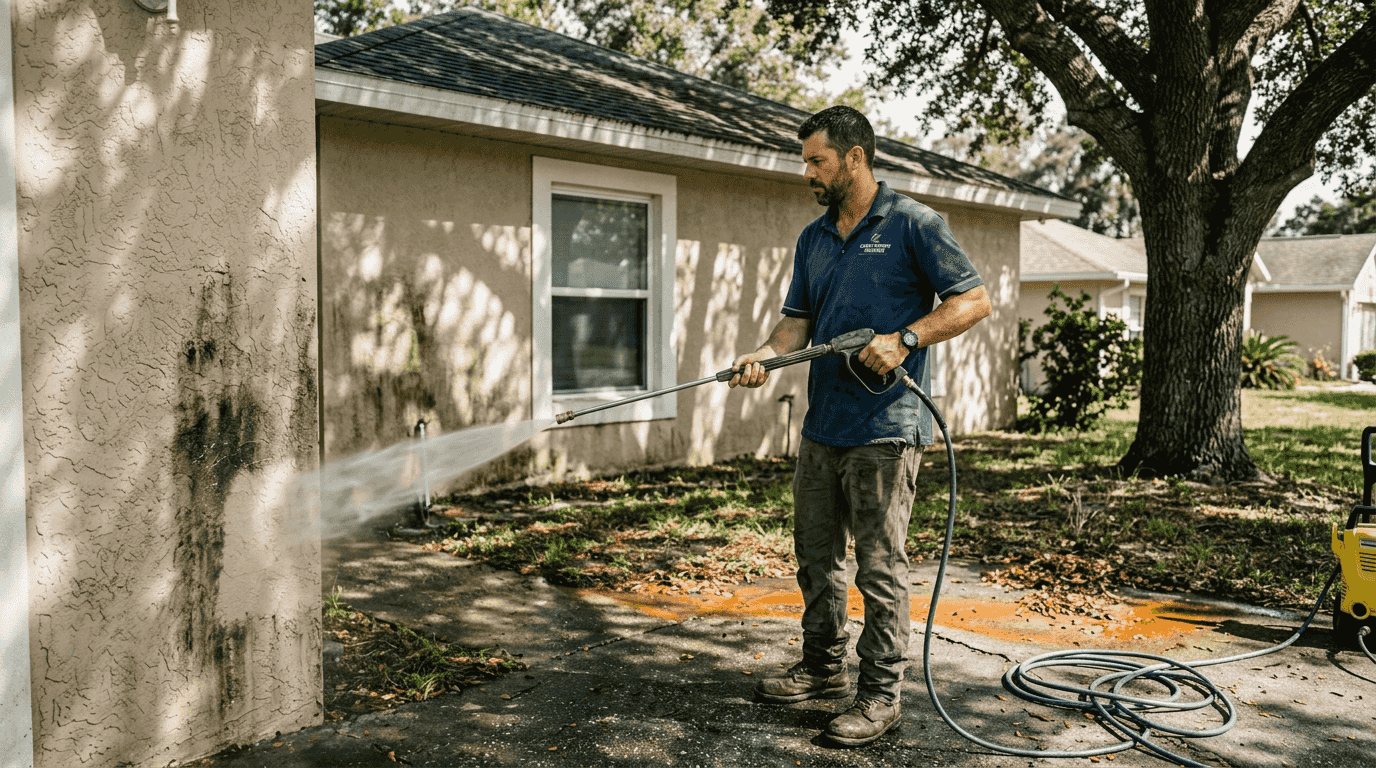
Keeping your Citrus County property’s exterior pristine isn’t just about curb appeal. It’s about protecting your investment from Florida’s harsh sun, humidity, and seasonal storms that accelerate mold growth and surface degradation. Choosing the wrong cleaning method can strip paint, gouge siding, or leave stubborn stains behind. This guide walks you through proven techniques that balance effectiveness with safety, helping you maintain your home or commercial property without costly damage. You’ll learn which methods work best for different surfaces, how to prepare properly, and when to call in professionals for optimal results.
Table of Contents
- Key Criteria For Effective Property Cleaning
- Top Property Cleaning Methods And When To Use Them
- Comparing Popular Cleaning Techniques: A Detailed Overview
- Choosing The Right Cleaning Practice For Your Citrus County Property
- Discover Professional Exterior Cleaning Services In Citrus County
- Frequently Asked Questions
Key takeaways
| Point | Details |
|---|---|
| Pressure selection matters | Low pressure protects delicate surfaces while soft washing uses gentle detergents for fragile materials like vinyl siding and roofs. |
| Preparation prevents damage | Testing small areas first and removing obstacles ensures safe cleaning without unexpected surface harm or property damage. |
| Method matches material | Durable concrete handles high pressure, but wood, stucco, and painted surfaces require softer approaches to avoid deterioration. |
| Regular maintenance saves money | Cleaning 2-3 times yearly prevents buildup that leads to premature repairs and extends your property’s lifespan significantly. |
| Professional expertise reduces risk | Trained technicians use calibrated equipment and proven techniques to deliver thorough cleaning without accidental damage. |
Key criteria for effective property cleaning
Before you grab a pressure washer or hire a service, you need to evaluate what your property actually needs. Surface sensitivity tops the list. Vinyl siding, painted wood, and stucco can’t handle the same force as concrete driveways. Apply too much pressure and you’ll blast away protective coatings, embed water behind siding, or create permanent gouges. Start by identifying every surface type you plan to clean and research its pressure tolerance.
Citrus County’s subtropical climate adds another layer of complexity. High humidity breeds mold and mildew faster than drier regions, meaning you’ll need cleaning solutions that tackle organic growth without harming native plants or waterways. Proper preparation and technique prevent most cleaning disasters. Walk your property perimeter and move potted plants, outdoor furniture, and decorative items away from walls. Cover electrical outlets and light fixtures with waterproof tape. Mark any loose siding or damaged areas that need repair before water intrusion worsens them.
Effectiveness versus risk creates a constant balancing act. You want cleaning power that removes years of grime in one pass, but not so much force that you’re scheduling repairs next week. Consider these factors:
- Surface porosity and age determine how much pressure it can withstand
- Existing damage like cracks or peeling paint becomes worse under high pressure
- Detergent chemistry matters as much as water force for organic stain removal
- Distance between nozzle and surface dramatically affects impact intensity
Pro Tip: Test your chosen method on an inconspicuous spot like a back corner or under an eave. Wait 24 hours to check for discoloration, texture changes, or water infiltration before tackling visible areas.
Professional guidance saves you from expensive mistakes. Experts recognize warning signs like efflorescence on brick or oxidized aluminum that require specialized treatment. They calibrate equipment to deliver just enough cleaning power without crossing into damage territory. Understanding advantages of low pressure washing and pressure washing safety impact helps you make informed decisions about DIY versus professional services.
Top property cleaning methods and when to use them
Soft washing revolutionized exterior cleaning by proving that chemicals often work better than brute force. This technique combines low pressure (under 500 PSI) with biodegradable detergents that break down organic matter at the molecular level. The solution clings to surfaces for 10-15 minutes, giving it time to kill mold spores and dissolve algae before a gentle rinse washes everything away. Soft washing excels on roofs, vinyl siding, painted surfaces, and any material that might crack or warp under traditional pressure.
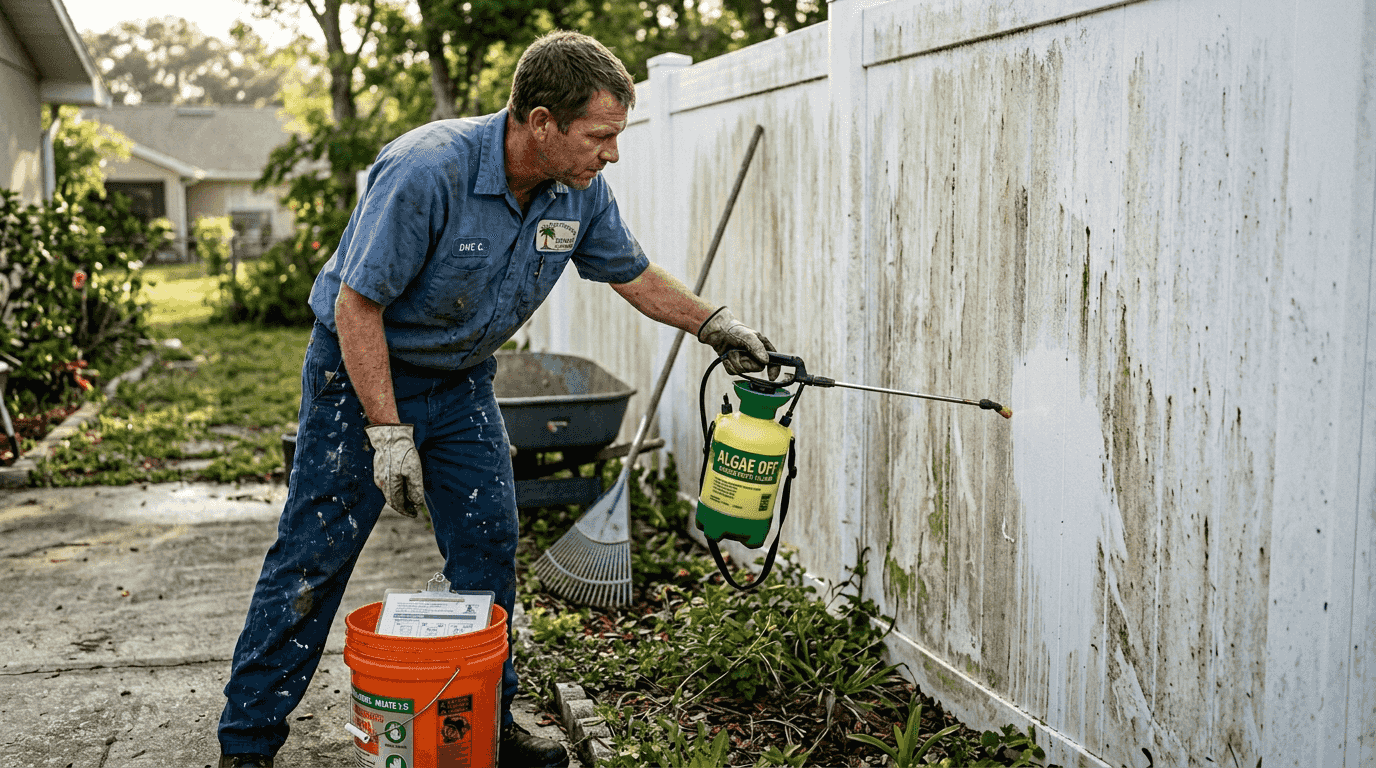
Pressure washing delivers higher force (1,500-3,000 PSI) for surfaces that can handle it. Concrete driveways, brick pavers, and stone walkways benefit from this aggressive approach that blasts away embedded dirt and tire marks. The key is matching PSI to surface hardness. Using an electric pressure washer gives you better control than gas models, with adjustable pressure settings that prevent accidental damage. Electric units run quieter, start easier, and cost less to maintain, making them ideal for residential applications.
Here’s how different methods match specific surfaces:
- Soft washing for asphalt shingle roofs removes black streaks without voiding warranties
- Low pressure (800-1,200 PSI) cleans wood decks and fences without splintering fibers
- Medium pressure (1,500-2,000 PSI) tackles vinyl siding and stucco effectively
- High pressure (2,500-3,000 PSI) restores concrete and removes paint from metal
- Chemical treatments alone work for delicate window screens and awnings
Understanding soft washing vs power washing clarifies when each approach makes sense. Power washing adds heat to the equation, reaching 180-200 degrees to melt grease and sanitize surfaces. This works brilliantly for commercial kitchen exteriors or oil-stained garage floors but creates unnecessary risk for standard home cleaning. The low-pressure washing advantages become obvious when you compare before-and-after results on fragile materials.
Pro Tip: Always start with the lowest effective pressure and increase gradually if needed. You can always add more force, but you can’t undo damage from starting too aggressive. Keep the nozzle at a 45-degree angle and maintain consistent distance from the surface.
The difference between pressure vs power washing matters less than choosing the right tool for your specific job. Focus on surface compatibility, cleaning goals, and safety protocols rather than getting caught up in equipment specifications.
Comparing popular cleaning techniques: a detailed overview
Seeing methods side by side reveals their true strengths and limitations. This comparison helps you match technique to your property’s specific needs:
| Method | Best For | Risk Level | Typical Cost | Environmental Impact |
|---|---|---|---|---|
| Soft Washing | Roofs, siding, painted surfaces | Very Low | $200-400 per service | Low (biodegradable solutions) |
| Low Pressure | Wood decks, fences, stucco | Low | $150-300 per service | Moderate (water usage) |
| Medium Pressure | Vinyl, brick, concrete walkways | Moderate | $175-350 per service | Moderate (runoff concerns) |
| High Pressure | Driveways, parking lots, heavy stains | High | $200-500 per service | Higher (chemical runoff) |
| Power Washing | Commercial surfaces, oil removal | Very High | $300-600 per service | Highest (heat and chemicals) |
Soft washing delivers the best results for materials that can’t tolerate physical stress. The chemical action penetrates porous surfaces like wood and composite materials, killing organic growth at the root rather than just washing it away temporarily. This explains why regular pressure washing extends siding life when done correctly. Mold and algae produce acids that slowly degrade protective finishes, so removing them before damage accumulates prevents premature replacement costs.
Cost considerations extend beyond the initial cleaning price. Aggressive methods might cost less per visit but require more frequent service because they don’t address underlying biological growth. Soft washing treatments often include mildewcides that inhibit regrowth for 12-18 months, reducing your annual maintenance expenses. Factor in potential repair costs from improper technique and the value of professional service becomes clearer.
Environmental factors matter increasingly in Citrus County where runoff affects local waterways. Soft washing uses less water overall because lower pressure means less waste. The biodegradable detergents break down naturally without harming aquatic life. High pressure methods create more runoff that can carry contaminants into storm drains, especially if you’re removing oil, rust, or old paint.
Pro Tip: Schedule cleanings during dry weather when runoff evaporates quickly rather than pooling. This protects your landscaping and reduces environmental impact while giving cleaning solutions time to work effectively.
Implementing preventative exterior cleaning strategies transforms maintenance from reactive crisis management to proactive protection. Regular attention prevents the heavy buildup that requires aggressive techniques, keeping your property in better condition with gentler methods.
Choosing the right cleaning practice for your Citrus County property
Your property’s unique characteristics dictate which method delivers optimal results. Start with a surface inventory. Walk around with a notepad and list every exterior material: vinyl siding, wood trim, concrete driveway, asphalt roof, painted shutters, brick accents. Each requires different treatment. Vinyl tolerates moderate pressure but cracks if you hold the nozzle too close. Wood needs low pressure applied with the grain to prevent splintering. Concrete handles high pressure but can etch if you linger too long in one spot.
Cleaning frequency changes your approach significantly. Properties near oak trees accumulate tannin stains that need attention every 4-6 months. Homes in full sun develop algae slower than shaded areas where moisture lingers. If you’ve never cleaned your exterior, expect to use stronger methods initially to remove years of buildup, then switch to gentler maintenance cleaning. Proper preparation and technique become even more critical when dealing with neglected surfaces that may hide underlying damage.
Commercial properties face different demands than residential homes. Retail storefronts need frequent cleaning to maintain professional appearance, often requiring overnight service to avoid disrupting business hours. Restaurants must address grease buildup that standard pressure washing can’t remove without specialized degreasers. Multi-unit properties benefit from scheduled maintenance programs that keep all buildings uniformly clean rather than spot-treating problem areas.
Safety and environmental best practices should guide every decision:
- Use personal protective equipment including eye protection and non-slip footwear
- Never point pressure washers at people, pets, or windows
- Protect plants with plastic sheeting or pre-soak them to dilute chemical exposure
- Collect and properly dispose of wastewater containing paint chips or heavy contamination
- Follow manufacturer guidelines for detergent dilution ratios
Pro Tip: Create an annual pressure washing schedule Citrus County based on your property’s exposure and material types. Spring cleaning removes winter grime before summer humidity accelerates mold growth. Fall service prepares surfaces for cooler months when cleaning becomes less urgent.
The regular driveway cleaning importance extends beyond aesthetics. Oil stains penetrate concrete pores and weaken the surface structure over time. Tire rubber deposits create black streaks that become harder to remove the longer they sit. Addressing these issues promptly with appropriate pressure settings maintains structural integrity while keeping your property looking sharp.
Discover professional exterior cleaning services in Citrus County
Mastering exterior cleaning techniques takes time and equipment investment that many property owners prefer to avoid. Professional services bring calibrated tools and years of experience that prevent the trial-and-error damage common with DIY attempts. You’re not just paying for cleaning, you’re buying insurance against costly mistakes.

White Diamond Pressure Washing tailors every job to Citrus County’s specific challenges. Our technicians recognize how Florida’s climate affects different materials and adjust pressure, detergent chemistry, and application techniques accordingly. We use soft washing for delicate surfaces and reserve high pressure for durable materials that benefit from aggressive cleaning. This customized approach delivers thorough results without risking your property’s integrity.
Time savings matter when you’re juggling work, family, and property maintenance. Professional crews complete in hours what might take you an entire weekend, and we handle all the preparation and cleanup. No more renting equipment, buying chemicals, or spending your Saturday wrestling with a pressure washer. Visit White Diamond Pressure Washing to explore our professional exterior cleaning services designed for residential and commercial properties throughout the region.
Our preventative exterior cleaning strategies help you stay ahead of damage rather than reacting to problems after they develop. Regular professional maintenance costs less than emergency repairs and keeps your property value strong. Schedule a free estimate to learn how our proven methods protect your investment.
Frequently asked questions
What is the safest method for cleaning delicate siding?
Soft washing provides the safest approach for fragile materials like vinyl, wood, and painted surfaces. It uses low pressure (under 500 PSI) combined with biodegradable detergents that dissolve dirt and kill mold without physical stress. This method effectively removes organic growth while protecting surface integrity. Learn more about soft washing vs power washing to understand why gentler techniques often deliver better long-term results.
How often should I have my property exterior cleaned?
Most Citrus County properties benefit from professional cleaning 2-3 times annually to prevent damaging buildup. Shaded areas with high humidity may need quarterly attention, while sun-exposed surfaces can go 6 months between services. Climate, surrounding vegetation, and material type all influence ideal frequency. Following an annual pressure washing schedule Citrus County helps you maintain consistent protection without over-cleaning.
Can power washing damage my property?
Yes, excessive pressure or improper technique easily damages fragile surfaces by stripping paint, gouging wood, cracking vinyl, or forcing water behind siding. Electric pressure washers with adjustable settings reduce this risk compared to gas-powered units. Professional operators know how to calibrate equipment for each surface type. Understanding why avoid high pressure washing helps you recognize when gentler methods make more sense than aggressive force.
What preparation is needed before exterior cleaning?
Remove outdoor furniture, potted plants, decorations, and vehicles from the cleaning area to prevent damage and allow complete access. Cover electrical outlets, light fixtures, and vents with waterproof tape. Test your chosen method on a small, hidden area first to check for adverse reactions. Inspect for loose siding, cracks, or damaged areas that need repair before introducing water pressure. Following pressure washing safety impact guidelines protects both your property and anyone performing the work.
Recommended
- Commercial property cleaning guide for Citrus County 2026 – white-diamond-pressure
- Why Invest in Exterior Cleaning for Citrus County Homes – white-diamond-pressure
- 7 Smart Driveway Cleaning Methods for Citrus County Homes – white-diamond-pressure
- Why gutter cleaning matters for Citrus County homes 2026 – white-diamond-pressure
4 thoughts on “Best practices for property cleaning in Citrus County 2026”