

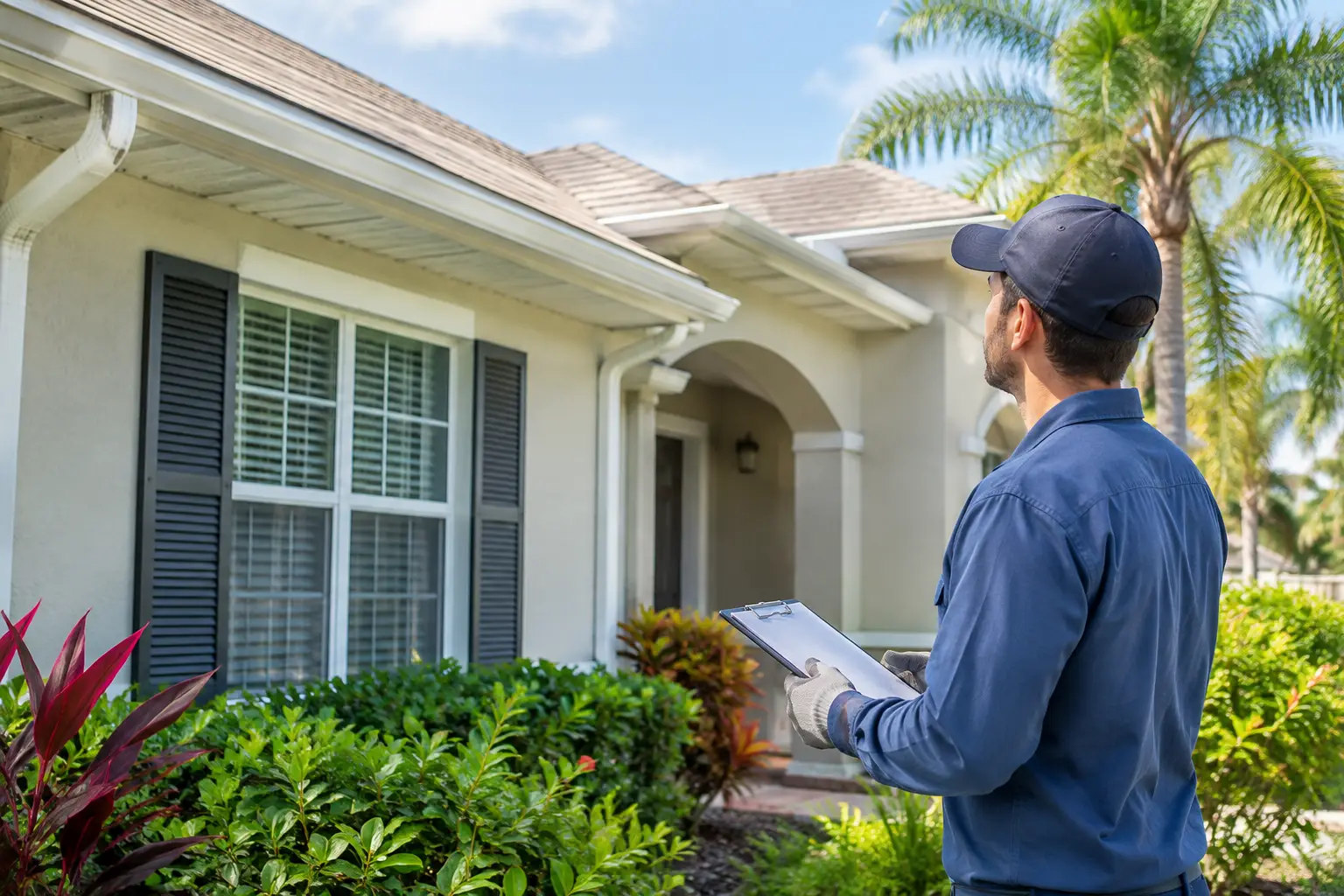
By the time a dark streak appears on a roof or green film makes a walkway slick, Florida humidity has usually been working on the surface for weeks. Warm air, frequent rain, shade, and overnight moisture create ideal conditions for algae, mildew, and grime to settle in. This Florida humidity exterior maintenance guide is built for homeowners in Homosassa, Citrus County, and nearby communities who want to keep their property clean, safe, and shining like a diamond without taking unnecessary risks with exterior materials.
Humidity is not something a homeowner can eliminate. The practical goal is to remove moisture-holding buildup early, keep water moving away from the home, and use the right cleaning method for each surface.
Why Florida Humidity Changes Exterior Maintenance
In drier climates, dust may be the main concern. Here, dust combines with pollen, leaf debris, salt in the air near the coast, and moisture. That mix clings to roofs, siding, soffits, concrete, pool cages, and awnings. Once it stays damp long enough, organic growth follows.
Algae and mildew are more than an appearance issue. On driveways, sidewalks, and patios, they can make a normally safe surface slippery after rain. On a roof, dark discoloration can make the whole home look neglected and may retain moisture against shingles or tile. Around gutters and soffits, staining can hide drainage issues that deserve attention.
The pace of buildup depends on your property. A home beneath oak trees, beside a retention area, or with a north-facing wall will often need more frequent care than a sunny, open lot. Pool enclosures and lanais also collect fine debris and humidity, especially during the rainy season. There is no single schedule that fits every Citrus County home, but waiting until stains become severe usually means a larger cleaning job later.
Start With a Simple Inspection Routine
A quick look around the property once a month can prevent surprises. Walk the exterior after a heavy rain when possible. You are looking for green or black growth, standing water, overflowing gutters, loose debris, and areas where paint or caulking no longer looks sound.
Pay attention to transitions: where the roof meets gutters, where a walkway meets landscaping, where screen framing connects to the lanai, and where downspouts discharge. These are the places where water and debris tend to collect. Early signs are often subtle – a faint shadow on white soffit, a green edge along concrete, or a few dark spots on a shingle roof.
Do not mistake every stain for the same problem. Rust, irrigation overspray, tannins from leaves, algae, and embedded tire marks need different approaches. Using a harsh cleaner or too much pressure because a stain looks stubborn can damage the surface without solving the cause.
Roof Care: Gentle Cleaning Protects the Surface
Florida roofs take the full force of sun, rain, and airborne growth. When algae creates black streaks or tile begins to look dull and blotchy, homeowners may be tempted to blast it clean. High pressure is not the right answer for most roofs. It can dislodge granules from shingles, disturb tile, force water beneath materials, and create avoidable damage.
A professional soft-wash approach uses low pressure and manufacturer-endorsed cleaning agents selected for roof-safe treatment. The cleaning solution does the work of breaking down organic growth rather than relying on force. Careful technicians protect plants, manage runoff, and use the appropriate application method for the roofing material.
How often a roof needs cleaning depends on shade, tree cover, roof color, and surrounding moisture. Many homes benefit from a professional assessment when visible growth begins, rather than treating roof cleaning as a fixed annual chore. Keeping branches trimmed back and gutters clear also helps reduce the damp debris that encourages staining.
Protect Landscaping During Roof and House Washing
Cleaning products should be handled with care, but protecting landscaping is also about preparation. Plants should be thoroughly pre-wet, sensitive areas should be identified before work begins, and landscaping should be rinsed again as needed throughout the job. A careful process protects the home and the greenery that makes the property look inviting.
Keep Siding, Soffits, and Gutters From Holding Grime
House washing removes the film that humidity leaves behind on siding, trim, exterior walls, and soffits. This is especially noticeable on light-colored homes, where mildew can create gray, green, or black discoloration around eaves and shaded walls.
Low-pressure house washing is a better fit than aggressive pressure for most painted surfaces, vinyl, and delicate trim. The goal is to lift algae, mildew, dirt, and pollen while protecting paint and exterior materials. For homeowners planning to paint, a proper cleaning is also a smart first step. Paint applied over chalky buildup or mildew will not perform as well as it should.
Gutters deserve attention for both appearance and function. Dark streaks on the outside can be cleaned, but interior buildup is the bigger maintenance concern. If gutters overflow, water can spill onto fascia, soffits, landscaping, and walkways. Make sure downspouts direct water away from the foundation and do not create a constantly wet patch beside the home.
Concrete Needs Cleaning Before It Needs Sealing
Driveways and walkways show Florida humidity quickly. Their porous surface traps moisture, pollen, algae, and tire residue. In shaded areas, a green layer can return faster than homeowners expect, and that is where slip hazards tend to develop.
Cleaning concrete restores its natural color and makes pathways safer, but sealing can add another layer of protection. A quality concrete sealer helps limit moisture absorption and makes future dirt and staining easier to manage. It is not a permanent shield, and the surface still needs regular cleaning. However, for a driveway, patio, or walkway that has been properly cleaned and allowed to dry, sealing can help preserve the finished look.
Timing matters. Do not seal over active algae, damp concrete, or leftover grime. That locks in the problem and can lead to an uneven result. If the surface has cracks, heavy staining, or prior coating failure, a professional should evaluate the condition before sealing.
Do Not Forget the Lanai, Pool Cage, and Awning
Outdoor living spaces are where humidity becomes most visible during the months when you want to be outside. Screen enclosures collect pollen and webbing. Pool cages develop algae on lower framing and screens. Lanais hold moisture in corners, behind furniture, and along the edges of the deck. Awnings can stain quickly because they stay shaded and capture debris.
These structures need a lighter touch than a driveway. Screens can tear, painted aluminum can be marked, and older materials may be more fragile than they look. Low-pressure cleaning and surface-appropriate solutions remove buildup without treating every surface like concrete.
Between professional cleanings, keep furniture a few inches away from walls and screen framing when possible. Sweep leaves from corners, clear drains, and avoid storing wet cushions or pool equipment against the home. Small habits reduce the trapped moisture that feeds mildew.
A Practical Seasonal Plan for Citrus County Homes
During spring, inspect for pollen buildup, roof discoloration, and debris left by winter winds. Before the rainy season settles in, clear gutters, check downspout flow, and schedule cleaning for slippery concrete or visibly stained siding.
Through summer, focus on drainage and quick cleanup after storms. Watch shaded walkways, pool enclosures, and the lower portions of exterior walls. In fall, remove leaf debris promptly, especially from roof valleys and gutters. Winter is often a good time to schedule exterior work before holiday guests, seasonal visitors, or spring property plans.
If you notice a new stain returning very quickly after cleaning, do not simply repeat the same treatment. The cause may be poor drainage, irrigation spraying the wall, overhanging vegetation, or a surface that needs sealing or repair. The right maintenance plan solves the condition behind the stain whenever possible.
When Professional Cleaning Is the Safer Choice
A homeowner can handle light sweeping, gutter observation, and routine debris removal. Roof work, multi-story areas, heavily stained concrete, and delicate exterior surfaces are different. Ladders, wet surfaces, and incorrect pressure settings create risks that are not worth a shortcut.
White Diamond Pressure Washing uses surface-appropriate methods to revive roofs, homes, driveways, lanais, pool cages, and more across the local area. Careful preparation, low-pressure cleaning where it belongs, and respect for landscaping make the difference between a quick wash and a result built to last.
A clean exterior is easier to maintain, safer to walk around, and more enjoyable to come home to. When Florida humidity starts leaving its mark, addressing it early gives your home the best chance to stay protected and look its best.