

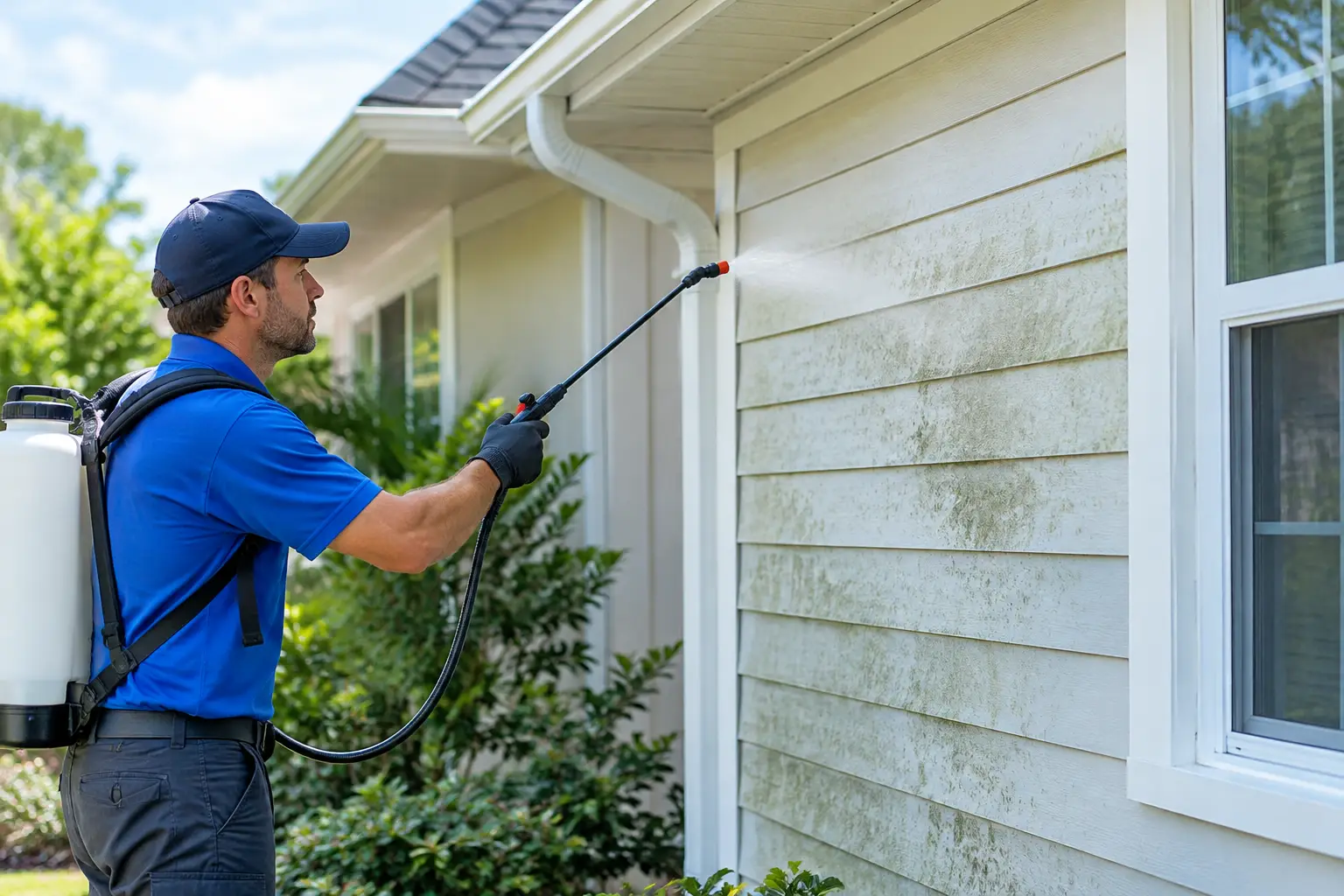
Florida humidity does not need much encouragement. A shaded wall after an afternoon storm, a damp pool cage, or a driveway that stays wet overnight can quickly develop the dark, green, or black staining homeowners associate with mildew. Effective mildew prevention is less about a one-time scrub and more about keeping exterior surfaces clean, dry when possible, and properly maintained before growth gets established.
For homeowners in Homosassa, Citrus County, and nearby Central Florida communities, this is a year-round part of caring for a home. Our warm temperatures, frequent rain, heavy dew, and tree cover create ideal conditions for algae, mildew, and organic buildup. The good news is that a thoughtful maintenance routine can protect curb appeal while helping roofs, paint, concrete, and outdoor living areas stay in better condition.
Why Mildew Keeps Returning in Florida
What looks like mildew on an exterior surface is often a mix of mildew, algae, mold, dirt, pollen, and moisture-fed organic growth. The exact cause can vary, but the pattern is usually easy to spot: growth returns fastest where sun is limited, airflow is restricted, and water lingers.
North-facing walls, shaded roof sections, soffits beneath overhangs, pool cages, lanais, and concrete near landscaping are common trouble spots. Sprinklers that repeatedly wet siding or walkways can add to the issue, especially if they spray a surface late in the day. Leaves, pine needles, and roof debris also hold moisture against materials and give growth a place to collect.
A clean-looking home can still have early buildup in seams, corners, under gutters, and around screened enclosures. Addressing those areas before staining becomes heavy is usually easier on both the surface and the homeowner’s maintenance budget.
Mildew Prevention Starts With Moisture Control
You cannot remove Florida humidity, but you can reduce the extra moisture your home holds onto. Start by looking at where water is coming from and where it goes after a storm. Gutters should direct water away from the home, and downspouts should not leave runoff pooling beside walls, patios, or walkways.
Keep gutters clear of leaves and roof debris so water can flow freely rather than overflow onto soffits, fascia, and siding. If a gutter is pulling away from the roofline or spilling at one spot, have it corrected before repeated runoff creates staining or damages nearby materials.
Landscaping deserves attention too. Shrubs and palms planted tightly against the house can trap damp air and keep exterior walls shaded all day. Trimming vegetation back creates better airflow and gives surfaces a chance to dry. It also makes it easier to spot a developing mildew problem before it spreads.
Check sprinkler heads several times a year. A sprinkler aimed at the driveway is one thing. A sprinkler soaking the side of the house, roof edge, fence, or pool enclosure every morning is an invitation for recurring growth. Adjusting the spray pattern can make a noticeable difference without changing your landscaping routine.
Clean the Right Way for Each Surface
A common mistake is treating every stain with more pressure. High pressure may remove visible grime in the moment, but it can also scar concrete, force water behind siding, strip paint, damage screen enclosures, and disturb roof materials. It may leave a surface looking cleaner while creating conditions for faster staining or costly repairs later.
The right approach depends on the material. Roofs require special care. Professional soft washing uses low pressure and appropriate cleaning agents to treat organic growth without the damaging force of traditional high-pressure washing. This is especially important for shingle roofs, where improper cleaning can shorten the roof’s usable life or affect its appearance.
House washing also calls for a controlled, low-pressure method. A careful application removes buildup from siding, soffits, trim, and exterior walls while protecting paint, fixtures, windows, and surrounding landscaping. Thorough rinsing matters just as much as the cleaning step, particularly around plants and delicate exterior details.
Concrete is durable, but it is not maintenance-free. Driveways, sidewalks, patios, and pool decks collect dirt, tannin stains, tire marks, and moisture-fed growth. Professional surface cleaning can restore a brighter appearance and improve traction where slick buildup has formed. For some concrete surfaces, sealing after proper cleaning can help reduce how deeply future staining settles into the material. Sealing is not a substitute for cleaning, but it can make routine upkeep more manageable.
Give High-Risk Areas a Simple Routine
The best mildew prevention plan is realistic enough to follow. Homeowners do not need to pressure wash every few weeks. Instead, make exterior checks part of seasonal property care, especially after long rainy periods, tropical weather, or months when leaves and pollen collect heavily.
Walk around the home and look for early discoloration on roof edges, siding, soffits, gutters, screened areas, awnings, and concrete. Pay close attention to the shaded side of the house and surfaces near trees. A light film is far easier to address than thick, embedded staining.
For routine care, keep debris off roofs only when it can be done safely from the ground or by a qualified professional. Do not walk on a roof simply to remove a few leaves. Roof surfaces can be slippery, and the wrong foot traffic can damage shingles or tiles. The same caution applies to ladders, wet pool decks, and second-story exterior cleaning.
Pool cages and lanais benefit from regular attention because screens, frames, and enclosure corners trap pollen and moisture. Cleaning these spaces helps preserve the open, inviting feel that makes Florida outdoor living so enjoyable. It can also prevent grime from washing down onto patio furniture, pavers, and pool deck surfaces after a storm.
Know When Professional Cleaning Makes Sense
DIY maintenance has its place, but a garden hose and store-bought cleaner are not always the safest or most effective answer. If staining keeps returning quickly, covers a large area, reaches high rooflines, or involves delicate materials, professional service is often the better choice.
A careful exterior-cleaning professional evaluates the surface first, then chooses the method that fits it. That means low-pressure roof cleaning where needed, controlled house washing for painted surfaces and siding, and appropriate equipment for concrete, pool cages, gutters, and lanais. Preparation should include protecting nearby plants and exterior features, not treating them as an afterthought.
White Diamond Pressure Washing takes that surface-appropriate approach seriously. Homeowners deserve dramatic before-and-after results without unnecessary risk to roofs, paint, landscaping, screens, or concrete. A written estimate and clear explanation of the work can also help you decide whether you need a focused cleaning for one problem area or a more complete exterior refresh.
Watch for Problems Cleaning Alone Will Not Fix
Cleaning removes growth, but it cannot solve a moisture source hidden behind a wall or beneath a roofline. If mildew-like staining appears indoors, paint repeatedly bubbles, drywall feels soft, or exterior growth keeps returning in one exact location shortly after cleaning, investigate for a leak, drainage issue, or ventilation problem.
Likewise, dark roof streaks may be organic growth, but damaged shingles, loose flashing, or failing gutters need repair rather than another cleaning alone. The goal is to clean what belongs on the surface and correct the condition that is feeding the problem.
A well-kept exterior does more than look shining like a diamond for guests or prospective buyers. It gives you a clearer view of your home’s condition, helps walking areas stay safer, and lets every porch, lanai, driveway, and poolside afternoon feel more inviting. A little attention before the next humid stretch can save a lot of scrubbing later.