

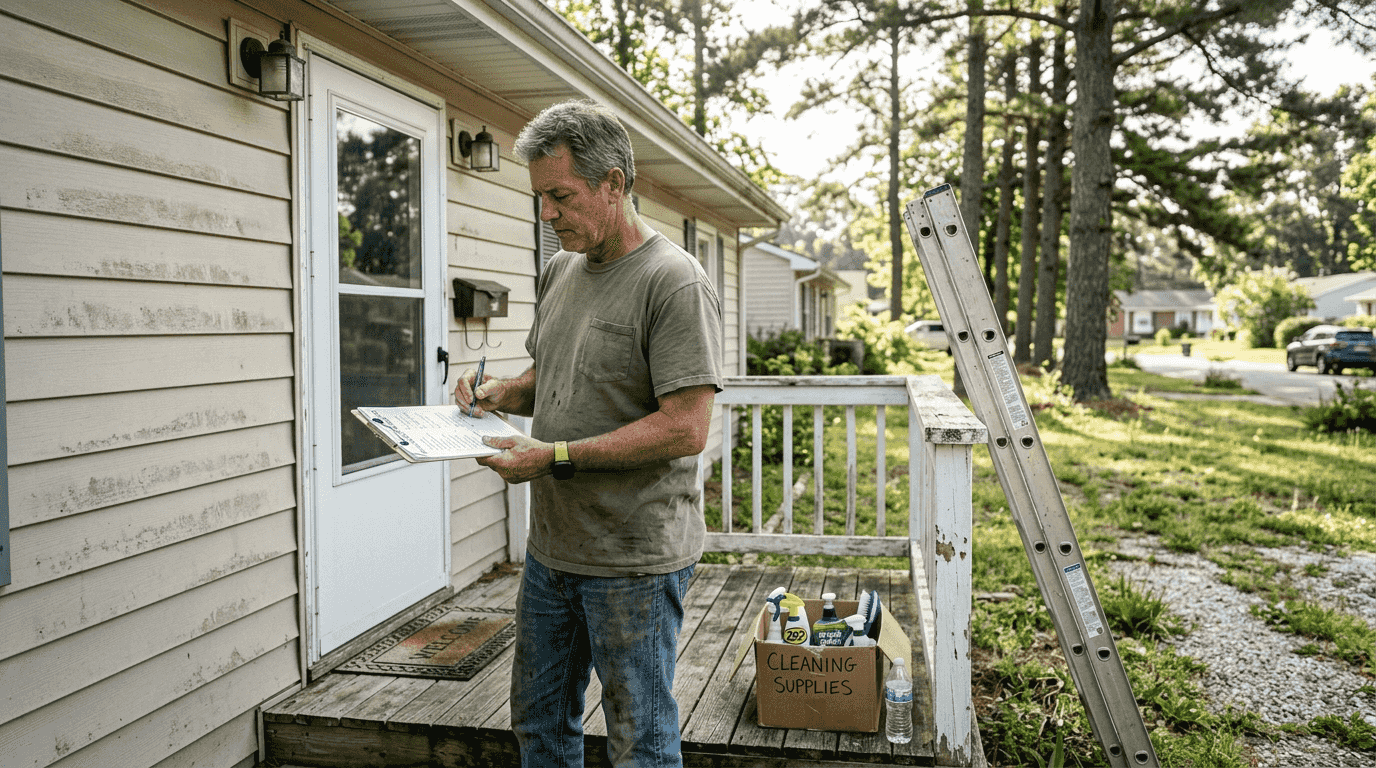
Maintaining your home’s exterior in Citrus County requires consistent attention to combat the region’s humid, rainy climate and intense sun exposure. Neglected surfaces quickly accumulate mold, algae, and weather damage that diminish curb appeal and threaten structural integrity. This guide presents 10 actionable maintenance tips designed specifically for Citrus County homeowners who want to preserve property value, prevent costly repairs, and keep their homes looking pristine year round. You’ll discover practical strategies for cleaning, inspection, and preventative care that fit your schedule and budget.
Table of Contents
- How To Evaluate And Prioritize Your Home Exterior Maintenance Needs
- 10 Essential Home Exterior Maintenance Tips For Citrus County Homeowners
- Comparing Exterior Cleaning Methods: Pressure Washing, Power Washing, And Soft Washing
- Professional Exterior Cleaning Services In Citrus County
- Frequently Asked Questions
Key takeaways
| Point | Details |
|---|---|
| Regular cleaning prevents damage | Consistent exterior cleaning stops mold, algae, and grime from causing permanent surface deterioration. |
| Early inspection saves money | Spotting minor issues like cracks or loose shingles before they escalate avoids expensive emergency repairs. |
| Proper washing methods matter | Using appropriate pressure levels and techniques protects delicate surfaces while achieving thorough cleaning results. |
| Paint and sealants extend lifespan | Maintaining protective coatings shields exterior materials from moisture intrusion and UV damage. |
| Landscaping supports home protection | Strategic plant placement and drainage management prevent foundation damage and wall deterioration. |
How to evaluate and prioritize your home exterior maintenance needs
Your home’s exterior includes multiple surfaces that demand different care approaches. Siding, roofing, driveways, gutters, windows, walkways, and decks each face unique wear patterns based on material composition and exposure levels. Start by walking your property’s perimeter with a notepad, documenting every exterior element and its current condition. Note visible stains, cracks, peeling paint, or biological growth.
Citrus County’s subtropical climate creates specific challenges for exterior maintenance. High humidity levels promote rapid mold and algae growth on shaded surfaces. Frequent afternoon thunderstorms deposit organic debris that clogs gutters and stains concrete. Salt air from nearby coastal areas accelerates metal corrosion and paint degradation. Understanding these local factors helps you anticipate problems before they manifest.
Prioritize maintenance tasks using three criteria: visibility, vulnerability, and damage risk. High visibility areas like your front entrance and driveway impact curb appeal most dramatically and deserve immediate attention. Vulnerable surfaces such as wood siding or aging roofs require frequent inspection because they deteriorate faster. High damage risk elements like gutters and foundation drainage systems need regular servicing to prevent water intrusion that causes expensive structural repairs.
Create a seasonal maintenance schedule that distributes tasks throughout the year. Spring offers ideal conditions for routine pressure washing that maintains value and appearance effectively. Summer suits painting projects when humidity drops slightly. Fall demands gutter cleaning before rainy season intensifies. Winter provides opportunities to inspect and repair while temperatures remain moderate. Identify which exterior surfaces to clean based on their exposure and material type.
Pro Tip: Maintain a digital or physical checklist that tracks completed maintenance tasks with dates and observations. This documentation helps you spot recurring problems, plan future work efficiently, and provides valuable records if you sell your property.
10 essential home exterior maintenance tips for Citrus County homeowners
These ten strategies form a comprehensive approach to exterior care that addresses common Citrus County challenges while protecting your investment.
-
Clean exterior surfaces regularly to prevent mold and algae buildup. Florida’s humidity creates perfect conditions for biological growth that stains and degrades surfaces. Schedule cleaning every 6 to 12 months depending on shade exposure and surface type. Dark stains on siding, roofs, and concrete indicate active growth that requires immediate attention.
-
Inspect and maintain gutters to avoid water damage. Clogged gutters overflow during storms, directing water against your foundation and causing soil erosion. Clean gutters quarterly, especially after storms that deposit leaves and debris. Check downspouts drain at least 6 feet from your foundation. Proper gutter maintenance prevents water damage and foundation problems as confirmed by benefits of exterior cleaning research.
-
Use soft washing for roofs and delicate siding. Traditional pressure washing damages shingles, vinyl siding, and painted surfaces through excessive force. Soft washing is a safe and effective cleaning method for delicate surfaces, using low pressure combined with specialized cleaning solutions that kill biological growth at its roots. This approach extends material lifespan while achieving superior cleaning results.
-
Schedule professional pressure washing for driveways and patios. Concrete and paver surfaces withstand higher pressure that removes embedded dirt, oil stains, and tire marks effectively. Annual or biannual cleaning maintains appearance and prevents slippery algae growth that creates safety hazards. Understanding regular driveway cleaning importance helps you appreciate how this simple task protects your property.
-
Apply paint touch ups to prevent wood and siding deterioration. Small areas of peeling or chipped paint expose underlying materials to moisture that causes rot and warping. Inspect painted surfaces twice yearly, addressing problem spots immediately with matching paint. Focus on areas receiving direct sun or rain exposure where paint fails fastest.
-
Seal cracks early to prevent pest and moisture intrusion. Small cracks in stucco, concrete, or foundation walls expand rapidly under Florida’s temperature fluctuations and heavy rains. Walk your property monthly looking for new cracks, sealing them promptly with appropriate caulk or patching compound. This simple prevention stops termites, ants, and water from entering your home’s envelope.
-
Maintain landscaping to protect foundation and walls. Overgrown shrubs trap moisture against siding and create shade that encourages mold growth. Tree branches touching your roof deposit debris and provide pest access routes. Trim vegetation to maintain 18 inches clearance from all structures. Ensure soil grades away from your foundation with a 6 inch drop over 10 feet to direct water away from your home.
-
Clean windows to improve appearance and detect damage. Dirty windows diminish curb appeal and block natural light. Regular cleaning reveals cracked panes, failing seals, and damaged frames before they require expensive replacement. Clean exterior windows quarterly, inspecting frames and caulking during each session.
-
Replace damaged caulking around doors and windows. Failed caulk allows water and air infiltration that damages walls and increases energy costs. Check all exterior caulk lines annually, removing and replacing any cracked, missing, or separated sections. Use quality exterior grade caulk rated for Florida’s climate extremes.
-
Regularly check roof shingles and flashing for wear. Missing or damaged shingles leak during storms, causing interior water damage and mold growth. Inspect your roof twice yearly from ground level using binoculars, looking for curled, cracked, or missing shingles. Check flashing around chimneys, vents, and valleys for rust or separation. Address problems immediately to prevent minor issues from becoming major leaks.
Pro Tip: Photograph your home’s exterior from multiple angles each season. These images document condition changes over time, helping you spot gradual deterioration that’s easy to miss during daily observation. They also provide valuable before and after records when you complete maintenance projects.
“Consistent exterior maintenance isn’t just about appearance. It’s your first line of defense against Florida’s aggressive climate and the foundation of long term property value preservation.”
Understanding which tasks you can handle yourself versus when to hire professionals maximizes safety and results. Review common exterior surfaces to clean to identify appropriate cleaning methods for each material type on your property.
Comparing exterior cleaning methods: pressure washing, power washing, and soft washing
Choosing the appropriate cleaning method protects your surfaces while achieving thorough results. Three primary techniques serve different purposes based on surface type and contamination level.
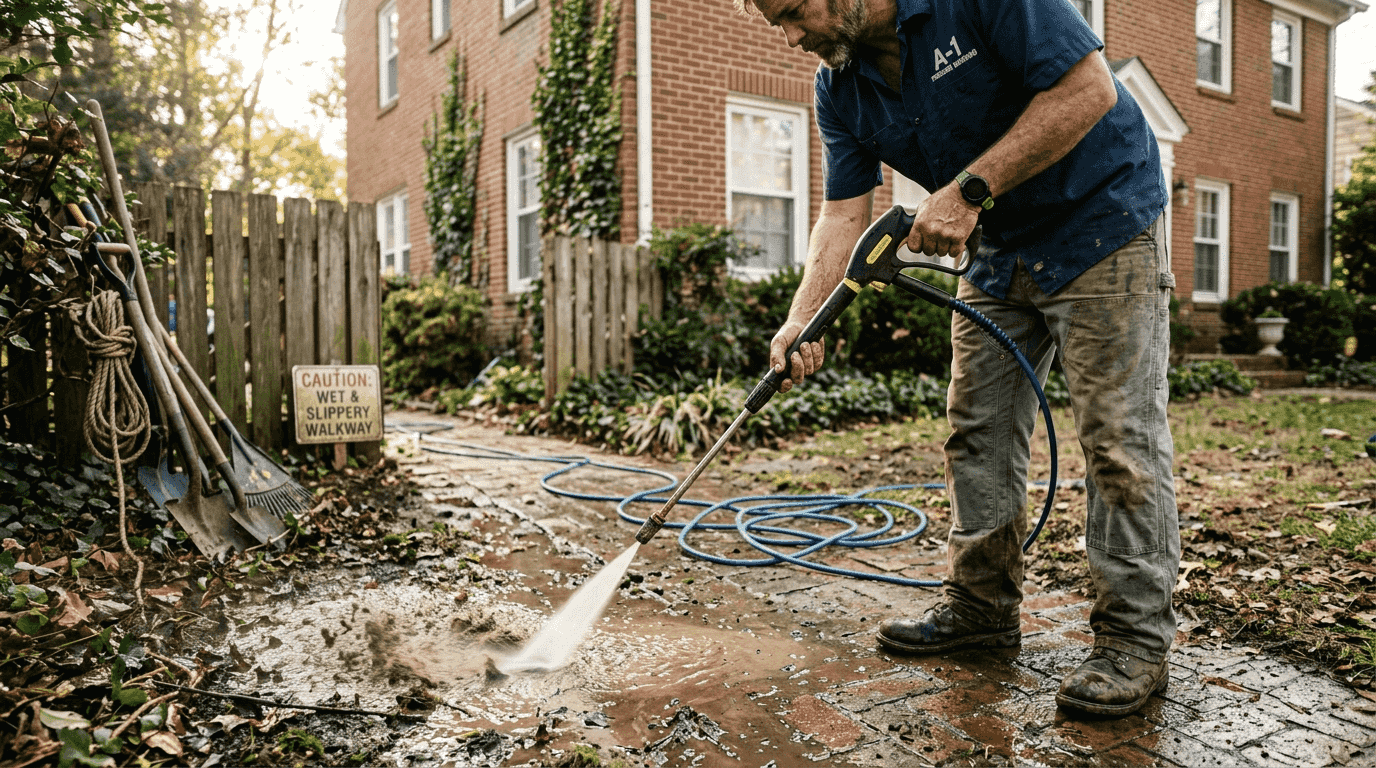
Soft washing uses low pressure (under 500 PSI) combined with specialized cleaning solutions that chemically break down dirt, mold, and algae. This method excels on delicate surfaces like roofs, painted siding, stucco, and wood that damage easily under high pressure. The cleaning solutions do the heavy lifting, allowing gentle rinsing that removes contaminants without surface harm.
Pressure washing applies water at 1,300 to 3,000 PSI to blast away stubborn dirt, grime, and stains from durable surfaces. This technique works best on concrete driveways, brick pavers, stone walls, and metal fixtures that withstand higher force levels. The mechanical action removes embedded contamination that chemicals alone cannot address.
Power washing adds heated water to pressure washing equipment, creating steam that enhances cleaning power for extremely stubborn stains like oil, grease, and gum. The heat sanitizes surfaces and cuts through petroleum based contaminants more effectively than cold water alone. This method suits commercial applications and heavily soiled industrial surfaces more than typical residential needs.
| Method | Best For | Pressure Level | Surface Safety | Effectiveness |
|---|---|---|---|---|
| Soft Washing | Roofs, siding, stucco, painted surfaces | Under 500 PSI | Highest (no damage risk) | Excellent for biological growth |
| Pressure Washing | Driveways, concrete, brick, stone | 1,300 to 3,000 PSI | Moderate (requires skill) | Superior for embedded dirt |
| Power Washing | Heavy stains, oil, grease, commercial use | 2,000 to 4,000 PSI with heat | Lowest (high damage risk) | Best for petroleum contaminants |
Each method offers distinct advantages and limitations:
- Soft washing provides the safest approach for most residential surfaces, preventing damage while delivering long lasting results through biological growth elimination.
- Pressure washing achieves dramatic visual transformation on hard surfaces but requires proper technique to avoid etching concrete or damaging mortar joints.
- Power washing tackles the toughest contamination but risks surface damage and typically exceeds residential cleaning needs.
Choosing the right method depends on surface type and risk of damage, making professional assessment valuable for homeowners uncertain about appropriate techniques. Understanding the soft washing process explained helps you recognize when this gentler approach protects your investment better than aggressive pressure application.
Pro Tip: Never use pressure washing on asphalt shingle roofs, vinyl siding, or wood surfaces. The force strips protective granules from shingles, cracks vinyl, and splinters wood. Always default to soft washing for these materials to avoid expensive damage that outweighs any cleaning benefits.
Professional exterior cleaning services in Citrus County
While many maintenance tasks suit DIY approaches, professional exterior cleaning delivers superior results for complex or high risk projects. Experienced technicians understand which methods suit specific surfaces, preventing damage that inexperienced homeowners often cause through improper technique or equipment selection. Professional services provide commercial grade equipment, specialized cleaning solutions, and safety protocols that protect both your property and the workers.

White Diamond Pressure Washing specializes in professional exterior cleaning services throughout Citrus County, offering soft washing and low pressure techniques that preserve surface integrity while achieving exceptional cleanliness. Their team recognizes the advantages of low pressure washing for protecting your home’s materials during the cleaning process. By implementing preventative exterior cleaning strategies, you maintain property value and avoid costly repairs that result from neglected maintenance. Local professionals understand Citrus County’s specific climate challenges and tailor their approaches to address regional concerns like rapid mold growth and storm debris accumulation.
Frequently asked questions
What is the best season for exterior home maintenance in Citrus County?
Spring and early fall offer ideal conditions for most exterior maintenance in Citrus County. These periods provide moderate temperatures and lower humidity before summer heat peaks or winter cold fronts arrive. Schedule major cleaning projects during dry spells between March and May or October and November to avoid afternoon thunderstorms that interfere with work. Avoid hurricane season from June through November for roof work and other projects requiring extended dry conditions.
How often should I schedule professional pressure washing?
Routine pressure washing is recommended annually or biannually depending on surface exposure and local conditions. Homes with significant shade, nearby trees, or north facing surfaces benefit from biannual cleaning to control mold and algae growth. Properties in full sun with minimal vegetation may maintain appearance with annual service. Driveways and walkways with heavy use often require more frequent attention than siding or roofs.
Can I pressure wash my roof safely myself?
DIY roof pressure washing creates serious risks including personal injury from falls, shingle damage from excessive pressure, and water intrusion from improper technique. Walking on wet roofs dramatically increases slip hazards, while incorrect pressure settings strip protective granules that shorten roof lifespan. Professional soft washing is safer and more effective for roof cleaning than DIY pressure washing, using ground based equipment and specialized solutions that eliminate biological growth without physical contact or high pressure that damages materials.
How do I know if my gutters need immediate cleaning?
Visible overflow during rain, sagging gutter sections, plants growing from gutters, or water stains on siding below gutter lines indicate immediate cleaning needs. Check gutters after major storms for debris accumulation. Standing water in gutters between rains suggests clogs that prevent proper drainage. Address these signs promptly to prevent foundation damage and interior water intrusion.
What’s the difference between mold and mildew on exterior surfaces?
Mold appears as black, green, or brown patches with fuzzy or slimy texture, penetrating porous surfaces and requiring chemical treatment for complete removal. Mildew presents as gray or white powdery spots on surface layers, wiping away more easily than mold. Both thrive in Citrus County’s humid environment but mold poses greater health risks and causes more significant material damage. Professional cleaning addresses both effectively using appropriate solutions for complete eradication.
Should I seal my driveway after pressure washing?
Concrete driveways benefit significantly from sealing after professional cleaning removes embedded dirt and stains. Sealers protect against oil penetration, reduce future staining, and enhance appearance with a subtle sheen. Apply sealer within a few days after cleaning once the surface dries completely. Reapply every 2 to 3 years depending on traffic levels and weather exposure. Paver driveways also benefit from sealing that stabilizes joint sand and prevents weed growth between stones.
Recommended
- Benefits of Exterior Cleaning for Homeowners – white-diamond-pressure
- Why Clean Home Exteriors Matter for Value – white-diamond-pressure
- Commercial Property Exterior Maintenance: Impact on Value – white-diamond-pressure
- Preventative Exterior Cleaning: Protect Your Home – white-diamond-pressure
- How to Increase Home Value with Exterior Upgrades | Sabatalo Contracting
2 thoughts on “10 home exterior maintenance tips to protect value in 2026”