

TL;DR:
- Masonry cleaning involves carefully removing dirt, stains, and biological growth to protect the surface’s structural integrity and appearance. Using the correct method, such as low-pressure water or chemical cleaning, prevents damage like porosity loss and moisture intrusion. Professionals emphasize restraint, proper testing, and scheduled maintenance to preserve masonry and avoid costly repairs.
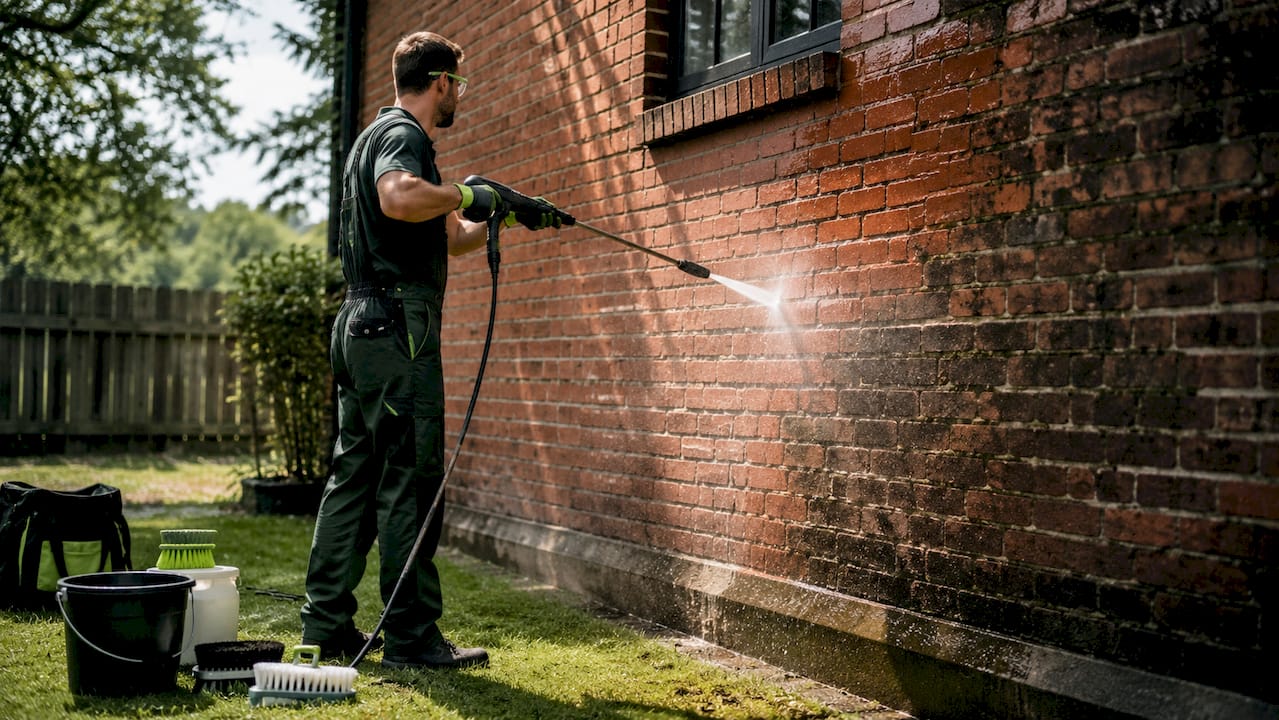
Masonry cleaning is defined as the controlled removal of dirt, biological growth, stains, and atmospheric deposits from brick, stone, and mortar surfaces to preserve both their structural integrity and appearance. The industry term for this work is “restorative masonry cleaning,” which signals that the goal is preservation, not just cosmetic brightening. Homeowners and property managers who understand what is masonry cleaning gain a real advantage: they protect their investment, avoid costly repairs, and keep surfaces looking their best. The SWR Institute and the U.S. General Services Administration both set the professional standards that guide this work today.
What is masonry cleaning and why does it matter?
Masonry cleaning is the systematic process of identifying contaminants on brick or stone surfaces and removing them using the safest method for that specific material. The process protects the masonry’s outer surface layer, which acts as a natural shield against moisture and weathering. Strip that layer away with the wrong technique, and you accelerate decay rather than prevent it.
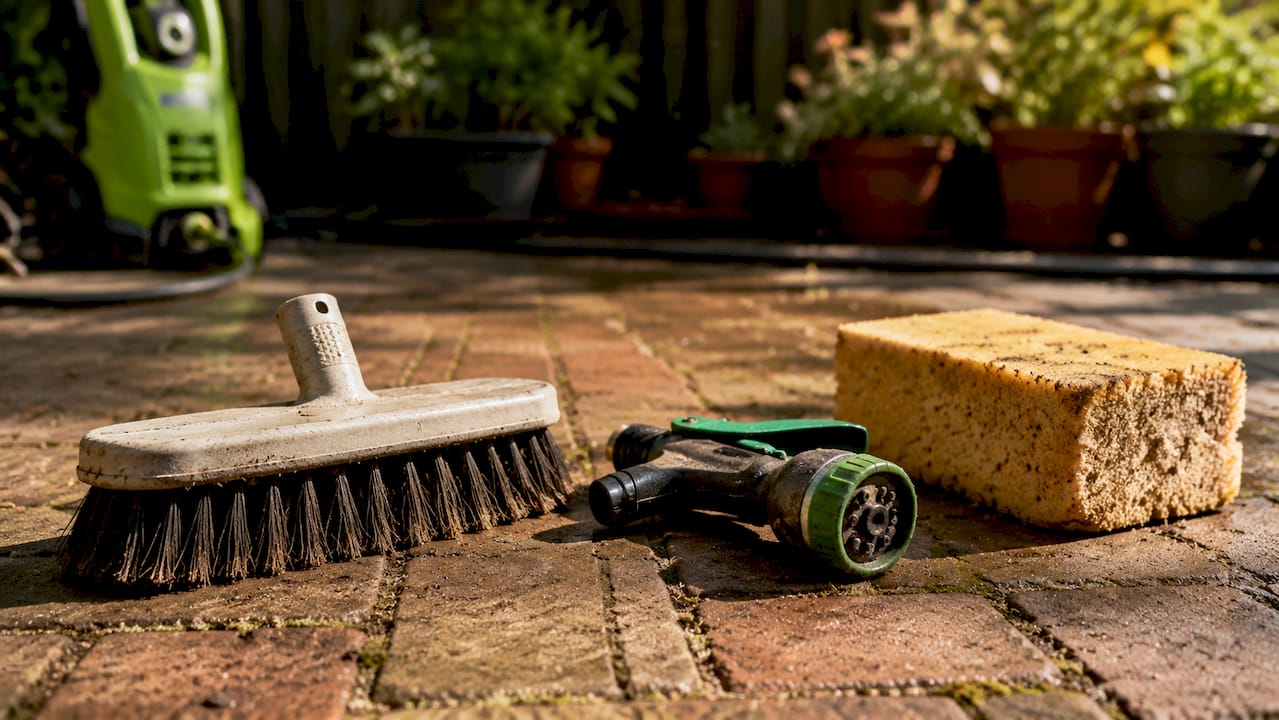
Restorative cleaning focuses on preserving material integrity rather than achieving cosmetic perfection. That distinction matters because aggressive scrubbing or high-pressure blasting can open up pores in brick and stone, letting water in and setting the stage for freeze-thaw damage. The right approach removes what harms the surface without disturbing what protects it.
Brick and stone are porous by nature. That porosity is actually a feature, not a flaw, because it allows the wall to breathe and release trapped moisture. Cleaning methods that clog those pores cause moisture to build up inside the masonry, which leads to spalling, where the face of the brick literally shatters. Choosing the right method starts with respecting that breathability.
What are the main masonry cleaning methods?
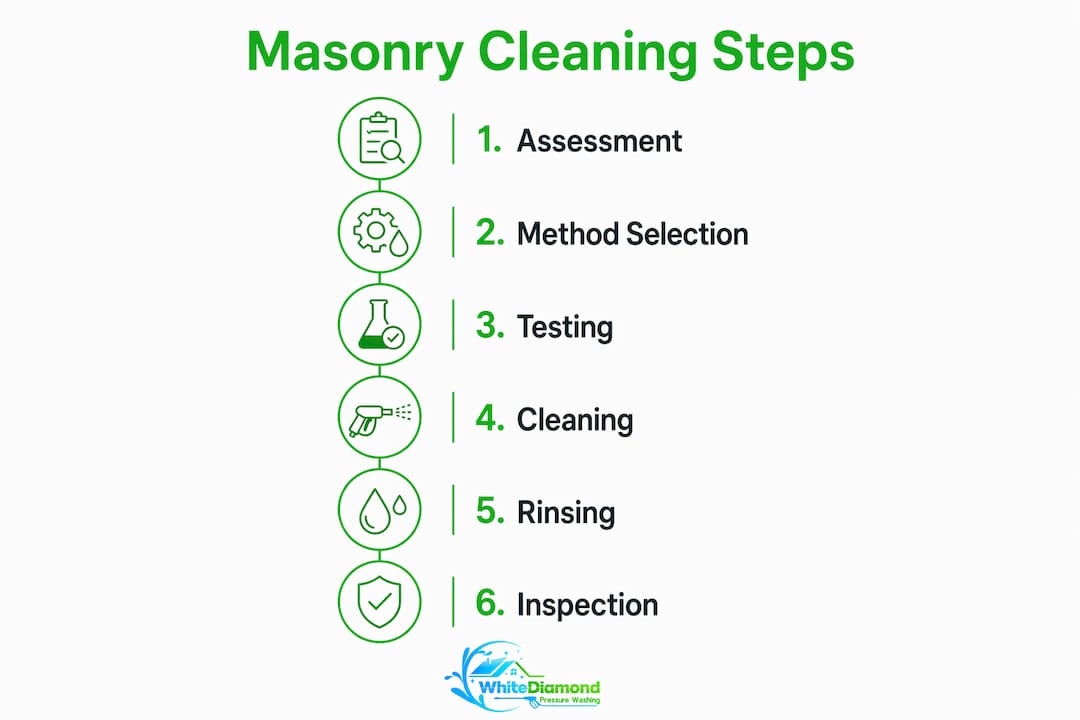
Diagnostic assessment is the first step in any cleaning project. There is no single method that works for every surface or every stain. The three primary categories are water-based cleaning, chemical cleaning, and low-pressure abrasive cleaning.
| Method | Best for | Advantages | Limitations |
|---|---|---|---|
| Water-based (low-pressure wash or soak) | Atmospheric soiling, carbon buildup, light dirt | Gentle, no chemical residue, low risk | Less effective on biological growth or deep stains |
| Chemical cleaning (alkaline, acidic, or enzymatic) | Biological growth, efflorescence, mortar smears, paint | Targets specific stains precisely | Requires neutralization; wrong pH damages masonry |
| Low-pressure abrasive cleaning | Graffiti, heavy paint buildup, stubborn deposits | Removes tough buildup without high water pressure | Can abrade soft stone if misapplied |
Water-based cleaning uses low-pressure washing or prolonged soaking to loosen surface deposits. It works well on carbon buildup and general atmospheric soiling. Chemical cleaning uses alkaline cleaners for organic stains like algae and mold, acidic cleaners for mineral deposits like efflorescence, and enzymatic cleaners for biological matter. Each type requires careful neutralization after application. Low-pressure abrasive methods use fine media at controlled pressure to dislodge graffiti or heavy paint without saturating the substrate.
Pro Tip: Always match your cleaning method to both the masonry type and the specific contaminant. Using an acidic cleaner on limestone, for example, will etch the surface permanently.
The three-method framework from industry practice gives you a clear starting point. Water cleaning is the gentlest and should always be the first option considered. Chemical and abrasive methods step in only when water alone cannot do the job.
How do you safely clean masonry without causing damage?
Safe masonry cleaning follows a set of non-negotiable practices that protect both the surface and the people doing the work. Skipping any of these steps is where most DIY projects go wrong.
Start with a test patch. GSA guidelines require test patches no larger than 6×6 inches on an inconspicuous area before any full-scale cleaning begins. This step confirms whether the chosen method causes discoloration, etching, or surface erosion. Skipping it on a full wall is a gamble that rarely pays off.
Control your pressure. The GSA mandates a maximum of 300 psi for most masonry surfaces, with a starting point at or below 100 psi. Standard garden-hose pressure sits around 40–60 psi, which gives you a useful reference. Anything above 300 psi risks eroding mortar joints and opening the surface to water infiltration.
Rinse thoroughly. Water volume matters more than pressure when it comes to rinsing. Insufficient rinsing leaves chemical residue on the surface, which causes long-term staining and can continue reacting with the masonry long after you have finished. Use plenty of clean water and rinse in stages.
Neutralize chemical cleaners. After any chemical application, pH strips confirm neutrality before the job is considered complete. A surface that reads acidic or alkaline after cleaning will continue to degrade. This step is standard practice in professional masonry cleaning services and should not be skipped in any DIY attempt.
Key safety practices to follow on every project:
- Test on a small, hidden patch before cleaning the full surface.
- Start at the lowest effective pressure, at or below 100 psi.
- Use pH strips to verify chemical neutralization after every chemical application.
- Rinse with high water volume, not high water pressure.
- Avoid high-pressure washing on older or historic masonry.
- Never use bleach-based cleaners on natural stone without testing first.
Pro Tip: Improper cleaners clog masonry pores and trap moisture inside the wall. That trapped moisture expands during freeze cycles and causes the brick face to spall. Preserving breathability is not optional.
How often should you clean masonry and what are the benefits?
Masonry should be cleaned every 3–5 years based on environmental exposure. That range is not arbitrary. It reflects how quickly biological growth, pollution deposits, and moisture-related staining accumulate under different conditions. A shaded north-facing wall in a humid climate needs attention closer to the three-year mark. A sun-exposed wall in a dry region can go the full five years.
Regular cleaning delivers real, measurable benefits for homeowners. It removes biological growth before it penetrates mortar joints. It prevents efflorescence from building up into a thick crust that traps moisture. It also keeps the surface looking well-maintained, which directly supports curb appeal and property value.
| Factor | Cleaning interval impact |
|---|---|
| High moisture or shade exposure | Clean closer to every 3 years |
| Heavy urban pollution or traffic | Clean every 3–4 years |
| Biological growth (algae, moss) | Clean as soon as growth appears |
| Dry, low-pollution environment | Clean every 4–5 years |
| Recent construction or renovation | Clean within 6 months of completion |
Neglecting masonry cleaning does not just affect appearance. Biological growth like algae and moss holds moisture against the surface continuously. That sustained moisture contact accelerates mortar deterioration and can eventually compromise the structural bond between bricks. Cleaning on a regular schedule is genuinely preventative maintenance, not just cosmetic upkeep.
What contaminants affect masonry and how do you address them?
Masonry surfaces face a specific set of recurring contaminants, and each one requires a different response. Identifying what you are dealing with before you start cleaning saves time and prevents damage.
- Atmospheric dirt and carbon deposits: These are the most common and the most forgiving. Low-pressure water washing removes most surface-level soiling without any chemical help.
- Efflorescence: This white, powdery deposit forms when water carries soluble salts to the surface and they crystallize as the water evaporates. Acidic cleaners dissolve efflorescence effectively, but the underlying moisture source must be addressed or it will return.
- Biological growth (algae, mold, moss, lichen): Alkaline or enzymatic cleaners kill and loosen biological matter. Lichen is the hardest to remove because it physically bonds to the stone surface. Professional treatment is often needed for heavy lichen infestations.
- Mortar smears: These are common after new construction or repointing work. Diluted acidic cleaners remove fresh mortar smears, but hardened smears may require mechanical removal by a professional.
- Paint and graffiti: Low-pressure abrasive cleaning or specialized paint-stripping chemicals handle most paint removal. Historic masonry requires extra caution here because aggressive removal can take the surface layer with it.
- Carbon crust: This dense, black deposit forms on masonry exposed to heavy air pollution. Water-based cleaning handles light carbon buildup, but thick crusts may need chemical or gentle abrasive treatment.
When masonry is historic, decorative, or shows signs of previous damage, professional masonry cleaning services are the right call. DIY cleaning on delicate or aged surfaces carries a real risk of permanent damage. A professional brings the diagnostic tools and material knowledge to match the method to the surface correctly.
Key takeaways
Masonry cleaning is preservation work that requires matching the right method to the right surface, controlling pressure and chemistry, and cleaning on a regular schedule to prevent structural damage.
| Point | Details |
|---|---|
| Cleaning is preservation | The goal is removing harmful deposits without disturbing the masonry’s protective outer layer. |
| Three core methods | Water-based, chemical, and low-pressure abrasive cleaning each serve specific contaminants and surfaces. |
| Pressure limits matter | GSA standards cap water pressure at 300 psi, with a recommended starting point at or below 100 psi. |
| Clean every 3–5 years | Environmental factors like moisture, shade, and pollution determine where in that range your property falls. |
| Rinse volume beats pressure | Thorough rinsing with high water volume prevents chemical residue and long-term surface staining. |
Why restraint is the real skill in masonry cleaning
I have seen more masonry damaged by overcleaning than by neglect. That is the uncomfortable truth most cleaning guides skip over. A homeowner rents a pressure washer, cranks it up to 2,000 psi, and strips a decade of weathering off the brick face in an afternoon. The wall looks bright for a season. Then the spalling starts.
The SWR Institute’s position on restorative masonry cleaning is clear: cleaning professionals should prioritize restraint over brightness. That principle is not just for historic buildings. It applies to any brick or stone surface because the outer crust that forms on masonry over time is actually protective. Remove it aggressively and you expose fresh, unweathered material that absorbs moisture far more readily.
The best masonry cleaning work is almost invisible. You remove what is harmful and leave everything else alone. That requires knowing what you are looking at, testing before you commit, and accepting that “clean enough” is often better than “as clean as possible.” Chasing perfection on a masonry surface is how you create a repair bill.
My honest advice to any homeowner: if you are not sure what type of masonry you have or what the stain actually is, call a professional before you touch it. The diagnostic step is where most of the real skill lives. Execution is straightforward once you know what you are dealing with.
— Bobby
Whitediamondpressurewashing handles the hard part for you
Professional masonry cleaning is not just about having the right equipment. It is about knowing which method is safe for your specific surface before a single drop of water or chemical touches it.

Whitediamondpressurewashing serves homeowners and property managers across Citrus County with low-pressure and soft washing techniques designed to clean brick and stone without damaging the substrate. Every job starts with a surface assessment, not a pressure washer. The team uses industry-approved methods, pH-verified chemical neutralization, and controlled water volume to protect your masonry’s breathability and long-term performance. If you want cleaning done right the first time, visit Whitediamondpressurewashing for a free estimate, or review the full range of exterior cleaning services available for your property.
FAQ
What is masonry cleaning in simple terms?
Masonry cleaning is the controlled removal of dirt, stains, biological growth, and deposits from brick and stone surfaces. The goal is to preserve the material’s integrity and appearance without damaging its protective outer layer.
What is the safest method for cleaning brick?
Low-pressure water washing at or below 100 psi is the safest starting point for most brick surfaces. Chemical or abrasive methods are added only when water alone cannot remove the specific contaminant.
How often should masonry be cleaned?
Masonry should be cleaned every 3–5 years, depending on moisture exposure, shade, and local pollution levels. Surfaces with active biological growth should be treated as soon as growth appears.
Can I clean masonry myself or do I need a professional?
Light atmospheric soiling on modern brick can be handled with careful DIY low-pressure washing. Historic masonry, decorative stone, or surfaces with unknown staining should always be assessed and cleaned by a professional to avoid permanent damage.
Why does pressure matter so much in masonry cleaning?
Pressure above 300 psi can erode mortar joints, open the brick surface to water infiltration, and strip the protective outer crust. The GSA sets 300 psi as the maximum for most masonry surfaces, with 100 psi as the recommended starting point.