

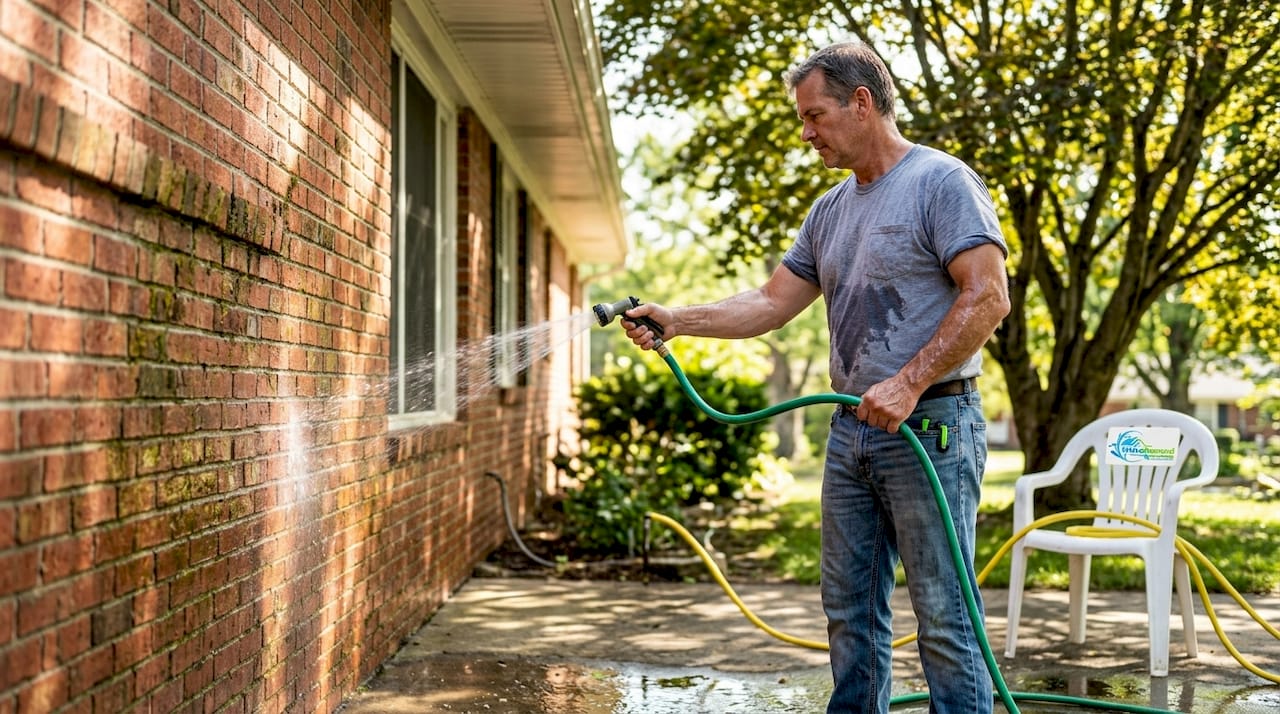
Many homeowners reach for harsh acids or high-pressure washers when tackling dirty brick, unaware these methods can permanently damage mortar joints and erode the brick surface itself. Brick cleaning isn’t about blasting away grime at maximum force. It’s a careful process that removes dirt, algae, and stains while preserving the structural integrity of your masonry. This guide walks you through safe, effective techniques tailored for Citrus County’s humid climate, explains when to call professionals, and helps you avoid costly mistakes that could compromise your property’s curb appeal and value.
Table of Contents
- What Is Brick Cleaning And Why Is It Important?
- Safe And Effective Brick Cleaning Methods
- Special Considerations For Historic And Delicate Bricks
- DIY Vs Professional Brick Cleaning: Costs, Risks, And Benefits
- How White Diamond Pressure Washing Can Help With Your Brick Cleaning Needs
- FAQ
Key takeaways
| Point | Details |
|---|---|
| Brick cleaning preserves integrity | Removes dirt and stains using methods that protect both brick and mortar from damage. |
| Test small areas first | Always apply cleaning solutions to inconspicuous spots before treating entire surfaces. |
| Historic bricks need special care | Older, softer bricks require gentler steam-only approaches to prevent irreversible deterioration. |
| Avoid harsh chemicals | Acids and bleach can erode mortar joints and weaken porous brick over time. |
| Professionals deliver safer results | Expert services use appropriate techniques for your specific brick type and climate conditions. |
What is brick cleaning and why is it important?
Brick cleaning is the process of removing dirt, algae, moss, efflorescence, mortar smears, and stains from brick surfaces using safe methods to preserve the material’s integrity. Unlike simple rinsing, proper brick cleaning addresses multiple contaminants that accumulate over years of exposure to weather, vegetation, and environmental pollutants. Understanding what you’re removing and why it matters helps you choose the right approach for your property.
Brick surfaces face constant assault from nature and human activity. Organic growth like algae and moss thrives in Citrus County’s humid environment, creating green or black discoloration that spreads across masonry. Efflorescence appears as white, powdery deposits when water-soluble salts migrate through brick and evaporate on the surface. Dirt, pollution residue, and old mortar smears from construction or repairs add layers of grime that dull your home’s appearance. Each contaminant requires specific treatment methods to remove effectively without causing harm.
Preserving brick and mortar integrity stands as the primary goal of any cleaning project. Brick is porous and absorbs moisture, making it vulnerable to damage from aggressive cleaning methods. The mortar binding bricks together is often softer than the brick itself, especially in older homes. Using inappropriate techniques can erode mortar joints, create surface pitting, or drive contaminants deeper into the masonry. These problems compound over time, leading to water infiltration, structural weakness, and expensive repairs that far exceed the cost of proper cleaning.
Improper cleaning methods create risks that extend beyond immediate surface damage. High-pressure washing can blast away the outer layer of brick, exposing softer interior material to weathering. Harsh acids dissolve mortar faster than they remove stains, creating gaps where water enters and freezes during cold snaps. Even seemingly gentle approaches like scrubbing with stiff wire brushes can scratch brick faces and accelerate deterioration. Professional services for brick cleaning understand these risks and select methods that balance effectiveness with preservation.
Common contaminants requiring removal include:
- Organic growth such as algae, moss, and lichen that retain moisture against brick
- Efflorescence deposits indicating water movement through masonry
- Construction residue including mortar smears, paint overspray, and cement stains
- Environmental pollution creating dark streaks and discoloration
- Biological staining from rust, copper runoff, or vegetation contact
Safe and effective brick cleaning methods
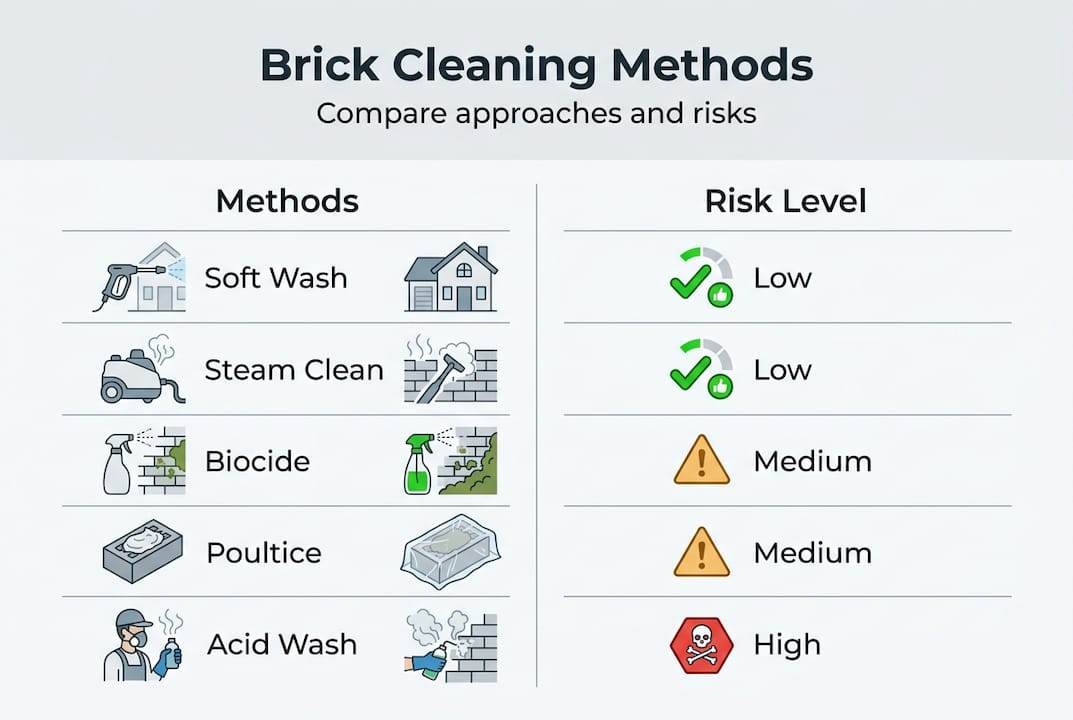
Primary methodologies include low-pressure water with mild detergent and soft brushing, steam cleaning, biocide treatments, poultice for deep stains, and controlled acid washing only after testing. Each approach serves specific purposes based on the type of contamination, brick condition, and desired results. Selecting the wrong method wastes time and money while potentially damaging your masonry.
Low-pressure washing combined with pH-neutral detergents handles routine dirt and light organic growth safely. This method uses water pressure below 500 PSI, far gentler than standard pressure washing that operates at 2000-3000 PSI. Soft brushing with natural bristles helps loosen stubborn deposits without abrading brick surfaces. This approach works well for regular maintenance cleaning on modern, hard-fired bricks in good condition. Understanding the differences between pressure vs power washing methods helps you appreciate why professionals adjust their equipment for delicate surfaces.
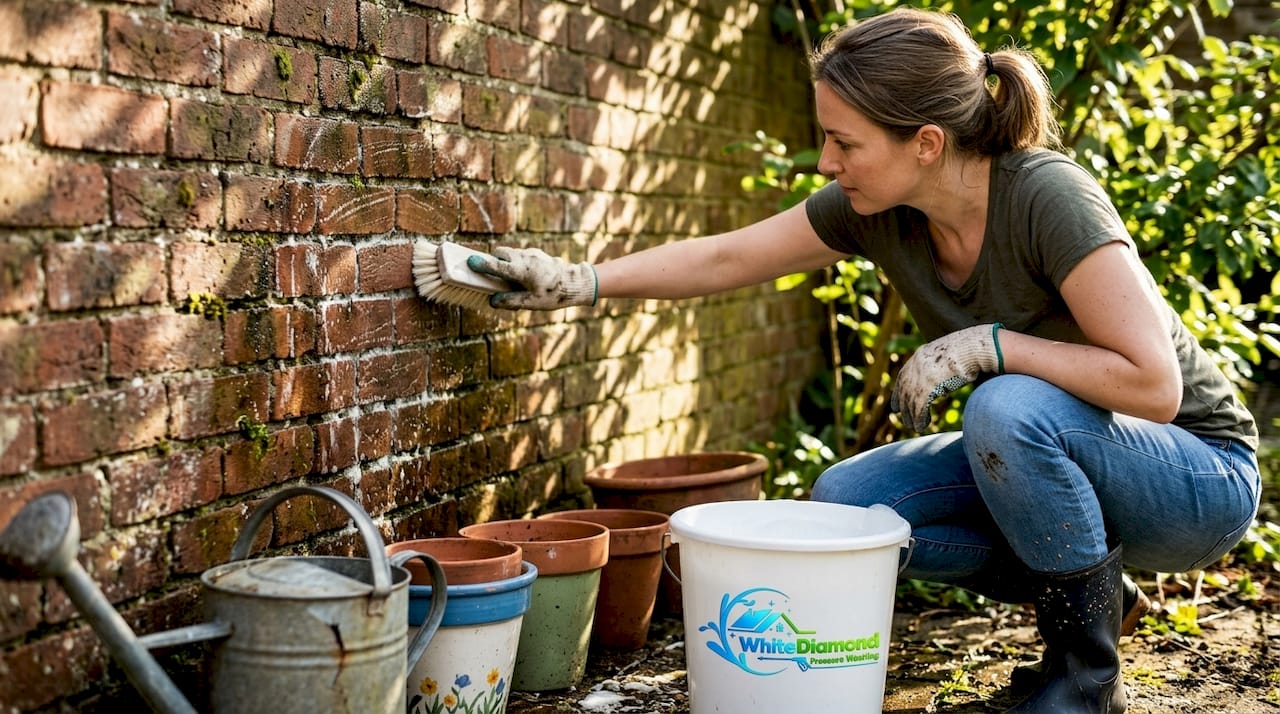
Steam cleaning provides maximum safety for historic or soft bricks that cannot tolerate any chemical exposure or water pressure. Superheated steam at 300 degrees loosens contaminants through heat rather than force, allowing gentle removal with soft brushes. This method excels at removing organic growth, light staining, and general grime without introducing moisture deep into porous brick. Steam cleaning costs more than water washing but eliminates risks associated with pressure or chemicals on vulnerable masonry.
Biocide treatments kill algae, moss, and lichen at the root level, preventing regrowth for three to five years in humid climates like Citrus County. Applied after initial cleaning, biocides penetrate porous surfaces to eliminate spores that cause recurring green or black staining. These specialized products work slowly over days or weeks, requiring patience but delivering long-term results that reduce cleaning frequency. Biocides prove particularly valuable on north-facing walls and shaded areas where moisture lingers.
Poultice applications draw deep stains out of porous brick through absorption rather than scrubbing or chemical reaction. A paste mixture containing absorbent materials and mild solvents is spread over stained areas, covered with plastic, and left for 24 to 48 hours. As the poultice dries, it pulls staining compounds from within the brick to the surface where they can be brushed away. This method works for oil stains, rust marks, and other penetrating discoloration that surface cleaning cannot reach.
Acid washing represents a last resort for stubborn mortar smears or mineral deposits that resist gentler methods. Diluted hydrochloric acid dissolves cement-based stains and heavy efflorescence but attacks mortar joints simultaneously. Professionals test small, hidden areas first and neutralize acid immediately after application to minimize damage. Many experts avoid acid entirely on historic buildings, choosing mechanical removal or accepting some staining rather than risking mortar deterioration. The comparison between soft washing vs power washing highlights how modern techniques reduce reliance on harsh chemicals.
| Method | Best For | Risk Level | Typical Cost |
|---|---|---|---|
| Low-pressure wash | Routine dirt, light stains | Low | $4-$8 per square meter |
| Steam cleaning | Historic bricks, delicate surfaces | Very Low | $12-$20 per square meter |
| Biocide treatment | Algae, moss prevention | Low | $3-$6 per square meter |
| Poultice | Deep oil or rust stains | Low | $15-$25 per square meter |
| Acid wash | Stubborn mortar, efflorescence | High | $20-$40 per square meter |
Pro Tip: Always test any cleaning method on a small, inconspicuous area first, waiting 48 hours to observe results before treating visible surfaces. This simple step prevents widespread damage from incompatible products or techniques.
Special considerations for historic and delicate bricks
Historic/soft Victorian bricks require steam only; avoid acids on porous/low-fired bricks; test patches mandatory; in humid areas, biocide for 3-5 year algae prevention; efflorescence cleaned via dry brushing. Older masonry demands heightened caution because manufacturing processes before 1900 produced softer, more porous bricks than modern versions. These materials absorb water readily and deteriorate rapidly when exposed to harsh chemicals or excessive pressure.
Historic bricks are more fragile due to lower firing temperatures during production and decades of weathering that have already compromised their outer surfaces. The lime-based mortars used in older construction dissolve easily in acidic solutions, creating structural problems that worsen over time. Many historic bricks feature decorative finishes or glazes that aggressive cleaning strips away permanently, destroying architectural character and reducing property value. Recognizing these vulnerabilities guides appropriate method selection.
Acids and harsh chemicals cause irreversible damage to mortar joints in historic buildings. Hydrochloric acid, commonly used for modern brick cleaning, dissolves lime mortar within minutes, creating gaps that allow water infiltration and freeze-thaw damage. Even milder acids like vinegar erode historic mortar over repeated applications. Once mortar joints deteriorate, repointing becomes necessary at significant expense, often requiring specialized lime mortars and skilled masons familiar with historic preservation techniques. Preventing this damage costs far less than repairing it later.
Dry brushing removes efflorescence safely without introducing additional moisture into porous brick. Using soft-bristle brushes, you can sweep away white salt deposits that appear on surfaces as water evaporates. This mechanical approach avoids the risk of driving salts deeper into masonry or adding water that exacerbates the underlying moisture problem causing efflorescence. After dry brushing, addressing the source of water infiltration prevents recurrence more effectively than repeated cleaning.
Biocide treatments provide long-term algae prevention in Citrus County’s humid climate without damaging delicate brick surfaces. Applied after gentle steam or low-pressure cleaning, biocides create an inhospitable environment for organic growth without harsh scrubbing or repeated cleaning cycles that accelerate wear. This proactive approach proves especially valuable for preserving older brick facade where frequent cleaning would cause cumulative damage over years.
Special precautions for historic brick include:
- Conducting moisture content testing before cleaning to avoid trapping water in masonry
- Using only steam or low-pressure water with pH-neutral detergents
- Avoiding all wire brushes, sandblasting, or abrasive cleaning tools
- Consulting preservation specialists for buildings over 100 years old
- Documenting brick condition before and after cleaning for insurance purposes
Pro Tip: Seal historic bricks after cleaning with breathable masonry sealers that allow moisture vapor to escape while blocking water infiltration. This protection extends cleaning benefits and reduces maintenance frequency in Citrus County’s climate.
DIY vs professional brick cleaning: costs, risks, and benefits
DIY costs: Mild detergent/brush $5-$20; steam hire $50-$150; professional $4-$8/m² light wash to $20-$40/m² chemical. Understanding the true costs and risks of each approach helps homeowners make informed decisions about brick cleaning projects. While DIY appears cheaper initially, hidden costs from mistakes or inadequate results often exceed professional service fees.
DIY brick cleaning works well for small areas with light soiling using gentle methods. Mixing mild detergent with water and scrubbing with soft brushes costs under $20 and poses minimal risk to modern, hard-fired bricks. Renting a steam cleaner for $50 to $150 per day allows homeowners to tackle larger projects safely if they understand proper techniques. These approaches succeed when dealing with routine maintenance rather than heavy staining or delicate historic masonry.
Risks of DIY cleaning multiply when homeowners underestimate project complexity or brick vulnerability. Using too much pressure strips brick surfaces, creating rough textures that collect dirt faster and deteriorate quickly. Applying acids without proper dilution or neutralization dissolves mortar joints, requiring expensive repointing. Inadequate rinsing leaves chemical residue that continues damaging masonry long after cleaning concludes. Many homeowners discover these problems only after completing work, when reversing damage becomes impossible. The risks of DIY pressure washing extend beyond immediate surface damage to long-term structural concerns.
Professional brick cleaning delivers superior results through specialized knowledge and equipment unavailable to homeowners. Experts assess brick type, age, and condition before selecting appropriate methods and products. They adjust pressure, temperature, and chemical concentrations based on real-time observations during cleaning. Professional equipment provides precise control that consumer-grade tools cannot match. This expertise proves especially valuable for historic properties, large-scale projects, or heavily stained surfaces where mistakes carry significant consequences.
Scenarios favoring professional services include buildings over 50 years old, visible mortar deterioration, previous failed DIY attempts, and staining that resists gentle cleaning methods. Homeowners lacking experience identifying brick types or selecting appropriate products benefit from professional assessment. Properties with mixed masonry materials requiring different approaches need expert coordination to avoid damaging some surfaces while cleaning others. The professional exterior cleaning benefits extend beyond immediate results to long-term preservation and value protection.
Hiring professionals familiar with Citrus County’s specific brick types and climate conditions ensures your cleaning project enhances rather than damages your property’s appearance and structural integrity.
Cost comparison for typical residential brick cleaning:
- DIY basic wash with detergent and brush: $5-$20 plus 4-8 hours labor
- DIY steam cleaner rental: $50-$150 per day plus learning curve and physical effort
- Professional light cleaning: $400-$800 for average home exterior (100 square meters)
- Professional deep cleaning with stain removal: $1,500-$3,000 for complete exterior restoration
- Professional historic preservation cleaning: $2,000-$5,000 with specialized techniques and documentation
| Factor | DIY Approach | Professional Service |
|---|---|---|
| Initial cost | $5-$150 | $400-$5,000 |
| Time investment | 8-20 hours | 4-8 hours (your time) |
| Risk of damage | Moderate to high | Very low |
| Result quality | Variable | Consistently high |
| Warranty/guarantee | None | Typically 1-2 years |
| Equipment investment | $50-$300 rental | Included in service |
How White Diamond Pressure Washing can help with your brick cleaning needs
Protecting your brick investment requires expertise that comes from years of experience with Citrus County’s unique masonry challenges. White Diamond Pressure Washing specializes in gentle, effective cleaning techniques that remove years of accumulated grime without compromising structural integrity or appearance. Our team understands the differences between modern hard-fired bricks and historic soft masonry, adjusting methods and products to suit each property’s specific needs.

We focus on preserving your property’s value through careful assessment before every project. Our professional brick cleaning services begin with testing small areas to verify compatibility and effectiveness. We customize solutions based on brick age, condition, and the types of staining present, using everything from steam cleaning to specialized biocides. The advantages of low-pressure washing become evident when you see how thoroughly we clean without the surface damage that high-pressure methods cause. Our commitment to pressure washing safety means your property receives expert care that extends its lifespan rather than shortening it. Contact us today for a free assessment and discover how professional brick cleaning transforms your home’s curb appeal while protecting your investment for decades to come.
FAQ
Is brick cleaning safe for historic homes?
Historic bricks require steam cleaning and dry brushing to avoid damage from harsh chemicals or pressure. Avoid acid washes entirely on historic mortar, as these dissolve lime-based joints and create structural problems. Professional preservation specialists understand which methods protect architectural integrity while achieving acceptable cleaning results. Testing hidden areas before treating visible surfaces remains mandatory for any historic property work.
How often should exterior brick be cleaned?
Typical cleaning intervals range from three to five years depending on climate conditions and organic growth rates. Citrus County’s humidity accelerates algae and moss development, potentially requiring more frequent attention on shaded walls. Regular inspection every six months allows you to spot-clean problem areas before they spread. Proactive maintenance extends brick lifespan significantly compared to neglecting surfaces until heavy staining develops.
Can I use vinegar or bleach to clean my brick?
Avoid vinegar and bleach, especially on historic or porous bricks, because these household products damage mortar joints over time. Vinegar’s acidity erodes lime mortar, while bleach can discolor brick and kill beneficial organisms in surrounding soil. Safe commercial cleaners formulated specifically for masonry or mild detergents provide better results without long-term harm. When in doubt, consult professionals who understand which products suit your specific brick type and condition.
What are the signs that my brick needs professional cleaning?
Persistent stains that resist gentle DIY methods, widespread algae growth, and visible mortar deterioration signal the need for professional help. White powder accumulating on surfaces indicates efflorescence requiring investigation of underlying moisture problems. Homeowners should seek experts for delicate historic masonry, large-scale projects, or any situation where previous cleaning attempts failed. Professional assessment often reveals problems invisible to untrained eyes, preventing small issues from becoming expensive repairs.
How do I protect my bricks after cleaning?
Applying breathable masonry sealers extends cleaning benefits, especially in humid climates like Citrus County. These products block water infiltration while allowing moisture vapor to escape, preventing trapped moisture damage. Regular inspections every six months help you catch new staining or organic growth early when spot cleaning suffices. Gentle maintenance cleaning with appropriate methods prolongs brick life far more effectively than neglect followed by aggressive restoration. Consider biocide treatments for long-term algae prevention on vulnerable surfaces.
Recommended
- Benefits of Exterior Cleaning for Homeowners – white-diamond-pressure
- What Is Concrete Cleaning and Why It Matters – white-diamond-pressure
- What is deck cleaning? A homeowner’s 2026 guide – white-diamond-pressure
- 7 Essential Types of Exterior Cleaning Every Homeowner Should Know – white-diamond-pressure