

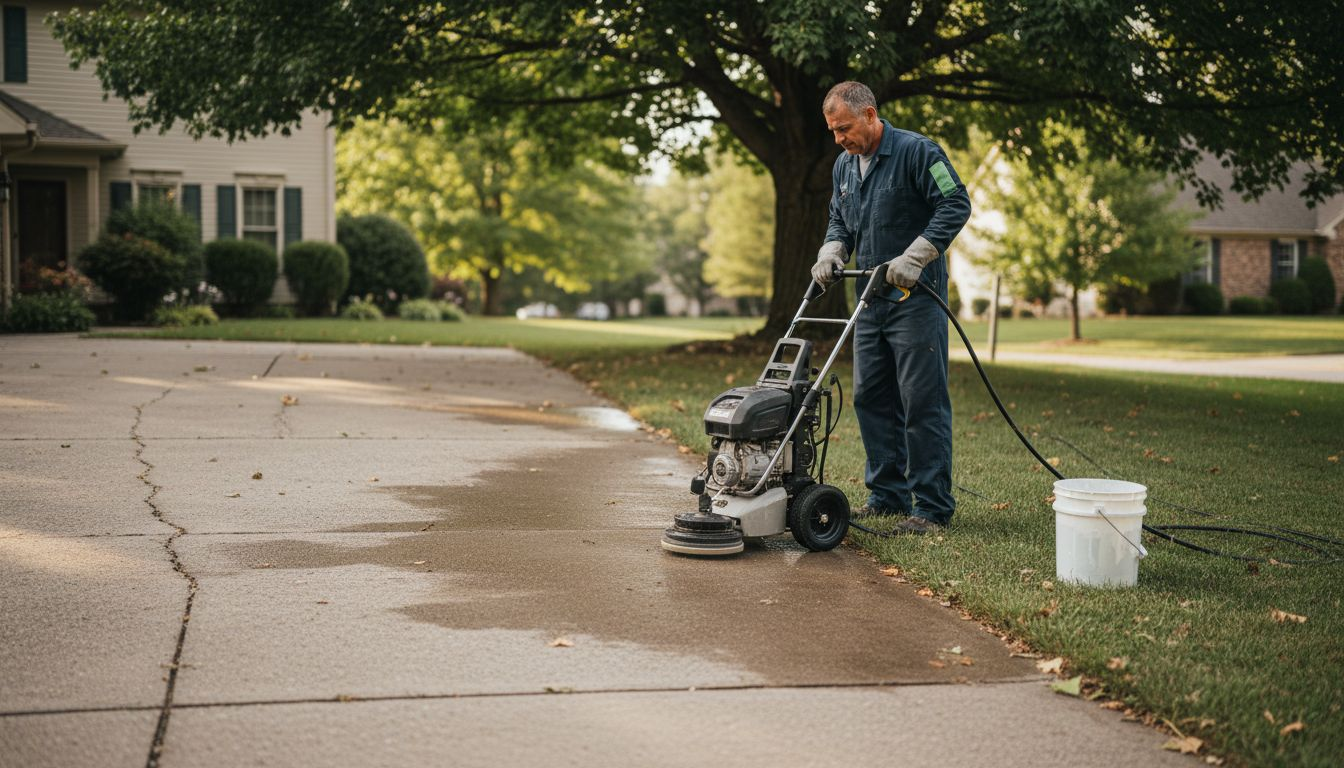
Most American homeowners in Citrus County see how quickly concrete driveways and walkways lose their curb appeal under Florida’s humidity and frequent rains. Regular pressure washing does more than keep your property looking sharp. It helps prevent costly damage and extends the life of your concrete. With more than 40 percent of residential properties in the United States suffering from preventable surface wear, choosing specialized cleaning methods offers proven protection for your investment.
Table of Contents
- Defining Concrete Cleaning And Its Purpose
- Types Of Concrete Soiling And Stain Removal
- Professional Methods Vs. DIY Techniques
- Safety Precautions And Environmental Concerns
- Choosing The Right Concrete Cleaning Service
Key Takeaways
| Point | Details |
|---|---|
| Concrete Cleaning Importance | Regular concrete cleaning preserves durability and appearance while protecting against long-term damage. |
| Stain-Specific Strategies | Identify the type of stain to select the most effective removal method and prevent damage to the surface. |
| Professional vs. DIY | Professional cleaning services provide more effective solutions for tough stains and minimize the risk of surface damage compared to DIY methods. |
| Choosing a Service | Evaluate cleaning services based on expertise, equipment, and environmental commitment to ensure quality results. |
Defining Concrete Cleaning and Its Purpose
Concrete cleaning is a specialized maintenance process designed to remove dirt, stains, debris, and environmental contaminants from concrete surfaces. At its core, this practice involves carefully removing substances that can degrade the structural integrity and aesthetic quality of concrete structures. Proper cleaning methods help preserve concrete’s durability and appearance while preventing long-term damage.
The purpose of concrete cleaning extends beyond simple aesthetic improvements. Environmental protection plays a critical role in this process. Concrete washout procedures are essential for preventing toxic alkaline mixtures from entering stormwater systems or natural water bodies. Construction sites and residential areas alike must manage concrete debris responsibly to minimize ecological risks and maintain site safety.
Professional concrete cleaning addresses multiple objectives simultaneously. It removes surface contaminants like oil stains, mold, mildew, and algae that can compromise concrete’s structural performance. Regular maintenance prevents these substances from penetrating deeper into the concrete, which could cause cracking, discoloration, and accelerated deterioration. By implementing systematic cleaning techniques, property owners can significantly extend the lifespan of their concrete surfaces and maintain their original appearance.
Pro tip: Schedule professional concrete cleaning annually to prevent buildup of stubborn contaminants and protect your investment in concrete surfaces.
Types of Concrete Soiling and Stain Removal
Concrete surfaces encounter numerous types of staining and soiling that can compromise their appearance and structural integrity. Understanding these different contaminants is crucial for selecting appropriate cleaning strategies. Common types of concrete soiling include organic growth like moss and algae, chemical stains from oil and grease, mineral deposits, rust marks, and environmental pollutants that accumulate over time.
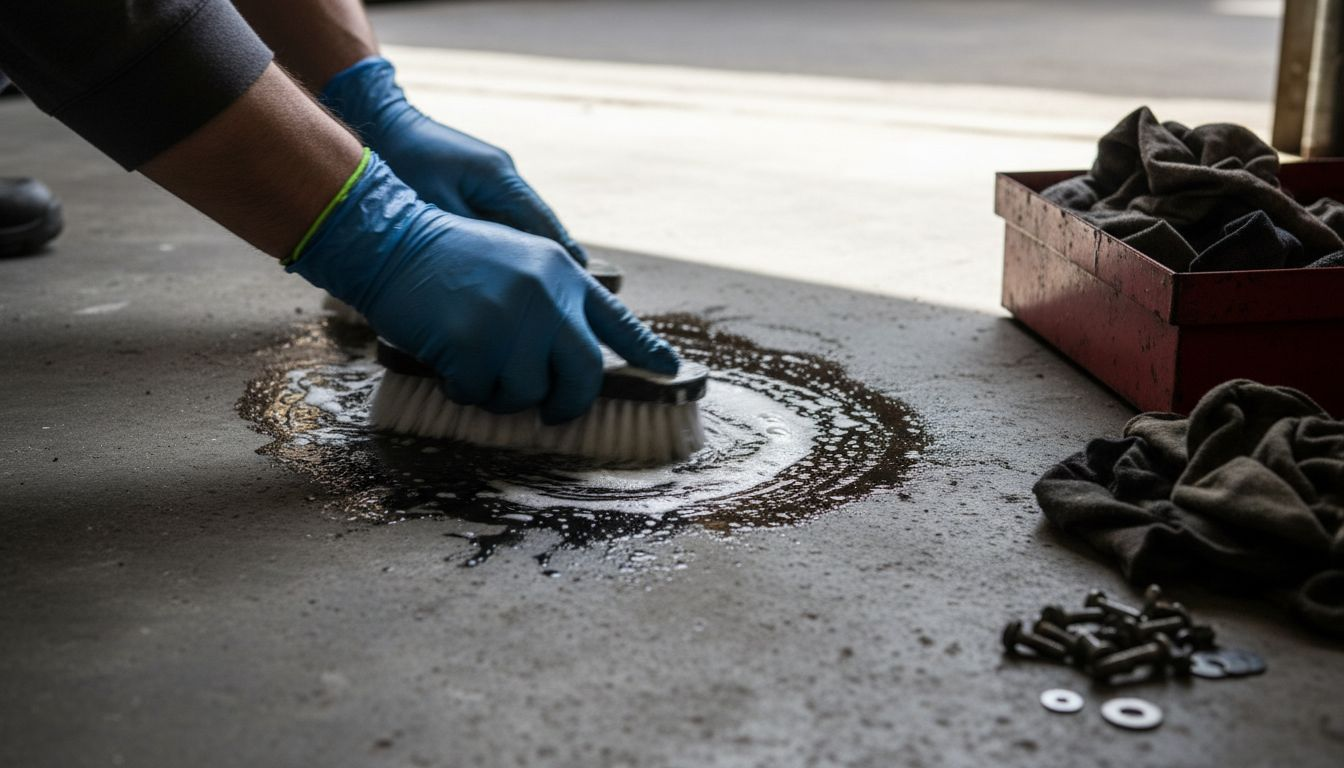
Oil and grease stains represent one of the most challenging types of concrete contamination. These petroleum-based substances penetrate deeply into concrete’s porous surface, creating dark, stubborn marks that are difficult to remove. Automotive fluids, cooking oils, and industrial lubricants can quickly transform a clean concrete surface into an unsightly area. Specialized degreasers and solvent-based cleaners are typically required to effectively break down and remove these persistent stains.
Mold, mildew, and algae represent another significant category of concrete soiling, particularly in humid or shaded environments. These organic growths not only create unsightly green or black discolorations but can also create slippery surfaces that pose safety risks. Different cleaning approaches are needed for these biological contaminants, including specialized antimicrobial solutions that kill existing growth and prevent future colonization. Pressure washing techniques combined with targeted chemical treatments can effectively eliminate these organic invaders and restore concrete surfaces to their original condition.
Pro tip: Identify the specific type of stain before selecting a cleaning method to ensure the most effective and least damaging removal approach.
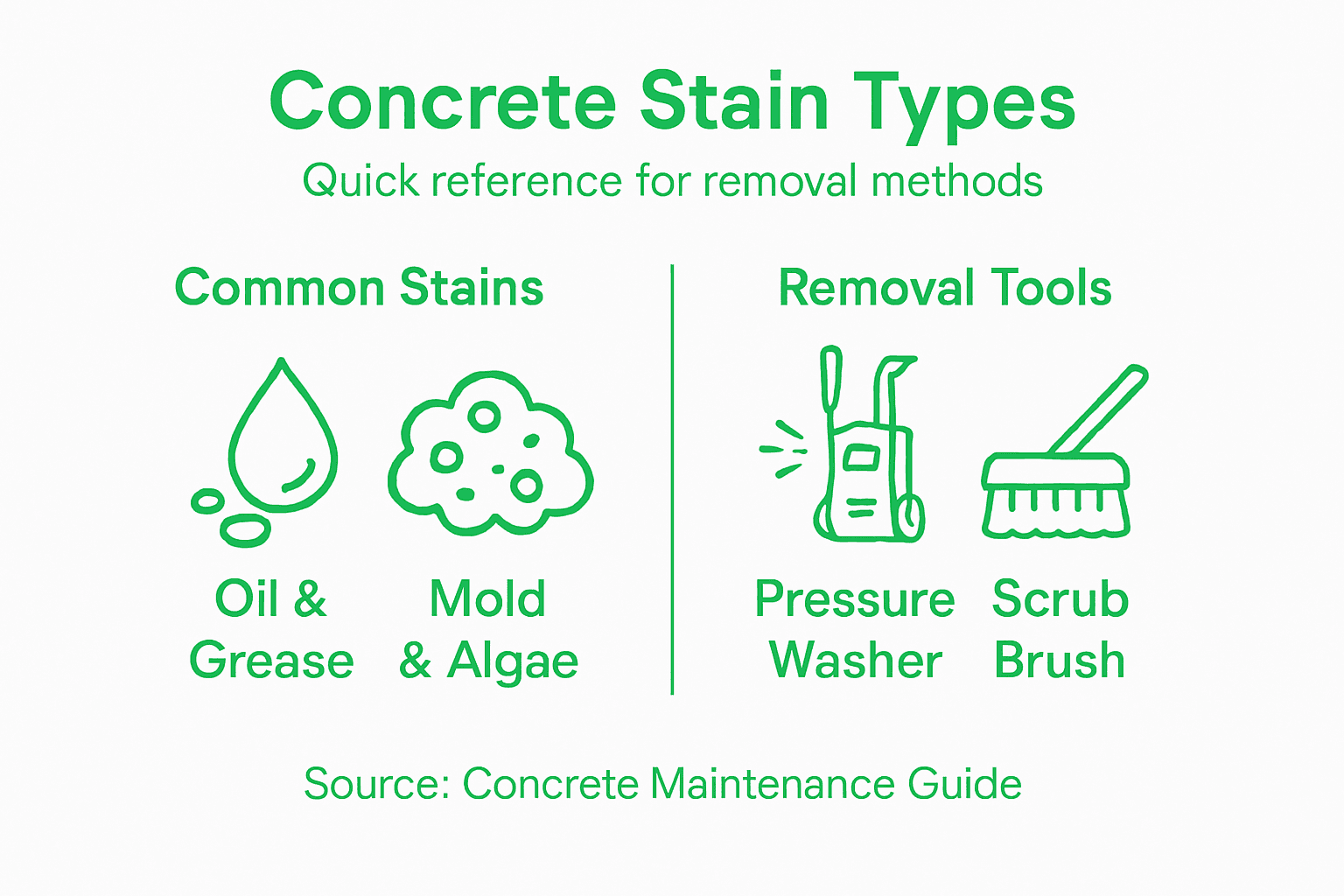
Use this quick reference to identify common concrete stains and suitable removal methods:
| Stain Type | Typical Source | Suggested Removal Approach |
|---|---|---|
| Oil & Grease | Automotive leaks, cooking spills | Specialized degreasers, solvent-based cleaners |
| Mold & Algae | Moisture, shaded areas | Antimicrobial solution, pressure wash |
| Rust | Leaking metal, garden tools | Rust removers, mild acids |
| Mineral Deposits | Hard water, runoff | Acidic cleaning products, scrubbing |
| Environmental Pollutants | Urban dust, vehicle exhaust | Power washing, surface detergents |
Professional Methods vs. DIY Techniques
The distinction between professional concrete cleaning methods and do-it-yourself techniques is significant, with each approach offering unique advantages and limitations. Professional concrete cleaning strategies leverage specialized equipment, advanced chemical formulations, and technical expertise that go far beyond typical household cleaning solutions. While homeowners might be tempted to tackle concrete cleaning independently, the complexity of effective stain removal often requires professional intervention.
DIY techniques typically involve common household products like vinegar, detergents, and baking soda, which can address minor surface dirt and light staining. However, these methods fall short when confronting challenging contaminants such as deep oil stains, rust marks, or embedded organic growth. Professional services utilize industrial-grade pressure washers, specialized cleaning agents, and technologically advanced techniques that penetrate concrete’s porous surface without causing damage. These methods not only clean more thoroughly but also provide protective treatments that extend the concrete’s longevity and resistance to future soiling.
The equipment and knowledge gap between professional and DIY approaches is substantial. Professional cleaning technicians understand the precise chemical interactions required for different types of stains and concrete surfaces. They can adjust water pressure, select appropriate cleaning solutions, and employ techniques that prevent surface etching or structural damage. Most homeowners lack the specialized knowledge to navigate these nuanced cleaning requirements, which can potentially lead to irreversible damage if incorrect methods are applied.
Pro tip: When dealing with complex or extensive concrete staining, consult a professional to assess the most appropriate and safe cleaning approach.
Here’s a comparison of professional vs. DIY concrete cleaning approaches to help clarify their main differences:
| Aspect | Professional Cleaning | DIY Cleaning |
|---|---|---|
| Equipment Used | Industrial pressure washers, advanced chemicals | Household cleaners, basic scrub brushes |
| Effectiveness on Tough Stains | Removes deep oil, rust, algae, and embedded grime | Limited to minor dirt and light stains |
| Risk of Surface Damage | Low with expert handling | Higher due to possible misuse |
| Added Surface Protection | Often includes protective treatments | Rarely applies protective coatings |
Safety Precautions and Environmental Concerns
Concrete cleaning safety protocols are critical for protecting both human health and the surrounding environment. Workers and homeowners must understand the potential hazards associated with concrete cleaning, including exposure to alkaline chemicals, silica dust, and potential skin irritants. Proper protective equipment such as chemical-resistant gloves, safety goggles, long-sleeve clothing, and respiratory protection are essential for minimizing personal health risks during concrete maintenance activities.
Environmental considerations play a paramount role in responsible concrete cleaning practices. The potential for chemical runoff and contamination of water systems requires meticulous management of cleaning processes. Wastewater treatment guidelines emphasize the importance of containing and neutralizing cleaning solutions before they enter storm drains or natural water bodies. This involves using pH-balancing agents, implementing sediment control measures, and ensuring that all chemical residues are properly captured and disposed of according to local environmental regulations.
The risks associated with concrete cleaning extend beyond immediate personal safety. Silica dust generated during cleaning and preparation can create long-term respiratory health challenges if proper ventilation and dust suppression techniques are not employed. Professional cleaning services are trained to implement comprehensive safety measures, including dust containment systems, water-based suppression techniques, and carefully controlled cleaning environments that minimize airborne particulate release. Homeowners and property managers must prioritize these safety considerations to protect both workers and surrounding environments during concrete maintenance projects.
Pro tip: Always wear full protective gear and ensure proper ventilation when performing any concrete cleaning task, regardless of the scale of the project.
Choosing the Right Concrete Cleaning Service
Concrete cleaning service selection criteria require careful consideration of multiple factors beyond simple pricing. Homeowners should evaluate potential service providers based on their technical expertise, equipment quality, understanding of different concrete surfaces, and commitment to environmental safety. A reputable concrete cleaning service demonstrates comprehensive knowledge of surface preparation techniques, specialized cleaning methods, and the unique challenges presented by various concrete types and environmental conditions.
Technical credentials and professional certifications serve as critical indicators of a service’s reliability and competence. Look for providers with documented experience in handling residential and commercial concrete cleaning projects, verifiable insurance coverage, and demonstrated compliance with industry standards. Professional services should be able to articulate their approach to different stain types, surface materials, and cleaning challenges, showing a nuanced understanding that goes beyond basic pressure washing techniques.
Beyond technical qualifications, communication and transparency are essential when selecting a concrete cleaning service. Exceptional providers offer detailed consultations, provide clear explanations of their proposed cleaning strategies, and are willing to discuss potential challenges specific to your concrete surfaces. They should be prepared to explain their cleaning methods, the products they use, potential environmental considerations, and expected outcomes. A professional service will also provide transparent pricing, written estimates, and be willing to address any concerns or questions you might have about the cleaning process.
Pro tip: Request references, review past project portfolios, and verify professional certifications before hiring a concrete cleaning service to ensure high-quality results.
Protect and Restore Your Concrete with Expert Cleaning Solutions
Concrete surfaces face tough challenges like stubborn oil stains, algae growth, and environmental pollutants that can cause costly damage over time. If you want to effectively remove these contaminants while preserving your property’s value and safety, professional care is essential. White Diamond Pressure Washing specializes in advanced soft washing and low-pressure techniques that safely eliminate deep-seated grime without harming your concrete or surrounding areas.

Don’t let years of buildup shorten the life of your concrete. Take action now by booking a service with trusted local experts who prioritize safety, reliability, and proven results. Explore how our professional approach addresses the concerns discussed in What Is Concrete Cleaning and Why It Matters, and see why residents and businesses in Citrus County turn to White Diamond Pressure Washing for lasting exterior cleanups. Ready for cleaner, safer concrete surfaces? Visit our service page to get a free estimate and schedule your appointment today.
Frequently Asked Questions
What is concrete cleaning?
Concrete cleaning is a specialized maintenance process focused on removing dirt, stains, debris, and environmental contaminants from concrete surfaces to preserve their durability and aesthetic quality.
Why is concrete cleaning important for my property?
Concrete cleaning is essential for enhancing the appearance of your property, preventing structural damage, and protecting the environment by managing contaminants and ensuring they do not enter stormwater systems.
What types of stains can be removed from concrete surfaces?
Common concrete stains include oil and grease from automotive fluids, mold and algae from moisture, rust from metal tools, mineral deposits from hard water, and environmental pollutants like dust and vehicle exhaust.
Should I hire a professional for concrete cleaning or can I do it myself?
While DIY methods can address minor stains, professional concrete cleaning services utilize advanced equipment and specialized techniques to effectively remove difficult stains without damaging the surface, making them a better choice for extensive or complex cleaning tasks.
One thought on “What Is Concrete Cleaning and Why It Matters”