

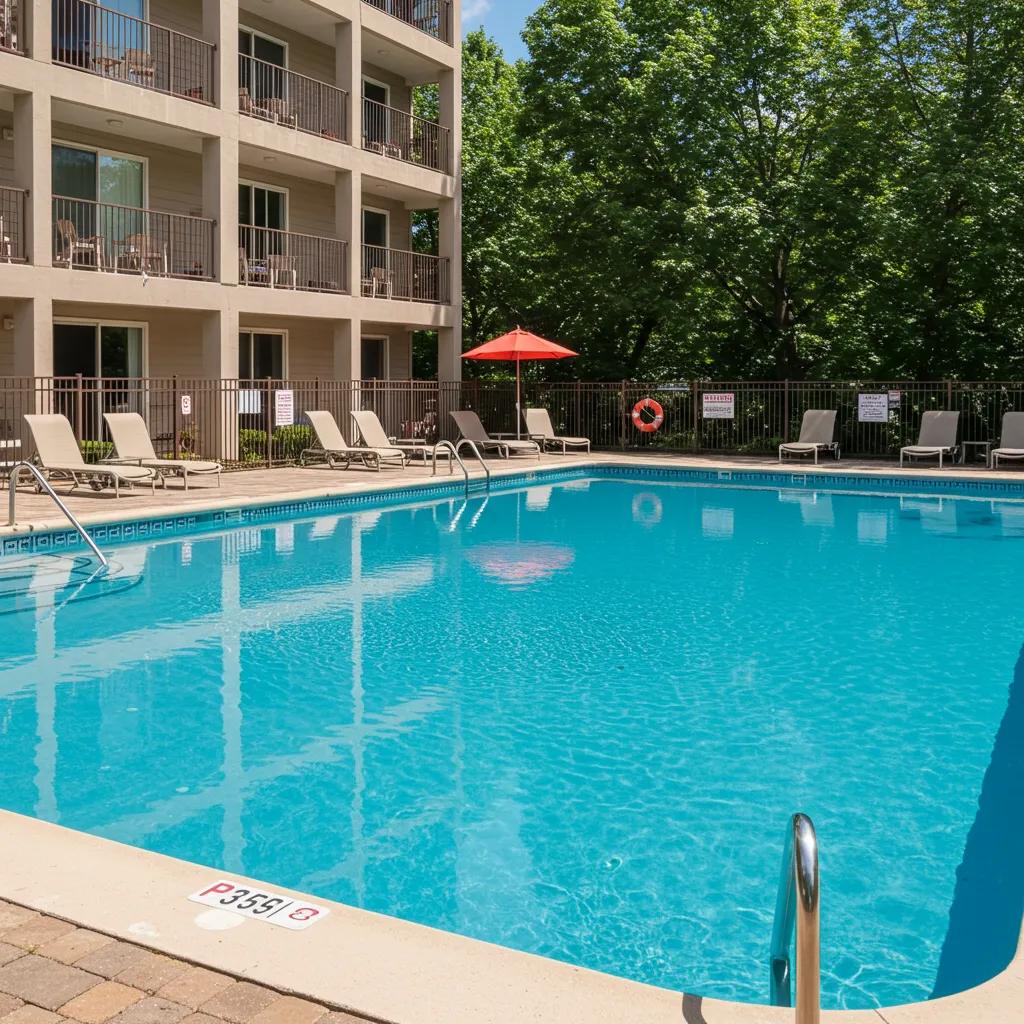
How to Keep Your Pool Deck Looking New: Expert Maintenance, Cleaning, Sealing, and Repair Tips
A well-maintained pool deck is more than curb appeal; it preserves safety, extends surface life, and protects your investment against Citrus County’s humid, sun-drenched climate. This guide teaches practical maintenance routines, material-specific cleaning approaches, sealing strategies, and repair guidance so homeowners can keep decks looking new without guessing which method to use. You will learn how Florida’s weather affects concrete, pavers, wood, and tile, when to use pressure washing versus soft washing, why sealing matters, and how to spot problems that need a professional. The article maps a seasonal maintenance checklist, professional cleaning comparisons, step-by-step sealing preparation, and safe DIY techniques aimed at preventing algae, mold, stains, and cracks. Throughout, targeted phrases like pool deck maintenance checklist Florida homeowners, soft washing vs pressure washing pool deck, and pool deck sealant for Florida climate are integrated to help you find the right actions for Citrus County conditions. Read on for clear, actionable steps and sensible thresholds for when to call a pro.
Why Is Regular Pool Deck Maintenance Essential in Citrus County, FL?
Regular pool deck maintenance is the practice of scheduled cleaning, surface protection, and timely repair designed to prevent accelerated wear from local climate and use. The mechanism is simple: removing organic buildup, controlling moisture, and restoring protective layers reduce deterioration and slip hazards, which preserves appearance and reduces long-term repair costs. For Citrus County homeowners, the specific benefits include improved safety around wet areas, slower material degradation under UV exposure, and maintained property value in a competitive market. Understanding these local drivers informs a maintenance rhythm that balances routine DIY with professional interventions when needed.
Florida’s high humidity, strong UV radiation, and frequent rain events create a trio of stressors for pool decks that accelerate algae and mold growth, fade surface colors, and drive water into micro-cracks. Concrete absorbs moisture and can show efflorescence and spalling when salts migrate; pavers shift when drainage is poor; wood swells and declines with persistent wet-dry cycles; and tile grout can harbor organic films that become slippery. These mechanisms mean maintenance must combine cleaning, drainage management, and protection to preserve both aesthetics and safety. The following subsection details how these effects manifest by material and what simple preventive steps help most.
How Does Florida’s Climate Affect Pool Decks?
Florida’s subtropical climate increases biological growth and UV-driven degradation on pool decks, which accelerates discoloration and surface wear over time. High humidity and warm temperatures create ideal conditions for algae and mold, while intense sun breaks down surface binders and causes color fading on concrete and pavers. Seasonal storms contribute to ponding and stressed joints, which in turn lead to cracking and shifting if drainage is inadequate. Understanding these material-specific reactions helps homeowners choose the right cleaning frequency, protective sealant, and drainage fixes to prevent recurring problems and extend deck life.
What Are the Common Pool Deck Problems Caused by Local Conditions?
Common issues in Citrus County include slippery green-black algae, sun-faded surfaces, rust and oil stains, efflorescence on concrete, and hairline to structural cracks driven by moisture cycles. Algae and mold are safety hazards that increase slip risk; stains undermine appearance and can indicate material breakdown; and cracks allow water intrusion that worsens freeze-damage or undermines base materials during storms. Recognizing urgency—slippery surfaces and spreading algae require prompt action, while minor color fade is cosmetic—lets homeowners prioritize repairs and schedule preventative work efficiently.
What Are the Best Professional Pool Deck Cleaning Methods?
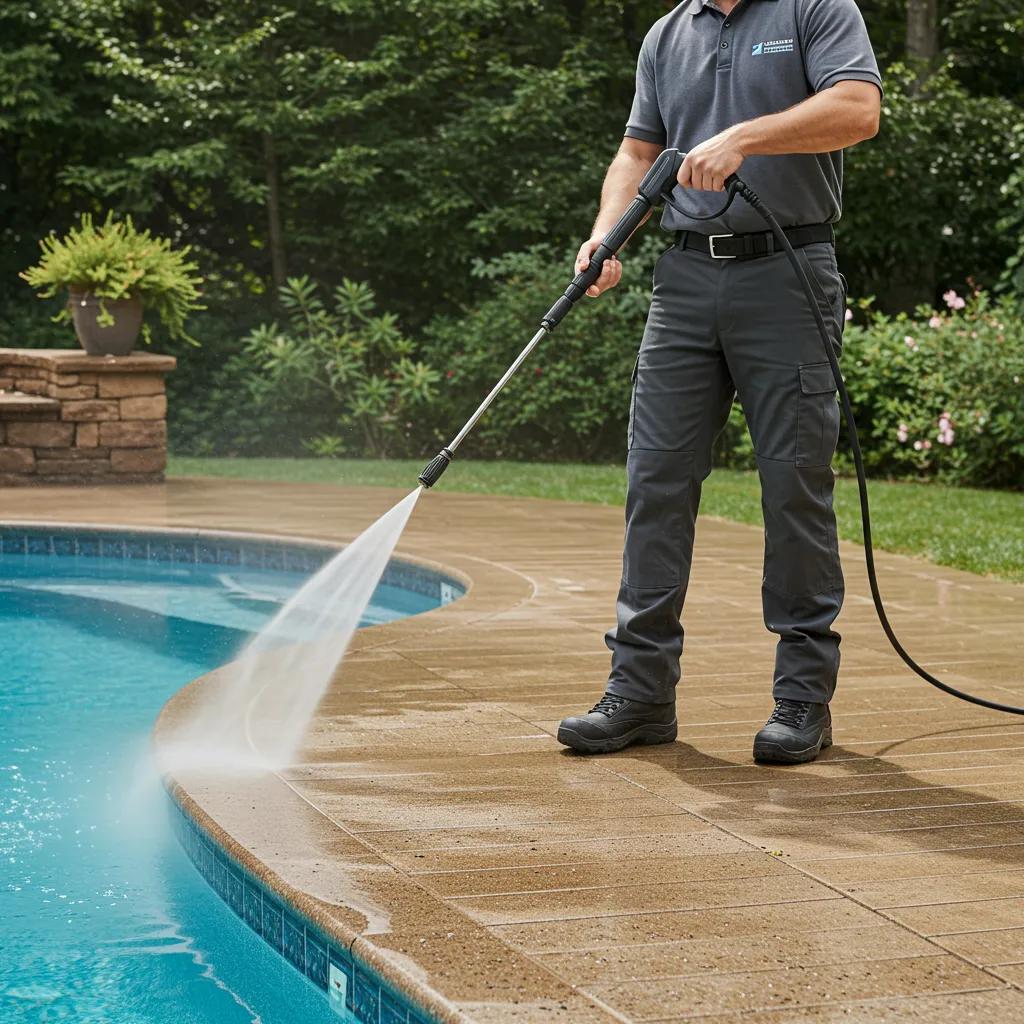
Professional pool deck cleaning combines assessment, the correct wash technique, and targeted chemistry to remove biological growth and stains without damaging the substrate. The core mechanism is matching method to material: soft washing uses low pressure plus detergents for delicate surfaces, while pressure washing uses higher PSI for concrete and heavy buildup. The specific benefit is safe, effective restoration of appearance and slip resistance with minimized risk of surface erosion or etching. Professionals also handle runoff controls and biodegradation considerations to protect landscaping and pool chemistry during cleaning.
Below is a comparison of common professional cleaning approaches to help you decide which fits your deck material and problem type.
Different professional cleaning approaches work best for different materials and stains.
This comparison clarifies trade-offs: use soft washing for delicate or sealed surfaces and pressure washing for robust concrete, and reserve spot treatments for stubborn localized stains. The next subsection explains how technicians sequence assessment, pre-treatment, cleaning, and post-treatment to maximize longevity and safety.
How Do Pressure Washing and Soft Washing Differ for Pool Decks?
Pressure washing uses higher PSI streams to dislodge grime and mineral deposits, making it effective on unsealed concrete and heavily soiled pavers, while soft washing pairs low-pressure spray with biodegradable detergents to dissolve algae, mold, and organic films safely. The mechanism difference matters because high PSI can erode grout and remove sealants, whereas low-pressure detergents preserve coatings but require correct dwell time and rinsing. Choosing the right method yields the benefit of removing hazards without accelerating wear; wrong choices risk damage and void warranties on some finishes. When in doubt, consult a professional assessment to match pressure, nozzle type, and chemical concentration to the material.
The manual “Commercial and Industrial Cleaning: Pressure Washing, Hydro-blasting, and UHP Jetting Manual” details the principles and applications of various high-pressure cleaning techniques, which are directly relevant to professional pool deck cleaning services.
Commercial and Industrial Cleaning: Pressure Washing, Hydro-blasting, and UHP Jetting Manual
It examines the cleaning, restoration and maintenance of surfaces using pressure-washing, hydro-blasting and ultra high pressure water jetting (UHP). This manual is intended for use by commercial and industrial cleaning contractors and their employees.
Commercial-industrial cleaning, by pressure-washing, hydro-blasting and UHP-jetting: The business operating model and how-to manual for 450 specific …, 2012
How Do Professionals Remove Algae, Mold, and Stains Effectively?
Professionals follow a sequence: assess substrate and stain type, apply targeted pre-treatment to break biological bonds, execute the appropriate wash method, and finish with rinsing and preventive treatments to slow regrowth. This process minimizes water usage and runoff while ensuring that chemicals are neutralized before they enter landscaping or the pool. The result is a safer, more durable surface with lower recurrence of algal growth and longer time between cleanings. Proper disposal and containment practices further reduce environmental impact and preserve nearby plants.
For homeowners seeking local service examples, White Diamond Pressure Washing offers targeted pool deck and pool cage cleaning using professional soft washing and pressure washing methods, and emphasizes eco-friendly, biodegradable detergents and water-minimizing techniques. Their technicians provide assessments to recommend the right method for your surface and can schedule treatments that respect local weather windows. To explore a professional estimate, contact White Diamond Pressure Washing by phone or check their Google Business Profile for reviews and booking options.
What Are the Benefits of Pool Deck Sealing and How Is It Done?
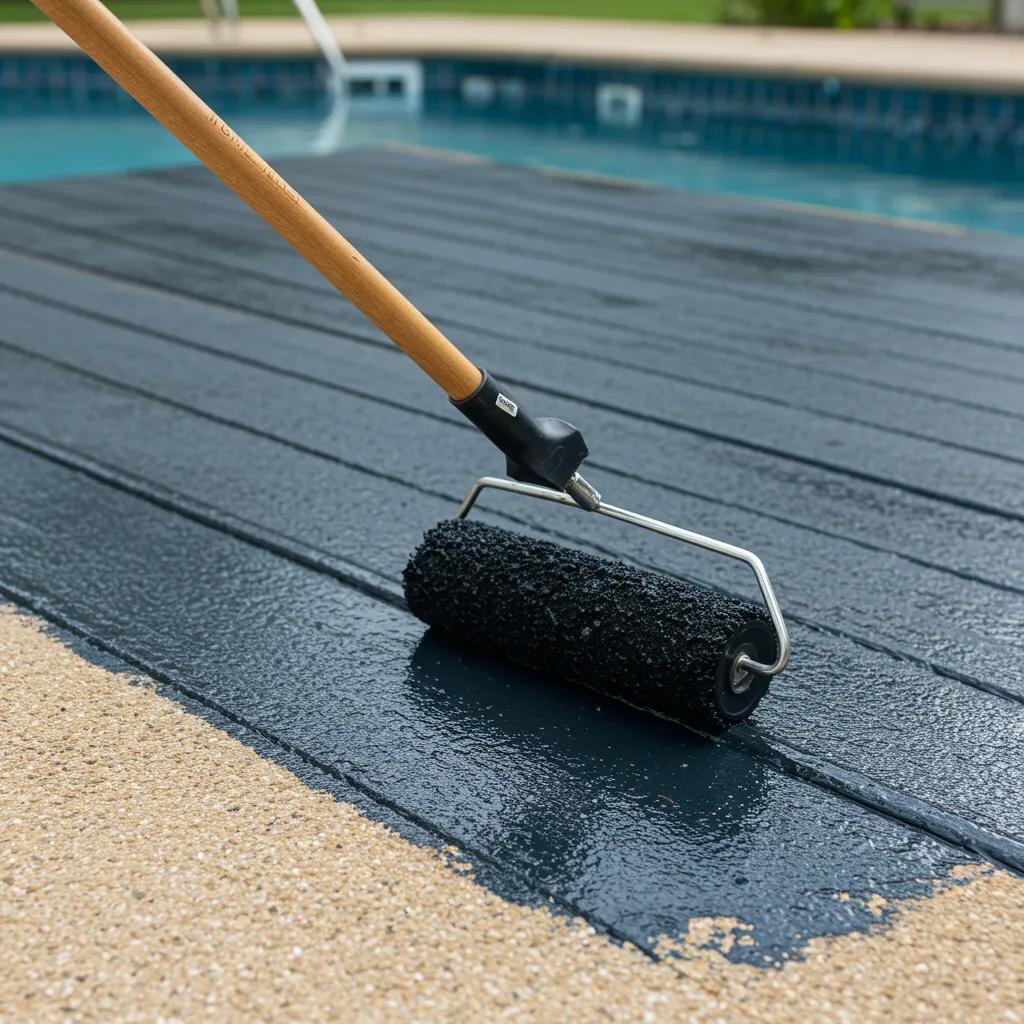
Sealing a pool deck applies a protective layer that repels stains, reduces water penetration, provides UV protection, and can enhance slip resistance, which together slow deterioration and cut maintenance time. The mechanism is adding a barrier that limits moisture ingress and surface abrasion while preserving color or texture. Benefits include easier cleaning, reduced staining from oils and pool chemicals, and extended lifespan for pavers, concrete, and certain tiles. Proper sealing also stabilizes sand in paver joints and can reduce dusting on concrete, which improves both safety and aesthetics.
Choosing the right sealant depends on material and desired properties; the table below compares common options to help homeowners decide what suits Citrus County conditions best.
Sealing choices vary by chemistry and performance attributes.
Each sealant type balances appearance and protection: penetrating sealers maintain natural texture and traction, while film-forming solvent or water-based sealers enhance color and ease cleaning. Proper application requires cleaning, repairing cracks, and ensuring the deck is fully dry before sealing to maximize adhesion and curing. The next subsection explains the specific protective benefits and how they translate to everyday maintenance.
Why Should You Seal Your Pool Deck?
Sealing reduces staining, blocks moisture-driven deterioration, and enhances UV resistance so that colors remain truer over time and surfaces stay easier to clean. The mechanism is forming a protective film or barrier that prevents oils, chlorinated water, and organic material from bonding to the substrate. For homeowners, sealing translates to fewer targeted stain treatments, less frequent deep cleaning, and a lower risk of costly resurfacing. Selecting a sealant that preserves slip resistance provides an additional safety benefit around wet pool areas.
When and How Often Should You Reseal Your Pool Deck in Florida?
In Citrus County, reseal intervals typically range from 2–4 years depending on sealant type, sun exposure, and traffic levels; high-traffic or high-sun areas often need more frequent reapplication. Signs that resealing is due include water no longer beading on the surface, increased staining, and visual wear of the previous coat. The reseal process includes full cleaning, minor repairs, drying time, and then even application of the chosen sealer during a weather window without rain risk. Planning reseal work in drier months helps ensure proper curing and maximizes the protective lifespan.
For professional sealant application and seasonal scheduling, White Diamond Pressure Washing provides sealing services alongside cleaning and offers free estimates for pool deck sealing to help homeowners decide the right timing and product for local conditions.
How Can Homeowners Perform DIY Pool Deck Maintenance Safely?
DIY pool deck maintenance focuses on routine cleaning, quick spot treatments, and monitoring so problems are caught early before they require major repairs. The mechanism is simple preventive care: sweeping removes organic debris, rinsing reduces salt and chlorine residues, and timely spot treatment prevents permanent stains. The benefit is keeping the deck safe and attractive between professional cleanings, while controlling costs and extending intervals between larger interventions. However, homeowners must respect limits on pressure equipment, chemical strength, and structural repairs.
Below is a practical checklist homeowners can follow for regular upkeep that balances effectiveness with safety.
A repeatable checklist helps maintain decks without overdoing it.
- Sweep and rinse weekly to remove leaves, pollen, and grit that feed algae and trap moisture.
- Deep clean seasonally with a gentle detergent and soft bristle brush; avoid high-pressure settings on delicate surfaces.
- Spot-treat stains promptly using oxygen-based cleaners for organic marks and degreasers for oil, following product safety directions.
These routine steps prevent buildup and reduce the frequency of professional intervention. The next subsection provides product-agnostic tips and safety practices for everyday cleaning tasks.
What Are Simple Cleaning Tips for Regular Pool Deck Upkeep?
Regular upkeep includes weekly sweeping and rinsing, monthly spot checks for stains, and a seasonal deep clean that aligns with the highest pollen or storm seasons in Citrus County. Use a soft-bristle push broom for debris, mild detergent mixed in water for spot cleaning, and avoid metal brushes or high-pressure nozzles on painted or sealed surfaces. Wear gloves and eye protection when handling concentrated cleaners, and always test a small inconspicuous area before treating the whole deck. These measures reduce surface deterioration and maintain slip resistance until a professional cleaning or sealing is scheduled.
How Can You Prevent Algae and Mold Growth Between Professional Cleanings?
Prevent algae and mold by eliminating standing water, trimming overhanging foliage to increase sunlight and airflow, and rinsing away organic debris after storms or heavy pool use. Improving drainage and ensuring sand in paver joints is compacted reduce moisture retention that fuels biological growth. Periodic low-impact treatments—applied sparingly and according to product guidance—can keep regrowth at bay while minimizing runoff. If algae returns quickly despite care, a professional assessment can identify hidden moisture or substrate issues that DIY methods cannot resolve.
After attempting DIY measures, homeowners should recognize limits: persistent stains, widening cracks, substrate movement, or recurring algae often require professional tools and containment practices to resolve safely. If these thresholds are met, consider requesting a professional quote to assess remediation and long-term prevention.
What Are Common Pool Deck Issues and How Can You Address Them?
Common pool deck issues include biological growth, rust and oil stains, cracking, efflorescence, and surface spalling; each has distinct causes and corresponding fixes. The mechanism for most problems starts with water or contaminants penetrating the surface, which then reacts with materials or fosters biological growth. Addressing the root cause—improving drainage, removing staining sources, or repairing joints—prevents recurrence and protects the substrate. This section provides decision guidance on DIY fixes versus professional repair and helps prioritize urgency based on safety and structural risk.
Below is a compact problem-solution table that lists common damages, likely causes, practical DIY fixes, and professional interventions.
Typical issues, their causes, and solutions are summarized for quick reference.
This table helps homeowners triage actions: active algae requires prompt cleaning for safety, rust and oil stains often respond to targeted treatment, and cracks need evaluation to determine if a temporary patch is enough or full repair is required. The next subsection describes how to identify severity and choose an appropriate repair path.
How Do You Identify and Repair Cracks and Surface Damage?
Different cracks indicate different risks: hairline surface cracks often result from shrinkage and can be sealed with patching compounds, while wider cracks, movement, or step-like separations suggest substrate problems that require professional evaluation. The repair mechanism for minor cracks involves cleaning, filling with compatible patch materials, and resealing to keep moisture out. Homeowners should monitor cracks for growth, edge delamination, or associated drainage problems—these are red flags for professional repair. Addressing underlying drainage or soil movement is crucial to prevent recurrence after any repair.
What Are Effective Solutions for Removing Rust, Oil, and Organic Stains?
Stain removal depends on chemistry: rust usually requires chelating agents that bind iron, oil benefits from degreasers and hot-water rinsing, and organic stains respond to oxygen-based cleaners and soft agitation. Safety and pool chemistry interactions matter—always dilute chemicals safely, protect vegetation, and avoid mixing incompatible products. For stubborn or aged stains, poultices or professional-grade treatments applied by trained technicians can restore appearance without damaging the deck. When stain removal affects sealed coatings, plan to re-seal areas afterward to maintain protection.
Why Choose White Diamond Pressure Washing for Your Pool Deck Care?
White Diamond Pressure Washing positions itself as a local provider offering top-quality cleaning, experienced technicians, eco-friendly products, and flexible scheduling for Citrus County homeowners seeking reliable exterior cleaning services. Their value proposition emphasizes experienced and reliable technicians who match cleaning methods to surface types, use biodegradable detergents to minimize environmental impact, and employ water-minimizing techniques during cleaning. This approach reduces chemical runoff and preserves landscaping while restoring deck appearance and safety. For homeowners ready to schedule service, White Diamond Pressure Washing can be reached by phone; their team also lists service offerings such as pool cage cleaning, soft washing, pressure washing, and concrete sealing to address both cleaning and protection needs.
White Diamond emphasizes punctuality and flexible scheduling so work can happen during optimal weather windows, which helps ensure proper drying and curing for sealants and reduced chance of washouts during storms. If you prefer a professional assessment before committing to repairs or sealing, request a free estimate to compare options and timing based on local conditions.
What Eco-Friendly Cleaning Solutions Does White Diamond Use?
White Diamond states the use of biodegradable detergents and water-minimizing techniques to reduce environmental impact while effectively removing algae, mold, and stains from pool decks. Biodegradable agents help break down organic material without leaving persistent toxic residues, and minimizing water usage reduces runoff and protects pool chemistry and landscaping. Professional application ensures correct dilution and neutralization, which prevents overuse of chemicals and unnecessary environmental exposure. This eco-conscious method balances effectiveness with stewardship of local waterways and plantings.
How Does White Diamond Ensure Reliable and Flexible Scheduling?
White Diamond highlights flexible scheduling and punctual service to match local weather windows and homeowner availability, helping ensure cleanings and sealant applications occur under favorable conditions. You can call to discuss timing and request a free estimate so technicians can recommend an optimal service schedule tailored to your deck’s material and condition. Planning work during drier periods ensures sealants cure correctly and reduces the risk of rain-related delays. Their local focus aims to align service timing with Citrus County seasonal patterns for the best long-term results.
- Weekly Maintenance: Sweep and rinse to prevent organic buildup and reduce algae risk.
- Seasonal Deep Clean: Schedule a professional cleaning or perform a deep DIY wash during drier months.
- Reseal Cycle: Track reseal dates and inspect for water beading to time resealing correctly.
These actionable steps, paired with professional assessment when thresholds are exceeded, give homeowners a practical roadmap to keep pool decks looking new and safe in Citrus County, FL.
Frequently Asked Questions
What materials are commonly used for pool decks in Florida?
In Florida, pool decks are typically made from materials such as concrete, pavers, wood, and tile. Each material has its own advantages and disadvantages regarding durability, maintenance, and aesthetics. Concrete is popular for its strength and versatility, while pavers offer a variety of designs and are easier to repair. Wood provides a natural look but requires more maintenance to prevent rot and warping. Tile can be visually appealing but may be slippery when wet. Understanding these materials helps homeowners choose the best option for their specific needs.
How can I tell if my pool deck needs professional cleaning?
Signs that your pool deck may require professional cleaning include visible stains, persistent algae growth, and a slippery surface. If you notice discoloration, such as rust or oil stains, or if algae appears frequently despite your cleaning efforts, it’s time to call in a professional. Additionally, if the surface feels slick or unsafe when wet, this indicates a buildup of organic material that can pose a slip hazard. Regular assessments can help maintain safety and aesthetics, ensuring your pool deck remains in good condition.
What are the environmental impacts of pool deck cleaning?
Pool deck cleaning can have environmental impacts, particularly if harsh chemicals are used or if runoff enters local waterways. Biodegradable cleaning solutions are recommended as they break down naturally and minimize harm to plants and aquatic life. Additionally, using water-efficient cleaning methods reduces runoff and conserves water. Homeowners should consider eco-friendly options and professional services that prioritize environmental stewardship to ensure that their cleaning practices do not negatively affect the surrounding ecosystem.
How can I improve drainage around my pool deck?
Improving drainage around your pool deck can be achieved through several methods. First, ensure that the ground slopes away from the pool area to direct water flow. Installing drainage channels or French drains can help manage excess water. Additionally, maintaining clear gutters and downspouts will prevent water from pooling near the deck. Regularly checking for and repairing any cracks or gaps in the deck can also help prevent water accumulation. Proper drainage is essential to reduce moisture-related issues and prolong the life of your pool deck.
What should I do if I notice cracks in my pool deck?
If you notice cracks in your pool deck, it’s important to assess their severity. Hairline cracks can often be sealed with a patching compound, while wider cracks may indicate underlying issues that require professional evaluation. Regular monitoring is essential; if cracks widen or if you see signs of movement, consult a professional for repair options. Addressing cracks promptly can prevent further damage and maintain the safety and appearance of your pool deck. Regular maintenance and sealing can also help prevent future cracking.
How does the choice of sealant affect pool deck maintenance?
The choice of sealant significantly impacts pool deck maintenance by determining how well the surface resists stains, moisture, and UV damage. Different sealants offer varying levels of protection and durability. For instance, solvent-based sealants provide high UV protection but may require more frequent reapplication. Water-based sealants are easier to apply and dry quickly but may offer moderate protection. Selecting the right sealant based on your deck material and local conditions can reduce maintenance frequency and enhance the longevity of your pool deck.
What are the benefits of hiring a professional for pool deck maintenance?
Hiring a professional for pool deck maintenance offers several benefits, including expertise in identifying issues, access to specialized equipment, and knowledge of the best cleaning and sealing methods for different materials. Professionals can effectively remove stubborn stains and biological growth without damaging the surface. They also ensure that the correct products are used, minimizing environmental impact. Additionally, professional maintenance can extend the life of your pool deck, enhance safety, and improve aesthetics, ultimately protecting your investment in your outdoor space.
Conclusion
Maintaining your pool deck not only enhances its appearance but also ensures safety and longevity against Florida’s challenging climate. By following the expert tips outlined in this guide, homeowners can effectively prevent common issues like algae growth and surface damage, ultimately protecting their investment. For those seeking professional assistance, White Diamond Pressure Washing offers tailored services to meet your specific needs. Take the first step towards a pristine pool deck by contacting us for a free estimate today.
One thought on “Keep Your Pool Deck Pristine: Best Practices for Maintenance”