

Unlock the Secrets of Effective Soft Wash Roof Cleaning for Lasting Results
Soft wash roof cleaning uses low-pressure application combined with targeted, biodegradable detergents to remove biological growth and protect roofing materials without causing physical damage. This guide explains how soft washing works, why it outperforms high-pressure approaches on Florida roofs, and how routine service preserves roof life while reducing long-term maintenance costs. Homeowners in Citrus County and Homosassa will learn the chemical and biological mechanisms that remove algae, moss, and lichen, plus material-specific best practices for asphalt, tile, and metal roofs. The article also covers realistic local pricing factors, a transparent checklist for scheduling, and signs that indicate immediate professional attention is needed. Practical lists, EAV-style comparison tables, and step-by-step process guidance are included so you can evaluate options, understand risks, and prepare your property for safe soft wash roof cleaning.
Why Is Soft Wash Roof Cleaning the Best Method for Citrus County Homes?
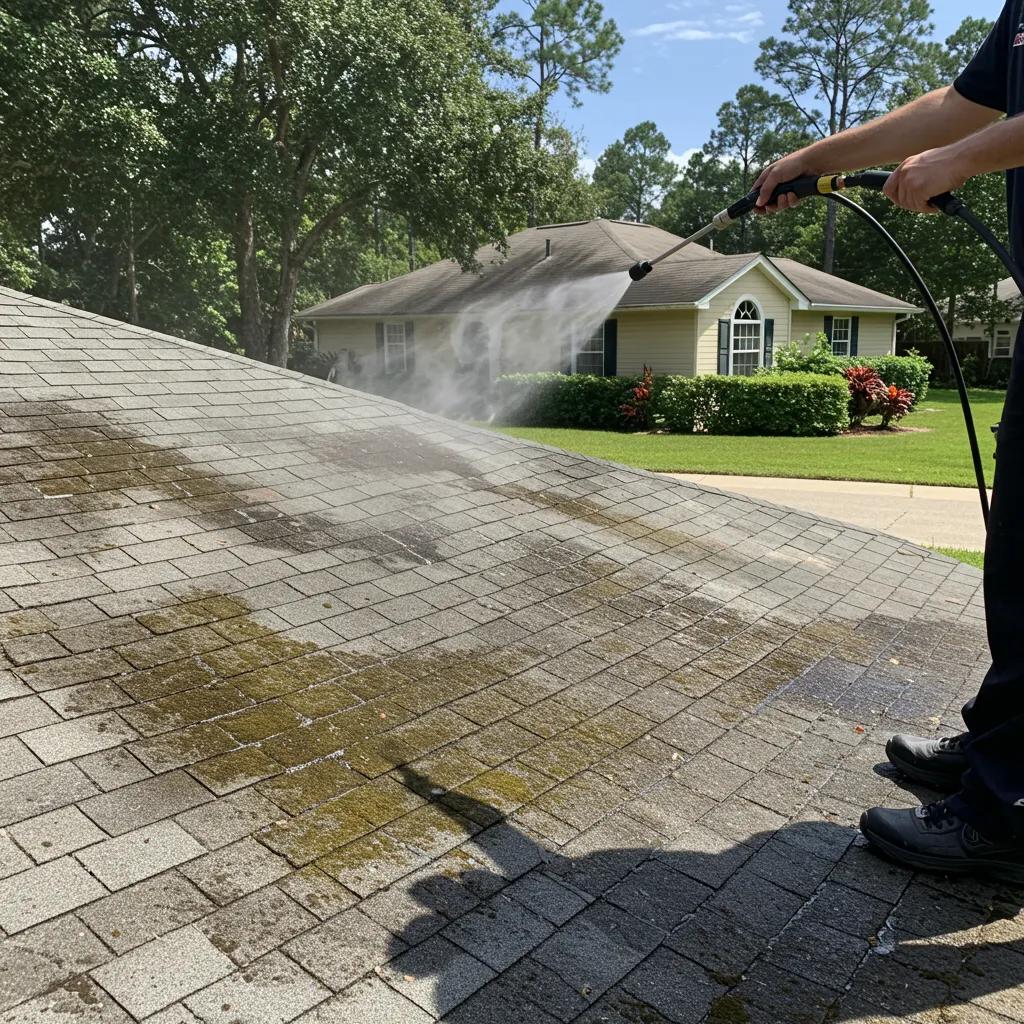
Soft wash roof cleaning is a method that relies on biodegradable detergents and low-pressure application to chemically kill and remove biological growth while preserving shingle granules and tile coatings. The mechanism combines a biocide or surfactant to break cellular adhesion with a controlled dwell time so contaminants release without mechanical abrasion. This approach is particularly valuable in Citrus County where high humidity and frequent rainfall accelerate algae and moss regrowth on shaded roofs. By choosing chemical efficacy over brute force, soft washing reduces the risk of granule loss, tile fracture, or metal surface abrasion that high-pressure washing can cause.
Soft washing offers several practical advantages for local homeowners:
- Safety for roofing materials: Low pressure avoids stripping granules from asphalt shingles. apexroofingsolution.net
- Effective biological control: Detergents and algaecides break down organic growth at the root. gosoftwash.com
- Environmentally mindful: Biodegradable cleaning agents reduce harmful runoff when managed properly. oconnorroofingbuffalo.com
- Manufacturer alignment: Chemical soft wash protocols follow many shingle manufacturer recommendations to protect warranties. en.wikipedia.org
These advantages set up the next topic of how technicians adapt soft wash protocols for different roof materials and how that differs from traditional pressure washing.
How Does Soft Washing Protect Different Roof Types Like Shingles and Tiles?
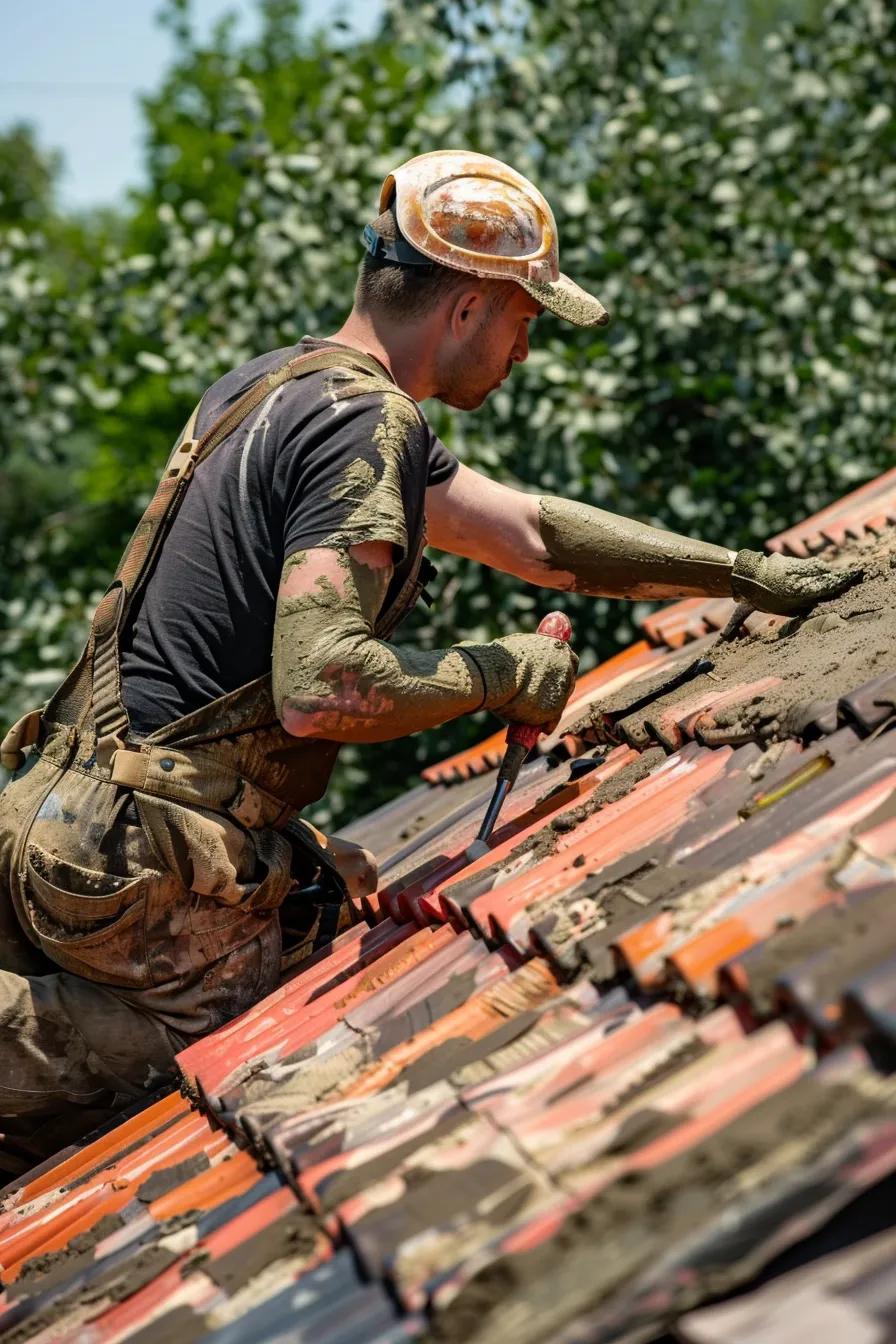
Soft washing protects common roof materials by adjusting chemical concentration, dwell time, and application angle to match material fragility and finish. For asphalt shingles technicians minimize agitation and use lower detergent concentrations to prevent granule loss while ensuring biocides penetrate algae colonies on the surface. On tile roofs, soft wash avoids mechanical scrubbing that can chip or displace tiles; instead, it relies on longer dwell time and targeted rinse to remove moss and lichen. For metal roofs, soft wash focuses on gentle chemistry that cleans oxidation and organic staining without accelerating corrosion, while technicians take care to neutralize and rinse to protect flashings and fasteners.
Adapting each protocol to the substrate reduces the risk of incidental damage and preserves manufacturer guidance, which often recommends chemical cleaning over high-pressure methods. Understanding these material-specific steps leads into a clear comparison between soft washing and pressurized approaches.
What Are the Key Differences Between Soft Washing and Pressure Washing?
Soft washing and pressure washing differ primarily in mechanism: soft wash uses chemistry and low pressure to remove biological growth, while pressure washing relies on kinetic force to blast away contaminants. Pressure washing can remove stubborn stains quickly from hard surfaces but risks damaging asphalt shingle granules, breaking clay or concrete tiles, and forcing water under shingles to cause leaks. Soft washing is slower but safer for delicate roof systems because the surfactant and biocide combination breaks down staining agents and root structures without mechanical abrasion. Choosing between them depends on surface suitability and long-term preservation goals rather than immediate visual speed.
Recognizing these contrasts clarifies why soft washing is the recommended method for many Citrus County roofs and leads into how the chemistry actually removes algae, moss, and lichen.
For homeowners who want a local, professional soft-wash option, White Diamond Pressure Washing offers a gentle, manufacturer-aligned soft-wash system using eco-friendly biodegradable detergents and localized application protocols tailored to Citrus County roofs. Their approach emphasizes safety for shingles and tiles, careful runoff management near landscaping, and customer satisfaction through transparent scheduling. If you prefer an on-site estimate or to review service options, White Diamond’s user-friendly online booking and quote flow makes requesting a visit straightforward and convenient without requiring specialist coordination. This local expertise and focus on eco-friendly agents supports the technical recommendations outlined below.
How Does Soft Wash Roof Cleaning Remove Algae, Moss, and Other Contaminants?
Soft wash roof cleaning removes biological contaminants through a sequence of chemical actions: targeted biocides disrupt cellular integrity, surfactants reduce surface tension to lift organic material, and dwell time allows the solution to penetrate root structures. The mechanism begins when surfactants wet and loosen biological films, enabling biocides to reach the organism’s living tissue; after adequate dwell time the technician rinses or neutralizes the chemistry so the residues drain safely. This chemical-first approach prevents mechanical damage that can occur with high-pressure methods and provides longer-term inhibition of regrowth when properly applied. Understanding this chemical sequence is essential for homeowners who want safe, effective algae treatment for Florida roofs.
Soft washing also integrates preventive measures that slow recolonization, such as targeted zinc or copper treatments near ridge lines (where allowed) and clearing shaded debris that fosters moisture retention. The following process list explains typical professional application steps and supports HowTo schema for on-site execution and safety.
- Assessment and preparation: Inspect roof material, slope, and contamination level and protect landscaping and HVAC intakes.
- Pre-treatment and masking: Cover vulnerable plants and equipment and apply pre-wash rinses where needed.
- Soft wash application: Apply biodegradable detergent and biocide at manufacturer-recommended concentrations and allow proper dwell time.
- Rinse and final inspection: Rinse or neutralize per product guidance and inspect for residuals or spots requiring spot treatment.
The numbered process clarifies technician actions and supports a homeowner’s expectation for an on-site estimate that includes surface assessment and a tailored chemical plan.
Different contaminants impact roof health in different ways; the table below compares algae, moss, and lichen to clarify expected remediation outcomes and preventive timelines.
What Eco-Friendly Cleaning Agents Are Used in Soft Wash Roof Cleaning?
Eco-friendly soft wash agents typically include biodegradable surfactants, oxygen-based cleaners, and regulated algaecides formulated to minimize environmental impact when applied with proper runoff controls. These agents work by emulsifying organic matter and then chemically neutralizing live colonies; manufacturers provide dilution and dwell-time guidance to balance efficacy and safety. Proper application includes pre-wetting plants, covering sensitive landscaping, and using low-volume runoff containment or diversion to protect soil and waterways. Technicians trained in local regulations and in Citrus County environmental concerns will choose agents that meet both performance and environmental criteria.
Selecting the right product also depends on roof material and contamination type, which determines dilution ratios and required neutralization steps. Awareness of these distinctions leads directly into why removing these organisms extends roof lifespan and reduces repair needs.
How Does Removing Algae and Moss Extend Your Roof’s Lifespan?
Removing algae and moss increases roof longevity by reducing moisture retention, stopping biological degradation of surface coatings, and preventing premature granular loss on shingles. Algae darkening increases heat absorption and can accelerate binder breakdown in asphalt shingles, while moss holds water against surfaces and can lift tiles or shingles, increasing leak risk. By eliminating live growth and applying preventive measures, soft wash treatments reduce these damage pathways and delay the need for costly repairs or full roof replacement. Industry experience indicates that regular, manufacturer-aligned cleaning can extend the functional life of many roof systems, though exact extension varies by material and local exposure.
Understanding the longevity benefit frames the next practical consideration for homeowners: how much professional roof cleaning will cost in Citrus County and what factors most influence price.
What Are the Typical Costs and Pricing Factors for Professional Roof Cleaning in Citrus County?
Typical professional soft wash roof cleaning pricing in Citrus County depends on roof size, material, slope/complexity, contamination level, and accessibility, and ranges reflect these combined factors. Homeowners should expect quotes that account for crew time, chemical costs, protective measures for landscaping, and any necessary safety equipment for steep or multi-level roofs. Local providers often present sample price bands during quote requests, and transparent providers explain how each factor influences the final figure. Knowing these drivers helps property owners compare estimates and anticipate additional fees for complex jobs.
Primary cost drivers include:
- Roof square footage and slope: Larger or steeper roofs increase labor and time.
- Roof material: Fragile tiles or specialty metal finishes require tailored protocols.
- Contamination severity: Heavy moss or multiple organisms increase treatment time and possible repeat visits.
- Access and safety needs: Tall or obstructed roofs require extra equipment and time.
Understanding these factors is easier with a compact EAV-style comparison of typical influences and rough price impacts for local budgets.
Pricing factors are summarized below to show how attributes translate into price influence for Citrus County jobs.
White Diamond Pressure Washing provides transparent local quotes and a user-friendly online booking flow that outlines sample price ranges and available maintenance packages for residential and commercial clients. Their local packages may include seasonal maintenance discounts or bundled exterior services for Citrus County properties, and their estimates explain how roof attributes influence price. For homeowners seeking a tailored on-site estimate, requesting a visit yields a line-item quote that clarifies crew time, chemical needs, and any recommended follow-up visits to maintain results.
How Does Roof Size, Material, and Condition Affect Cleaning Costs?
Roof size determines baseline labor and material requirements, so square footage typically forms the core of any estimate and scales costs proportionally. Material affects both technique and chemistry—tile roofs often need gentler handling and longer dwell times, while asphalt shingles require methods that preserve granules, and metal roofs need products that avoid oxidation acceleration. Condition and contamination severity also change cost, because heavy moss or embedded lichen can require repeat applications or additional manual removal. Accessibility—such as multi-level gutters, skylights, or landscaping obstructions—adds time and safety measures, further influencing price.
Knowing these influences helps homeowners prioritize necessary preparatory work and compare quotes by matching scope to value, which leads into available package options and discounts in the local market.
Are There Affordable Packages or Discounts for Residential and Commercial Clients?
Many local providers offer maintenance programs that bundle an initial deep clean with scheduled follow-ups at reduced rates to slow regrowth and reduce long-term expense. Packages typically range from one-time cleaning to annual or biennial maintenance contracts and may include add-on services such as gutter cleaning or soft washing of complementary exterior surfaces. Discounts for HOA contracts or multi-property commercial programs are common and provide cost efficiencies through repeat scheduling and predictable workloads. Asking for a written package price during the quote stage makes it easier to evaluate lifetime maintenance costs versus one-off cleanings.
Clear package descriptions and scheduling options reduce surprises and empower customers to select a plan matched to roof material, exposure, and budget.
Which Roof Types Can Benefit Most from Soft Wash Cleaning in Florida’s Climate?
Soft washing benefits a wide range of roof types in Florida’s humid climate because it targets biological growth without mechanical damage. Asphalt shingles often show black streaks from algae and benefit from controlled chemical applications that preserve granules. Clay or concrete tile roofs can accumulate moss and lichen that lift tiles; soft wash removes growth without chipping fragile edges when applied by trained technicians. Metal roofs accumulate oxidation and organic staining; soft wash provides a gentle method to clean surfaces and protect paint or coatings. The method’s adaptability to material and local environmental stressors makes it broadly useful for Florida homeowners seeking long-term preservation.
To clarify material-specific recommendations, the table below compares adaptation, common issues, and recommended protections for typical Florida roof types.
How Is Soft Washing Adapted for Asphalt Shingles, Tile Roofs, and Metal Roofs?
Technicians adapt soft-wash protocols by varying chemical concentration, dwell time, and application technique according to substrate sensitivity. For asphalt shingles the focus is on short dwell times and minimal mechanical action to avoid granule loss, while tile roofs benefit from longer dwell times to penetrate moss roots without scrubbing. Metal roofs need neutralizing rinses and attention to seams and fasteners to prevent trapped residues and accelerated corrosion. In all cases, following manufacturer guidance and testing a small area first reduces risk and preserves roof warranties.
These adaptations naturally lead to the next concern homeowners have: protecting landscaping and property during the cleaning operation.
What Precautions Are Taken to Protect Landscaping and Property During Cleaning?
Protecting landscaping and property involves a mix of chemical choice, physical shielding, and runoff management to safeguard plants, outdoor equipment, and neighboring properties. Technicians pre-wet and cover sensitive plantings, divert runoff away from delicate beds, and mask HVAC intakes and electrical components before applying solutions. Using biodegradable detergents and containing or diluting runoff minimizes ecological impact in Citrus County’s fragile coastal and residential landscapes. A homeowner preparation checklist that clears gutters, trims overhanging branches, and moves potted plants simplifies protection and enhances cleaning effectiveness.
Implementing these precautions protects both property and the local environment and connects directly to how often roofs should be cleaned to maintain optimal health.
How Often Should You Schedule Roof Cleaning to Maintain Optimal Roof Health in Citrus County?
In Citrus County’s humid subtropical climate, a practical roof cleaning frequency is generally every 1–3 years depending on exposure, shading, and material, with more frequent attention for roofs under heavy tree cover. Regular cleaning prevents the compounding effects of biological growth—moisture retention, surface degradation, and aesthetic decline—by interrupting colonization cycles before they damage substrates. Scheduling frequency should account for roof material and local exposure: asphalt shingles in full sun may need less frequent cleaning than shaded tile roofs prone to moss. Establishing a maintenance rhythm tailored to your property reduces long-term repair costs and maintains curb appeal.
The recommended interval depends on observable signs and preventive goals, which are summarized in the next homeowner checklist of signs that indicate professional cleaning is needed.
- Black streaks or widespread discoloration: Visible algae growth across roof surfaces.
- Moss patches or lifting tiles: Areas where vegetation retains moisture and lifts roofing elements.
- Excessive debris and clogged gutters: Organic buildup that promotes growth and water pooling.
- Increased interior moisture or higher energy bills: Symptoms that suggest reduced roof performance.
Recognizing these signs early helps prioritize service timing and prevents minor issues from becoming structural problems, which we examine next in terms of repair prevention and ROI.
What Are the Signs That Your Roof Needs Professional Cleaning?
Visible biological growth, persistent black streaks, moss mats in valleys or shadowed sections, and ongoing clogging of gutters are clear indicators that professional cleaning is needed to avoid escalation. Functional signs, such as recurring water backups, interior staining, or noticeable energy inefficiency, suggest moisture retention that cleaning can address. Early professional intervention can remove active colonies before they undermine shingles or tiles and before repeated freeze/thaw or thermal cycling accelerates damage. Monitoring these signs and documenting progression makes it easier to compare pre- and post-service condition during any follow-up inspections.
Timely cleaning based on these signs contributes directly to preventing expensive repairs and lengthening roof life.
How Does Regular Cleaning Prevent Costly Roof Repairs and Premature Replacement?
Regular soft wash maintenance interrupts biological damage pathways that lead to rot, granule loss, and tile displacement, thereby reducing the frequency of patch repairs and delaying full replacement. By removing moisture-holding growth and cleaning debris that traps humidity, soft washing lowers the cumulative stress on roofing materials and fastening systems. Over a multi-year horizon, scheduled cleaning often represents a fraction of replacement cost and can delay capital expenditure by years, depending on material and exposure. Quantifying ROI requires comparing local quote packages and expected lifespan benefits, but the preventive value of soft wash is consistent across typical Citrus County scenarios.
Tracking maintenance schedules and condition reports supports measurable decisions about when to invest in repairs versus continued maintenance.
What Do Local Customers Say About White Diamond Pressure Washing’s Soft Wash Roof Cleaning?
Local customers in Citrus County and Homosassa commonly emphasize results that balance visual improvement with careful on-site practices, and White Diamond Pressure Washing positions its soft-wash offering around that balance. The company highlights a gentle, effective soft-wash system and eco-friendly biodegradable detergents designed to protect landscaping and maximize cleaning longevity. White Diamond’s local expertise and attention to customer satisfaction are reflected in available case studies and before-and-after galleries that document measurable algae and moss removal on regional roof types. Readers who want to evaluate real project outcomes are encouraged to review those galleries and consult customer feedback channels for third-party verification.
To convert interest into action, White Diamond provides a streamlined quote and booking flow through its website and encourages potential clients to request on-site estimates that quantify cleaning scope, required protections, and recommended maintenance intervals. Reviews on the company’s public profile and before-and-after images illustrate typical outcomes for Homosassa and Citrus County properties, and scheduling a visit yields a written estimate that clarifies recommended follow-up and warranty considerations. This local social proof and straightforward booking process help homeowners move from evaluation to service with clear expectations.
Can You See Before-and-After Examples of Roof Cleaning Projects in Homosassa?
Before-and-after imagery and concise project summaries help homeowners evaluate expected results for local roof types and contamination levels, and many providers document these examples for transparency. For Homosassa projects, imagery that highlights algae removal, restored roof aesthetics, and intact shingles or tiles provides confidence that soft washing achieves both visual and protective outcomes. Captioned examples that note roof material, pre-cleaning condition, and the post-cleaning maintenance recommendation offer practical context for homeowners comparing estimates. Viewing such galleries helps set realistic expectations about dwell-time effects and the timing of visible improvement after treatment.
Examining local project images and descriptions is a logical next step before scheduling an on-site estimate that confirms applicability to your roof.
How Does White Diamond Ensure Customer Satisfaction and Convenient Booking?
White Diamond emphasizes convenient online scheduling and clear written estimates to streamline customer engagement while ensuring technicians perform an initial assessment before finalizing scope. Their workflow typically includes a roof inspection, a tailored treatment plan that specifies chemical types and protection measures, and a post-service inspection to confirm results and answer homeowner questions. Follow-up guidance and maintenance scheduling options are provided to help customers maintain results and plan future cleanings. This organized process supports transparency, reduces surprises, and aligns service outcomes with homeowner expectations, making it easier to transition from inquiry to a scheduled appointment.
Please request an on-site estimate to receive a tailored plan and transparent pricing that matches the specific attributes of your roof and landscape.
Frequently Asked Questions
1. What is the ideal frequency for soft wash roof cleaning in Citrus County?
In Citrus County’s humid climate, it’s recommended to schedule soft wash roof cleaning every 1 to 3 years. This frequency can vary based on factors such as roof exposure, shading from trees, and the type of roofing material. Regular cleaning helps prevent the buildup of algae, moss, and other biological growth that can damage roofing materials over time. Homeowners with roofs under heavy tree cover may need more frequent cleanings to maintain optimal roof health and curb appeal.
2. How can homeowners prepare their property for a soft wash roof cleaning?
Homeowners can take several steps to prepare for a soft wash roof cleaning. First, clear gutters and trim overhanging branches to facilitate access. Next, move potted plants and cover sensitive landscaping to protect them from runoff. Additionally, ensure that outdoor equipment and HVAC units are shielded from potential overspray. These preparations help technicians perform the cleaning more effectively while minimizing the risk of damage to your property.
3. Are there specific environmental regulations for roof cleaning in Citrus County?
Yes, Citrus County has specific environmental regulations that govern the use of cleaning agents and runoff management during roof cleaning. Technicians are required to use biodegradable detergents and implement measures to contain or divert runoff to protect local waterways and ecosystems. Homeowners should inquire about the cleaning products used and the technician’s adherence to local regulations to ensure environmentally responsible practices are followed during the cleaning process.
4. What are the long-term benefits of regular soft wash roof cleaning?
Regular soft wash roof cleaning offers several long-term benefits, including extended roof lifespan, reduced repair costs, and improved energy efficiency. By removing biological growth and debris, homeowners can prevent moisture retention that leads to granule loss and structural damage. This proactive maintenance approach not only enhances the aesthetic appeal of the roof but also helps maintain its functionality, ultimately saving homeowners money on costly repairs or premature replacements.
5. How do I choose the right professional for soft wash roof cleaning?
When selecting a professional for soft wash roof cleaning, consider their experience, customer reviews, and adherence to safety and environmental standards. Look for companies that provide transparent pricing, detailed service descriptions, and a clear process for protecting your property during cleaning. Additionally, ask for references or examples of previous work to gauge their effectiveness. A reputable provider will be willing to answer your questions and offer a tailored plan based on your specific roof type and condition.
6. What should I expect during a soft wash roof cleaning service?
During a soft wash roof cleaning service, you can expect a thorough assessment of your roof’s condition, followed by the application of biodegradable cleaning agents. Technicians will take precautions to protect your landscaping and property, including pre-wetting plants and diverting runoff. After allowing the cleaning solution to dwell for the recommended time, they will rinse the roof and conduct a final inspection to ensure all contaminants are removed. You will receive feedback on the results and recommendations for future maintenance.
7. Can soft washing be used on all types of roofs?
Soft washing is suitable for a variety of roof types, including asphalt shingles, clay tiles, and metal roofs. Each material requires specific adaptations in terms of chemical concentration and application technique to prevent damage. For instance, asphalt shingles benefit from low-pressure applications to avoid granule loss, while tile roofs require longer dwell times to effectively remove moss without chipping. Consulting with a professional ensures that the soft wash method is tailored to your roof’s unique needs.
Conclusion
Soft wash roof cleaning offers a safe and effective solution for maintaining the longevity of your roofing materials while enhancing curb appeal. By utilizing biodegradable detergents and low-pressure techniques, homeowners can protect their investments from costly repairs and premature replacements. Regular maintenance not only prevents biological growth but also ensures that your roof remains in optimal condition for years to come. Schedule your on-site estimate today to discover how our tailored soft wash services can benefit your home.