

How Often Should You Schedule Roof Cleaning to Keep Your Roof in Top Shape?
Your roof protects your home — and a little care goes a long way. Regular roof cleaning keeps shingles and other materials in better condition, improves curb appeal, and stops problems like algae, moss, and clogged gutters before they become expensive repairs.
This guide explains how often you should schedule professional roof cleaning and why it matters. We’ll walk you through recommended intervals, the signs that your roof needs attention, the best seasons to book a service, the benefits of regular maintenance, and why hiring pros is usually the safest, most effective choice.
How Often Should You Schedule Roof Cleaning for Proper Maintenance?
There’s no single answer — frequency depends on your climate, nearby vegetation, and the roofing material. As a general rule, plan a professional cleaning every 1 to 3 years to keep your roof healthy. Regular cleanings reduce buildup from moss, algae, and debris that can shorten a roof’s life if ignored.
Sticking to a routine cleaning schedule is one of the simplest ways to avoid gradual damage and protect your roof’s performance.
Roof Cleaning Schedules for Degradation Mitigation
A planned cleaning schedule helps limit long-term degradation and supports the performance of cool-roof systems.
Impact of solar reflectance attenuation and roof cleaning on a cool roof: assessing return on investment for facility management, 2017
How Do Citrus County’s Climate and Local Conditions Change the Schedule?
Citrus County’s humid subtropical weather encourages algae and moss growth. Because of that, many homeowners here find annual to biennial cleanings (every 1 to 2 years) keep their roofs looking and performing their best. Spring and fall are often the most practical times, after seasonal debris and before extreme summer heat or winter storms.
Does Your Roof Material Matter for Cleaning Frequency?
Yes. Different materials age and attract organic growth differently. Asphalt shingles are more prone to algae and may need more frequent attention than metal or tile roofs. A professional inspection will tell you the right schedule for your roof type and help you avoid unnecessary work or accidental damage.
How Can You Tell When Your Roof Needs Cleaning?
Knowing the warning signs helps you act before small issues become big. Watch for these common indicators:
- Dark streaks or staining: These streaks usually come from algae and indicate that cleaning is due.
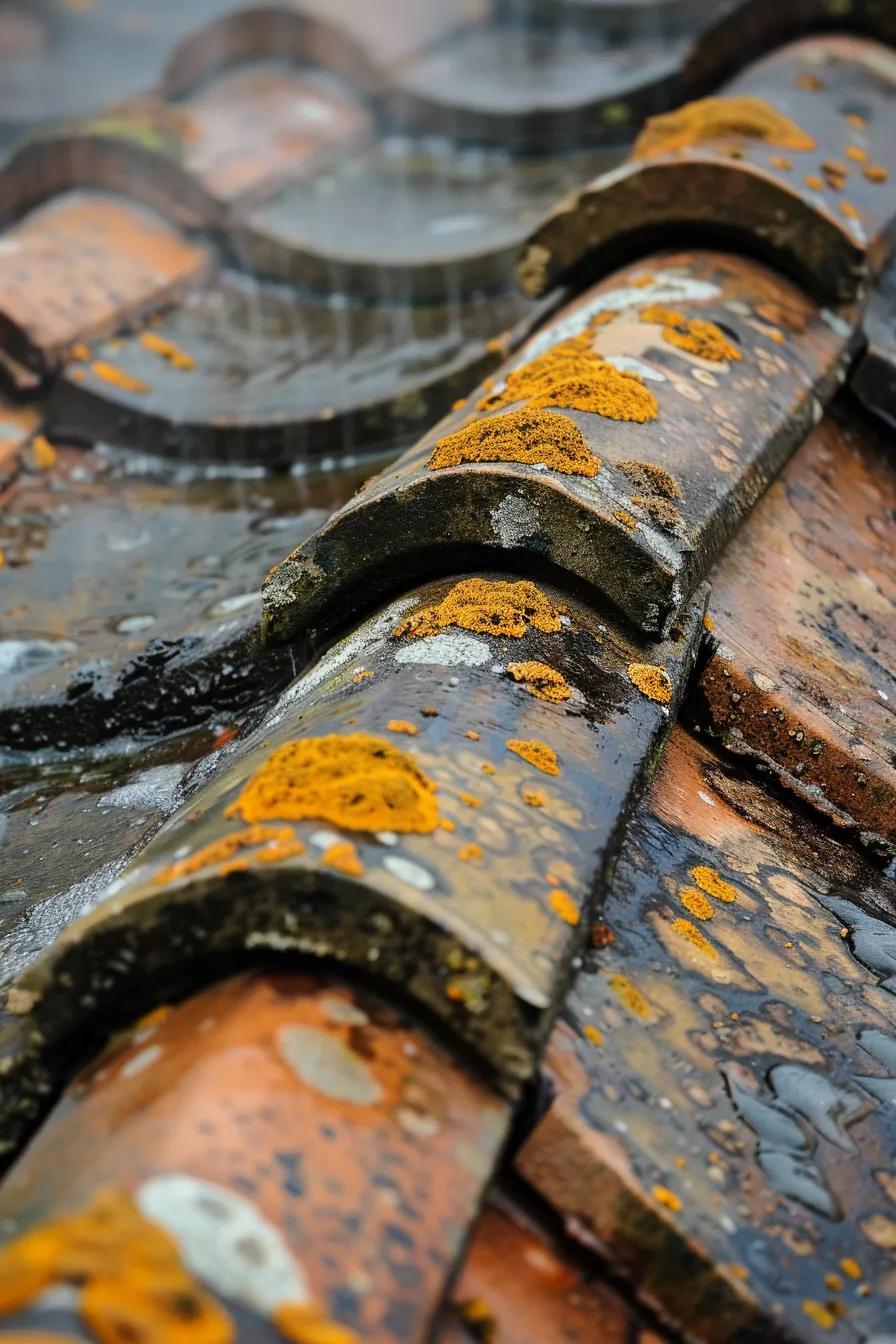
- Moss and lichen: These organisms hold moisture against the roof and can accelerate wear.
- Debris buildup: Leaves, needles, and branches can block water flow and damage gutters and shingles.
What Causes Dark Streaks and Why Should You Care?
Dark streaks often come from an algae called Gloeocapsa magma. It thrives in humid areas and can weaken roofing materials over time. Professional cleaning removes the stains and helps stop future growth, protecting your shingles and extending their life.
Research confirms that local environmental conditions strongly influence algae and stain development on building surfaces.
Algae Impact on Building Aesthetics & Durability
Algal growth can harm both the look and durability of exterior building materials wherever humidity, warmth, and light create suitable conditions. Water — from rain, ground moisture, humidity, or condensation — plays a key role, and how easily a material is colonized depends on its properties.
Algal growth on external building envelope, E Di Giuseppe, 2013
How Do Moss, Lichen, and Debris Affect Roof Health?
Moss and lichen trap moisture against roof surfaces, which can lead to rot and faster deterioration. Debris can clog gutters and downspouts, causing water to back up and pool. Regular cleaning removes these threats and helps your roof shed water as designed.
When’s the Best Time of Year to Book Roof Cleaning in Citrus County?
Timing matters. In Citrus County, spring and fall are usually the best windows for roof cleaning.
Why Spring and Fall Work Best
Moderate temperatures and lower humidity during spring and fall make cleaning solutions more effective and reduce stress on roofing materials. These seasons are also convenient for clearing winter or summer debris and prepping your roof for harsher weather.
How Do Weather and Temperature Affect Cleaning Results?
Cleaning works best in mild weather — roughly 50°F to 80°F. Very hot days can cause cleaning solutions to evaporate too quickly; heavy rain or very humid conditions can reduce effectiveness. A reputable pro will schedule work for ideal conditions whenever possible.
What Are the Main Benefits of Regular Roof Maintenance and Cleaning?
Keeping your roof clean does more than make it look better. The payoff includes:
- Longer roof life: Removing damaging growth and debris prevents premature wear.
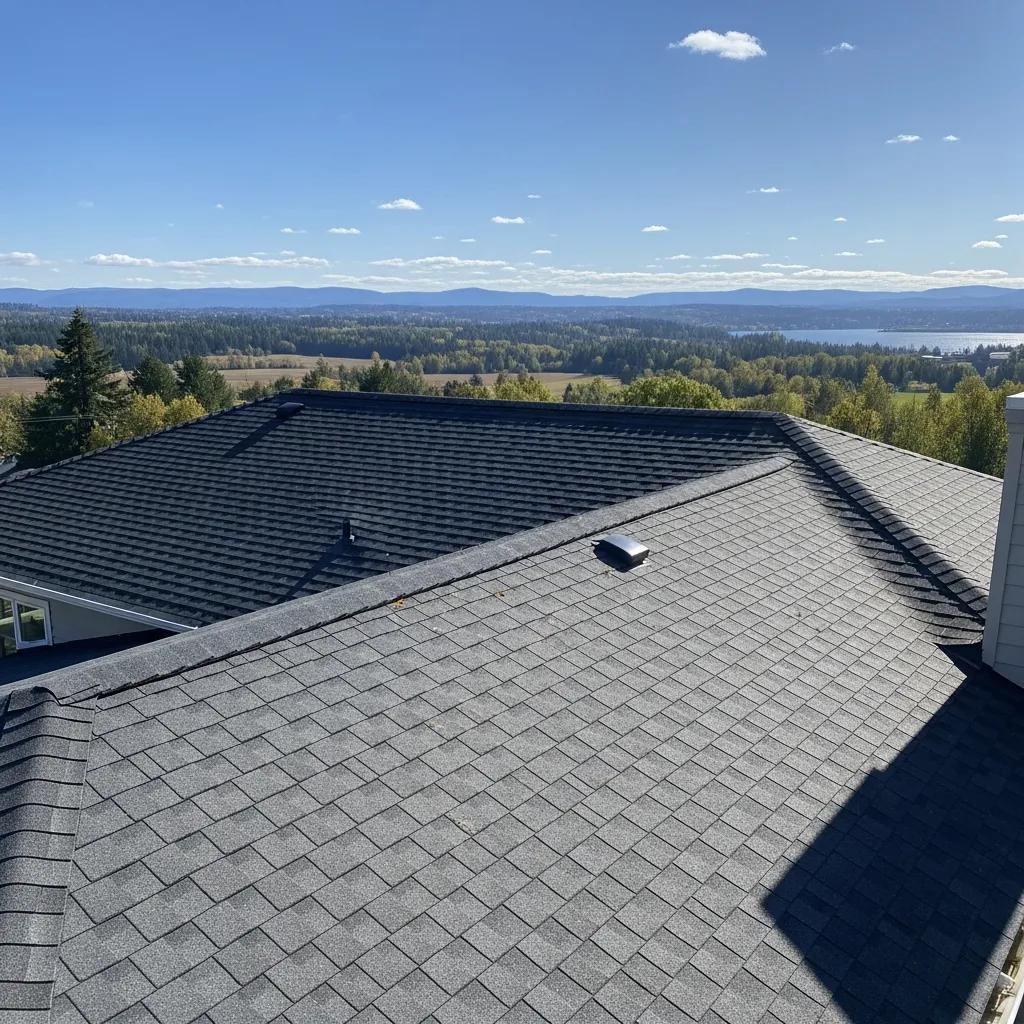
- Better curb appeal: A clean roof improves your home’s appearance and can raise resale value.
- Health and comfort: Less mold and mildew near your roof lowers the chance of indoor air issues.
How Does Cleaning Extend Roof Lifespan?
Cleaning removes algae, moss, and organic matter that hold moisture and break down roofing materials. By preventing that build-up, you reduce the chance of rot, missing granules, and other problems that lead to costly repairs or early replacement.
How Does a Clean Roof Help Property Value?
A well-maintained roof makes a strong first impression. Buyers notice clean roofing and gutters — it signals overall care and can help your home stand out on the market.
Why Choose Professional Roof Cleaning Instead of DIY?
While homeowners sometimes try DIY cleaning, professional services offer important advantages you should consider.
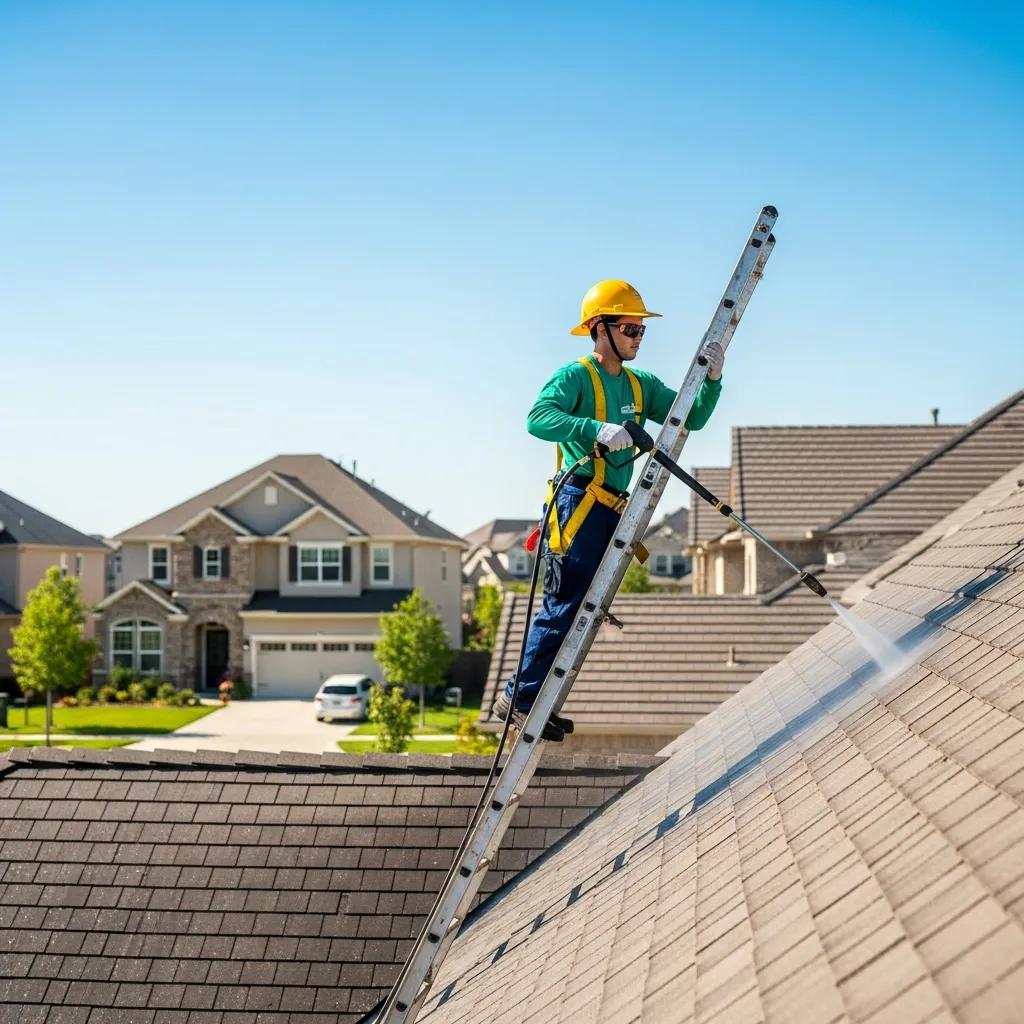
- Safety and training: Professionals are trained to work safely at height and avoid slips, falls, or accidental damage.
- Proven techniques: Experts use methods like soft washing that remove growth without harming shingles or flashing.
- Convenience: Letting pros handle the job saves time and gives you consistent, reliable results.
What Risks Come With DIY Roof Cleaning?
DIY cleaning can lead to injuries from falls, damage from improper pressure, and ineffective results if the wrong cleaners or techniques are used. Without the right gear and experience, DIY attempts can end up costing more in repairs.
How Does White Diamond Pressure Washing’s Soft Washing Protect Your Roof?
We use a soft washing approach that relies on low pressure and manufacturer-approved cleaning agents. That combination clears algae and stains while protecting shingles, tiles, and roof coatings — delivering a thorough clean with minimal risk.
How Do You Schedule and Prepare for Professional Roof Cleaning?
Booking professional roof cleaning services is simple and tailored to your schedule.
What Scheduling Options Are Available for Citrus County Customers?
We offer flexible appointments to fit your week — one-time cleanings, seasonal maintenance, or recurring plans. Tell us what works best and we’ll coordinate a date that avoids bad weather and protects your roof.
How Do I Request a Free Quote and Book a Cleaning?
Requesting a free quote is easy: reach out through our website or call us. We’ll review your roof, explain the recommended approach, and provide a clear estimate so you can decide with confidence.
Frequently Asked Questions
What can happen if I skip roof cleaning?
Skipping roof cleaning can let algae, moss, and lichen take hold, which traps moisture and accelerates wear. That can lead to leaks, damaged shingles, clogged gutters, and expensive repairs down the road. Regular cleaning helps prevent those problems.
How do I know if the roof cleaning worked?
An effective cleaning will remove dark streaks, reduce visible algae and moss, and restore a more even roof color. You should also see improved water runoff and clearer gutters. If stains or growth remain, ask your provider about follow-up care or targeted treatments.
Are there environmentally friendly cleaning options?
Yes. Many pros use biodegradable cleaners and low-pressure techniques that remove growth without harming plants, pets, or roofing materials. Ask about green options when you get your quote — responsible services will offer them.
What can I do between professional cleanings to keep my roof healthy?
Keep gutters and downspouts clear, remove visible debris from valleys and eaves, and trim overhanging branches to reduce shade and moisture. These simple steps help slow algae and moss growth and extend time between professional cleanings.
What if I find damage after a cleaning?
If you spot damage after a cleaning, contact the company right away. Reputable providers carry insurance and often offer warranties or follow-up inspections. Document any issues with photos and keep your service records handy.
Does roof cleaning impact energy efficiency?
Yes. A cleaner roof reflects sunlight better, which can reduce heat absorption and lower cooling costs in hot months. Removing debris and growth also helps prevent moisture-related insulation problems that hurt energy performance.
Will regular roof cleaning help with insurance claims?
Maintaining your roof can support insurance claims by showing you’ve taken reasonable care of your property. Keep records of cleanings and inspections — they can strengthen your case if you need to file a claim for roof damage.
Conclusion
Regular roof cleaning is a simple, cost-effective way to protect your home. By following a smart schedule, watching for warning signs, and choosing professional care, you’ll extend your roof’s life, preserve curb appeal, and reduce the risk of costly repairs. Ready to protect your roof? Schedule a cleaning and enjoy the peace of mind that comes with a well-maintained home.