

TL;DR:
- A post-cleaning inspection verifies if a property’s cleaning meets quality standards through documented scoring and photos. It involves a structured process with a checklist, corrective actions, and re-verification, ensuring accountability; self-inspections are less reliable due to bias. Maintaining a consistent inspection routine with clear benchmarks helps detect issues early and ensures long-term hygiene standards.
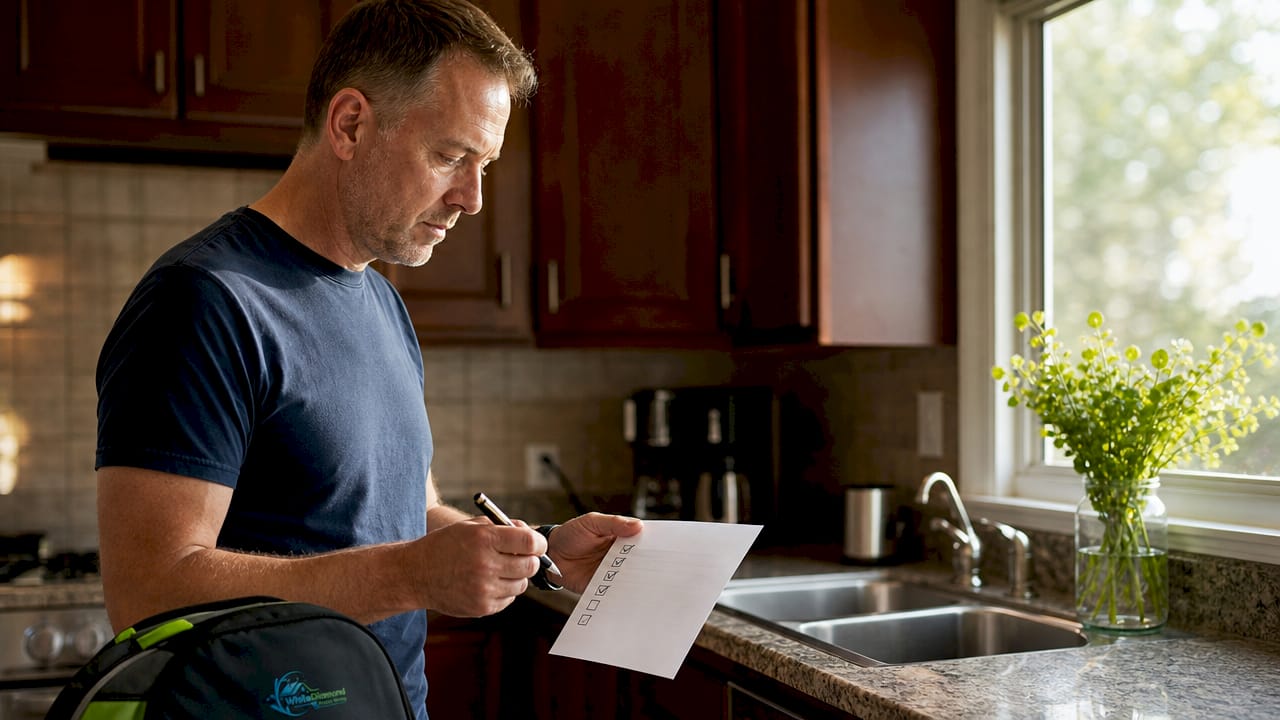
A post-cleaning inspection is a formal, scored evaluation of cleaning work that verifies whether a property meets defined quality standards before occupancy or handover. The industry term for this process is a “cleaning audit,” and it goes far beyond a quick walkthrough. Facilities that run formal audit programs achieve 23% higher occupant satisfaction than those relying on informal checks. That gap exists because a real inspection produces documented proof, not just a verbal thumbs-up. For property owners, residential managers, and anyone hiring a cleaning service, understanding this process is the first step toward protecting your investment.
What does a post-cleaning inspection involve?
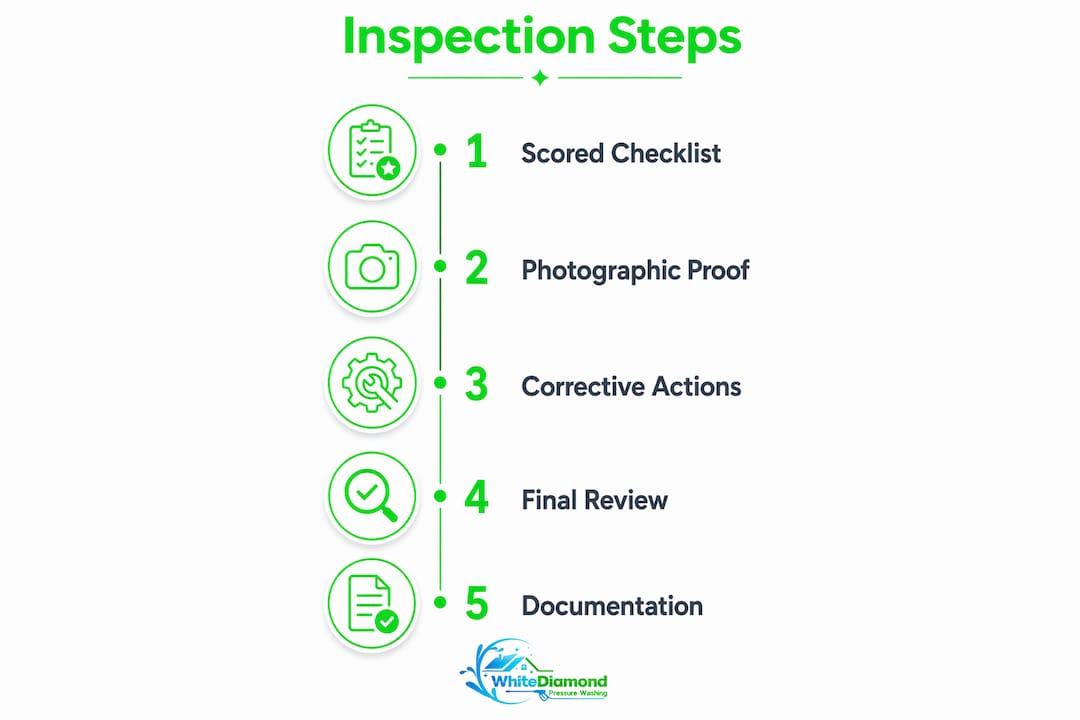
A cleaning audit is a structured, repeatable process with four core components: a scored checklist, photographic documentation, a corrective action log, and a re-verification step. Each component serves a specific purpose, and skipping any one of them weakens the entire system.
The scored checklist
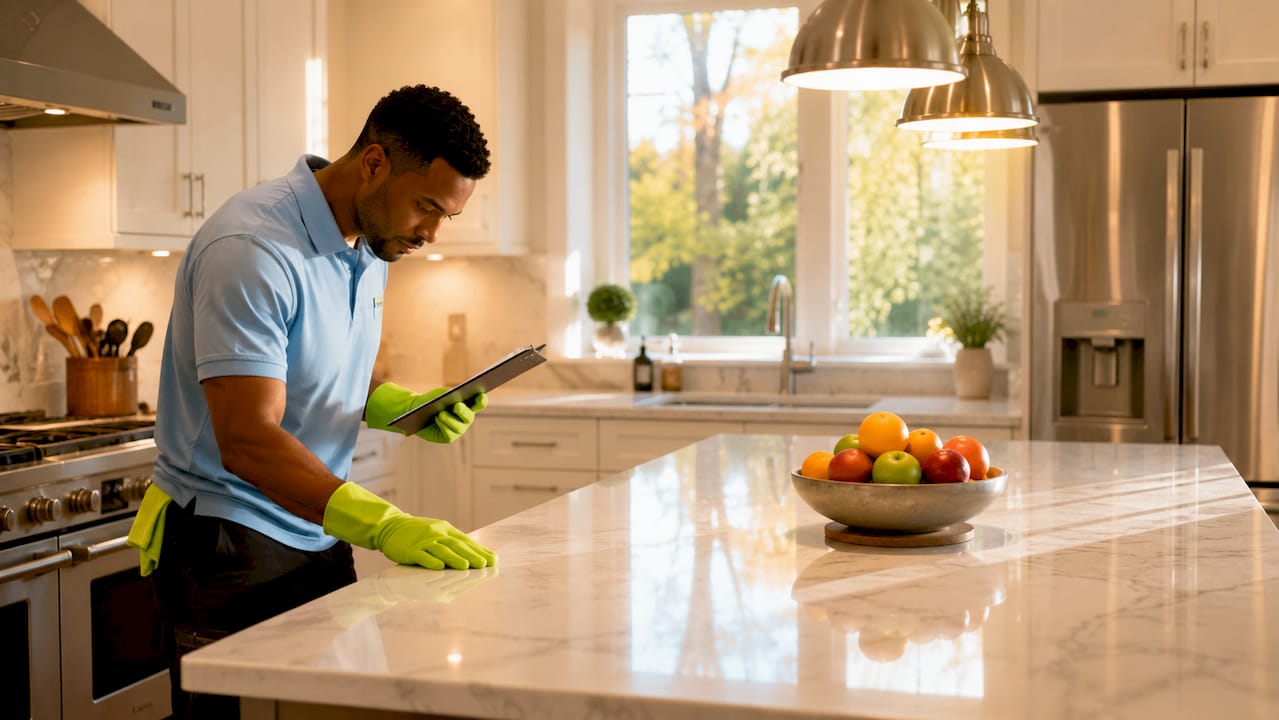
A proper post-cleaning checklist assigns point values to each item, not just a pass or fail mark. High-priority areas like bathroom sanitation carry more weight than low-risk areas like a hallway corner. This weighted scoring methodology means the final score reflects actual hygiene risk, not just the number of items checked. Structured, scored inspections detect hygiene failures three times faster than schedule-only monitoring. Speed of detection matters because a missed issue compounds quickly, especially in rental properties with back-to-back guests.
Photographic documentation
Photos serve as timestamped evidence that a surface was either clean or deficient at a specific moment. Without photos, a dispute between a property owner and a cleaning vendor becomes a “he said, she said” situation with no resolution. Effective audit protocols require deficiency descriptions, photo proof, assigned corrective action, deadlines, and re-verification before closure. Experienced inspectors document deficiencies with timestamped photos and maintain live corrective action logs accessible to both clients and vendors. That transparency is what separates a professional audit from a casual check.
The corrective action process
When an inspection uncovers a deficiency, the process does not stop at noting the problem. The issue gets assigned to a specific person, given a deadline, and then re-checked after the fix is applied. Corrective action logs remain open until issues are resolved with verified completion confirmation. This loop of identify, assign, fix, and verify is what gives the inspection real teeth. Without it, an audit is just measurement without consequences, and long-term quality never improves.
Audit vs. spot check
A spot check is a visual impression. An audit is a documented record. The difference matters legally and operationally. Spot checks without scoring and photos are not audits; they are limited visual impressions that lack accountability. Property managers who rely on spot checks have no paper trail when a tenant complains or a vendor disputes a quality claim.
Here is a quick breakdown of what separates the two:
- Scored checklist: Required in an audit; absent in a spot check
- Photo evidence: Required in an audit; rarely captured in a spot check
- Corrective action tracking: Mandatory in an audit; nonexistent in a spot check
- Re-verification step: Built into an audit; skipped in a spot check
- Accountability record: Produced by an audit; not produced by a spot check
How is a formal inspection different from self-inspection?
Self-inspection is the most common quality control method in residential cleaning, and it is also the least reliable. Cleaners who inspect their own work carry well-documented blind spots. They tend to overlook areas they believe they already cleaned, and their attention naturally drifts toward surfaces they know they touched. Self-inspection is prone to blind spots that directly impact quality standards and occupant satisfaction.
A secondary, independent inspection removes that bias entirely. The inspector has no emotional investment in the work and no assumption about what was done. That independence is what makes the findings credible.
The contrast between informal and formal approaches shows up in four specific ways:
- Objectivity: An independent inspector has no reason to overlook a deficiency; a self-inspecting cleaner does.
- Documentation: A formal audit produces a written record; a verbal “it looks good” produces nothing.
- Benchmarking: Scored reports let you track vendor performance over time; informal impressions do not.
- Dispute resolution: Inspection data provides a live record to protect property managers from compliance risk and occupant complaints.
Pro Tip: Schedule your inspection within two hours of cleaning completion. Surfaces are still in their post-clean state, and any missed areas are easier to identify before dust or foot traffic obscures them.
A professional cleaning audit also applies the ISO 9001 quality management plan-do-check-act cycle, treating cleaning as a managed process with continuous improvement built in. That framework is standard in commercial facilities management and is increasingly adopted by residential property managers who want consistent results across multiple units.
What to check after cleaning: key areas and common issues
A thorough inspection after cleaning follows a room-by-room structure. Post-cleaning checklists cover floors, baseboards, appliances, counters, fixtures, linens, and restocking supplies across all major spaces. The table below maps the most common inspection items and the red flags that signal incomplete or substandard work.
| Area | What to check | Common red flags |
|---|---|---|
| Entryway | Floor, door handles, light switches | Smudges on glass, debris near threshold |
| Kitchen | Counters, appliances, sink, cabinet fronts | Grease residue, water spots on faucet |
| Bathroom | Toilet, sink, mirror, grout, fixtures | Soap scum, streaks on mirror, damp smell |
| Bedroom | Surfaces, baseboards, under bed, linens | Dust on baseboards, hair on floor |
| Living spaces | Upholstery, shelves, windows, floors | Fingerprints on glass, dust on shelves |
High-touch surfaces deserve extra attention in every room. Door handles, light switches, remote controls, and cabinet pulls are touched constantly but cleaned inconsistently. These are the areas most likely to carry bacteria and the areas most likely to be skipped during a rushed clean.
Pro Tip: Use natural light and a touch-check together. Run your hand along counters and shelves, then hold surfaces up to a window. Tactile checks and daytime inspections detect residue and missed spots that artificial light hides.
One detail most property owners miss: critical item overrides. In vacation rental quality assurance, a single failure in a high-priority area like bathroom sanitation causes automatic overall failure regardless of the cumulative score. That rule exists because one unsanitary bathroom can ruin a guest experience even if every other room is spotless. Applying that same logic to residential inspections raises the standard where it matters most.
How to build a post-cleaning inspection routine
Integrating a formal cleaning quality assessment into your property management routine takes four steps. Done consistently, this process turns a one-time check into a repeatable quality system.
-
Set a quality score threshold. Vacation rental management uses a minimum score of 90% for guest-ready clearance. Residential property managers should adopt a similar benchmark. A property that scores below 90% goes back to the cleaning vendor before occupancy.
-
Build your checklist and scoring system. Assign point values based on hygiene risk. Bathrooms and kitchens carry the most weight. Hallways and storage areas carry less. A weighted checklist produces a score that reflects real-world risk, not just item count.
-
Document with photos every time. Take photos of deficiencies and of areas that passed. Both matter. Deficiency photos support corrective action requests. Passing photos protect you if a tenant later claims a surface was dirty on move-in. Learning why documenting cleaning procedures matters will show you how much legal and operational protection this habit provides.
-
Communicate results to your vendor and track corrections. Share the scored report with your cleaning service after every inspection. Set a deadline for corrections. Re-inspect before closing the corrective action log. Over time, this data benchmarks vendor performance and gives you objective grounds to request improvement or change providers.
Frequency matters too. For vacation rentals, inspect after every turnover clean. For long-term rentals, inspect quarterly and at every move-out. For commercial properties, monthly audits are the minimum for maintaining consistent hygiene standards.
Key Takeaways
A post-cleaning inspection is only as effective as the documentation, scoring, and corrective action process behind it.
| Point | Details |
|---|---|
| Formal audits outperform spot checks | Facilities with scored audit programs achieve 23% higher occupant satisfaction than those using informal checks. |
| Four components define a real audit | Scored checklist, photo evidence, corrective action log, and re-verification are all required for accountability. |
| Self-inspection has blind spots | Independent inspections remove bias and produce credible, documented findings that self-checks cannot. |
| 90% is the quality threshold | Vacation rental standards set a 90% minimum score for guest-ready clearance; apply the same benchmark to residential properties. |
| Critical items override total scores | A single failure in a high-priority area like bathroom sanitation causes automatic overall failure, regardless of cumulative score. |
Why I think most property owners underestimate this process
Bobby here. After years of working in exterior cleaning and property maintenance across Citrus County, the pattern I see most often is this: property owners assume that hiring a reputable cleaning service is enough. They trust the vendor, skip the inspection, and only find out something went wrong when a tenant complains or a guest leaves a bad review.
The uncomfortable truth is that even good cleaning crews have bad days. Fatigue, time pressure, and distraction all affect output. A formal inspection is not a sign of distrust. It is a system that protects both the property owner and the cleaning vendor by creating a shared, objective record of what was done.
What I have found actually works is combining a scored checklist with a simple photo log taken immediately after every clean. You do not need expensive software. A shared folder with dated photos and a spreadsheet score is enough to build a performance record over time. That record tells you whether quality is improving, declining, or holding steady, and it gives you something concrete to discuss with your vendor instead of relying on impressions.
The properties I have seen maintain the highest standards are the ones where the owner treats inspection as a non-negotiable step in the cleaning process, not an optional add-on. If you want to know what signs indicate a property needs cleaning, that knowledge pairs directly with post-clean inspection skills to keep your property in top condition year-round.
— Bobby
Whitediamondpressurewashing brings quality assurance to every exterior clean
Whitediamondpressurewashing applies the same documented, accountable approach to exterior cleaning that formal audits bring to interior spaces. Every service includes a thorough assessment of the property before and after cleaning, with attention to surface condition, cleaning method selection, and results verification.

For residential properties and commercial establishments across Citrus County, Whitediamondpressurewashing uses industry-approved soft washing and low-pressure techniques that protect surfaces while delivering measurable results. If you want exterior cleaning backed by real quality standards, visit Whitediamondpressurewashing to request a free estimate and see what a documented, professional clean looks like from start to finish.
FAQ
What is a post-cleaning inspection in simple terms?
A post-cleaning inspection is a scored, documented review of cleaning work that confirms a property meets defined quality standards before anyone occupies it. It includes a checklist, photos, and a corrective action process.
How is a cleaning audit different from a walkthrough?
A cleaning audit produces a scored report with photo evidence and a corrective action log; a walkthrough produces only a visual impression with no documentation or accountability trail.
What areas should I always check after a cleaning service?
Focus on bathrooms, kitchens, high-touch surfaces like door handles and light switches, floors, and baseboards. These areas carry the highest hygiene risk and are most often missed during rushed cleans.
What score should a property reach to be considered clean?
Vacation rental quality assurance standards set a minimum score of 90% for a property to be marked guest-ready after a post-cleaning inspection. Residential managers should apply the same benchmark.
Why is self-inspection by the cleaning crew unreliable?
Cleaners who inspect their own work have documented blind spots and tend to overlook areas they believe they already cleaned. An independent, secondary inspection removes that bias and produces credible findings.