

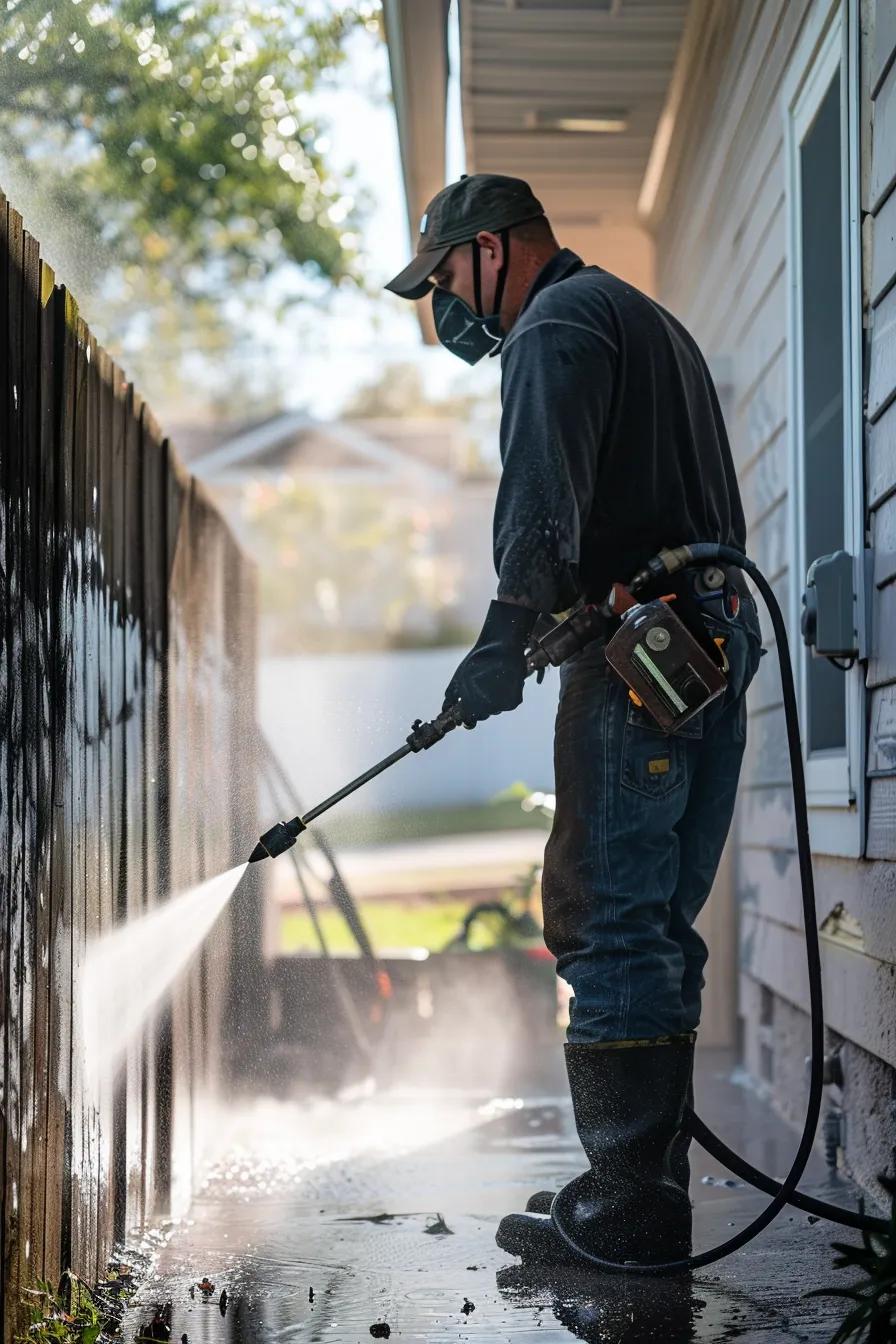
Why Low-Pressure (Soft) House Washing Is Better Than Traditional Pressure Cleaning
Low-pressure house washing—often called soft washing—offers a gentler, more effective way to clean your home than traditional high-pressure methods. Below, we walk through the main advantages: protecting exterior surfaces, boosting curb appeal, and reducing environmental impact. Left unchecked, dirt, mold, and mildew can harm siding, paint, and roofing materials. Soft washing removes those problems without the risk of damage, so your home looks better and lasts longer. We’ll explain how soft washing differs from pressure washing, outline the core benefits, and clear up common misconceptions so you can choose the right approach for your home.
What Is Low-Pressure House Washing and How Does It Differ from Traditional Pressure Washing?
Low-pressure house washing uses a low-pressure water flow combined with specialized cleaning solutions to break down and remove dirt, mold, algae, and mildew. Traditional pressure washing relies on forceful water streams that can strip paint, dent siding, or crack stucco. Soft washing is designed to clean deeply while protecting vulnerable surfaces like vinyl siding, painted wood, and stucco from the wear and tear of high-pressure contact.
What Is Traditional Pressure Washing and Its Risks to Home Surfaces?
Traditional pressure washing uses high-pressure water jets to blast away grime. While that can remove tough, stuck-on debris, it carries real risk: paint can peel, siding can split, and stucco can crack. Even wood siding can splinter under high pressure. For many homeowners, the potential for damage outweighs any short-term cleaning gains.
How Does Soft Washing Use Low Pressure to Protect Your Home?
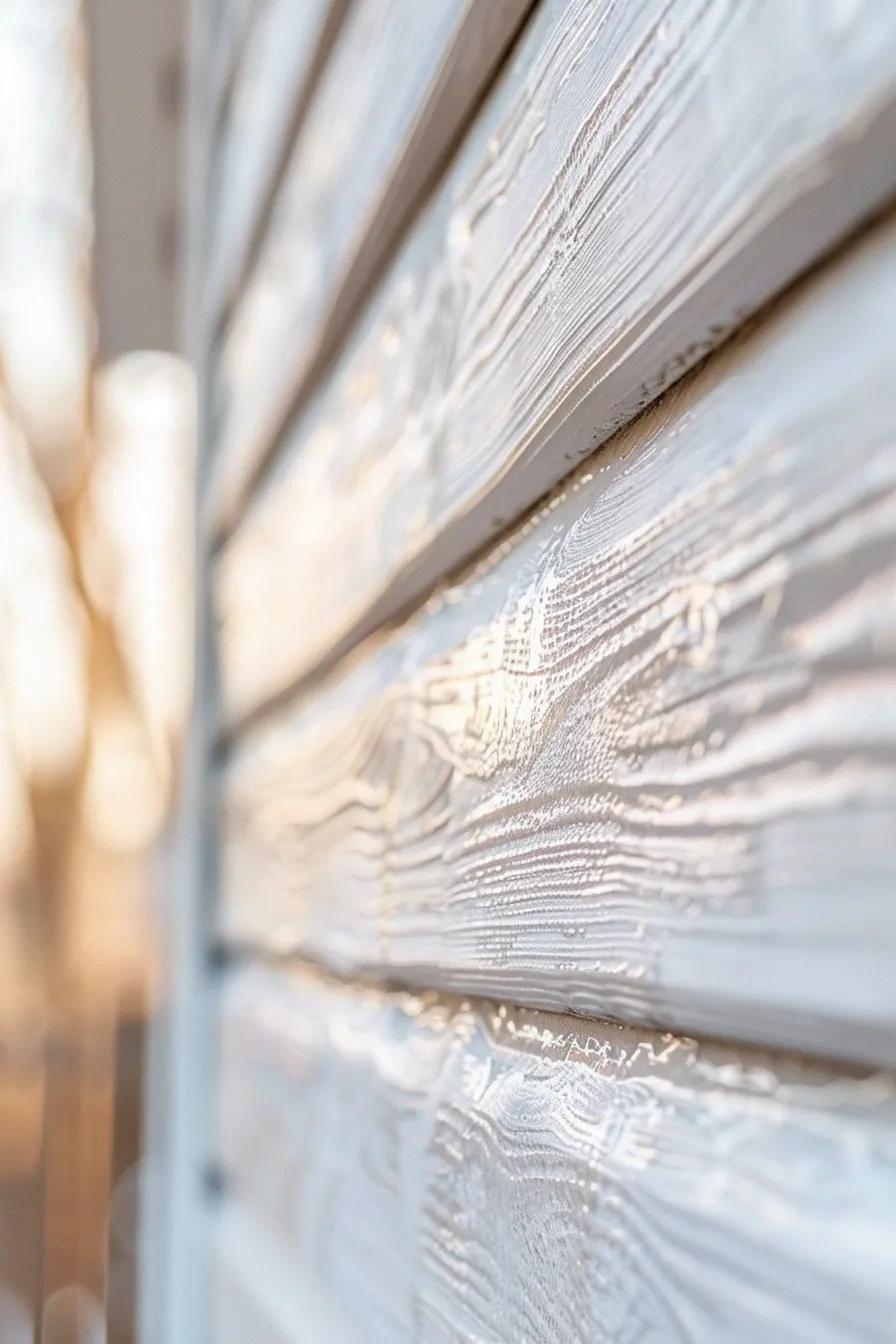
Soft washing combines low-pressure water with eco-friendly cleaning solutions that dissolve organic growth at the root. The chemicals do the heavy lifting so the water doesn’t need to be aggressive. That means thorough cleaning without chipping paint or gouging siding—keeping your home’s exterior intact while removing stains, mold, and algae.
What Are the Core Benefits of Low-Pressure House Washing for Your Home?
Soft washing delivers several practical benefits for homeowners: it protects delicate surfaces, gives longer-lasting results, and improves curb appeal—often at a lower long-term cost than repeated high-pressure cleanings or repairs.
How Does Low-Pressure Washing Protect Siding, Paint, and Stucco?
Low-pressure washing prevents the kind of water intrusion and surface erosion that can lead to rot, peeling paint, and structural damage. By removing the organic material that traps moisture against siding and trim, soft washing helps preserve paint and siding life, and it cleans stucco without the risk of creating hairline cracks or surface damage.
Why Does Soft Washing Provide Superior Cleaning and Longer-Lasting Results?
The cleaning solutions used in soft washing target mold, mildew, and algae at their source, not just the surface stains. That means these organisms take longer to come back, and your home stays cleaner for months or even years. Fewer repeat cleanings lowers your overall maintenance costs and keeps your exterior looking cared for.
How Does Low-Pressure House Washing Enhance Curb Appeal and Increase Property Value?
A clean exterior makes a strong first impression. Soft washing removes stains, streaks, and biological growth that make a house look tired—helping your home show better curb appeal and, in many cases, improving marketability when you decide to sell.
What Is the Impact of Soft Washing on Home Market Value and Maintenance Costs?
Soft washing can boost perceived value by refreshing the look of your home without the expense of repainting or replacing materials. Regular cleaning also prevents damage that leads to costly repairs, so it’s an investment that protects both appearance and long-term maintenance budgets.
How Does Professional Soft Washing Improve Your Home’s Exterior Appearance?
Professional soft-wash teams use the right chemical mixes and equipment to get consistent, safe results—removing years of grime, algae, and black streaks without harming surfaces. Many homeowners notice an immediate improvement in curb appeal after a professional treatment.
What Are the Environmental and Safety Advantages of Low-Pressure House Washing?
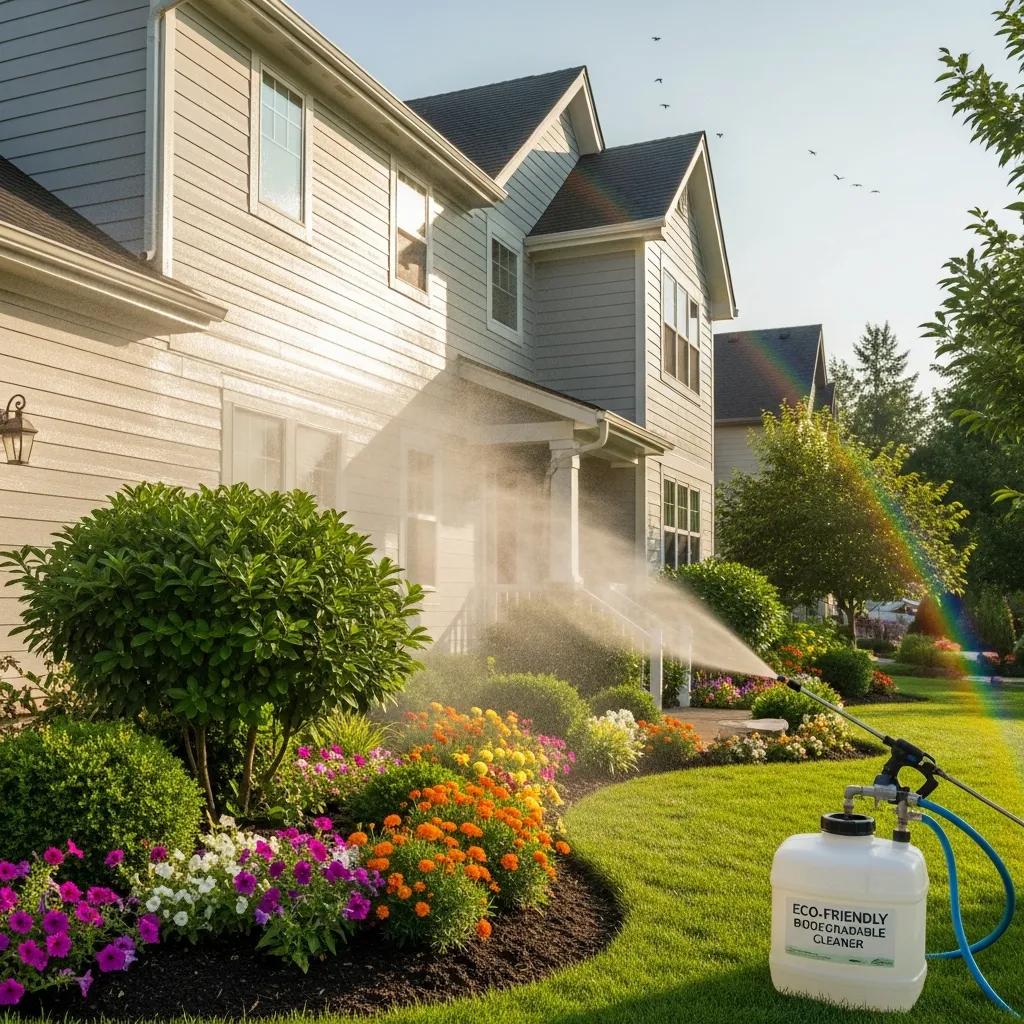
Low-pressure washing is designed to be environmentally responsible. The method uses biodegradable cleaners in measured doses, minimizing runoff and reducing harmful impact to plants and soil around your property.
How Does Soft Washing Use Eco-Friendly and Biodegradable Cleaning Agents?
Soft washing relies on formulas that break down organic growth while being kind to the environment. These biodegradable agents do their job and then neutralize over time, so they’re safer for landscaping and nearby waterways compared with harsher chemicals or heavy runoff from high-pressure techniques.
Why Is Low-Pressure Washing Safer for Your Family and Landscaping?
Because the water pressure is low, there’s less risk of injury from flying debris or accidental damage to fragile exterior features. Plants and landscaping fare better, and the controlled application of cleaning solutions helps protect outdoor spaces and the people who use them.
When Should You Choose Low-Pressure House Washing and What Are Common Misconceptions?
Soft washing is the right choice anytime you need a deep clean without risking surface damage—especially on vinyl, painted wood, stucco, and roofing. Below are common scenarios and myths to help you decide.
What Are Ideal Scenarios for Using Soft Washing on Your Home?
Use soft washing for vinyl siding, painted exteriors, roofs, and stucco—especially in shaded areas where mold and mildew build up. It’s a smart option when preparing a home for sale, after storms, or as part of routine upkeep to protect your investment.
What Are Common Myths About Soft Washing Compared to Pressure Washing?
One frequent myth is that low-pressure means weak cleaning. In reality, the cleaning solutions used in soft washing do the heavy lifting, so results are thorough and long-lasting. Another misconception is that soft washing only works on certain materials—when used correctly, it’s safe and effective on a wide range of surfaces.
Why Choose White Diamond Pressure Washing for Your Low-Pressure House Washing Needs in Citrus County?
Picking the right company matters. White Diamond Pressure Washing specializes in low-pressure house washing and related exterior cleaning services, so your home gets effective care without unnecessary risk.
What Expertise and Techniques Does White Diamond Pressure Washing Offer?
White Diamond Pressure Washing uses trained crews, soft-wash systems, and industry-approved cleaning solutions to clean safely and thoroughly. Our team focuses on protecting your surfaces while delivering dependable results—one reason homeowners across Citrus County trust us.
What Do Customers Say About Their Soft Washing Experience?
Customers frequently praise our professionalism and attention to detail. Many report a noticeable improvement in curb appeal and are happy with the care taken to protect landscaping and exterior finishes. Positive feedback reflects our commitment to quality and customer satisfaction.
The table shows how soft washing protects different materials and why choosing the right cleaning method matters for long-term care.
Soft washing is a smart, safe way to keep your home looking its best. Understanding the benefits helps you make choices that preserve curb appeal and protect your property for years to come.
Frequently Asked Questions
What types of surfaces are best suited for low-pressure house washing?
Low-pressure house washing works well on vinyl siding, painted surfaces, stucco, and many types of roofing. These surfaces are often vulnerable to high-pressure cleaning but respond very well to soft washing, which removes dirt, mold, and mildew without harm.
How often should I schedule low-pressure house washing for my home?
Frequency depends on local weather, nearby vegetation, and how fast grime returns. A good rule of thumb is every 1–2 years for most homes; homes with heavy shade or nearby trees may need more frequent cleanings.
Can I perform low-pressure washing myself, or should I hire a professional?
You can attempt soft washing yourself, but hiring a professional usually delivers better, safer results. Pros have the right mixes, equipment, and experience to treat surfaces correctly and avoid unintended damage.
What should I do to prepare my home for low-pressure washing?
Before service, remove outdoor furniture and decorations, move potted plants out of the way, and close windows and doors. Tell your crew about any delicate landscaping or exterior concerns so they can take extra care.
Are there any safety concerns associated with low-pressure house washing?
Soft washing is generally safer than high-pressure cleaning, but it still requires precautions. Keep children and pets away during the process and alert technicians to exterior electrical outlets or fixtures so they can protect them.
What are the long-term benefits of regular low-pressure house washing?
Regular soft washing enhances curb appeal, helps maintain property value, and reduces long-term maintenance costs by preventing damage from mold, mildew, and trapped moisture. It’s a proactive step that saves time and money over the life of your home’s exterior.
Conclusion
Low-pressure house washing is a safe, effective way to keep your home’s exterior clean and protected. By choosing soft washing—especially from experienced professionals—you get lasting results without the risks of high-pressure cleaning. Invest in regular, gentle care to preserve your home’s appearance and value. Ready to see the difference? Explore our services and let us help restore your home’s curb appeal.
One thought on “Transform Your Home: Benefits of Low-Pressure House Washing”