

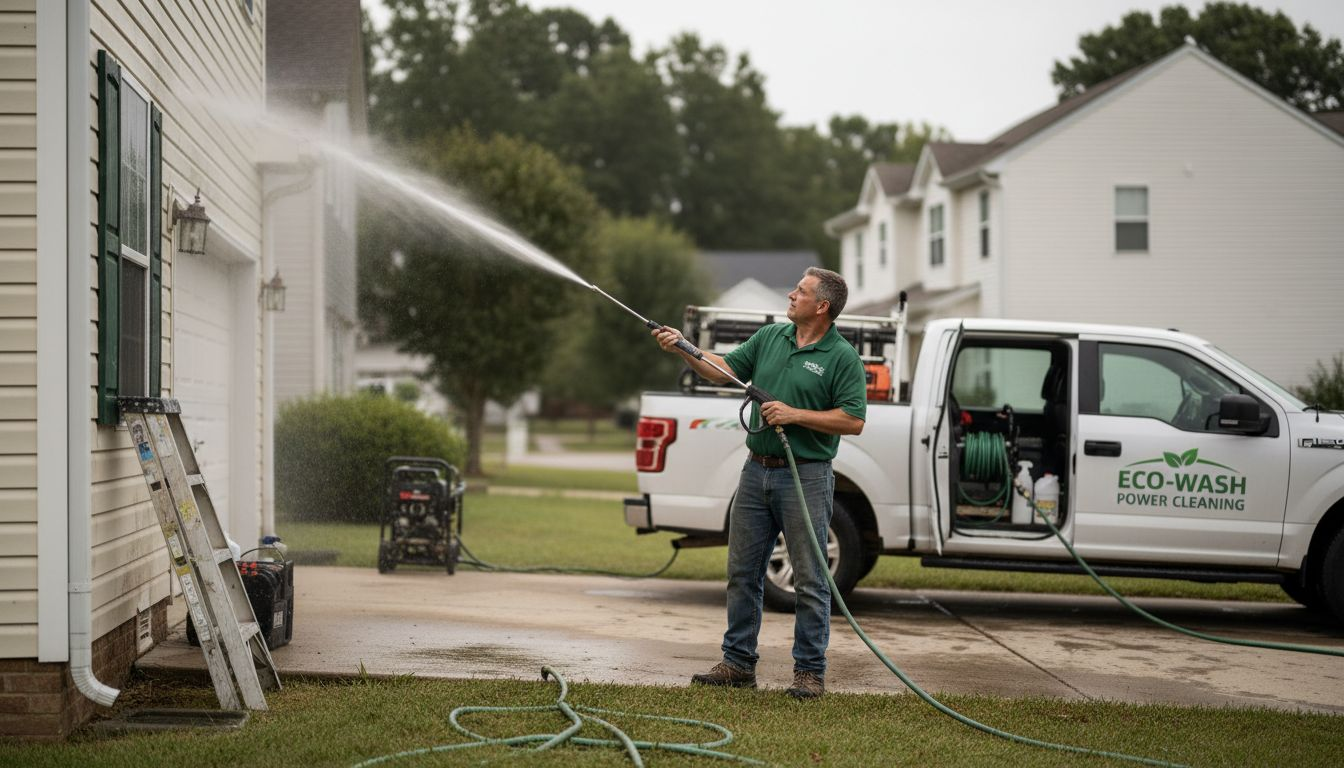
Every Citrus County homeowner striving for a spotless exterior faces the choice between two contrasting cleaning methods. Selecting between soft washing and power washing can feel confusing especially when surface safety and value are priorities. Understanding how each technique cleans and protects your property is key for long-lasting results and cost savings. This guide highlights the most important differences so you can make a confident, informed decision tailored to your home’s needs.
Table of Contents
- Defining Soft Washing And Power Washing Methods
- Major Differences In Process And Equipment
- Best Surfaces For Each Cleaning Technique
- Risks, Warranties, And Safety Concerns
- Cost, Longevity, And Value Comparisons
Key Takeaways
| Point | Details |
|---|---|
| Soft Washing is Ideal for Delicate Surfaces | Use soft washing for surfaces like roofs and painted areas to avoid damage from high pressure. |
| Power Washing is Suitable for Hard Surfaces | Opt for power washing on robust materials like concrete and brick for effective dirt removal. |
| Consider Long-Term Costs | Soft washing may have higher upfront costs but provides longer-lasting results, reducing future maintenance expenses. |
| Safety and Warranty Importance | Always consider safety precautions and warranty implications when choosing a cleaning method to protect your property. |
Defining Soft Washing and Power Washing Methods
Homeowners seeking exterior cleaning solutions often encounter two primary methods: soft washing and power washing. While both techniques aim to clean surfaces, they differ significantly in approach and application. Soft washing uses low-pressure water combined with specialized chemical solutions, making it ideal for delicate exterior surfaces that could be damaged by high-pressure cleaning.
Traditional power washing employs high-pressure water spray ranging from 750 to 30,000 psi to remove dirt, mold, and grime. This method relies on mechanical force to dislodge stubborn contaminants quickly and effectively. Power washing machines can use hot or cold water, with hot water variants particularly effective at removing grease and tough stains.
The key difference lies in the water pressure and cleaning approach. Soft washing is gentler, using lower water pressure and specialized cleaning solutions to treat surfaces like roofs, painted areas, and delicate exterior materials. Power washing, conversely, uses direct high-pressure water to mechanically strip away dirt and debris from more robust surfaces like concrete, driveways, and sturdy building exteriors.
Pro tip: Always consult a professional to determine the most appropriate cleaning method for your specific surface to prevent potential damage and ensure optimal cleaning results.
Here is a concise comparison of soft washing and power washing to help clarify their unique strengths:
| Aspect | Soft Washing | Power Washing |
|---|---|---|
| Best for Surfaces | Asphalt shingles, painted wood | Concrete, brick, stone patios |
| Cleaning Approach | Chemical solutions, low pressure | High pressure water jet |
| Risk Factors | Chemical exposure, color fading | Surface etching, material damage |
| Long-Term Impact | Prevents quick regrowth | May require frequent repeats |
| Typical Cost | Higher upfront, less frequent | Lower upfront, more frequent |
Major Differences in Process and Equipment
Soft washing and power washing represent two distinct approaches to exterior cleaning, characterized by significant variations in equipment and methodology. Power washing equipment utilizes high-pressure water pumps driven by gas or electric motors, featuring adjustable nozzles that can modify spray patterns and pressure intensity. These machines typically operate at pressures ranging from 750 to 30,000 psi, enabling powerful mechanical cleaning across various surfaces.
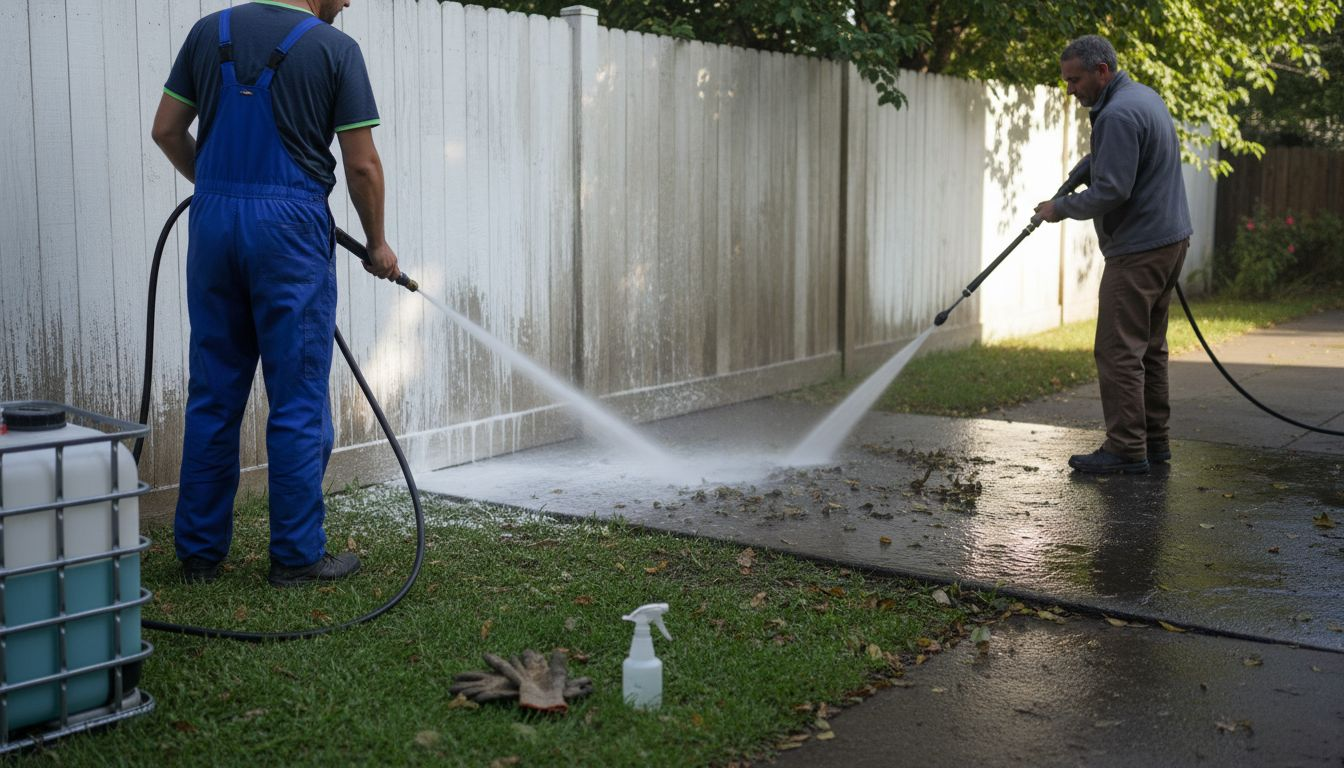
In contrast, soft washing equipment employs low-pressure pumps specifically designed to minimize surface damage. Soft washing relies on specialized chemical solutions applied at significantly reduced water pressures, focusing on chemical treatment rather than mechanical force. The equipment includes specialized sprayers that can deliver cleaning agents precisely and gently, making them ideal for delicate surfaces like roofs, painted areas, and fragile exterior materials.
The core distinction lies in their operational mechanisms. Power washing machines use brute force and high-pressure water jets to dislodge dirt and grime, effectively stripping away contaminants from robust surfaces like concrete and brick. Soft washing systems, however, prioritize chemical breakdown of organic materials, using targeted cleaning solutions that eliminate mold, mildew, and algae with minimal physical pressure. This approach allows for more nuanced and surface-specific cleaning strategies.
Pro tip: Always match your cleaning equipment and technique to the specific surface material to prevent potential damage and achieve optimal cleaning results.
Best Surfaces for Each Cleaning Technique
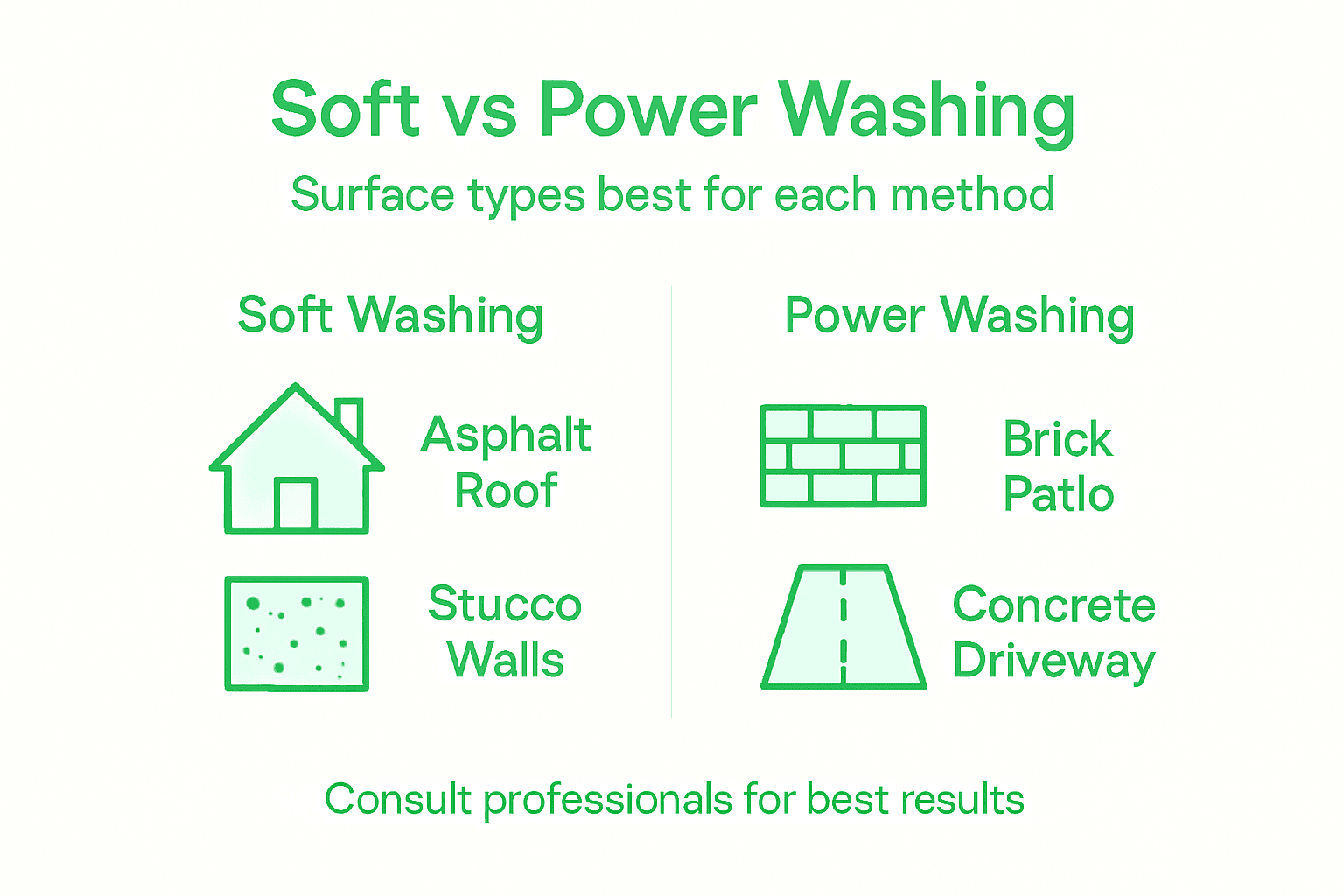
Soft washing techniques are ideal for delicate exterior surfaces that require gentle treatment. These include asphalt shingle roofs, painted surfaces, stucco, wood siding, and other materials prone to damage from high-pressure cleaning. The specialized low-pressure approach combined with targeted chemical solutions effectively removes organic growths like algae, moss, and mildew without compromising the underlying surface integrity.
Power washing excels on robust, hard surfaces that can withstand intense mechanical cleaning. Concrete driveways, brick walkways, stone patios, commercial building exteriors, and heavy-duty decks are perfect candidates for high-pressure washing. Hot water pressure washers work exceptionally well in areas with significant grease or oil buildup, such as parking areas, industrial zones, and commercial spaces where stubborn grime accumulates.
The selection between soft washing and power washing depends entirely on surface composition and contamination type. Delicate surfaces like cedar shingles, historic brick, decorative stonework, and painted surfaces require the gentler soft washing approach. Conversely, industrial concrete, garage floors, construction equipment, and heavily soiled exterior walls benefit most from the intense mechanical cleaning power of high-pressure water jets.
The following table outlines how surface types influence the choice of cleaning method:
| Surface Type | Most Effective Method | Rationale |
|---|---|---|
| Painted Wood Siding | Soft Washing | Minimizes paint stripping |
| Concrete Driveway | Power Washing | Removes oil and tough grime |
| Stucco Wall | Soft Washing | Prevents surface cracking |
| Industrial Equipment | Power Washing | Handles heavy-duty soil |
| Decorative Stonework | Soft Washing | Preserves delicate detailing |
Pro tip: When in doubt about the appropriate cleaning technique, always consult a professional exterior cleaning service to prevent potential surface damage and ensure optimal results.
Risks, Warranties, and Safety Concerns
Power washing safety involves critical industry standards that homeowners must understand before attempting exterior cleaning. High-pressure water jets can cause significant damage to property and potentially injure inexperienced operators. The intense mechanical force can strip paint, damage wooden surfaces, create etching on concrete, and even penetrate building materials if not carefully controlled. Professionals recommend specific pressure settings and nozzle techniques to minimize these risks.
Soft washing carries unique chemical exposure risks that require careful consideration. Chemical solutions containing sodium hypochlorite can react unpredictably with certain surface materials, potentially discoloring or damaging paint pigments. Protective equipment is essential, including chemical-resistant gloves, eye protection, and respiratory masks. Homeowners should always test cleaning solutions on inconspicuous areas and follow manufacturer guidelines to prevent unintended surface damage.
Warranty considerations play a crucial role in selecting the appropriate cleaning method. Most residential and commercial property warranties explicitly state potential invalidation if improper cleaning techniques are used. Soft washing and power washing can both compromise surface warranties if not performed correctly, making professional intervention critical. Many manufacturers specify exact cleaning protocols that must be followed to maintain material integrity and warranty coverage.
Pro tip: Always document your exterior cleaning process and keep detailed records of professional services to protect your property’s warranty and ensure proper maintenance.
Cost, Longevity, and Value Comparisons
Soft washing demonstrates superior long-term cleaning effectiveness by addressing the root cause of organic stains. While initial costs may be higher due to specialized chemical treatments, the method provides more sustainable results by killing algae, mildew, and bacteria at their source. This approach prevents rapid regrowth and reduces future maintenance expenses, ultimately offering better value for homeowners seeking comprehensive exterior cleaning solutions.
Power washing presents a more economical upfront option with lower initial investment. The equipment primarily relies on water pressure, making it less expensive to operate. However, the aggressive cleaning technique can cause surface degradation over time, potentially leading to higher repair and replacement costs. Hard surfaces like concrete and brick benefit from power washing’s immediate visual impact, but the long-term structural integrity might be compromised by repeated high-pressure treatments.
Cost comparisons reveal nuanced considerations beyond immediate expenses. Soft washing’s chemical treatments provide deeper cleaning and longer-lasting protection, potentially extending surface lifespan and reducing future maintenance needs. Power washing offers quick, visible results at a lower initial cost but may require more frequent cleaning and risk surface damage. Homeowners must weigh immediate expenses against potential long-term restoration and repair costs when selecting their preferred exterior cleaning method.
Pro tip: Calculate your total ownership cost by considering not just initial cleaning expenses, but potential surface repair and maintenance costs associated with each cleaning technique.
Find Your Perfect Exterior Cleaning Solution with White Diamond Pressure Washing
Choosing between soft washing and power washing presents clear challenges, especially when surface damage and effective cleaning weigh on your mind. This article highlights how important it is to select the right method based on your property’s material and contamination type. Whether you need gentle chemical treatments to protect delicate roofs and siding or powerful high-pressure cleaning for tough concrete stains, understanding these differences keeps your home safe and looking great.
At White Diamond Pressure Washing, we specialize in both soft washing and power washing techniques tailored to your surface needs. Our experienced team uses industry-approved methods and premium products to preserve your home while delivering lasting results. Don’t risk costly damage or premature wear from the wrong cleaning approach.

Ready to restore your property’s curb appeal safely and effectively? Visit White Diamond Pressure Washing to Book Now or Get a Free Estimate. Our trusted local experts in Citrus County are here to ensure your investment receives the precise care it deserves. Take action today for long-lasting beauty and protection.
Frequently Asked Questions
What is the difference between soft washing and power washing?
Soft washing uses low-pressure water combined with specialized chemical solutions, making it suitable for delicate surfaces, while power washing employs high-pressure water spray to clean more robust surfaces quickly and effectively.
Which surfaces are best cleaned with soft washing?
Soft washing is ideal for delicate surfaces such as asphalt shingle roofs, painted wood, stucco, and other materials prone to damage from high-pressure cleaning methods.
Is power washing safe for all exterior surfaces?
No, power washing is best suited for hard surfaces like concrete and brick. It can cause damage to softer materials, leading to issues like etching or stripping paint if not used carefully.
What are the long-term benefits of soft washing compared to power washing?
Soft washing addresses the root cause of organic stains by killing algae and mildew at their source, reducing the likelihood of quick regrowth and minimizing future maintenance costs, while power washing may require frequent repeats due to its aggressive nature.
Recommended
- Soft Washing Process Explained: A Step-by-Step Guide for Safety – white-diamond-pressure
- Pressure Washing vs. Traditional Cleaning: What to Consider – white-diamond-pressure
- Why Choose Professional Pressure Washing Services – white-diamond-pressure
- Why Low-Pressure Washing is Safer and More Effective – white-diamond-pressure
20 thoughts on “Soft Washing vs Power Washing – Choosing the Right Method”