

Why Soft (Low‑Pressure) House Washing Cleans Better — and Safer — Than Old‑School Pressure Washing
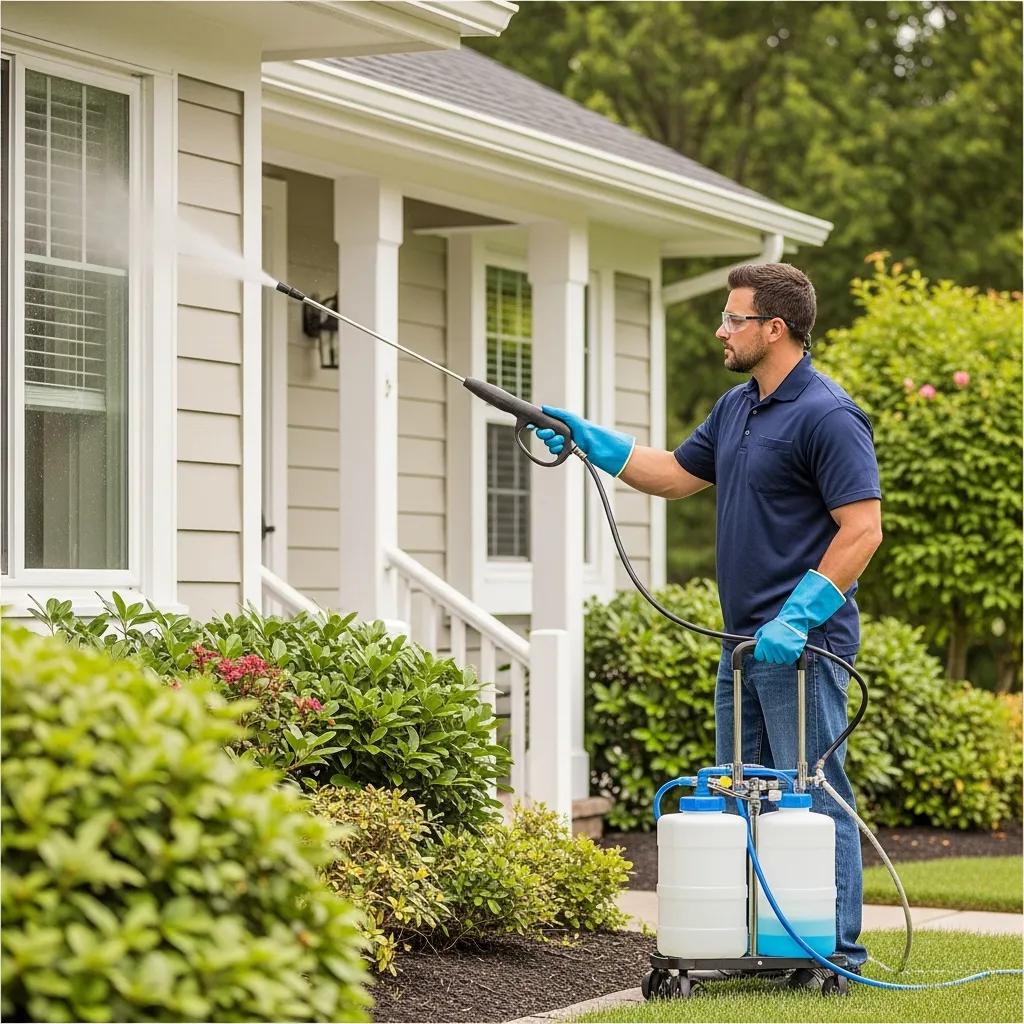
Soft washing — also called low‑pressure house washing — uses a gentle stream of water plus targeted cleaning solutions to remove dirt, mold, algae, and other buildup from exterior surfaces. Below we explain how soft washing works, why it’s often a better choice than traditional high‑pressure washing, and how it protects your home while delivering a longer‑lasting clean. Many homeowners discover the hard way that high pressure can damage siding, shingles, and trim; soft washing offers a safer, more effective alternative. Read on for how the process works, which surfaces it suits best, and tips for choosing the right provider.
What Is Low-Pressure House Washing and How Does It Work?
Low‑pressure house washing cleans with a low flow of water combined with eco‑friendly cleaning solutions that break down and remove organic growth and grime. Because it relies on chemistry and controlled application rather than raw force, it cleans delicate materials thoroughly without the risk of gouging, lifting, or forcing water into seams.
What Are the Key Components of Soft Washing?
Soft washing depends on three main elements to get results that last:
- Cleaning Agents: Biodegradable, plant‑safe formulas that dissolve dirt and kill mold, mildew, and algae at the source.
- Low‑Pressure Equipment: Purpose‑built pumps and nozzles that keep water pressure low to protect siding, shingles, and trim.
- Application Technique: Applying solution, allowing appropriate dwell time so it does its work, then rinsing gently for a complete clean.
Together these parts let soft washing clean deeply without risking the damage common with high‑pressure methods.
How Does Soft Washing Differ from Traditional Pressure Washing?
Soft washing and pressure washing aim to clean, but they use very different approaches:
This side‑by‑side shows why soft washing is often the smarter choice for most home exteriors.
What Are the Benefits of Soft Washing Compared to Pressure Washing?
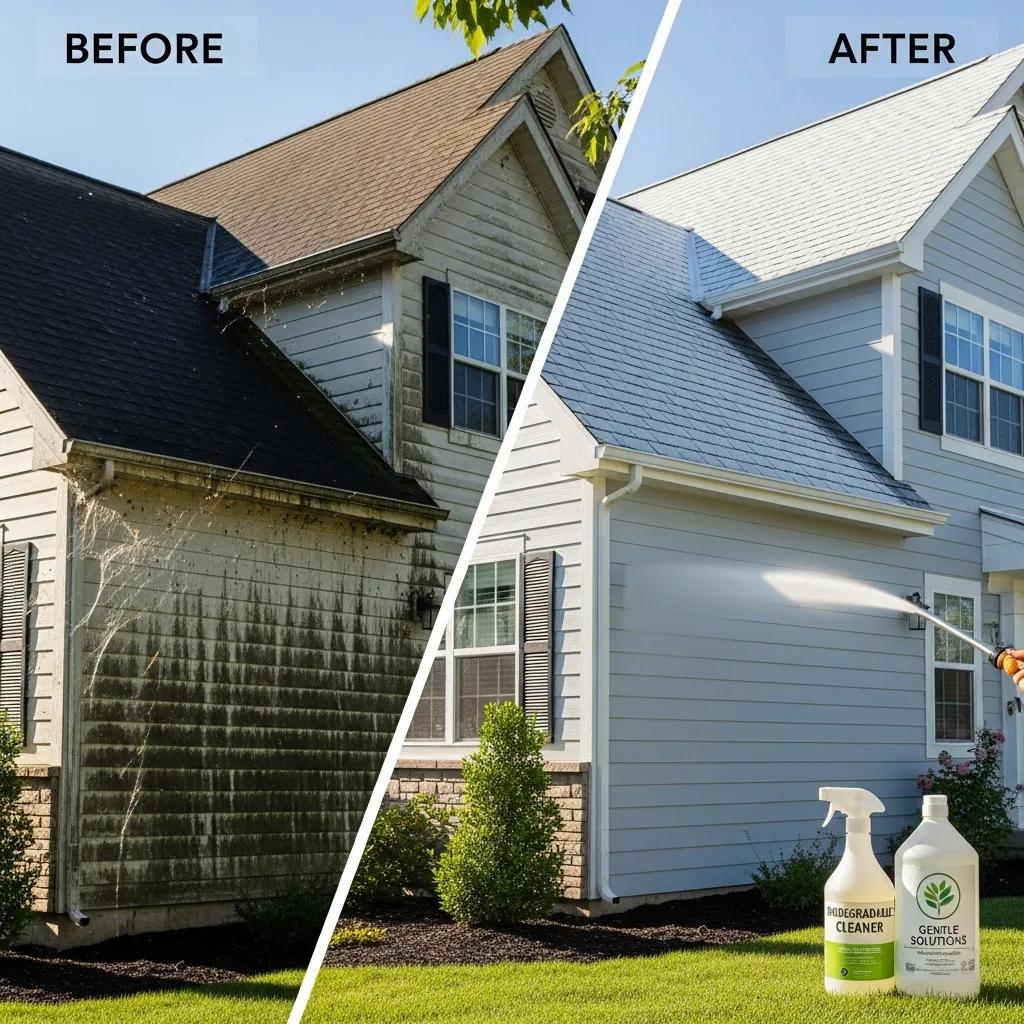
Soft washing offers clear advantages for homeowners who want a safe, reliable clean.
- Prevents Damage: Low pressure reduces the risk of stripping paint, cracking stucco, or tearing shingles.
- Longer‑Lasting Clean: The cleaning solutions target roots of organic growth so mold and algae take longer to return.
- Environmentally Minded: We use biodegradable products that are kinder to plants and local waterways when applied responsibly.
How Does Low-Pressure Washing Prevent Damage to House Exteriors?
High pressure can lift paint, erode wood fibers, and force water behind siding or shingles. Low‑pressure washing avoids that by using chemical action and gentle rinsing instead of brute force — giving you a thorough clean without compromising the materials that protect your home.
Industry specialists also warn that high‑pressure cleaning can accelerate roof wear when used on delicate roofing materials.
High‑Pressure Washing Risks: Preventing Roof Erosion
High‑pressure washers can clear moss and debris from roofs, but improper use risks unnecessary erosion of shingles or shakes. Use caution and choose the right method for fragile roofing materials.
In What Ways Does Soft Washing Provide Longer-Lasting Clean Results?
Soft washing uses cleaning agents that penetrate and neutralize the organisms causing stains, rather than just blasting surface dirt away. That chemical action helps prevent quick regrowth, so cleaned surfaces stay nicer for longer between treatments.
Which Surfaces Are Safely Cleaned Using Low-Pressure House Washing?
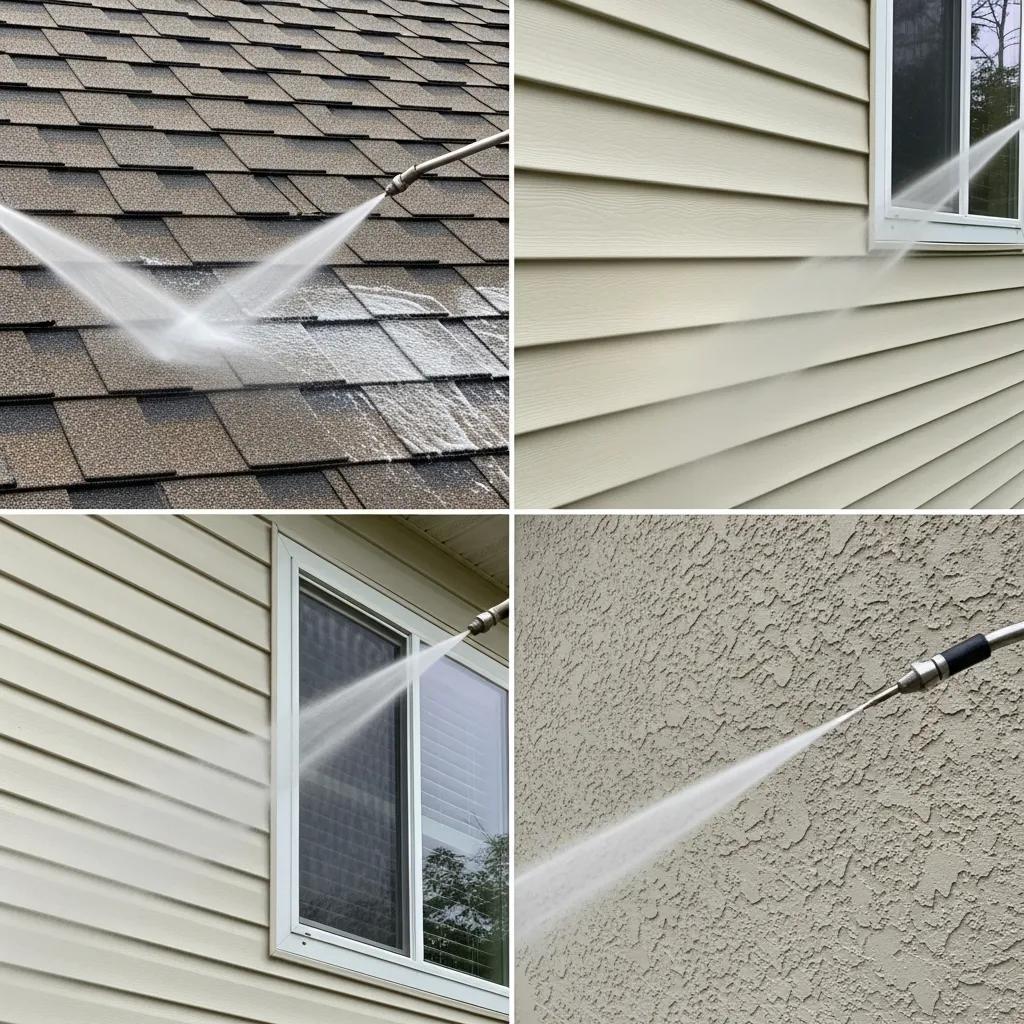
Soft washing works well on a wide range of common home exteriors — especially those that could be damaged by high pressure.
- Roofs: Cleans shingles and tiles gently without lifting or cracking.
- Siding: Safe for vinyl, painted wood, and many composite materials.
- Stucco: Removes stains without chipping or forcing water into porous areas.
Why Is Soft Washing Ideal for Roofs, Siding, and Stucco?
Because soft washing relies on targeted chemistry and controlled application, it removes grime and organic growth while protecting the underlying material — preserving the look and function of roofs, siding, and stucco alike.
When Is Pressure Washing Appropriate for Hard Surfaces Like Driveways?
High‑pressure washing still has a place: concrete driveways, sidewalks, and patios often benefit from higher pressure to remove oil, rust, and stubborn stains. The key is using the correct pressure and technique to avoid surface etching.
How Does Soft Washing Effectively Remove Mold, Algae, and Mildew?
Soft washing combines biodegradable cleaning agents with low‑pressure application so the solution soaks into the growth and breaks it down at the root. After the dwell time, a gentle rinse removes the residues and leaves a cleaner surface that resists quick regrowth.
What Role Do Biodegradable Cleaning Agents Play in Soft Washing?
Biodegradable solutions are formulated to break apart organic matter while minimizing harm to plants, pets, and local waterways when used as directed. They give an effective clean with a smaller environmental footprint than harsh chemicals.
How Does Soft Washing Kill Organic Growth at the Root?
Soft washing chemicals disrupt the cells and bonding agents that let mold and algae cling to surfaces. With proper dwell time, those organisms are neutralized rather than merely loosened, which reduces how quickly they come back.
Why Choose White Diamond Pressure Washing for Low-Pressure House Washing in Citrus County?
Choosing the right team matters. White Diamond Pressure Washing focuses on soft washing best practices, eco‑friendly products, and trained technicians who treat your home like our own.
What Makes White Diamond’s Soft Washing Service Unique?
We combine proven, biodegradable solutions with careful application and attention to detail. Our technicians are trained to identify surface types and adjust formulas and dwell times so you get a safe, effective clean every time.
How Can Customers Book a Free Quote or Service?
Booking is simple. Contact White Diamond Pressure Washing to request a free quote or schedule service — we’ll walk you through options, explain what to expect, and recommend the best approach for your home.
What Are Common Questions About Low-Pressure House Washing?
Here are answers to the questions homeowners most often ask about soft washing, so you can decide with confidence.
Is Low-Pressure House Washing Truly Safer for My Home’s Exterior?
Yes. When done correctly, low‑pressure washing avoids the common harms of high pressure — lifted paint, damaged shingles, and forced moisture — while still delivering a deep clean.
Can Soft Washing Be Used on All Exterior Surfaces?
Soft washing covers many exterior materials, but not every surface. Some wood types and heavily stained concrete may need special attention or a different method. A trained technician can assess and recommend the right approach.
Frequently Asked Questions
What is the typical cost range for low-pressure house washing services?
Costs vary by home size, surface types, and how much buildup needs removing. Typical pricing falls between $200 and $600 for a full house wash. We recommend getting multiple quotes and confirming whether hard‑to‑reach areas or extra treatments add fees.
How often should I schedule low-pressure house washing?
Once a year is a good baseline for many homes. If you live in a humid area, have heavy tree cover, or notice recurring mold and algae, you may want service more often. Regular cleaning helps protect exterior materials and curb appeal.
Can I perform low-pressure house washing myself?
You can, but pros bring experience, proper equipment, and commercial‑grade, eco‑safe solutions that DIY kits usually lack. Hiring a pro reduces the risk of damage and ensures the job is done efficiently. If you DIY, follow product directions and safety steps closely.
What should I do to prepare my home for low-pressure washing?
Clear furniture and decorations from the work area, close windows and doors, and cover delicate plants if requested. Let your provider know about any concerns or sensitive areas so they can take appropriate precautions.
Are there any environmental concerns with low-pressure house washing?
When providers use biodegradable, properly diluted cleaners and follow local runoff guidelines, soft washing is generally low‑impact. Ask your provider about products and containment practices to ensure they meet your environmental standards.
What happens if mold or algae returns after soft washing?
If regrowth appears quickly, it can mean conditions remain favorable for growth or the initial treatment didn’t reach the source. Reputable providers often offer follow‑up solutions or guarantees — reach out so they can evaluate and recommend next steps.
Conclusion
Soft (low‑pressure) house washing gives you a safer, longer‑lasting clean for roofs, siding, and other delicate surfaces. By pairing biodegradable cleaners with controlled application, it protects your home and reduces the chance of costly damage from high pressure. If you want your home cared for the right way, contact us for a free quote and learn how soft washing can refresh and protect your property.
2 thoughts on “Why Low-Pressure Washing is Safer and More Effective”