

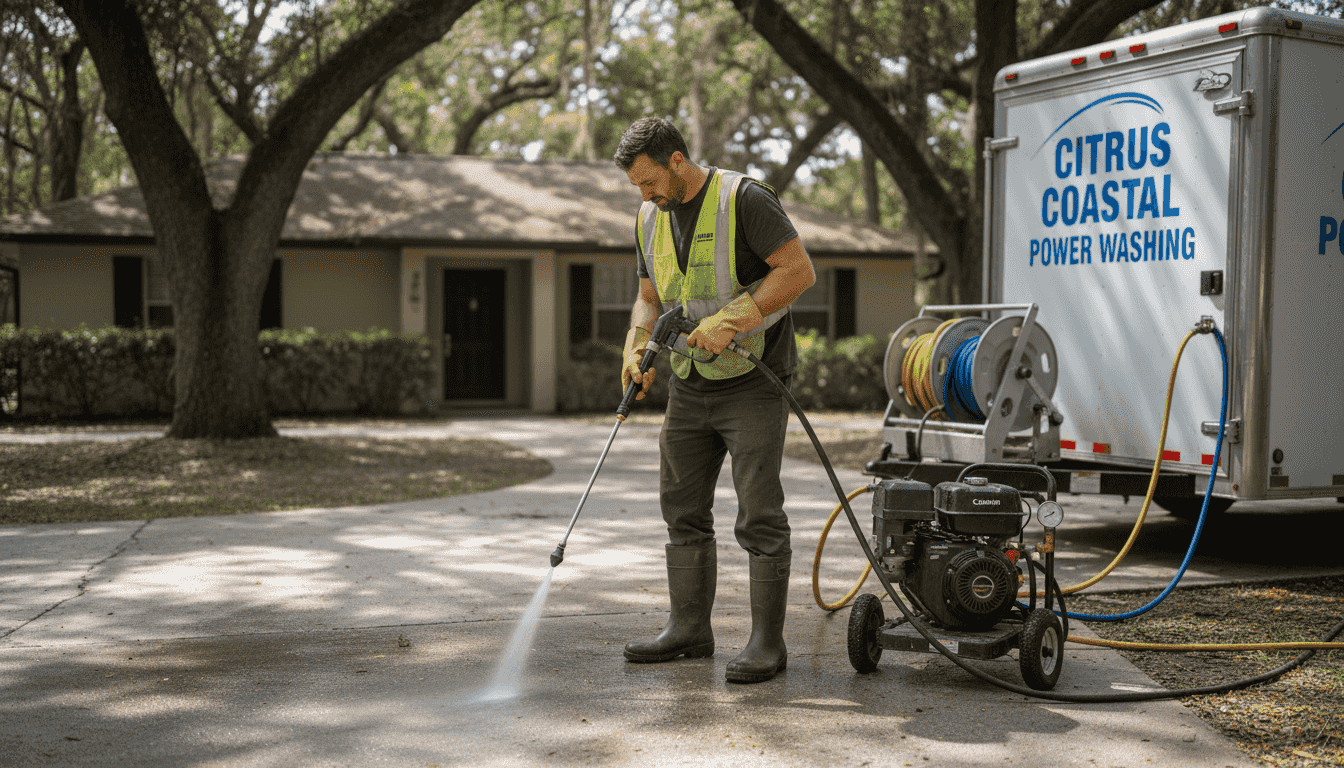
Protecting your Citrus County home during exterior cleaning starts with understanding reliable pressure washing safety protocols. Property owners face real risks when debris, chemicals, or even wastewater escape containment, threatening both surfaces and the environment. By following comprehensive safety guidelines—including using personal protective equipment, proper equipment checks, and EPA-recommended containment strategies—you ensure your property looks its best without the danger of costly accidents or regulatory issues.
Table of Contents
- What Is Pressure Washing Safety Protocols
- Types of Pressure Washing Methods Used
- Personal Protective Equipment and Setup Requirements
- Safe Operation: Equipment Handling and Chemical Use
- Common Risks and Mistakes to Avoid
- Legal Regulations and Environmental Compliance
Key Takeaways
| Point | Details |
|---|---|
| Pressure Washing Safety Protocols | Implement comprehensive safety protocols to protect workers and property during pressure washing, addressing PPE, equipment handling, and environmental considerations. |
| Personal Protective Equipment (PPE) | Ensure the use of proper PPE such as gloves, safety glasses, and masks to prevent injuries and exposure to hazardous conditions. |
| Equipment and Chemical Safety | Regularly inspect and maintain equipment, and strictly follow chemical handling guidelines to avoid accidents and environmental contamination. |
| Legal and Environmental Compliance | Stay informed about local, state, and federal regulations regarding wastewater and chemical disposal to ensure compliance during pressure washing operations. |
What Is Pressure Washing Safety Protocols
Pressure washing safety protocols represent a comprehensive set of guidelines and practices designed to protect both workers and property during exterior cleaning operations. These systematic procedures ensure safe, efficient, and responsible pressure washing activities that minimize risks and potential damage.
At its core, pressure washing safety protocols involve multiple critical components that address equipment handling, personal protection, environmental considerations, and site-specific preparation. OSHA safety standards mandate specific requirements to protect workers from potential hazards during cleaning operations. These protocols encompass several key areas:
- Proper personal protective equipment (PPE)
- Equipment inspection and maintenance
- Chemical handling and storage
- Surface preparation techniques
- Water pressure management
- Environmental containment strategies
The primary objective of these safety protocols is preventing accidents, protecting surfaces from damage, and ensuring the well-being of both cleaning professionals and property owners. EPA containment guidelines specifically emphasize the importance of maintaining work area integrity and preventing debris or chemical dispersal during pressure washing activities.
Professional pressure washing involves understanding specific technical requirements and potential risks associated with high-pressure water cleaning. Operators must comprehend equipment capabilities, recognize surface vulnerabilities, and implement targeted strategies that balance cleaning effectiveness with material preservation.
Pro tip: Always conduct a comprehensive site assessment and equipment check before initiating any pressure washing project to identify potential safety risks and ensure optimal preparation.
Types of Pressure Washing Methods Used
Pressure washing techniques have evolved to provide specialized cleaning solutions for different surfaces and environments in Citrus County, with multiple methods designed to address specific cleaning challenges while protecting property integrity. Residential pressure washing encompasses several distinct approaches tailored to various surfaces and cleaning requirements.
The primary pressure washing methods include:
- Power Washing: Utilizes high-temperature water for tough, ground-in dirt and grease
- Soft Washing: Employs low-pressure techniques with specialized cleaning solutions
- Cold Water Pressure Washing: Standard method for general exterior cleaning
- Low-Pressure Washing: Gentle technique for delicate surfaces like roofs and siding
Wastewater management techniques play a crucial role in ensuring environmental compliance during pressure washing operations. Professional operators must carefully select methods that not only clean effectively but also minimize environmental impact.
Each pressure washing method requires specific equipment, technique, and understanding of surface characteristics. Containment strategies are essential to prevent contamination and ensure responsible cleaning practices. The choice between power washing, soft washing, or low-pressure techniques depends on the surface material, level of soiling, and potential vulnerability to high-pressure water.
Here’s a comparison of common pressure washing methods and their ideal applications:
| Method | Best Use Case | Pressure Level | Material Suitability |
|---|---|---|---|
| Power Washing | Grease removal on driveways | High | Concrete, stone |
| Soft Washing | Mold/algae on siding | Low | Vinyl, wood, stucco |
| Cold Water Washing | General dirt removal | Medium | Brick, fences, patios |
| Low-Pressure Washing | Roof cleaning, painted surfaces | Gentle | Asphalt shingles, painted trim |
Pro tip: Always consult professional pressure washing technicians to determine the most appropriate cleaning method for your specific surface to prevent potential damage and achieve optimal results.
Personal Protective Equipment and Setup Requirements
Pressure washing involves significant safety risks that demand comprehensive personal protective equipment (PPE) and meticulous setup procedures. Professionals and homeowners must prioritize protection to prevent potential injuries and exposure to hazardous conditions during cleaning operations.
Personal protective equipment standards require careful selection of protective gear tailored to specific pressure washing environments. Essential PPE components include:
- Waterproof, chemical-resistant gloves
- Safety glasses or full-face shields
- Non-slip, closed-toe work boots
- Protective respiratory masks
- Long-sleeve waterproof clothing
- Hearing protection for extended operations
Setup requirements extend beyond personal protection and encompass comprehensive workplace preparation. Safety equipment assessment involves identifying potential hazards and selecting appropriate protective gear that fits correctly and addresses specific risk factors associated with pressure washing tasks.
Proper equipment maintenance and consistent training are crucial for ensuring maximum protection. Operators must inspect PPE before each use, replace damaged components immediately, and understand the specific limitations of their protective gear. The goal is creating a comprehensive safety approach that minimizes risks while maintaining operational efficiency.
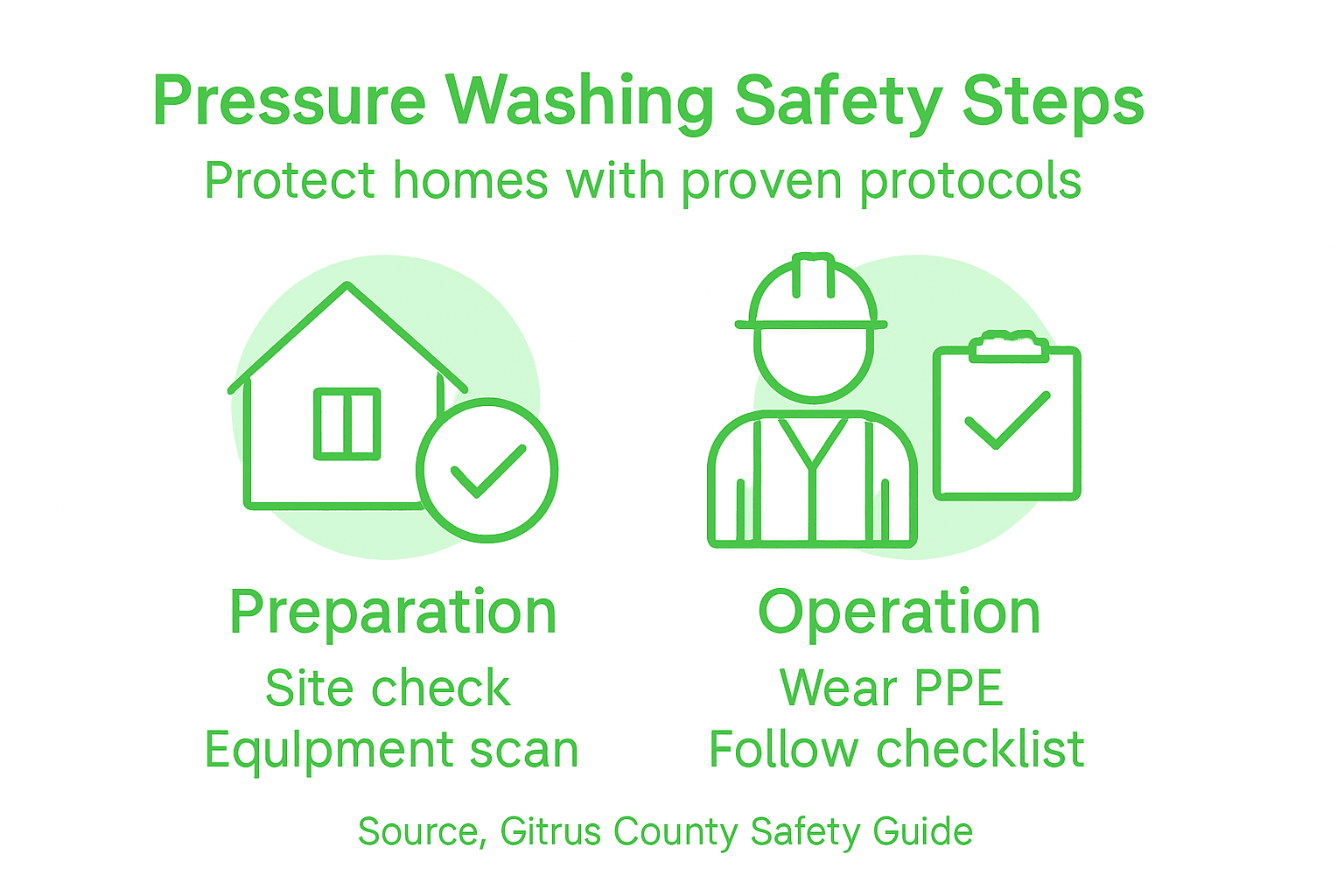
To help understand PPE and setup priorities, here’s a summary table:
| PPE Component | Purpose | Setup Requirement |
|---|---|---|
| Waterproof Gloves | Protect against chemicals | Inspect for leaks and fit |
| Face Shield/Glasses | Prevent eye injuries | Clean lens and adjust strap |
| Respiratory Mask | Prevent inhalation hazards | Confirm seal, check filters |
| Work Boots | Prevent slips and falls | Ensure tread and waterproofing |
Pro tip: Invest in high-quality, industry-specific PPE and replace equipment regularly to maintain optimal protection during pressure washing operations.
Safe Operation: Equipment Handling and Chemical Use
Safe pressure washing requires a comprehensive understanding of equipment handling and chemical management to prevent potential accidents and environmental contamination. Chemical safety and equipment integrity are paramount considerations for both professional operators and homeowners in Citrus County.
Chemical hazard recognition involves understanding the specific risks associated with cleaning solutions and implementing appropriate control measures. Key considerations for safe chemical and equipment management include:
- Carefully reading and understanding chemical safety data sheets
- Storing chemicals in original, labeled containers
- Using appropriate personal protective equipment
- Maintaining proper ventilation during chemical use
- Checking equipment for potential damage before each use
- Following manufacturer-recommended operational guidelines
Pressure system safety protocols emphasize the importance of regular equipment inspection and maintenance. Operators must understand the specific operational parameters of their pressure washing equipment, including recommended pressure levels, potential mechanical limitations, and appropriate usage techniques.
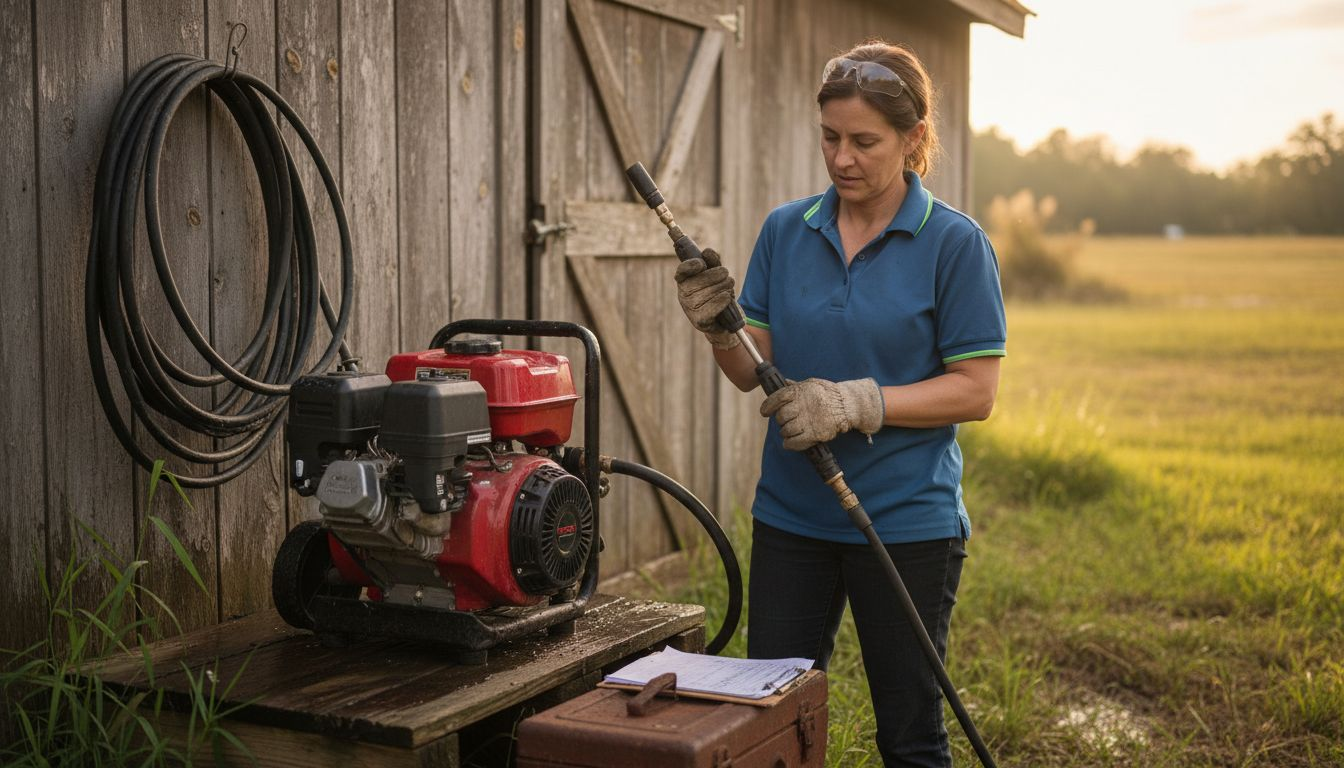
Chemical selection and equipment maintenance are interconnected aspects of safe pressure washing operations. Professionals must evaluate chemical compatibility with specific surfaces, understand potential environmental impacts, and select cleaning solutions that minimize risk while achieving optimal cleaning results.
Pro tip: Conduct a comprehensive equipment and chemical safety assessment before each pressure washing project to identify and mitigate potential risks.
Common Risks and Mistakes to Avoid
Pressure washing involves multiple potential hazards that can compromise safety and damage property if operators do not exercise extreme caution. Operational risks in pressure washing range from equipment malfunction to environmental and personal injury concerns that require comprehensive understanding and proactive management.
Pressure equipment testing protocols highlight critical mistakes that can lead to dangerous situations. The most common risks and mistakes include:
- Incorrect pressure settings causing surface damage
- Neglecting equipment maintenance
- Using inappropriate cleaning solutions
- Failing to wear proper protective gear
- Improper handling of electrical equipment near water
- Underestimating surface sensitivity
- Ignoring manufacturer’s operational guidelines
Workplace safety awareness is crucial in preventing accidents during pressure washing operations. Environmental factors such as wet surfaces, uneven terrain, and improper positioning can significantly increase the risk of slips, trips, and falls, making situational awareness paramount.
Professional pressure washing requires a holistic approach to risk management. Operators must continuously assess potential hazards, maintain equipment in optimal condition, and develop a comprehensive understanding of surface materials, chemical interactions, and safe operational techniques.
Pro tip: Create a pre-operation safety checklist that systematically reviews equipment condition, personal protective gear, and potential environmental risks before starting any pressure washing project.
Legal Regulations and Environmental Compliance
Pressure washing activities in Citrus County are subject to complex legal regulations that mandate strict environmental protection and safety standards. Environmental compliance requires a comprehensive understanding of local, state, and federal guidelines governing water disposal, chemical usage, and potential contamination risks.
Lead Renovation Regulations establish critical requirements for containment and waste management during pressure washing operations. Key legal compliance aspects include:
- Preventing chemical runoff into storm drains
- Properly containing and disposing of wastewater
- Using environmentally approved cleaning solutions
- Implementing filtration and collection strategies
- Documenting waste management procedures
- Obtaining necessary local permits
- Maintaining detailed operational records
Stormwater pollution prevention represents a critical component of legal compliance for pressure washing professionals. Operators must develop comprehensive strategies to minimize environmental impact, including using water collection devices, implementing filtration systems, and ensuring that wash water does not enter natural water systems.
Compliance requires a proactive approach that integrates legal knowledge, environmental awareness, and responsible operational practices. Pressure washing professionals must stay informed about evolving regulations, invest in appropriate containment technologies, and continuously update their understanding of environmental protection requirements.
Pro tip: Develop a comprehensive environmental compliance checklist that addresses local regulations and documents each pressure washing project’s waste management procedures.
Protect Your Citrus County Home with Trusted Pressure Washing Safety
The article highlights the crucial challenge of safely maintaining your property while protecting surfaces and the environment during pressure washing. Common concerns like equipment handling, chemical use, and proper personal protective equipment can feel overwhelming if you attempt to do it yourself. White Diamond Pressure Washing understands these safety protocols and combines industry-approved cleaning methods with experienced technicians who specialize in soft washing and low-pressure techniques that protect your home’s delicate surfaces.
Why risk costly damage or safety hazards when expert help is only a click away? Visit White Diamond Pressure Washing to see how our team uses careful equipment handling and safe chemical practices to deliver exceptional cleaning results that you can trust.

Ready to protect your Citrus County home with a service that prioritizes safety and quality? Book your service today or get a free estimate online to experience pressure washing done responsibly and effectively. Discover our service options and customer testimonials at White Diamond Pressure Washing and step toward a cleaner, safer home now.
Frequently Asked Questions
What are the essential personal protective equipment (PPE) items needed for pressure washing?
Essential PPE items for pressure washing include waterproof, chemical-resistant gloves, safety glasses or full-face shields, non-slip, closed-toe work boots, protective respiratory masks, long-sleeve waterproof clothing, and hearing protection for extended operations.
What pressure washing method should I use for delicate surfaces?
For delicate surfaces such as roofs and siding, the low-pressure washing method is recommended. This technique uses gentle pressure to prevent any potential damage to fragile materials.
How can I ensure safe chemical use during pressure washing?
Ensure safe chemical use by carefully reading and understanding chemical safety data sheets, storing chemicals in original labeled containers, using appropriate PPE, and maintaining proper ventilation during chemical application.
What are common mistakes to avoid while pressure washing?
Common mistakes include using incorrect pressure settings that can damage surfaces, neglecting equipment maintenance, using inappropriate cleaning solutions, and failing to wear proper protective gear. Always follow manufacturer guidelines and maintain a safety awareness during operations.
Recommended
- Environmental Impact of Pressure Washing in Citrus County – white-diamond-pressure
- Role of Pressure Washing in Preventive Maintenance – white-diamond-pressure
- Annual Pressure Washing Schedule: Protecting Citrus County Homes – white-diamond-pressure
- Role of Insurance in Pressure Washing Safety – white-diamond-pressure
4 thoughts on “Safety Protocols in Pressure Washing: Protecting Citrus County Homes”