

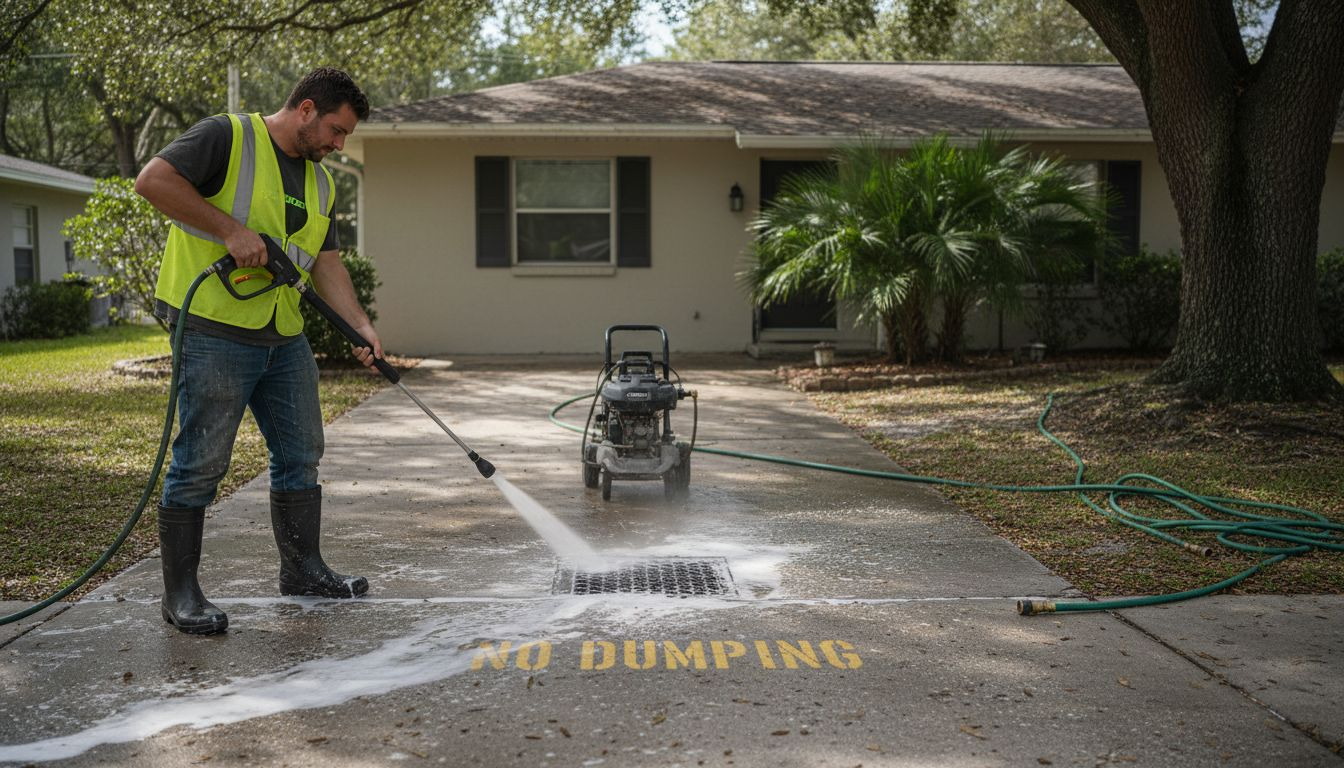
Pressure washing sounds straightforward, but for eco-conscious homeowners in Citrus County, cleaning your home’s exterior comes with unique concerns. Unchecked water use and chemical runoff can threaten local ecosystems, pollute waterways, and even violate environmental regulations. Choosing a professional service that uses eco-friendly cleaning methods helps protect your property and the Citrus County environment while still achieving spotless results. This guide clears up pressure washing myths and explains how to make environmentally responsible choices for lasting curb appeal.
Table of Contents
- Defining Pressure Washing And Common Myths
- Major Environmental Risks Of Pressure Washing
- Chemical Runoff, Water Use, And Ecosystem Health
- Eco-Friendly Cleaning Methods And Alternatives
- Legal Compliance And Local Regulations In Citrus County
- Mistakes To Avoid When Pressure Washing
Key Takeaways
| Point | Details |
|---|---|
| Pressure Washing Myths | High pressure does not guarantee better cleaning; specific surfaces require tailored pressure techniques. |
| Environmental Risks | Pressure washing can waste water and introduce harmful chemical runoff; choose eco-friendly practices. |
| Legal Compliance | Understand local regulations to avoid penalties; ensure all cleaning practices meet environmental standards. |
| Common Mistakes | Avoid using excessive pressure, incorrect nozzles, and unsafe practices to prevent damage and environmental harm. |
Defining Pressure Washing and Common Myths
Pressure washing is a specialized exterior cleaning technique that uses high-velocity water spray to remove dirt, grime, mold, and other stubborn contaminants from surfaces. Unlike traditional cleaning methods, pressure washing techniques utilize powerful water streams that can penetrate and clean surfaces more effectively.
The core mechanics of pressure washing involve using a mechanical sprayer that generates water at extremely high pressures. These machines typically feature adjustable nozzles and pressure settings that allow professionals to customize water intensity based on different surface materials. The water pressure can range from 1,300 to 3,000 pounds per square inch (PSI), which enables deep cleaning without causing damage when used correctly.
However, numerous myths surround pressure washing that can lead homeowners to make uninformed decisions. Here are some common misconceptions:
- High Pressure Always Means Better Cleaning: Contrary to popular belief, maximum pressure isn’t always the most effective approach
- All Surfaces Can Handle Same Pressure: Different materials require specific pressure settings
- Pressure Washing is a DIY Task: Professional expertise is crucial to prevent surface damage
- One Technique Fits All Surfaces: Soft washing and low-pressure techniques are often more appropriate
Understanding the nuanced approach to pressure washing in maintenance helps prevent potential property damage and ensures optimal cleaning results. Professional services understand the intricate balance between water pressure, surface material, and cleaning effectiveness.
Pro tip: Always consult professional pressure washing experts who can assess your specific surface requirements and recommend the most appropriate cleaning technique.
Major Environmental Risks of Pressure Washing
Pressure washing can pose significant environmental risks that extend far beyond simple surface cleaning. Environmental impacts of chemical detergents represent a critical concern for homeowners and professional service providers in Citrus County, where water conservation and ecosystem protection are paramount.
The primary environmental risks associated with pressure washing stem from two major factors: water consumption and chemical contamination. Typical pressure washing operations can consume between 3-8 gallons of water per minute, which represents a substantial water resource expenditure. When combined with potentially harmful chemical detergents, this process can create significant ecological challenges:
- Water Waste: High-volume water usage during cleaning processes
- Chemical Runoff: Potential contamination of soil and waterways
- Ecosystem Disruption: Chemicals can harm local wildlife and plant systems
- Soil Degradation: Potential long-term environmental damage from repeated exposure
Moreover, chemical surfactants and phosphates commonly used in pressure washing can trigger devastating environmental consequences. These substances can precipitate algal blooms in local water systems, disrupt aquatic ecosystems, and potentially contaminate groundwater resources. Low-pressure washing techniques can help mitigate some of these risks by reducing water and chemical usage.
Pro tip: Always choose environmentally friendly, biodegradable cleaning solutions and minimize water consumption during pressure washing to reduce potential ecological impact.
Chemical Runoff, Water Use, and Ecosystem Health
Chemical runoff from pressure washing represents a significant environmental threat in Citrus County, with potential consequences that extend far beyond immediate surface cleaning. The complex interaction between cleaning chemicals, water systems, and local ecosystems requires careful consideration and strategic management.
Pressure washing activities can introduce a diverse range of contaminants into local water systems, including:
- Petroleum Residues: Oils and automotive fluids
- Heavy Metals: Zinc, lead, and other industrial compounds
- Biological Contaminants: Bacteria, algae, and organic waste
- Chemical Detergents: Surfactants and cleaning agents
Ecosystem impact of chemical pollutants can be profound and long-lasting. These substances disrupt delicate biological interactions, potentially causing algal blooms, reducing water quality, and compromising the habitat of native wildlife. The cumulative effect of repeated chemical exposure can lead to significant biodiversity loss and ecosystem degradation.
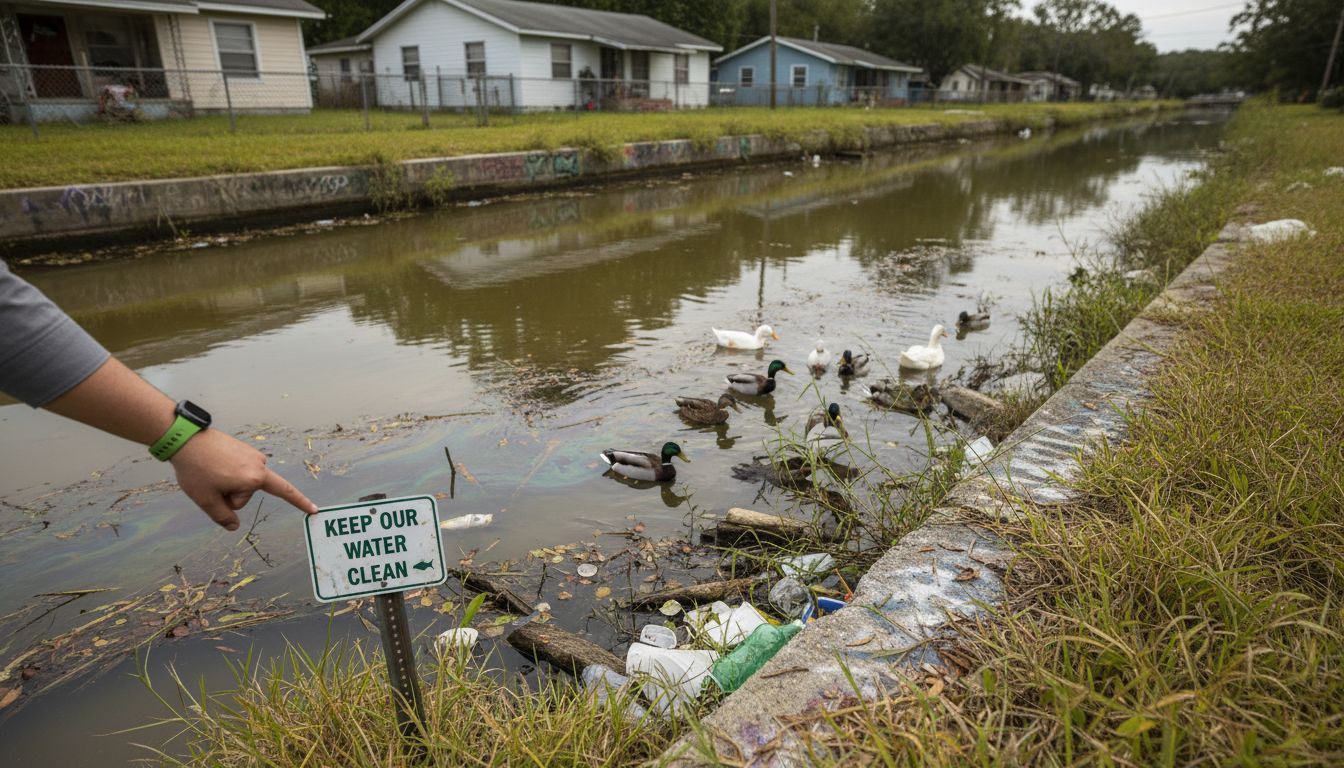
Understanding the intricate relationship between pressure washing practices and environmental health is crucial for responsible property maintenance. Professionals and homeowners must prioritize sustainable cleaning methods that minimize chemical introduction and water consumption.
Pro tip: Always capture and properly dispose of pressure washing runoff, using containment systems and eco-friendly cleaning solutions to protect local water resources.
Eco-Friendly Cleaning Methods and Alternatives
Pressure washing techniques have evolved to embrace more environmentally conscious approaches that minimize ecological impact while maintaining effective cleaning standards. Soft washing techniques represent a prime example of sustainable exterior cleaning methods that prioritize both surface preservation and environmental responsibility.
Eco-friendly cleaning alternatives focus on several key strategies for reducing environmental harm:
- Low-Pressure Application: Reduces water consumption and surface damage
- Biodegradable Cleaning Solutions: Minimizes chemical contamination
- Targeted Cleaning Techniques: Reduces overall environmental footprint
- Water Capture and Recycling: Prevents runoff and conserves water resources
Professional cleaning services are increasingly adopting innovative approaches that balance effective cleaning with environmental stewardship. Preventative exterior cleaning strategies can significantly reduce the need for intensive cleaning processes, thereby minimizing water and chemical usage.
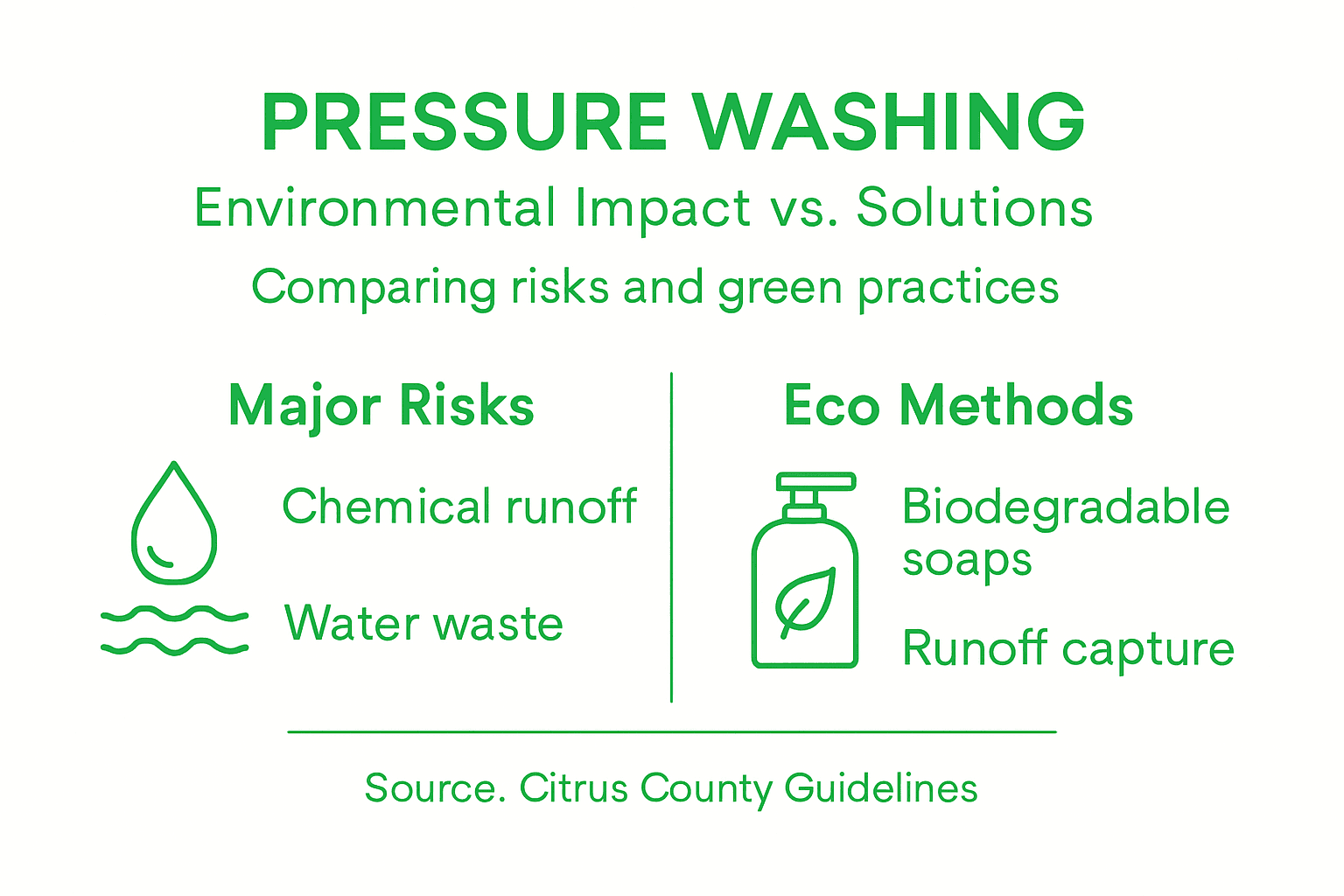
Homeowners and property managers can contribute to environmental protection by selecting cleaning methods that prioritize sustainability. This involves choosing professionals who utilize advanced, low-impact techniques and environmentally responsible products.
Here is a concise comparison of traditional pressure washing and eco-friendly cleaning methods:
| Aspect | Traditional Pressure Washing | Eco-Friendly Alternatives |
|---|---|---|
| Water Consumption | High (3-8 gallons per minute) | Low (with conservation methods) |
| Chemical Use | Conventional detergents | Biodegradable/plant-based agents |
| Surface Impact | Potential damage from high pressure | Gentle on delicate surfaces |
| Environmental Risk | High risk of runoff and pollution | Minimal runoff, better containment |
| Regulatory Compliance | May require strict oversight | Usually easier to comply |
Pro tip: Request eco-friendly cleaning solutions and water-conservation techniques when hiring pressure washing services to minimize your environmental impact.
Legal Compliance and Local Regulations in Citrus County
Environmental regulations for pressure washing in Citrus County represent a complex framework of federal, state, and local statutes designed to protect water resources and ecological systems. Professionals and homeowners must navigate these intricate legal requirements to ensure responsible exterior cleaning practices.
Key legal compliance areas include:
- Clean Water Act Provisions: Preventing pollutant discharge
- National Pollutant Discharge Elimination System (NPDES) Regulations: Managing runoff
- Local Municipal Ordinances: Specific county-level restrictions
- Environmental Protection Guidelines: Minimizing ecological impact
The legal landscape for pressure washing involves multiple layers of regulatory oversight. Licensed pressure washing services must demonstrate comprehensive understanding of these regulations, ensuring that cleaning processes meet stringent environmental protection standards.
Noncompliance can result in significant financial penalties, including substantial fines and potential legal action. Property owners and service providers must remain vigilant about proper runoff management, chemical usage, and waste disposal to avoid potential environmental violations.
The following table summarizes key legal requirements for pressure washing in Citrus County:
| Regulation Type | Main Focus | Who Must Comply |
|---|---|---|
| Clean Water Act | Prevents pollutant discharge | All property owners |
| NPDES Regulations | Manages runoff | Professional services |
| Local Ordinances | County-specific restrictions | Residents and companies |
| Environmental Guidelines | Minimize ecological impact | All parties involved |
Pro tip: Always request documentation of environmental compliance and proper licensing from pressure washing professionals to ensure legal and ecological responsibility.
Mistakes to Avoid When Pressure Washing
Common pressure washing mistakes can cause significant damage to property and create unnecessary environmental risks. Homeowners and property managers must understand the nuanced techniques required to clean surfaces effectively without causing unintended harm.
The most critical mistakes to avoid during pressure washing include:
- Excessive Pressure: Using maximum power on delicate surfaces
- Incorrect Nozzle Selection: Applying wrong spray pattern for specific materials
- Improper Technique: Spraying against wood grain or surface texture
- Safety Equipment Neglect: Skipping personal protective gear
- Chemical Misuse: Using inappropriate cleaning solutions
Pressure washing safety standards emphasize the importance of understanding equipment specifications and surface-specific requirements. Professional technicians recognize that each surface demands a unique approach, whether cleaning concrete, wooden decks, vinyl siding, or sensitive exterior materials.
Environmental considerations compound the complexity of pressure washing. Incorrect techniques can lead to water waste, chemical runoff, and potential ecosystem damage. Understanding the intricate balance between cleaning effectiveness and ecological responsibility is crucial for responsible property maintenance.
Pro tip: Always conduct a small patch test and consult professional guidance before attempting complex pressure washing tasks to prevent potential surface damage.
Protect Your Property and Environment with Expert Pressure Washing Solutions
The article highlights the serious environmental challenges associated with pressure washing in Citrus County such as chemical runoff, water waste, and ecosystem disruption. If you want to avoid these risks while maintaining the beauty and value of your home or business, White Diamond Pressure Washing offers a trusted solution. We specialize in eco-friendly, low-pressure, and soft washing techniques that safeguard your property’s exterior without harming local water resources or wildlife.
Our expert team uses industry-approved methods combined with biodegradable cleaning products to minimize chemical contamination and conserve water. Protecting Citrus County’s environment is just as important as delivering exceptional cleaning results. Learn more about our commitment to sustainable cleaning on our Pressure Washing in Maintenance page and discover why eco-conscious property owners choose us.

Take the responsible step today by choosing professional pressure washing that cares for both your property and the planet. Visit White Diamond Pressure Washing to book your service or get a free estimate now. Let our experienced team ensure your exterior cleaning is safe, effective, and 100 percent compliant with Citrus County regulations.
Frequently Asked Questions
What are the environmental risks associated with pressure washing?
Pressure washing can lead to significant environmental risks, including water waste, chemical runoff that contaminates soil and waterways, ecosystem disruption, and soil degradation from repeated exposure to harmful cleaning agents.
How does chemical runoff from pressure washing affect local ecosystems?
Chemical runoff can introduce pollutants such as petroleum residues, heavy metals, and biological contaminants into local water systems, potentially causing algal blooms, reducing water quality, and harming native wildlife and plants.
What eco-friendly alternatives exist for pressure washing?
Eco-friendly alternatives to traditional pressure washing include low-pressure application, biodegradable cleaning solutions, targeted cleaning techniques, and water capture and recycling methods to minimize environmental impact.
What steps can homeowners take to ensure responsible pressure washing practices?
Homeowners can choose eco-friendly cleaning solutions, minimize water consumption, and properly capture and dispose of runoff. Additionally, hiring licensed pressure washing services that understand local regulations can help ensure compliance and reduce ecological risks.
Recommended
- Role of Pressure Washing in Preventive Maintenance – white-diamond-pressure
- Commercial Power Washing: Why Citrus County Businesses Need It – white-diamond-pressure
- What Is Pressure Washing and Why It Matters – white-diamond-pressure
- Annual Pressure Washing Schedule: Protecting Citrus County Homes – white-diamond-pressure
One thought on “Environmental Impact of Pressure Washing in Citrus County”