

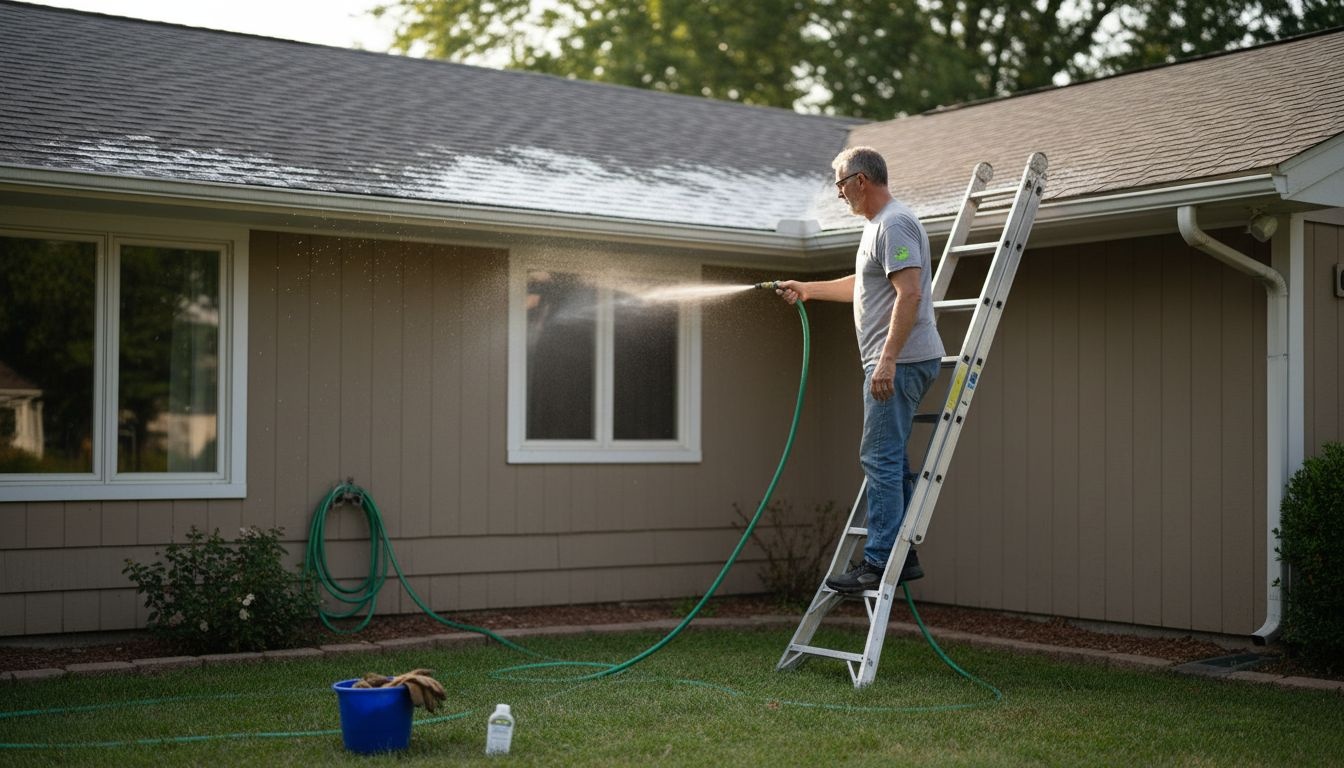
More than 60 percent of American homeowners report unexpected damage after using high pressure cleaning on sensitive exterior surfaces. For Citrus County residents, preserving property value means choosing safe methods that protect asphalt shingle roofs, vinyl siding, and delicate porch enclosures. This guide spotlights trusted soft washing solutions that keep your home looking its best while avoiding costly repairs caused by aggressive cleaning techniques.
Table of Contents
- Cleaning Asphalt Shingle Roofs Safely
- Washing Vinyl Siding Without Damage
- Gentle Cleaning of Screened Porch Enclosures
- Removing Algae from Stucco Surfaces
- Revitalizing Painted Wood Fences
- Restoring Brick Walkways with Low Pressure
- Soft Washing Exterior Windows and Frames
Quick Summary
| Key Message | Explanation |
|---|---|
| 1. Use Soft Washing for Roofs | Soft washing preserves asphalt shingles while effectively eliminating algae and mildew. Use a low-pressure bleach solution for better results. |
| 2. Protect Vinyl Siding with Low Pressure | High-pressure cleaning can damage vinyl siding. Opt for low-pressure sprays and gentle cleaners to avoid harm. |
| 3. Focus on Gentle Cleaning for Screened Porches | Delicate materials in screened porches require soft washing techniques to avoid structural damage while removing dirt and mildew. |
| 4. Inspect Stucco Before Cleaning | Check for cracks in stucco surfaces before applying diluted bleach solutions to prevent water infiltration and maintain integrity. |
| 5. Maintain Painted Wood Fences Regularly | Use eco-friendly detergents and low pressure washing to clean painted fences, preventing paint degradation and enhancing durability. |
1. Cleaning Asphalt Shingle Roofs Safely
Asphalt shingle roofs require specialized cleaning techniques that protect their structural integrity while eliminating unsightly biological growths. Soft washing provides a safe alternative to traditional high pressure cleaning methods that can damage delicate roofing materials.
Roof cleaning involves applying a carefully formulated chemical solution that kills algae, moss, and mildew without causing harm to the shingles. The Asphalt Roofing Manufacturers Association recommends using a low pressure bleach solution that effectively removes biological contaminants while preserving the roof’s protective granular surface.
The soft washing process typically involves preparing a 50/50 mixture of sodium hypochlorite and water, which is applied using specialized agricultural sprayers. These sprayers allow for even distribution of the cleaning solution across the roof surface, ensuring complete coverage and effective removal of organic growth.
Homeowners should always prioritize safety and technique when attempting roof cleaning. Wearing protective gear, using proper application equipment, and understanding the correct chemical dilution are critical steps in successful roof maintenance. Professional services can provide expert application and minimize potential risks.
Pro tip: Schedule roof cleaning during mild weather conditions to ensure optimal solution dwell time and minimize potential runoff issues.
2. Washing Vinyl Siding Without Damage
Vinyl siding represents a popular exterior home covering that requires specialized cleaning techniques to maintain its appearance and structural integrity. Soft washing provides a safe cleaning method that preserves the material without causing unnecessary damage.
Homeowners must understand that traditional high pressure washing can cause significant harm to vinyl surfaces. The Vinyl Siding Institute recommends using low pressure water sprays and gentle cleaning solutions that effectively remove dirt and biological growth without compromising the siding’s protective layers.
The cleaning process involves selecting vinyl compatible cleaning agents that will not degrade the material. Proper application requires diluted cleaning solutions applied with low pressure sprayers, ensuring even coverage and thorough yet gentle removal of accumulated grime. Protective clothing and safety equipment are recommended to prevent potential chemical exposure during the cleaning process.
Unlike other exterior surfaces, vinyl siding demands a nuanced approach that balances thorough cleaning with material preservation. Professionals typically use specialized equipment that allows precise water pressure control and targeted application of cleaning solutions to prevent potential warping or cracking.
Pro tip: Always test your cleaning solution on a small hidden area of vinyl siding first to ensure compatibility and prevent potential discoloration or damage.
3. Gentle Cleaning of Screened Porch Enclosures
Screened porch enclosures require specialized cleaning techniques that preserve their delicate structures and screening materials. Soft washing offers an ideal cleaning solution that effectively removes dirt and organic buildup without causing structural damage.
Unlike traditional pressure washing methods, soft washing uses low pressure water combined with targeted chemical solutions to eliminate mildew, algae, and environmental stains. This approach is particularly crucial for screened porches which feature sensitive materials including thin screening, wooden frames, and painted surfaces that can easily be damaged by aggressive cleaning techniques.
The cleaning process begins with selecting appropriate cleaning agents that will not degrade screen materials or compromise the porch’s structural integrity. Professionals typically use sodium hypochlorite based solutions applied through low pressure sprayers, ensuring even coverage and thorough cleaning without risking physical damage to the enclosure.
Homeowners should pay special attention to the unique construction of screened porches. These one story structures require gentle maintenance techniques that protect both the screening and underlying framing materials. Avoiding high pressure water and abrasive tools helps maintain the porch’s aesthetic and functional qualities for years to come.
Pro tip: Always test your cleaning solution on a small hidden area of the screen or frame to verify compatibility and prevent potential discoloration or material damage.
4. Removing Algae from Stucco Surfaces
Stucco surfaces often become breeding grounds for unsightly algae growth that can compromise both aesthetic appeal and structural integrity. Soft washing techniques provide an effective solution for safely removing these persistent biological contaminants without causing damage to the delicate surface.
Algae thrives in moisture rich environments, creating green or black streaks across stucco walls that not only look unappealing but can potentially lead to long term surface degradation. Traditional high pressure washing methods can actually harm stucco by eroding its protective layers and forcing moisture into underlying structures.
The recommended approach involves applying a diluted bleach solution using low pressure sprayers, which kills algae at its source while preserving the stucco’s original texture and finish. Professionals typically use a carefully balanced chemical mixture that penetrates and eliminates algae without scrubbing or aggressive mechanical action.
Before beginning the cleaning process, homeowners should inspect the stucco for existing cracks or damage that might allow water infiltration. Protecting surrounding landscaping and using appropriate protective gear are also critical steps in ensuring a safe and effective algae removal process.
Pro tip: Apply cleaning solutions during mild temperatures and avoid direct sunlight to prevent rapid solution evaporation and ensure maximum algae elimination effectiveness.
5. Revitalizing Painted Wood Fences
Painted wood fences represent a significant investment in home exterior aesthetics and require specialized maintenance to preserve their appearance and structural integrity. Wood preservation techniques protect long term durability and ensure your fence remains an attractive property feature.
Soft washing provides an ideal cleaning method for painted wood surfaces, utilizing low pressure water and mild detergent solutions that effectively remove dirt, mildew, and organic growth without damaging the paint or wood substrate. Unlike aggressive pressure washing techniques, this approach gently cleans while maintaining the protective paint layer that shields the wood from moisture and environmental damage.
The cleaning process begins with carefully selecting appropriate cleaning solutions that will not strip or compromise the existing paint. Homeowners should focus on using environmentally friendly detergents that effectively remove surface contaminants without causing discoloration or premature paint degradation. Rinsing thoroughly and allowing the fence to dry completely are critical steps in preventing potential moisture related issues.
Periodic maintenance goes beyond simple cleaning. Inspecting the fence for early signs of paint wear, wood rot, or structural damage allows homeowners to address potential problems before they become extensive and costly repairs. Applying a fresh protective coating after cleaning can significantly extend the fence’s lifespan and maintain its visual appeal.
Pro tip: Clean your painted wood fence during mild temperatures with low humidity to ensure optimal drying and prevent moisture retention that could compromise the paint and wood surface.
6. Restoring Brick Walkways with Low Pressure
Brick walkways accumulate dirt, moss, and organic stains that can diminish their aesthetic appeal and potentially compromise their structural integrity. Specialized low pressure cleaning techniques offer an effective solution for restoring these surfaces without causing damage.
Traditional high pressure washing can devastate brick surfaces by eroding mortar joints and causing surface spalling. Soft washing methods utilize carefully selected cleaning compounds and water pressures below 1000 PSI to gently remove contaminants while preserving the masonry’s original characteristics. This approach ensures that both the visual appeal and structural integrity of the walkway remain intact.
The cleaning process involves several critical steps: initial surface evaluation, selecting appropriate non abrasive chemical cleaners, and applying them using specialized low pressure equipment. Professionals typically recommend biodegradable cleaning solutions that effectively break down organic growth without introducing harmful chemicals into the surrounding landscape.
Homeowners should consider seasonal timing and local environmental conditions when planning brick walkway restoration. Early morning or mild weather periods provide optimal cleaning conditions, allowing thorough cleaning and complete drying without risk of rapid solution evaporation or potential water damage.
Pro tip: Always test your cleaning solution on a small inconspicuous area first to verify its effectiveness and ensure it will not discolor or damage the brick surface.
7. Soft Washing Exterior Windows and Frames
Exterior windows and window frames accumulate dirt, algae, and environmental residue that can diminish both aesthetic appeal and long term performance. Window maintenance requires gentle cleaning methods that preserve the delicate surfaces while effectively removing contaminants.
Soft washing provides a specialized cleaning technique that differs dramatically from traditional high pressure washing. By using low pressure water combined with carefully selected cleaning solutions, homeowners can safely remove organic growth and environmental buildup without risking damage to glass surfaces or window frame materials. Sodium hypochlorite based solutions effectively kill mildew and algae while preventing potential scratching or etching that can occur with aggressive cleaning techniques.
The cleaning process involves strategic application of diluted cleaning agents using specialized low pressure equipment. Professionals recommend starting with a comprehensive inspection of window frames and glass to identify any existing damage or areas requiring special attention. This approach ensures that the cleaning solution is applied precisely and safely, minimizing potential risks to window seals, paint, and glass coatings.
Beyond aesthetic improvements, regular soft washing of exterior windows contributes to overall home maintenance. Clean windows not only enhance curb appeal but also allow for early detection of potential maintenance issues such as seal degradation, paint wear, or developing structural concerns around window frames.
Pro tip: Clean your windows during mild temperatures with low humidity to ensure optimal drying and prevent water spots or streaking on glass surfaces.
Below is a summary table outlining the essential cleaning techniques and considerations for various surfaces as described in the article.
| Surface | Cleaning Technique | Key Considerations |
|---|---|---|
| Asphalt Shingle Roofs | Soft washing utilizing a sodium hypochlorite solution. | Use a 50/50 bleach and water mix; applied with agricultural sprayers for safety and uniformity. |
| Vinyl Siding | Low pressure washing with vinyl-friendly detergents. | Ensure cleaning agents do not damage siding; professional equipment is recommended for precise pressure application. |
| Screen Porch Frames | Gentle cleaning with low pressure and safe chemicals. | Protect fragile screen materials and wooden frames from damage during cleaning. |
| Stucco Surfaces | Low pressure application of diluted bleach solutions. | Avoid high-pressure methods to prevent surface erosion and structural water infiltration. |
| Painted Wood Fences | Soft washing with mild and environmentally friendly detergents. | Inspect fences for damage before cleaning and apply protective coatings afterward for maintenance. |
| Brick Walkways | Low pressure cleaning with biodegradable solutions. | Avoid high pressure to protect mortar joints and prevent spalling; test chemicals on small areas prior to cleaning. |
| Exterior Windows | Soft washing with sodium hypochlorite-based solutions. | Perform thorough inspections before cleaning; works well in mild weather to prevent streaking or spots on glass. |
Preserve Your Home’s Beauty with Expert Soft Washing
The article highlights how delicate surfaces like asphalt shingle roofs, vinyl siding, and painted wood fences need gentle and effective cleaning methods to avoid damage. Homeowners often face the challenge of balancing thorough cleaning with preserving the material’s integrity. The common pain points include avoiding high pressure washing that can cause cracking, discoloration, or premature wear while eliminating stubborn algae, mildew, and grime. Soft washing offers a low pressure, chemical-based approach that safely revitalizes your home exterior without compromising its structure or appearance.
At White Diamond Pressure Washing, we specialize in these industry-approved soft washing techniques tailored for Citrus County homes. Whether you want to safely remove algae from stucco, refresh your brick walkways, or clean your screened porch enclosure with care, our experienced staff uses proven methods and top-quality products that protect your investment. We understand that every surface requires specific treatment and we deliver reliable results with a focus on safety and customer satisfaction.
Ready to restore your home’s curb appeal while maintaining its long-term durability? See how our professional soft washing services can make a difference.

Explore our solutions and take the next step toward a cleaner, healthier home exterior by visiting White Diamond Pressure Washing. Don’t wait for surface damage to worsen call us today to Book Now or Get a Free Estimate. Your home deserves expert care that lasts.
Frequently Asked Questions
What is soft washing and how does it differ from pressure washing?
Soft washing is a gentle cleaning technique that uses low pressure and specialized cleaning solutions to safely remove dirt, algae, and other contaminants from various surfaces. Unlike pressure washing, which can damage materials, soft washing preserves the integrity of surfaces like roofs and siding while effectively cleaning them.
How can I safely clean my asphalt shingle roof using soft washing?
To clean your asphalt shingle roof safely, prepare a 50/50 mixture of sodium hypochlorite and water. Apply this solution using a low pressure sprayer to ensure even coverage and effectively eliminate algae and mildew without harming the shingles.
What chemical solutions are best for soft washing vinyl siding?
Select mild, biodegradable cleaning agents specifically designed for vinyl siding to avoid damaging its protective layers. Mix the cleaner with low pressure water for effective removal of grime and maintain the siding’s integrity without risk of discoloration or warping.
How often should I soft wash my painted wood fence to maintain its appearance?
It’s recommended to soft wash your painted wood fence once every 1-2 years to remove dirt and prevent mold growth. Regularly inspecting for any signs of wear can also help you address potential issues early and prolong the life of your fence.
What precautions should I take when soft washing my brick walkway?
Prior to soft washing your brick walkway, evaluate its surface for cracks or damage and protect surrounding landscaping. Use non-abrasive chemical cleaners applied with low pressure to preserve the walkway’s structure while ensuring thorough cleaning without erosion.
Can I perform soft washing on my screened porch myself, or should I hire a professional?
While homeowners can perform soft washing on their screened porches, hiring a professional ensures the right techniques and equipment are used to avoid damaging sensitive materials. If doing it yourself, always select appropriate cleaning agents and test them on a small area first for compatibility.
Recommended
- Transform Your Home: Benefits of Low-Pressure House Washing – white-diamond-pressure
- 7 Essential Types of Exterior Cleaning Every Homeowner Should Know – white-diamond-pressure
- Pressure Washing vs. Traditional Cleaning: What to Consider – white-diamond-pressure
- Master Roof Cleaning with Proven Pressure Washing Techniques – white-diamond-pressure
6 thoughts on “7 Practical Examples of Soft Washing for Homeowners”