

TL;DR:
- Surface restoration cleans and repairs exterior materials to extend their lifespan without complete replacement.
- Professionals use soft washing for delicate surfaces and pressure washing for hard surfaces, ensuring safe, effective cleaning.
- Regular restoration improves curb appeal, property value, safety, and prevents costly future repairs.
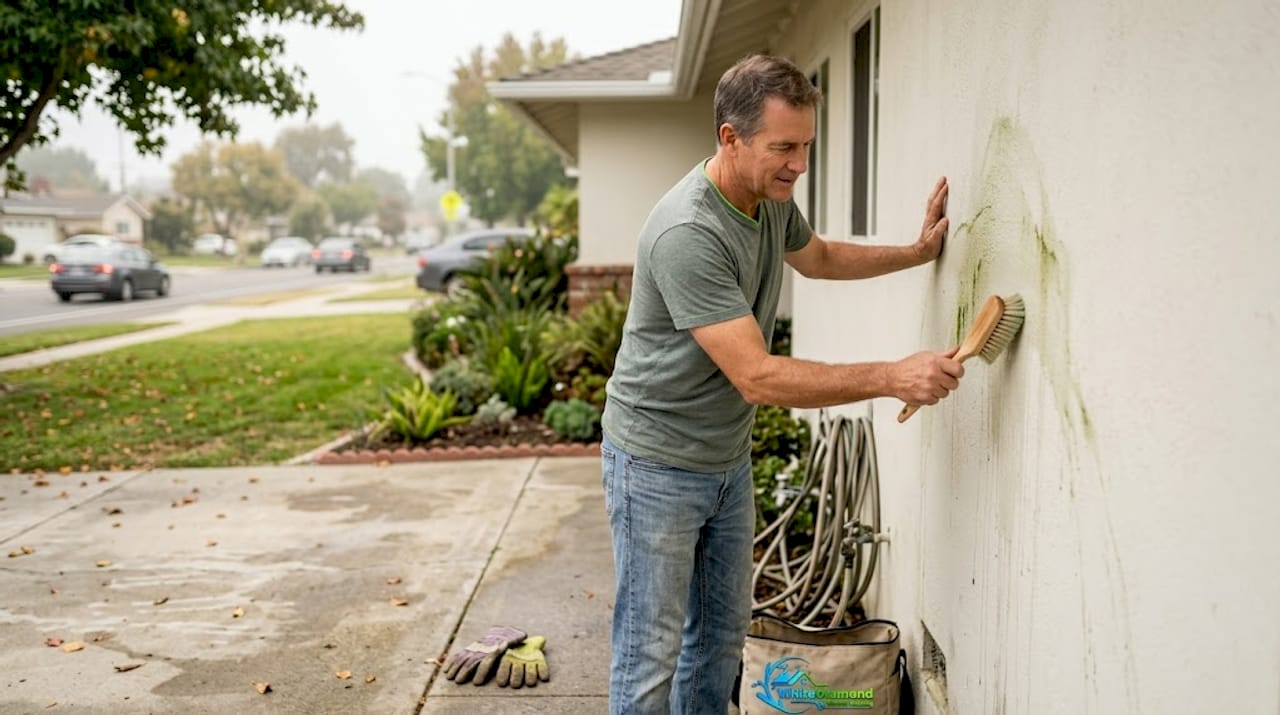
Old stains, green algae creeping up your siding, or a driveway that looks like it’s seen better days — these don’t automatically mean you need to tear everything out and start over. Many Citrus County homeowners assume the worst when they see weathered concrete or discolored roof shingles, but the truth is that surface restoration — the process of cleaning, repairing, and preserving original materials to restore appearance and extend lifespan — can turn those problems around at a fraction of replacement cost. This guide breaks down what surface restoration really is, which methods work best, and how to make the right call for your property.
Table of Contents
- What is surface restoration?
- Core methods and techniques for surface restoration
- Choosing the right approach: Factors for Citrus County homeowners
- Surface restoration benefits: Appearance, value, and longevity
- Our take: Why expertise matters and what most homeowners miss
- Get your surfaces restored safely and beautifully
- Frequently asked questions
Key Takeaways
| Point | Details |
|---|---|
| Preserves existing materials | Surface restoration safes your driveways, patios, siding, and roofs from unnecessary replacement. |
| Choose the right method | Soft washing and pressure washing serve different roles—select the safest option for each surface. |
| Protects home value | Routine restoration combats Citrus County humidity-related damage, boosting curb appeal and property longevity. |
| DIY can risk damage | Hiring professionals prevents costly mistakes and ensures warranties stay valid on delicate surfaces. |
What is surface restoration?
Surface restoration focuses on reviving the exterior materials already on your home rather than ripping them out. Think of it like a deep conditioning treatment versus a full haircut. The surfaces in question include driveways, sidewalks, siding, stucco, wood decks, masonry, and roofs. Each of these materials ages differently, but they all respond to targeted cleaning and repair in ways that can dramatically improve how your home looks and how long those materials hold up.
A lot of homeowners confuse restoration with renovation, and the difference matters. Renovation means replacing what’s there, which is expensive, disruptive, and often unnecessary. Restoration means preserving and benefits of surface restoration — working with what you already have, removing years of grime, biological growth, and staining, then sealing or repairing where needed.
Here’s a look at common exterior surfaces that respond well to professional restoration:
- Concrete driveways and walkways: Staining, oil buildup, and algae growth are all treatable without replacement.
- Roof shingles and tiles: Black streaking from algae (called gloeocapsa magma) is one of the most common and most misunderstood issues.
- Wood decks: Graying and mildew don’t mean the wood is ruined. Gentle cleaning and sealing can restore natural color.
- Stucco and painted siding: Mold and dirt buildup responds well to soft washing without disturbing the finish.
- Brick and masonry: Efflorescence (white mineral deposits) and biological growth can be removed with targeted treatments.
“Surface restoration involves cleaning, repairing, and preserving original exterior materials to avoid full replacements.”
In Citrus County, the subtropical humidity creates the perfect environment for algae, mold, and mildew to take hold fast. What looks like serious deterioration is often a layer of biological growth sitting on top of perfectly sound material. That’s a critical distinction — and it’s why professional assessment before any replacement decision is so important.
Core methods and techniques for surface restoration
With a clear understanding of what surface restoration includes, let’s explore the core methods professionals use to achieve results.
Not every surface gets the same treatment, and using the wrong method can do more harm than good. The two primary approaches are soft washing and pressure washing, and they serve very different purposes. Soft vs. power washing is a distinction that matters more than most people realize.
Soft washing uses low water pressure combined with biodegradable detergents to break down and kill biological growth at the root level. This is the correct method for roofs, painted surfaces, stucco, and wood. The detergents do the heavy lifting, not the water pressure.
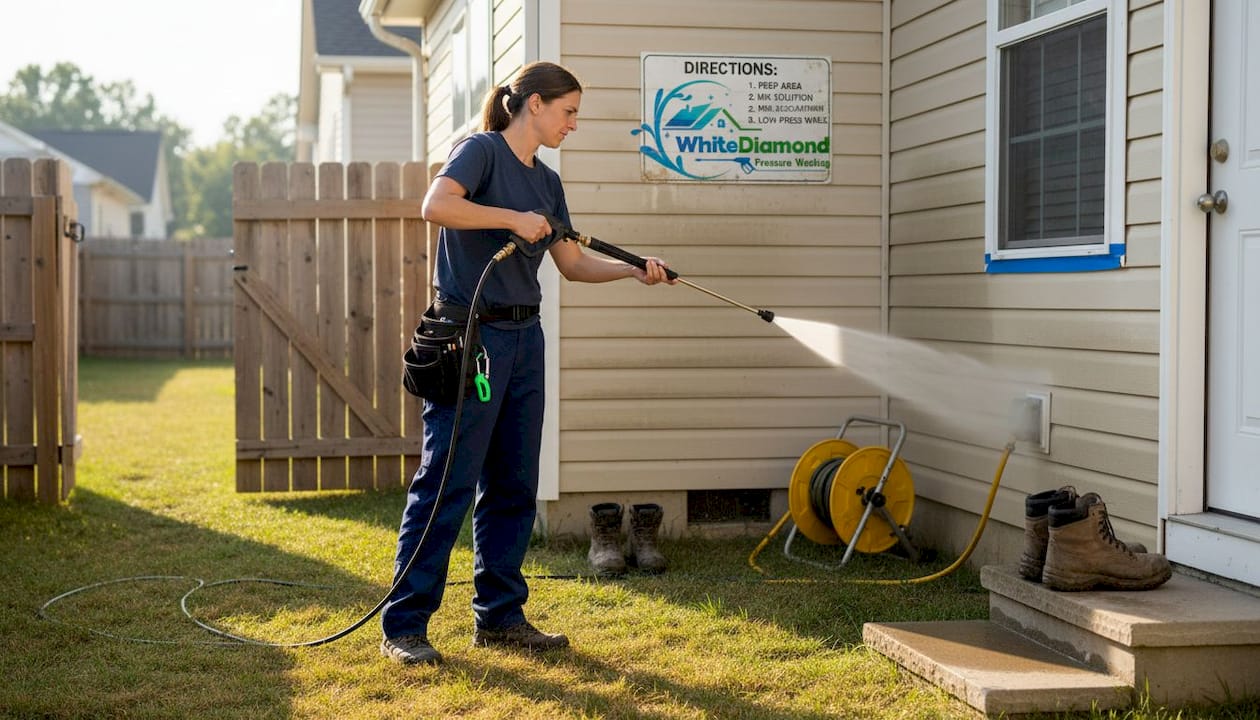
Pressure washing uses higher PSI (pounds per square inch) to blast away buildup on hard, durable surfaces like concrete driveways, brick pavers, and stone patios. It’s effective, but applying it to the wrong surface causes serious damage.
Here’s a quick comparison:
| Method | Best surfaces | Pressure level | Key benefit |
|---|---|---|---|
| Soft washing | Roof, siding, wood, stucco | Low (under 500 PSI) | Kills algae/mold at the root |
| Pressure washing | Concrete, brick, pavers | High (1500–3000 PSI) | Removes heavy staining fast |
| Manual repair | Cracks, joints, wood rot | N/A | Structural reinforcement |
Beyond washing, restoration often includes material-specific repairs. Concrete gets crack filling and joint sealing. Masonry gets repointing (replacing deteriorated mortar between bricks). Wood surfaces get sanding, cleaning, and sealing. Understanding the role of water pressure in each scenario helps avoid the kind of damage that costs far more to fix than the original problem.
Key methods used in professional restoration include:
- Biodegradable detergent application for biological growth
- Surface-appropriate pressure levels for safe cleaning
- Crack and joint filling for concrete and masonry
- Wood brightening and sealing to restore natural appearance
- Repointing for brick and stone mortar joints
According to established restoration methodologies, soft washing with biodegradable detergents versus pressure washing for concrete represents the most important method distinction professionals apply.
Pro Tip: Always test any cleaning solution on a small, hidden patch of the surface before applying it to the full area. This prevents unexpected discoloration or damage on visible sections.
Avoiding pressure washing mistakes comes down to understanding your surface first, then choosing the method that matches it.
Choosing the right approach: Factors for Citrus County homeowners
Having covered the main techniques, here’s how Citrus County homeowners can select the right approach for their unique property.
The local climate isn’t forgiving. Florida’s humidity and salt air accelerate algae and mold regrowth significantly, which means method selection and cleaning frequency both matter more here than in drier regions. Choosing the wrong method doesn’t just fail to solve the problem — it can actually speed up regrowth or cause surface damage that voids manufacturer warranties.
Here’s a reference guide for Citrus County surfaces:
| Surface | Recommended method | Suggested frequency |
|---|---|---|
| Roof | Soft washing | Every 1 to 2 years |
| Driveway/walkway | Pressure washing | Every 6 to 12 months |
| Vinyl/wood siding | Soft washing | Annually |
| Patio/pavers | Pressure washing or soft wash | Every 6 to 12 months |
| Wood deck | Soft washing + sealing | Annually |
| Stucco | Soft washing | Every 1 to 2 years |
Several factors should guide your decision before any restoration work begins:
- Surface material type: Delicate materials like wood, shingles, and painted surfaces require soft washing. Hard materials tolerate higher pressure.
- Degree of biological growth: Heavy algae or mold may require stronger detergent formulas applied by trained professionals.
- Proximity to landscaping: Some cleaning agents can affect plants if not properly managed. Professionals know how to protect surrounding areas.
- Age and condition of the surface: Older, more porous materials need gentler approaches to avoid accelerating wear.
- HOA or local compliance requirements: Many Citrus County communities have specific maintenance standards that need to be met.
The risks of going the wrong route include stripping paint, cracking older masonry, etching concrete, and sending high-pressure water underneath siding, creating moisture problems inside walls. The dangers of DIY pressure washing are well documented and often result in repairs that cost more than the original cleaning service.
Pro Tip: Schedule professional exterior cleaning one to two times per year in Citrus County. The humidity here makes annual maintenance a baseline need, not a luxury.
For a closer look at how these techniques work in practice, soft washing examples show real results on common residential surfaces.
Surface restoration benefits: Appearance, value, and longevity
Beyond just cleaning, surface restoration delivers tangible benefits local homeowners often overlook.
The most visible benefit is curb appeal. A freshly restored driveway, clean roof, and bright siding can transform how a home looks from the street in a single afternoon. But the advantages run deeper than aesthetics.
Here’s what consistent surface restoration actually delivers:
- Increased property value: Clean, well-maintained exteriors signal to buyers and appraisers that the home has been cared for. This directly affects resale value.
- HOA compliance: Many communities in Citrus County require homeowners to maintain exterior surfaces within specific appearance standards. Restoration keeps you in compliance without major expenditures.
- Long-term savings: Treating a surface now costs a small fraction of replacing it later. A professional soft wash for a roof is far cheaper than a premature shingle replacement caused by unchecked algae damage.
- Improved safety: Algae and mold on walkways, driveways, and pool decks create slippery surfaces. Restoration removes these hazards.
- Extended material lifespan: Regular cleaning prevents the biological growth and moisture intrusion that break down materials over time.
“Restoration enhances property value, curb appeal, prevents HOA issues, and reduces long-term costs by addressing deterioration early.”
Soft washing can keep surfaces visibly clean two to three times longer than standard pressure washing alone, because it kills the biological growth rather than just washing it away. Algae and mold that are only blasted off with water tend to regrow quickly. Killing the root organism is what makes results last.
The professional cleaning benefits extend beyond appearance to actual structural protection. Paint lasts longer on clean surfaces. Sealants bond better. Wood resists rot more effectively when properly maintained on a consistent schedule.
Preventative cleaning is also far cheaper than reactive repairs. A pressure wash today versus a full driveway resurfacing or re-painting job in two years. The math is straightforward.
Our take: Why expertise matters and what most homeowners miss
Here’s our candid perspective after working on Citrus County homes year after year: most homeowners underestimate both the technical side of surface restoration and how frequently this climate demands attention.
DIY attempts often create new problems. Using the wrong PSI on a roof strips granules off shingles, shortening their effective life. Using a cleaner not designed for the surface can bleach or etch the material. These aren’t minor cosmetic issues. They can void manufacturer warranties and lead to water intrusion that turns a $300 cleaning job into a $3,000 repair.
The other thing we see often is homeowners waiting too long between cleanings. In a dry climate, annual cleaning might be fine. In Citrus County, algae and mold can return within months. Ignoring common restoration mistakes doesn’t make them cheaper to fix later.
We believe the real value of professional restoration isn’t just the clean result you see on the day of service. It’s the expertise in choosing the right chemistry, the right pressure, and the right timing for your specific surface and conditions. That knowledge protects your investment in a way that a pressure washer rental simply cannot.
Pro Tip: Don’t shop solely on price. The cheapest service often uses generic detergents and high pressure on everything, which costs you more in the long run.
Get your surfaces restored safely and beautifully
If you’ve been putting off exterior cleaning because you weren’t sure where to start or what method was right for your home, now you have a clear framework to work from.
White Diamond Pressure Washing works with Citrus County homeowners to restore driveways, roofs, siding, decks, and more using the right methods for each surface. Whether you need a soft wash for your roof or a pressure treatment for your driveway, we handle every step safely and professionally. Explore the full soft washing process guide to see exactly how we approach each job, or connect directly with Citrus County restoration specialists to get your free estimate today.
Frequently asked questions
What is the difference between surface restoration and renovation?
Surface restoration cleans and preserves existing materials without replacing them, while renovation involves removing and replacing those materials entirely. Restoration is typically faster, less expensive, and equally effective when done correctly.
How often should I restore my home’s exterior surfaces in Citrus County?
Because Florida’s humidity accelerates algae and mold regrowth, most exterior surfaces in Citrus County benefit from professional restoration every 6 to 12 months, with some surfaces like roofs needing attention every one to two years.
Is soft washing safer than pressure washing for my roof?
Yes. Soft washing is safer for roofs because it uses low pressure and biodegradable detergents to kill algae without stripping shingle granules, while high-pressure washing can shorten roof lifespan significantly.
Can DIY pressure washing harm my home’s exterior?
DIY risks damage to surfaces, voided warranties, and incomplete cleaning that leads to rapid regrowth. Professionals are trained to match the correct pressure, technique, and cleaning agents to each specific surface type.
Recommended
- Exterior Restoration: Boost Your Curb Appeal Safely – white-diamond-pressure
- 7 Common Exterior Surfaces to Clean for Better Curb Appeal – white-diamond-pressure
- Why Clean Home Exteriors Matter for Value – white-diamond-pressure
- Top 5 Benefits of Exterior Cleaning for Curb Appeal – white-diamond-pressure
2 thoughts on “Surface Restoration Explained: Enhance Your Home’s Curb Appeal”