

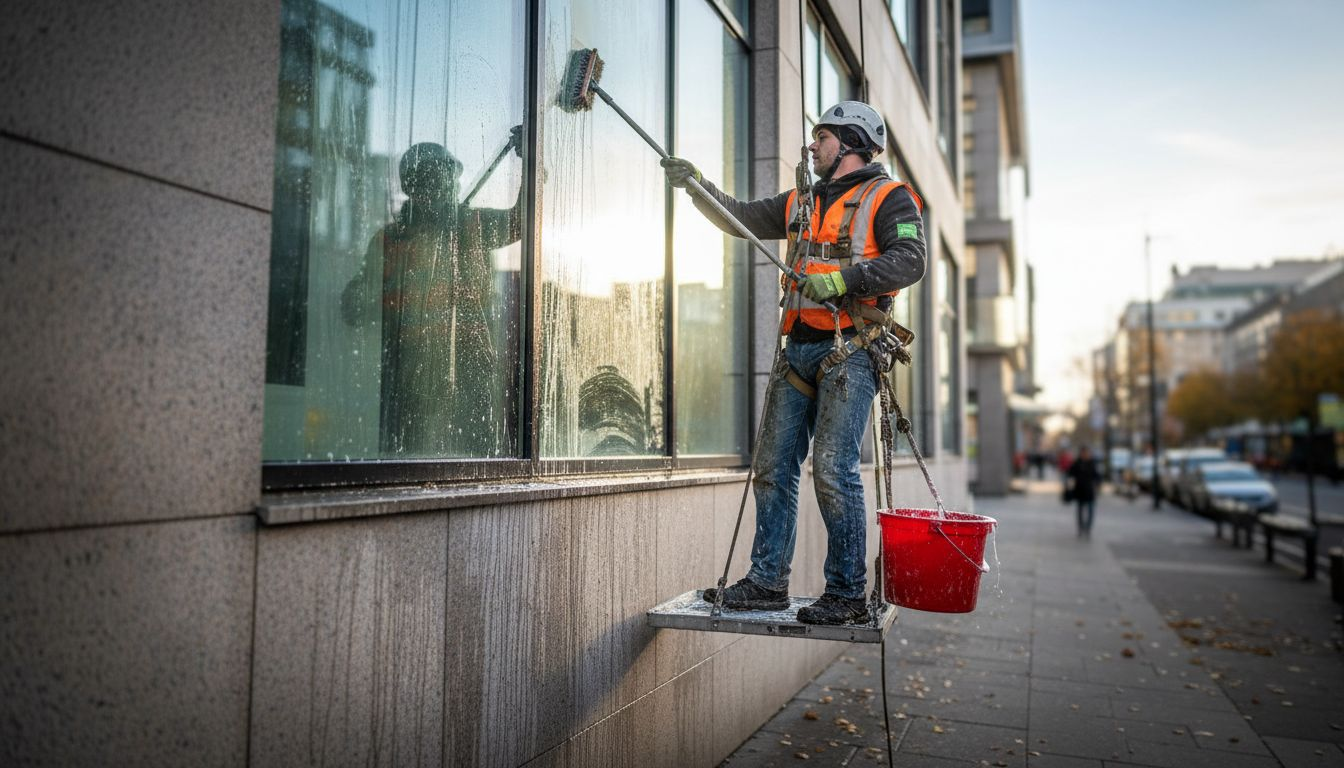
Professional facade cleaning can extend your building’s exterior lifespan by up to 100%, yet most property owners wait until visible damage appears before taking action. This proactive maintenance protects your investment while enhancing curb appeal. Understanding proper cleaning methods, scheduling, and professional services ensures your property remains structurally sound and visually appealing for decades.
Table of Contents
- Introduction To Building Facade Cleaning
- Understanding Building Facade Cleaning: What It Is And How It Works
- Techniques And Technologies Used In Building Facade Cleaning
- Common Misconceptions About Building Facade Cleaning
- Frequency And Scheduling Of Facade Cleaning
- Environmental And Regulatory Considerations In Facade Cleaning
- Hiring Professional Facade Cleaning Services: What To Look For
- Conclusion And Practical Tips For Homeowners And Property Managers
- Professional Facade Cleaning Solutions In Citrus County
Key Takeaways
| Point | Details |
|---|---|
| Professional Techniques | Building facade cleaning combines methods tailored to specific materials and environmental conditions. |
| Lifespan Extension | Regular cleaning can double facade lifespan while preserving property value. |
| Method Selection | Soft washing suits delicate surfaces, while robotic systems improve high-rise safety. |
| Cleaning Schedule | Biannual cleaning is recommended based on pollution levels, climate, and material type. |
| Professional Certification | Hiring certified experts ensures safety compliance and quality results. |
Introduction to Building Facade Cleaning
Building facade cleaning is a professional service that removes dirt, pollution, biological growth, and contaminants from building exteriors. Common facade materials include glass, stone, concrete, brick, stucco, and wood, each requiring specific cleaning approaches. This specialized service goes beyond cosmetic improvement, addressing structural preservation and safety concerns that arise when contaminants degrade building materials over time.
The scope of facade cleaning encompasses removing various damaging agents. Environmental pollutants create acidic deposits that erode surfaces. Biological growth like algae, moss, and mold penetrates porous materials, causing structural weakness. Regular cleaning prevents these agents from compromising your building’s integrity.
The facade cleaning market continues expanding, with 42% of services supporting commercial buildings. Market growth stems from increased urbanization and heightened awareness about property maintenance. Property managers recognize that neglecting facade care leads to expensive repairs and decreased property values.
Three primary factors drive demand for professional facade cleaning:
- Property aesthetics directly influence tenant satisfaction and rental rates
- Preventative maintenance costs significantly less than structural repairs
- Clean exteriors meet insurance requirements and safety standards
Understanding Building Facade Cleaning: What It Is and How It Works
Facade contamination occurs through multiple environmental sources. Air pollution deposits acidic particulates that chemically react with building materials. Moisture combines with organic matter to create ideal conditions for biological growth. These contaminants don’t just sit on surfaces; they actively degrade structural integrity.
Cleaning removes these damaging agents through mechanical and chemical processes. Professional methods break down contaminants at the molecular level while physically lifting them from surfaces. This dual action prevents the progressive deterioration that occurs when pollutants remain embedded in facade materials.
Research demonstrates that regular facade cleaning extends material life by up to 100% compared to neglected surfaces. Clean facades resist weathering more effectively because protective sealants and coatings function optimally on clean surfaces. When contaminants accumulate, they trap moisture against materials, accelerating freeze-thaw damage and chemical erosion.
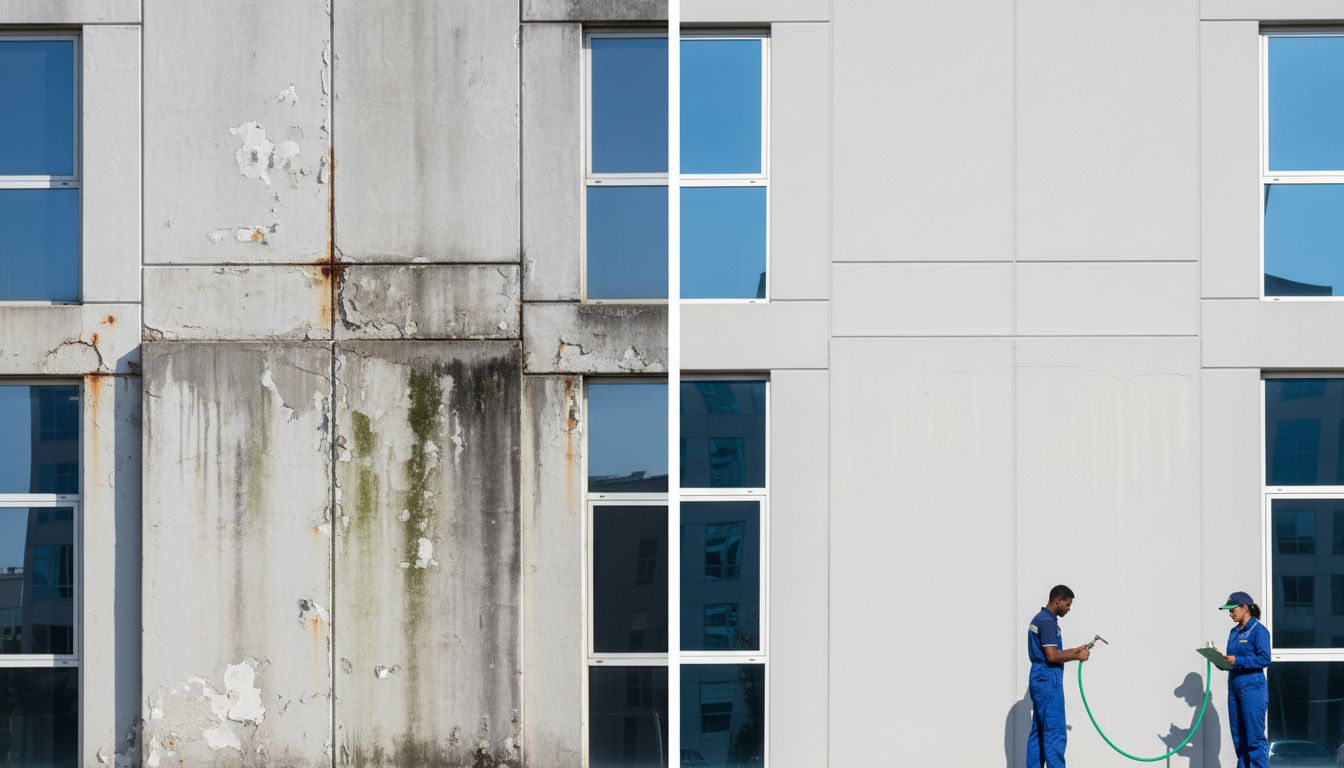
Protected facades last twice as long: Clean building exteriors maintain structural integrity for 50+ years versus 25 years for neglected properties.
Protecting materials through regular cleaning reduces long-term repair costs substantially. Replacing deteriorated stone or concrete sections costs 10 to 15 times more than preventative cleaning. Property owners who implement regular facade maintenance schedules avoid emergency repairs and preserve resale values.
Facade cleaning delivers four critical benefits beyond appearance:
- Prevents structural damage from biological and chemical degradation
- Maintains property values through preserved curb appeal
- Reduces liability risks from falling debris or slippery surfaces
- Extends time between major renovation projects
Techniques and Technologies Used in Building Facade Cleaning
Professional facade cleaning employs various methods matched to specific materials and contamination types. Selecting appropriate techniques prevents damage while achieving thorough cleaning results.
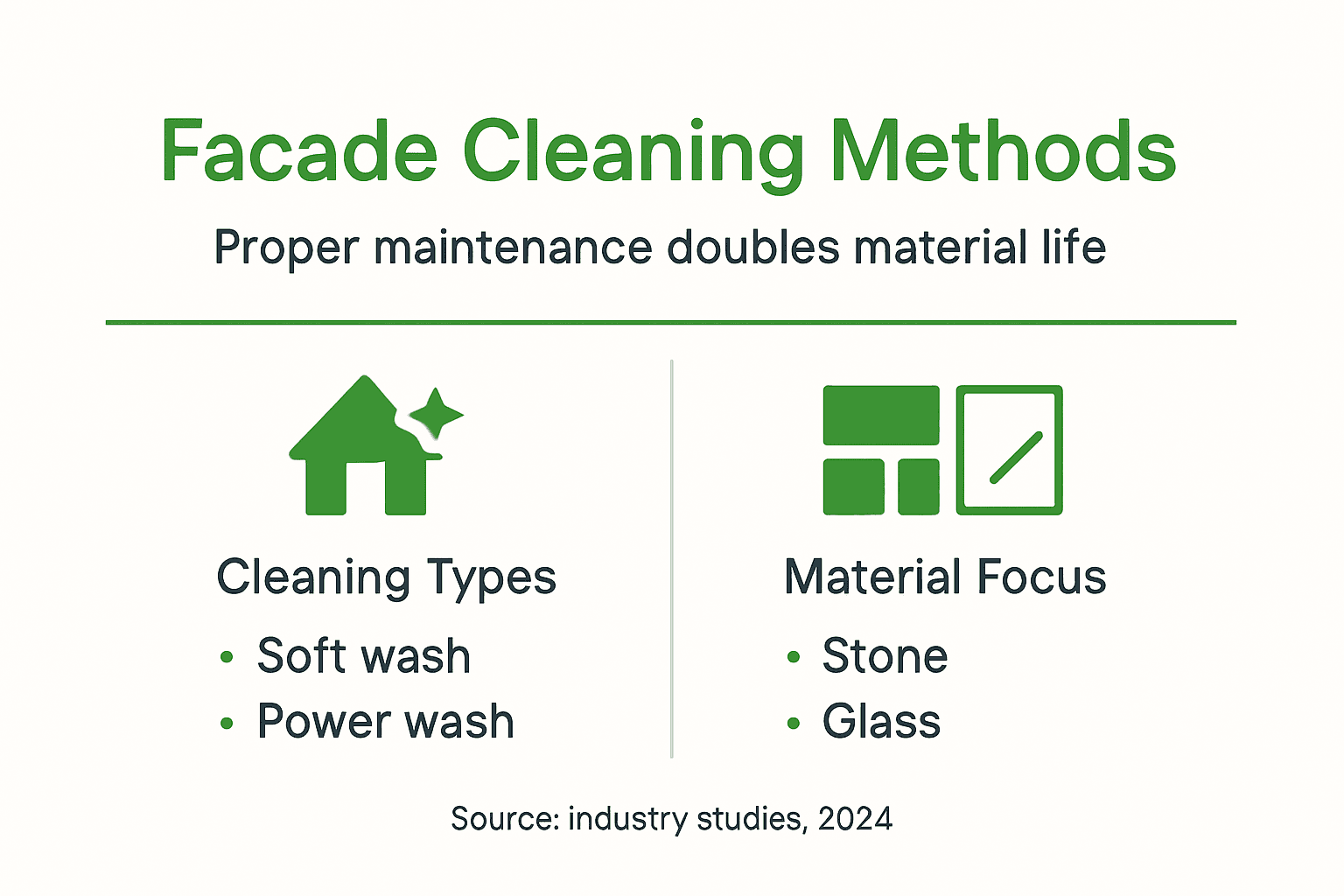
Soft washing uses low pressure (under 500 psi) combined with biodegradable detergents formulated to break down organic growth and stains. This method suits delicate materials like stucco, wood siding, and painted surfaces where high pressure would cause erosion or finish damage. The cleaning solutions do the heavy work, allowing gentle rinsing to remove contaminants without mechanical stress.
High-pressure washing (above 1000 psi) applies only to extremely durable surfaces like unsealed concrete or brick. Even then, incorrect angles or excessive pressure create pitting, surface etching, and accelerated weathering. Most residential facades require gentler approaches.
Chemical cleaning targets specific contaminants. Alkaline cleaners dissolve organic matter and biological growth. Acidic solutions remove mineral deposits and efflorescence. Modern formulations use biodegradable ingredients that break down naturally without environmental harm.
Robotic and automated systems represent emerging technology for tall buildings. Robotic cleaning systems grow at 15% annually, improving safety by eliminating high-altitude human work. These systems use programmed patterns and sensors to clean uniformly while reducing labor costs and accident risks.
| Method | Pressure Range | Best For | Avoid Using On |
|---|---|---|---|
| Soft Washing | Under 500 psi | Wood, stucco, painted surfaces | None (universally safe) |
| Power Washing | 1000-3000 psi | Concrete, unsealed brick | Delicate materials, windows |
| Chemical Treatment | N/A | Biological growth, stains | Sensitive plantings without protection |
| Robotic Systems | Variable | High-rise glass, metal panels | Irregular or damaged surfaces |
Pro Tip: Match cleaning methods to your facade material composition. Using high pressure on soft materials like wood or stucco causes irreversible surface erosion and shortens material lifespan.
Understanding soft washing versus power washing helps you communicate effectively with service providers. Ask which method they recommend for your specific facade type and why.
Common Misconceptions About Building Facade Cleaning
Several widespread myths lead property owners to make poor decisions about facade maintenance.
The belief that higher pressure always cleans better causes extensive damage annually. High-pressure water strips protective sealants, erodes mortar joints, and forces water behind siding where it causes hidden rot and mold growth. Effective cleaning depends on proper chemical formulation and technique, not maximum pressure.
DIY facade cleaning attempts often void material warranties and create safety hazards. Manufacturers specify professional cleaning methods in warranty terms. Using incorrect products or techniques nullifies coverage for subsequent damage. Additionally, working at heights without proper equipment and training leads to serious injuries.
Many property owners view facade cleaning as purely cosmetic. This misconception delays necessary maintenance until structural damage requires expensive repairs. Clean facades actively preserve building longevity by preventing contaminant penetration and material degradation.
Concerns about chemical cleaning stem from outdated practices. Modern biodegradable cleaning agents break down naturally and pose minimal environmental risk when applied correctly. Professional services use proper dilution ratios and containment methods to protect landscaping and water sources.
Pro Tip: Always consult certified professionals before attempting facade cleaning. They assess material condition, identify appropriate methods, and ensure compliance with safety regulations and manufacturer specifications.
Five critical facts about professional exterior cleaning:
- Proper technique matters more than equipment power
- DIY attempts often cause more damage than they prevent
- Environmental safety requires specific product knowledge
- Insurance coverage depends on professional service documentation
- Material warranties specify approved cleaning methods
Frequency and Scheduling of Facade Cleaning
Establishing appropriate cleaning schedules maximizes protective benefits while optimizing maintenance budgets.
Biannual facade cleaning is recommended for properties in moderate to high pollution environments. This frequency prevents contaminant accumulation from reaching levels that cause permanent staining or material damage. Properties in pristine environments may extend intervals to annual cleaning.
Several factors influence optimal scheduling. Pollution levels from traffic, industry, or agricultural operations determine how quickly contaminants accumulate. Humidity and rainfall patterns affect biological growth rates. Material porosity influences how deeply contaminants penetrate surfaces.
Regular scheduling reduces total maintenance costs by preventing expensive repairs. Property values remain stable when exteriors maintain fresh appearance. Insurance providers often require documented maintenance schedules for coverage.
Determining your property’s ideal cleaning frequency:
- Assess local environmental factors including pollution sources and humidity levels
- Identify facade materials and their porosity characteristics
- Inspect for visible contamination every three months
- Schedule professional cleaning when discoloration or growth appears
- Document all cleaning services for warranty and insurance purposes
| Environmental Factor | Cleaning Frequency | Material Considerations |
|---|---|---|
| High pollution, coastal | Every 6 months | Salt exposure accelerates corrosion |
| Moderate pollution, humidity | Every 6-8 months | Biological growth dominates |
| Low pollution, dry climate | Annually | Dust and mineral deposits primary concern |
| Heavy tree cover | Every 4-6 months | Organic debris and shade promote growth |
Property managers in Citrus County benefit from understanding the local pressure washing schedule that accounts for regional humidity and pollen levels. Coordinating facade cleaning with other exterior maintenance creates efficiency.
Environmental and Regulatory Considerations in Facade Cleaning
Citrus County’s climate creates specific challenges and opportunities for facade maintenance.
High humidity levels (consistently above 70%) promote rapid biological growth on building exteriors. Moss, algae, and mildew thrive in moist conditions, requiring specialized treatment approaches. Biocide treatments integrated into soft washing address these organisms at their root systems, preventing regrowth for extended periods.
Pollen from native vegetation adds another contamination layer. Spring and fall pollen seasons coat facades with organic material that feeds biological growth when combined with moisture. Regular cleaning during peak seasons prevents this cycle.
Local regulations require trained professionals for facade cleaning to ensure public safety and environmental protection. Proper equipment, fall protection systems, and containment methods prevent accidents and pollution. Professional services maintain current certifications and insurance coverage as mandated by county and state requirements.
Eco-friendly cleaning practices minimize environmental impact through several approaches. Biodegradable detergents break down naturally without harming soil or water. Containment systems capture runoff for proper disposal rather than allowing chemicals to enter storm drains. Low-pressure methods reduce water consumption compared to high-volume power washing.
Key factors affecting facade cleaning in Citrus County:
- Persistent humidity accelerates biological contamination
- Seasonal pollen creates organic buildup requiring frequent attention
- Coastal proximity introduces salt spray in some areas
- Environmental regulations govern chemical use and water discharge
- Professional certification ensures compliance with safety standards
Professional services ensure compliance with safety regulations, reducing accident risks and legal liabilities. Documented professional cleaning also satisfies insurance requirements and property disclosure obligations.
Hiring Professional Facade Cleaning Services: What to Look For
Selecting qualified professionals ensures effective, safe facade cleaning that preserves your investment.
Verify provider experience with your specific facade materials and local climate conditions. Citrus County’s humidity and biological growth patterns require specialized knowledge. Providers should demonstrate familiarity with soft washing techniques and biocide applications appropriate for regional conditions.
Confirm all necessary certifications, insurance coverage, and safety training. Legitimate professionals carry general liability insurance, workers’ compensation coverage, and bonding. Ask for proof of current certifications in pressure washing and chemical application. Safety training should include fall protection and proper equipment operation.
Inquire about specific cleaning methods, chemical products, and equipment used. Reputable providers explain their process, justify method selection based on your facade materials, and disclose all chemicals applied to your property. They should offer eco-friendly options and containment plans for runoff.
Check local client reviews, references, and project portfolios. Professional facade cleaning services should readily provide examples of completed projects similar to yours. Contact references to verify satisfaction with results, professionalism, and adherence to quoted timelines and prices.
Critical questions for prospective service providers:
- What specific experience do you have with my facade material type?
- Which cleaning method do you recommend and why?
- What chemicals will you use, and are they environmentally safe?
- Do you carry current insurance and certifications?
- Can you provide local references from similar projects?
- How do you protect landscaping and capture runoff?
- What guarantees do you offer on your work?
Professional standards in the facade cleaning industry require experience, proper equipment, and compliance knowledge. Hiring qualified professionals protects your property investment and ensures results that extend facade lifespan.
Conclusion and Practical Tips for Homeowners and Property Managers
Professional facade cleaning represents essential maintenance that extends material lifespan while enhancing property appearance and value. Understanding proper methods, scheduling, and provider selection empowers you to make informed decisions protecting your investment.
Schedule cleaning at least twice yearly, adjusting frequency based on local pollution levels, humidity, and visible contamination. Citrus County’s climate demands attention to biological growth and organic buildup. Proactive scheduling prevents damage accumulation that leads to expensive structural repairs.
Hire certified professionals experienced with regional conditions and your specific facade materials. Verify insurance coverage, safety training, and environmental compliance. Professional services deliver superior results while protecting you from liability and warranty issues.
Use eco-friendly methods that comply with local regulations. Biodegradable cleaning agents and proper containment protect the environment without sacrificing cleaning effectiveness. Document all professional services for insurance and property records.
Routine facade maintenance checklist:
- Inspect facades quarterly for discoloration, staining, or biological growth
- Schedule professional cleaning every six months minimum
- Verify contractor certifications and insurance before hiring
- Request detailed service records for property documentation
- Address visible contamination promptly to prevent permanent damage
- Coordinate facade cleaning with other exterior maintenance tasks
Professional Facade Cleaning Solutions in Citrus County
Maintaining your property’s exterior requires expertise matched to local environmental conditions. Professional facade cleaning protects your investment while enhancing curb appeal and structural integrity.

White Diamond Pressure Washing brings specialized knowledge of Citrus County’s unique challenges to every project. Our team understands how humidity, biological growth, and seasonal pollen affect building exteriors. We use proven soft washing techniques that clean thoroughly without damaging delicate materials. Our eco-friendly approach protects your landscaping while delivering exceptional results. We maintain current certifications, comprehensive insurance coverage, and strict safety protocols on every job. Our professional cleaning services extend facade lifespan while preserving property values. Contact us today to schedule your consultation and experience the difference that expert care makes for your property’s appearance and longevity.
FAQ
What is building facade cleaning?
Building facade cleaning is the professional removal of dirt, pollution, biological growth, and contaminants from exterior building surfaces. This specialized service maintains both aesthetic appeal and structural integrity by preventing degradation caused by environmental exposure.
How often should I schedule facade cleaning for my property?
Schedule facade cleaning at least twice yearly, particularly in humid, pollen-rich areas like Citrus County. Actual frequency depends on local pollution levels, proximity to trees, and your specific facade materials. Properties with heavy biological growth may require more frequent attention.
Can I do building facade cleaning myself?
DIY facade cleaning risks serious surface damage and typically voids material warranties. Incorrect pressure settings, improper chemical selection, or inadequate safety equipment create hazards and expensive repairs. Professional services provide safer, more effective, and warranty-compliant cleaning.
What cleaning methods are safest for delicate facade materials?
Soft washing with low pressure (under 500 psi) and biodegradable detergents offers the safest approach for delicate materials. This method effectively removes contaminants without mechanical damage to wood, stucco, painted surfaces, or other sensitive materials. Never use high-pressure washing on delicate facades.
Why is environmental compliance important in facade cleaning?
Environmental compliance protects local ecosystems, prevents water pollution, and ensures legal operation. Proper chemical handling, runoff containment, and biodegradable product selection minimize environmental impact. Compliance also protects property owners from fines and liability while maintaining community standards.