


You’ve just completed a major renovation or new build in Citrus County, and your property looks amazing. But beneath the surface, construction dust containing silica, debris, and adhesive residues create hidden hazards that regular cleaning methods simply can’t address. This guide explains why specialized post-construction cleaning is essential for health, safety, and protecting your investment.
Table of Contents
- What Is Post-Construction Cleaning?
- Health And Safety Risks Of Construction Dust And Debris
- Specialized Equipment And Techniques In Post-Construction Cleaning
- Protecting New Surfaces And Enhancing Property Value
- Common Misconceptions About Post-Construction Cleaning
- Practical Guidance: How Homeowners And Property Managers Should Approach Post-Construction Cleaning
- Ensure Safe And Thorough Post-Construction Cleaning With White Diamond Pressure Washing
- Frequently Asked Questions
Key takeaways
| Point | Details |
|---|---|
| Post-construction cleaning removes hazardous dust and debris that regular cleaning misses | Specialized equipment like HEPA vacuums capture fine particles regular tools can’t handle |
| Construction dust poses serious respiratory and physical injury risks | Crystalline silica exposure affects 1-2 million U.S. workers annually with severe health consequences |
| Proper cleaning protects new surfaces and enhances property value | Prevents scratches, extends finish lifespan, and increases market appeal |
| Professional services ensure compliance and quality results | Trained teams meet OSHA standards and use phased cleaning methods |
What is post-construction cleaning?
Post-construction cleaning is a specialized process that occurs after major construction or renovation work finishes. Unlike your weekly house cleaning routine, this intensive process targets construction dust, debris, adhesives, and residues that pose real dangers to occupants.
The scope goes far beyond sweeping floors and wiping counters. Construction sites leave behind materials that require industrial-grade equipment and specific techniques to remove safely. Regular household vacuum cleaners actually spread fine particles into the air rather than capturing them.
Professionals approach post-construction cleaning in distinct phases:
- Rough cleaning removes large debris, packaging materials, and visible construction waste
- Light cleaning targets dust on surfaces, windows, and fixtures using specialized tools
- Final detailing includes HVAC cleaning, polishing, and ensuring every surface meets safety standards
This multi-phase approach addresses different hazard types systematically. Each stage requires specific equipment not found in typical cleaning supplies. The goal extends beyond appearance to create genuinely safe, hygienic spaces ready for occupancy.

Health and safety risks of construction dust and debris
Construction dust contains respirable crystalline silica, a substance linked to serious lung disease. Approximately 1-2 million U.S. workers face silica exposure, with about 59,000 expected to develop silicosis. This isn’t just a workplace concern. Homeowners and tenants moving into inadequately cleaned properties face these same risks.
Fine dust particles trigger respiratory irritation and allergic reactions in sensitive individuals. Children and elderly occupants are particularly vulnerable. The particles are so small they penetrate deep into lungs, where they cause inflammation and long-term damage.
Physical debris creates immediate injury hazards:
- Nails, screws, and metal shards cause puncture wounds
- Glass fragments from windows or fixtures cut skin
- Wood splinters embed in feet and hands
- Adhesive residues create slip hazards on floors
Construction dust settles throughout HVAC systems, degrading indoor air quality for months. Every time heating or cooling runs, contaminated air circulates through living spaces. Ductwork becomes a reservoir of hazardous particles that household cleaning never reaches.
Neglecting proper cleanup doesn’t just compromise comfort. It violates safety regulations and increases liability for property managers and homeowners alike.
Specialized equipment and techniques in post-construction cleaning
Professional post-construction cleaning uses HEPA vacuum systems capturing 99.97% of particles down to 0.3 microns. This level of filtration is essential because construction dust particles are often smaller than what regular vacuums can trap. Standard equipment recirculates dangerous particles back into the air.
Industrial-grade cleaning agents dissolve adhesives, paint overspray, and grime that household products can’t touch. Power washers tackle exterior surfaces without damaging new materials when operated correctly. These tools require training to use safely and effectively.
The phased cleaning process follows a strategic sequence:
- Rough cleaning removes bulk debris, protects surfaces with coverings, and prepares the space
- Light cleaning addresses dust on all surfaces using microfiber cloths and HEPA vacuums
- Final detailing polishes fixtures, cleans HVAC components, and replaces air filters
Each phase builds on the previous one. Skipping steps or rushing through them leaves hazards behind. Specialized tools protect delicate new surfaces from scratches during cleaning. For example, professionals use soft brushes and appropriate pressure levels when cleaning windows, similar to how soft washing protects exterior surfaces from damage.
Proper ventilation during and after cleaning is critical. Opening windows, running fans, and replacing HVAC filters restores indoor air quality. This final step ensures particles loosened during cleaning don’t resettle on surfaces.
Pro Tip: Schedule HVAC filter replacements immediately after post-construction cleaning completes. Even with careful work, some dust enters ductwork during construction and cleaning phases.
Protecting new surfaces and enhancing property value
Dust and grit scratch floors, countertops, and fixtures when they’re not completely removed. These microscopic abrasives act like sandpaper every time someone walks across a floor or wipes a counter. What starts as invisible damage becomes visible wear within weeks.
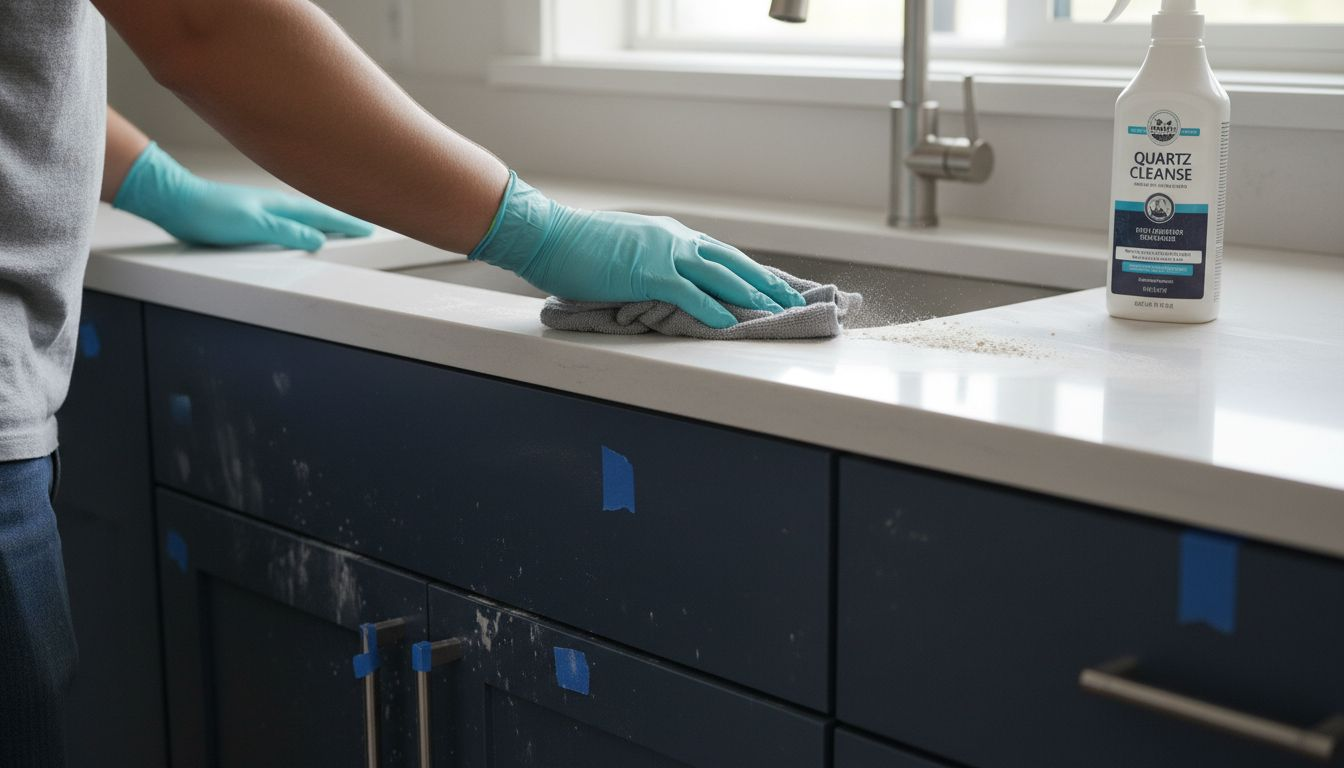
Clean interiors make properties dramatically more appealing to buyers and tenants. First impressions matter enormously in real estate. A sparkling, dust-free space suggests quality construction and attentive ownership. Conversely, visible construction residue raises questions about what other details were overlooked.
Professional cleaning extends the lifespan of finishes and reduces costly premature repairs. New hardwood floors, tile, and fixtures represent significant investments. Protecting them through proper initial cleaning prevents replacement costs down the road. Regular exterior cleaning maintains property value, and the same principle applies to post-construction interiors.
Enhanced cleanliness contributes to higher market values and faster leasing or sales. Properties that show well command premium prices and attract quality tenants quickly. For investors, this translates directly to better returns.
| Aspect | Untreated Post-Construction | Properly Cleaned |
|---|---|---|
| Appearance | Dusty, residue-covered surfaces | Sparkling, move-in ready |
| Safety | Respiratory hazards, injury risks from debris | Safe for immediate occupancy |
| Property Value | Reduced appeal, delayed sales/leasing | Premium pricing, faster transactions |
| Surface Longevity | Premature wear from abrasive particles | Protected finishes, extended lifespan |
Common misconceptions about post-construction cleaning
Many homeowners believe regular cleaning tools and methods suffice after construction. This misconception leads to inadequate cleanup that leaves dangerous particles behind. Standard vacuum cleaners lack HEPA filtration necessary to capture fine hazardous dust. Household mops and cloths simply spread construction residue around rather than removing it.
Regular household cleaning tools cannot remove fine dust and hazardous residues typical of construction sites. The difference isn’t just effectiveness but safety. Using improper equipment exposes cleaners to respiratory hazards and often damages new surfaces through inappropriate techniques.
Another common belief treats post-construction cleaning as cosmetic and optional. In reality, it’s a vital step for occupant health, safety, and compliance with OSHA and local regulations. Property managers face potential liability if inadequate cleaning leads to health issues or injuries. Insurance may not cover damages resulting from negligent cleanup practices.
Professional cleaning prevents hidden dangers and prepares properties for safe use:
- Captures silica dust before it causes respiratory problems
- Removes physical hazards that cause injuries
- Restores indoor air quality to healthy levels
- Meets regulatory requirements for occupancy
The benefits of professional exterior cleaning parallel interior needs. Both require expertise, proper equipment, and systematic approaches that DIY efforts can’t match.
Pro Tip: Avoid DIY using regular household tools for post-construction mess. You’ll often spread dust instead of removing it, making the problem worse while exposing yourself to health hazards.
Practical guidance: how homeowners and property managers should approach post-construction cleaning
Start by assessing your project size and determining which phases you need. Small remodels might require only light and final cleaning, while major construction demands all three phases. Post-construction cleaning involves phases from rough cleaning to detailed final cleaning, each targeting different challenges.
Hiring qualified professionals ensures quality results:
- Research contractors with certified training in post-construction cleaning techniques
- Verify they own HEPA vacuum systems and industrial-grade cleaning equipment
- Request proof of insurance and compliance with local safety standards
- Ask for references or examples of previous post-construction cleanups in Citrus County
- Get detailed written estimates covering all cleaning phases and surfaces
Schedule cleaning promptly after construction ends to prevent dust settling deeply into surfaces and systems. Delays allow particles to migrate throughout the property, making removal more difficult and expensive. Communicate clearly about surfaces requiring special care, such as natural stone countertops or custom finishes.
Expect HVAC duct and filter cleanings as essential parts of the final phase. Contractors should inspect ductwork for debris and replace all air filters. This step is non-negotiable for indoor air quality. Some situations require professional duct cleaning services beyond simple filter replacement.
Verify contractor compliance with OSHA silica standards and local regulations before work begins. Request their safety protocols and cleanup procedures in writing. Understanding their role as professional cleaners ensures you hire teams committed to both effectiveness and safety.
Pro Tip: Schedule a final walk-through inspection with your cleaning contractor before they leave. Check surfaces in good lighting and verify all areas meet your standards while they can address any concerns immediately.
Investing in proper exterior and interior cleaning protects your Citrus County property investment. The upfront cost prevents far greater expenses from health issues, surface damage, and reduced property values. Professional cleaning also accelerates your timeline to occupancy, generating income or use value sooner. Understanding professional cleaning benefits helps you prioritize this essential step in your construction or renovation project.
Ensure safe and thorough post-construction cleaning with White Diamond Pressure Washing
Your newly constructed or renovated Citrus County property deserves professional care that protects your investment and ensures occupant safety. White Diamond Pressure Washing brings specialized post-construction cleaning expertise tailored to local needs. Our teams use HEPA vacuum systems and industrial-grade solutions for safe, thorough debris removal that household methods can’t achieve.

We understand how construction dust and residues threaten new surfaces and indoor air quality. Our professional cleaning services follow systematic phased approaches ensuring compliance with safety standards. Equipped with proper tools and training, our technicians protect your finishes while eliminating hazards. Local expertise means faster response times and familiarity with Citrus County building practices and regulations.
Don’t risk property damage or health hazards from inadequate cleanup. Our role as professional cleaners extends beyond aesthetics to genuine safety and property preservation. Investing in expert cleaning accelerates your move-in readiness and protects long-term property value. Contact White Diamond Pressure Washing today for a free estimate on post-construction cleaning that meets the highest standards.
Frequently asked questions
What safety hazards does post-construction cleaning address?
Post-construction cleaning addresses respiratory risks from silica dust and physical dangers from nails, glass, and debris. It removes harmful fine particles that penetrate deep into lungs and eliminates sharp objects that cause puncture wounds and cuts. Proper cleaning also restores indoor air quality by removing contaminants from HVAC systems.
How is post-construction cleaning different from regular house cleaning?
Post-construction cleaning requires specialized HEPA vacuums capturing 99.97% of fine particles and industrial-grade cleaners for construction residues. It involves phased approaches targeting hazards beyond typical dirt, including adhesives, silica dust, and embedded debris. Regular household equipment spreads construction dust rather than removing it safely.
When should homeowners hire professional post-construction cleaners?
Homeowners should hire professionals after any major renovation or new build before occupancy. This is especially important when construction dust and debris remain extensive or HVAC systems need cleaning. Scheduling promptly after construction ends prevents particles from settling deeply into surfaces and systems.
Are there regulatory standards for post-construction cleaning?
Yes, OSHA standards address respirable silica exposure and require safe cleanup practices on construction sites. These regulations protect workers and occupants from serious health hazards. Professional cleaning is essential to meet legal requirements and ensure properties are safe for occupancy.
Recommended
- Why Invest in Exterior Cleaning for Citrus County Homes – white-diamond-pressure
- Importance of Driveway Cleaning for Citrus County Homes – white-diamond-pressure
- Pressure Washing’s Impact on Citrus County Property Value – white-diamond-pressure
- Commercial Power Washing: Why Citrus County Businesses Need It – white-diamond-pressure
One thought on “Why post-construction cleaning matters for Citrus County”