

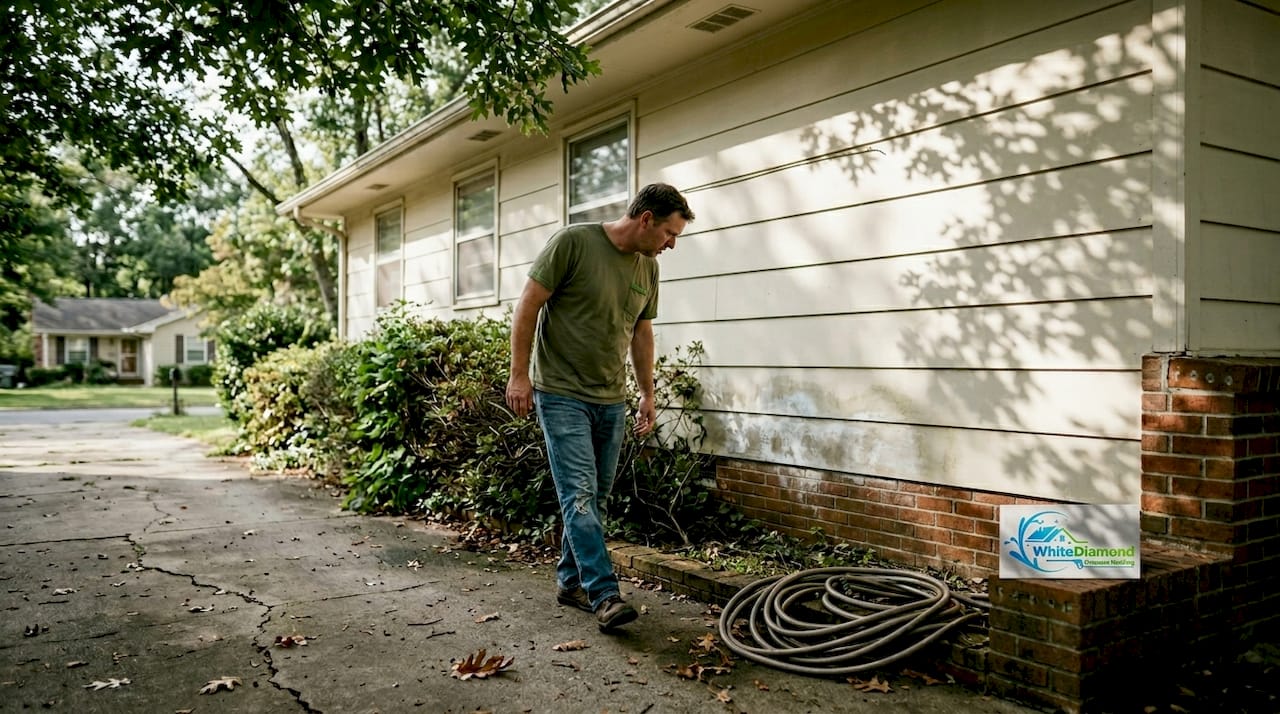
That powdery gray coating on your north-facing wall isn’t just dirt accumulation. It’s exterior mildew, a fungal growth that affects over 60% of Florida properties annually and can reduce curb appeal by up to 30% if left untreated. Many Citrus County homeowners mistake this persistent problem for simple grime, attempting to remove it with basic washing that only spreads the spores. Understanding what exterior mildew actually is and how to eliminate it properly protects your property’s appearance and prevents costly surface damage down the road.
Table of Contents
- Key takeaways
- Understanding exterior mildew: what it is and how it forms
- Identifying exterior mildew: visual characteristics and common locations
- Effective methods to remove and prevent exterior mildew growth
- When to seek professional exterior mildew cleaning services
- Maintain your property’s curb appeal with professional cleaning
- Frequently asked questions
Key Takeaways
| Point | Details |
|---|---|
| Exterior mildew defined | Exterior mildew is a surface fungal growth that stays on the exterior, unlike deeper mold, and appears powdery gray. |
| Ideal growth conditions | In Florida, damp, shaded, and humid environments with warm temperatures and frequent rain promote mildew year round. |
| Identification cues | Powdery white to gray patches with a musty odor when surfaces are damp and rapid spore germination within 24 to 48 hours indicate mildew. |
| Common locations | Porous materials such as vinyl siding wood decks painted fences and concrete walkways attract mildew where moisture lingers. |
| Cleaning and prevention | Avoid basic washing that spreads spores and pursue proper cleaning methods with professional exterior cleaning recommended for best results. |
Understanding exterior mildew: what it is and how it forms
Exterior mildew is a fungal organism that colonizes outdoor surfaces wherever moisture and shade create favorable conditions. Unlike mold, which penetrates deeper into materials and appears fuzzy, mildew stays on the surface and develops a characteristic powdery texture. It differs from algae too, which shows up as greenish streaks rather than grayish white patches. This distinction matters because each organism requires different treatment approaches.
Citrus County’s climate creates perfect conditions for mildew proliferation. Exterior mildew is a fungal growth thriving in damp, shaded, and humid environments common throughout Florida. The combination of warm temperatures, frequent rainfall, and high humidity levels means mildew spores find ideal breeding grounds on property exteriors year round. Shaded areas that never fully dry out become particularly vulnerable.
Mildew gravitates toward porous surfaces that retain moisture. Vinyl siding, wood decks, painted fences, and concrete walkways all provide excellent substrates for fungal colonization. The organism feeds on organic matter present in dust, pollen, and other debris that settles on these surfaces. As it grows, mildew not only creates unsightly discoloration but can also degrade protective coatings and finishes over time.
Recognizing mildew early prevents more serious problems. Common signs include:
- Powdery or dusty appearance rather than slimy texture
- White, gray, or sometimes black coloration depending on the surface
- Concentration in areas that receive minimal direct sunlight
- Musty odor when surfaces are dampened
- Patches that expand gradually during humid months
The fungus spreads through microscopic spores that travel on air currents and water droplets. When these spores land on suitable surfaces with adequate moisture, they germinate and establish new colonies within 24 to 48 hours. This rapid growth cycle explains why mildew can seem to appear overnight after a rainy period. Understanding the various types of exterior cleaning helps homeowners choose appropriate methods for different mildew situations.
Pro Tip: Check areas where roof overhangs create permanent shade or where landscaping blocks airflow. These spots often show the first signs of mildew growth and serve as early warning indicators for broader problems.
Identifying exterior mildew: visual characteristics and common locations
Accurate identification separates effective treatment from wasted effort. Mildew appears as powdery, white to grayish patches often mistaken for dirt or mold. The powdery texture is the key distinguishing feature. When you rub mildew between your fingers, it feels dry and dusty rather than wet or slimy. This tactile difference helps confirm what you’re dealing with before selecting cleaning methods.
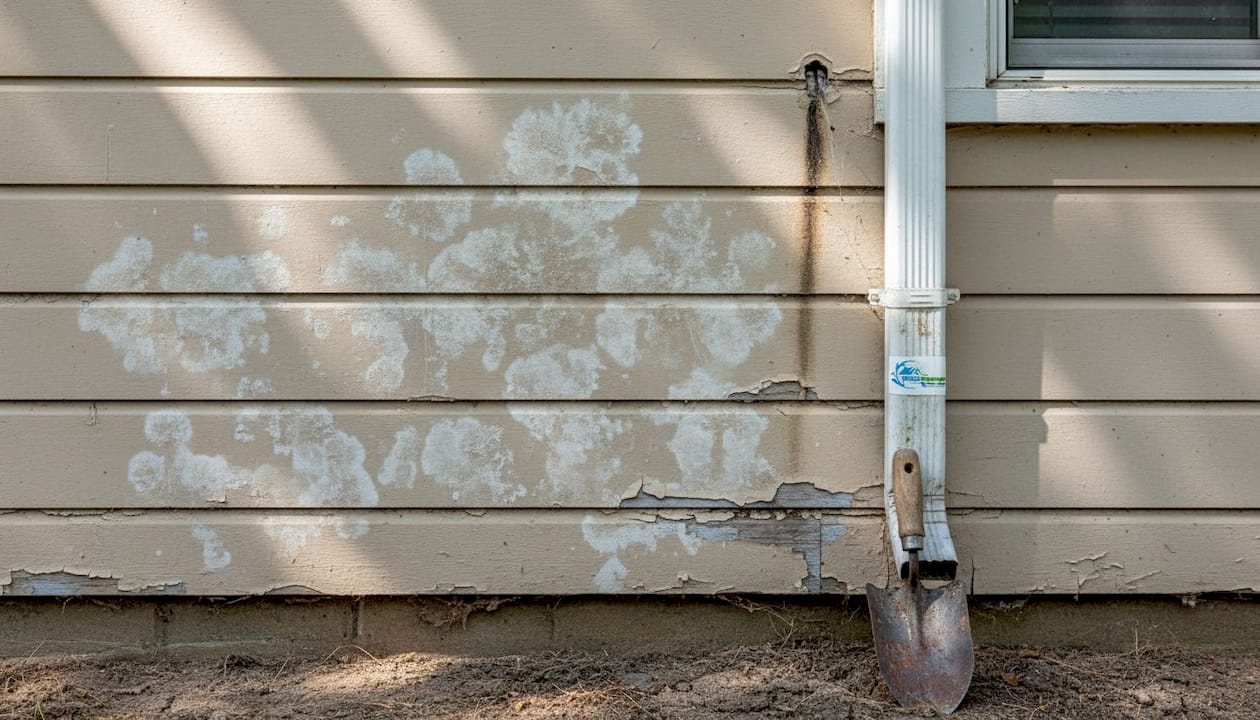
Color variations provide additional clues. Fresh mildew growth typically starts as white or very light gray. As colonies mature and accumulate dirt particles, they darken to medium gray or even black. The darkening doesn’t necessarily mean the problem is worse, just older. Some homeowners confuse this dark mildew with mold, but the powdery texture remains the reliable identifier.
Location patterns reveal a lot about moisture sources. North-facing walls receive less direct sunlight and dry more slowly after rain, making them prime mildew territory. Areas beneath eaves stay perpetually shaded and protected from drying winds. Deck boards in corners or against house walls trap moisture and organic debris. Driveway edges where grass clippings accumulate create nutrient-rich environments for fungal growth.
Distinguishing between common exterior growth types prevents treatment mistakes:
| Growth Type | Appearance | Texture | Color | Depth |
|---|---|---|---|---|
| Mildew | Powdery patches | Dry, dusty | White to gray | Surface only |
| Mold | Fuzzy clusters | Slimy when wet | Black, green, brown | Penetrates material |
| Algae | Streaky patterns | Slippery film | Green to blue-green | Surface coating |
| Lichen | Crusty formations | Rough, scaly | Gray, yellow, orange | Attaches firmly |
Knowing these differences helps you recognize when simple cleaning suffices versus when deeper treatment is necessary. Mildew responds well to surface cleaning because it doesn’t penetrate materials. Mold requires more aggressive treatment and possibly material replacement if it has caused structural damage. Understanding the various signs you need pressure washing helps determine the right timing and approach.
Pro Tip: Take photos of affected areas before cleaning. Comparing before and after images helps you assess whether your treatment methods are working and provides documentation if you need professional consultation later.
Common hiding spots often go unnoticed during casual property inspections. Check behind downspouts where water spray creates constant dampness. Examine fence pickets on the side facing prevailing winds and rain. Look at the underside of deck railings and outdoor furniture. These overlooked locations often harbor established mildew colonies that seed visible growth elsewhere.
Effective methods to remove and prevent exterior mildew growth
Successful mildew removal requires the right combination of technique, products, and timing. Low-pressure washing with appropriate detergents is highly effective and safer for exterior surfaces than high-pressure methods. The gentle approach prevents surface damage while still delivering enough cleaning power to eliminate fungal growth completely.
Follow this proven process for optimal results:
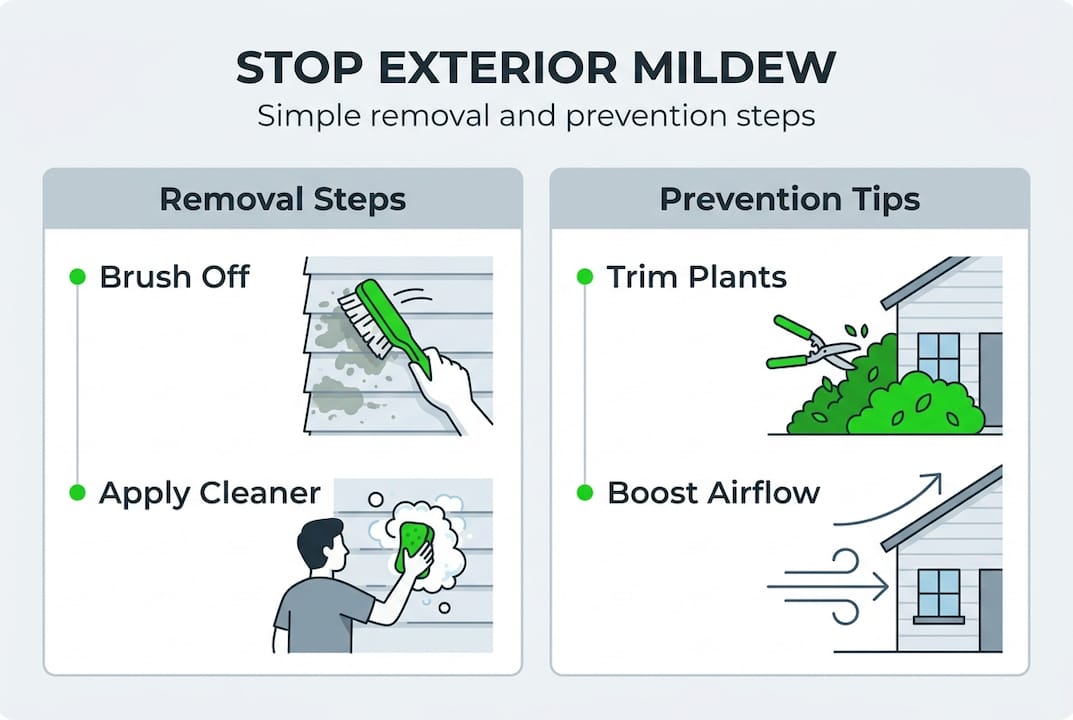
- Pre-treat affected areas with an antifungal cleaning solution formulated for exterior use, allowing 10 to 15 minutes of dwell time for the product to penetrate and kill spores.
- Use a soft-bristle brush to gently agitate stubborn patches, working the cleaner into textured surfaces without scrubbing hard enough to damage finishes.
- Rinse thoroughly with low-pressure water, starting from the top and working downward to prevent streaking and ensure complete removal of dead mildew and cleaning residue.
- Allow surfaces to dry completely in direct sunlight when possible, as UV exposure provides additional antifungal benefits and helps prevent immediate regrowth.
- Apply a protective coating or sealant designed to inhibit future mildew colonization, particularly on surfaces prone to recurring problems.
Product selection matters as much as technique. Choose cleaners specifically labeled for mildew rather than general-purpose detergents. Oxygen-based formulas work well for most applications and are gentler on landscaping than chlorine bleach. Always test cleaning products on inconspicuous areas first to ensure they won’t discolor or damage your specific surface materials.
Prevention strategies reduce the frequency of intensive cleaning. Trim trees and shrubs to improve air circulation and increase sunlight exposure on vulnerable surfaces. Redirect downspouts and fix drainage issues that keep areas perpetually damp. Clean gutters regularly so overflow doesn’t create constant moisture on siding and fascia. These simple maintenance tasks dramatically reduce conditions that favor mildew growth.
Pro Tip: Schedule exterior cleaning during dry weather when surfaces can dry quickly after treatment. Cleaning during humid periods or just before rain allows surviving spores to reestablish before surfaces fully dry, reducing treatment effectiveness.
Seasonal timing optimizes prevention efforts in Citrus County’s climate. Plan major exterior cleaning for late winter or early spring before the humid summer months trigger rapid mildew growth. A thorough cleaning at this time removes dormant spores and applies protective treatments when they’ll be most effective. Follow up with spot treatments during summer and fall to address any new growth before it spreads.
Exploring various advantages of low-pressure washing reveals why this method outperforms aggressive scrubbing or high-pressure blasting. The controlled water flow removes mildew without forcing spores deeper into porous materials or damaging surface finishes. Combined with proper detergents, low-pressure washing kills fungal organisms at the root rather than just washing them away temporarily.
Long-term prevention requires addressing moisture sources. Improve attic ventilation to reduce condensation on exterior walls. Repair leaking faucets and irrigation systems that create wet zones. Consider applying water-repellent sealers to porous surfaces like concrete and wood. These proactive measures, combined with regular cleaning following preventative exterior cleaning strategies, keep mildew problems under control year round.
When to seek professional exterior mildew cleaning services
Certain situations exceed the scope of DIY cleaning efforts. Recognizing when to call professionals saves time, prevents property damage, and ensures thorough mildew elimination. Professional cleaning services achieve higher satisfaction rates and reduce risk of property damage compared to DIY methods, with 81% of homeowners reporting better results from expert treatment.
Extensive mildew coverage signals the need for professional intervention. When more than 30% of your exterior surfaces show active growth, the problem has progressed beyond simple spot treatment. Professionals have the equipment capacity and product volume to treat large areas efficiently. They also possess the experience to identify underlying moisture issues that DIY approaches might miss.
Recurring mildew despite repeated cleaning attempts indicates deeper problems. If mildew returns within weeks of treatment, something is enabling rapid regrowth. Professional technicians can diagnose whether inadequate cleaning, improper products, or structural moisture issues are allowing the fungus to reestablish. They bring diagnostic tools like moisture meters that reveal hidden water intrusion.
Consider professional help when:
- Mildew appears on second-story surfaces or steep roofs where safe access is difficult
- Delicate materials like painted wood or decorative stonework require careful cleaning to avoid damage
- Previous DIY attempts have failed to resolve the problem or made it worse
- You lack the time or physical ability to complete thorough exterior cleaning
- Mildew growth accompanies other issues like peeling paint or deteriorating materials
Pro Tip: Schedule professional inspections annually even if you don’t see obvious mildew problems. Experts spot early-stage growth and moisture issues before they become visible problems, allowing preventative treatment that’s faster and less expensive than remediation.
Professional services offer advantages beyond basic cleaning power. Trained technicians understand which surfaces tolerate high pressure water jetting and which require gentler approaches. They carry insurance that protects your property if something goes wrong during cleaning. Their commercial-grade equipment completes jobs in hours rather than the days DIY projects often require.
Advanced treatment methods available through professionals include antimicrobial coatings that inhibit regrowth for extended periods. These specialized products aren’t typically available to consumers and require proper application techniques for effectiveness. Professional application ensures even coverage and appropriate dilution rates for your specific surface materials.
Understanding the full scope of professional cleaning benefits helps homeowners make informed decisions about when to invest in expert services. While DIY cleaning works well for minor, localized mildew, persistent or widespread problems justify professional treatment. The investment pays off through more complete removal, longer-lasting results, and preservation of your property’s surfaces and finishes.
Exploring available professional cleaning services reveals options tailored to different property types and mildew situations. Many companies offer maintenance programs that provide regular scheduled cleanings at reduced rates compared to one-time emergency treatments. These programs keep mildew under continuous control rather than allowing it to establish and require intensive remediation.
Maintain your property’s curb appeal with professional cleaning
Keeping your Citrus County property free from unsightly mildew growth doesn’t have to be a constant struggle. Professional exterior cleaning eliminates existing mildew while protecting surfaces from rapid regrowth. White Diamond Pressure Washing specializes in low-pressure techniques that safely remove fungal growth without damaging your siding, decks, or other exterior surfaces.

Our team understands the unique challenges Citrus County’s humid climate presents for property maintenance. We use specialized antifungal treatments combined with proven cleaning methods to deliver lasting results. Exploring our comprehensive professional cleaning services shows how we customize approaches for different surface materials and mildew severity levels. Learning about the advantages of low-pressure washing reveals why this method protects your investment while achieving superior cleaning outcomes. Implementing preventative exterior cleaning strategies through regular professional maintenance keeps your property looking its best year round.
Frequently asked questions
What is exterior mildew?
Exterior mildew is a surface fungus that grows on outdoor materials in damp, shaded conditions. It appears as powdery white or gray patches and differs from mold by staying on the surface rather than penetrating materials. Citrus County’s warm, humid climate provides ideal conditions for this fungal growth throughout the year.
How can I prevent exterior mildew from returning?
Regular cleaning every three to six months removes spores before colonies establish. Improve air circulation by trimming vegetation away from structures and ensure proper drainage to eliminate standing water. Applying antimicrobial sealants to vulnerable surfaces provides additional protection between cleanings.
Is pressure washing safe for all exterior surfaces?
Low-pressure washing works safely on most exterior materials including vinyl siding, painted wood, and concrete. High-pressure methods can damage softer materials, strip paint, or force water behind siding. Professional technicians adjust pressure levels based on surface type to ensure effective cleaning without causing harm.
When should I hire a professional for exterior mildew cleaning?
Call professionals when mildew covers large areas, returns quickly after DIY cleaning, or appears on hard-to-reach surfaces. If you’re unsure about proper cleaning methods for your specific materials or lack appropriate equipment, professional services prevent accidental damage. Recurring growth despite your best efforts signals underlying issues that experts can diagnose and address.
Does mildew cause permanent damage to exterior surfaces?
While mildew primarily affects appearance, prolonged growth can degrade protective coatings and finishes. On wood surfaces, persistent moisture from mildew colonization can eventually lead to rot. Prompt removal prevents these long-term issues and preserves your property’s structural integrity and value.
Recommended
- Role of Detergents in Exterior Cleaning Success – white-diamond-pressure
- 7 Essential Types of Exterior Cleaning Every Homeowner Should Know – white-diamond-pressure
- 7 Common Exterior Surfaces to Clean for Better Curb Appeal – white-diamond-pressure
- How detergents transform home exterior cleaning results – white-diamond-pressure
- Best Guide About How to Fix Smelly Drains Outside in 2024