

TL;DR:
- Regular driveway maintenance prevents costly replacements and enhances curb appeal in Florida’s climate.
- Proper cleaning, sealing, drainage, and material-specific care are essential for driveway longevity.
- Professional inspection and timely repairs are more effective than DIY approaches for early detection of issues.
Florida’s heat, humidity, and heavy rain season make Citrus County driveways age faster than almost anywhere else in the country. A driveway that looks fine in spring can show mold, cracks, and staining by fall if you skip the basics. The good news is that a consistent maintenance routine costs a fraction of what full replacement runs, and it keeps your home looking sharp year-round. This checklist walks you through every key task, from weekly sweeps to material-specific care, so you can protect your investment and boost your home’s curb appeal without guessing.
Table of Contents
- Weekly and seasonal cleaning tasks
- Sealing and repairing: keep water and UV damage at bay
- Drainage and edge care: prevent erosion and pooling
- Material-specific care: asphalt, concrete, gravel, and pavers
- Hazards to avoid: chemicals, heavy loads, oil, and deicers
- What most driveway guides miss for Citrus County homes
- Get expert driveway cleaning and protection in Citrus County
- Frequently asked questions
Key Takeaways
| Point | Details |
|---|---|
| Seasonal and weekly cleaning | Keeping your driveway clean prevents local stains and mold, maximizing both appearance and lifespan. |
| Timely sealing and repairs | Sealing limits sun and water damage, while fixing cracks early saves you up to 40% compared to full replacement. |
| Proper drainage matters | Maintaining slope and clearing edges stops erosion and costly foundation issues from Florida’s heavy rains. |
| Material-specific routines | Asphalt, concrete, gravel, and pavers each need unique care for durability and curb appeal in Citrus County. |
| Avoid common hazards | Using safe cleaning methods and avoiding harsh chemicals preserves driveway quality and prevents hidden damage. |
Weekly and seasonal cleaning tasks
Keeping your driveway clean is not just about looks. In Citrus County, the combination of oak pollen, pine needles, and near-daily summer rain creates the perfect conditions for mold, algae, and organic staining to take hold fast. Once those stains set into porous concrete or asphalt, they are much harder to remove.
Here is what a solid cleaning routine looks like:
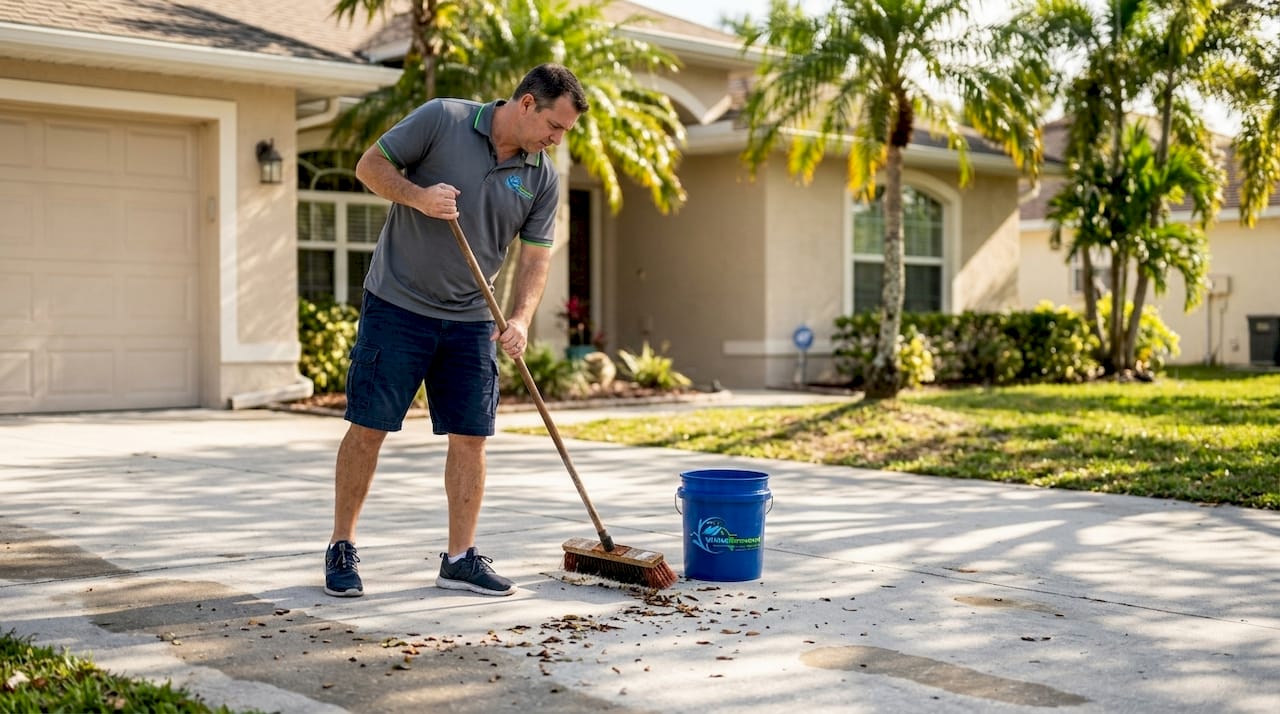
- Sweep weekly. Remove leaves, pine needles, and debris before they decompose and stain the surface. Wet organic matter is the main culprit behind dark streaks on concrete.
- Rinse after heavy rain. A quick rinse with a garden hose pushes sediment off the surface before it dries and bonds.
- Pressure wash every season. Concrete driveway cleaning done on a seasonal schedule removes debris, prevents stains, and stops damage from buildup, which is essential in Florida’s humid climate to avoid mold and algae.
- Target shaded areas first. Spots under trees or near the garage stay damp longer and develop algae much faster than sun-exposed areas.
- Use the right pressure setting. Too much pressure can pit concrete or strip sealer. Match the PSI to your surface type before you start.
Understanding driveway cleaning methods for your specific surface helps you avoid accidental damage while still getting a thorough clean. And if you have wondered whether all that effort is worth it, the impact of regular driveway cleaning on lifespan and property value is well documented.
Pro Tip: Schedule your deep pressure wash right after pollen season ends, typically late April in Citrus County. Pollen leaves a sticky film that traps dirt and moisture, so clearing it early prevents months of compounding buildup.
Sealing and repairing: keep water and UV damage at bay
With the surface clean, the next vital step is to seal and repair. Florida’s UV index is among the highest in the nation, and that relentless sun breaks down binder materials in asphalt and bleaches concrete faster than homeowners expect.
Here is a step-by-step approach to sealing and crack repair:
- Inspect the surface. Walk the entire driveway and mark every crack, chip, or spalled area with chalk before you start any work.
- Clean cracks thoroughly. Use a wire brush and compressed air to remove loose debris from cracks before applying any filler.
- Fill small cracks yourself. DIY crack fillers work well for hairline cracks under a quarter inch. Anything wider needs a professional assessment.
- Apply sealer in dry conditions. Sealer needs at least 24 hours of dry weather to cure properly. Check the forecast before you start.
- Follow material-specific intervals. Seal driveways every 2 to 3 years for asphalt and concrete, and every 2 to 4 years for pavers. Florida’s UV, heat, and humidity make this schedule non-negotiable for protecting against water infiltration and oxidation.
Here is a quick comparison of sealing options:
| Sealer type | Best for | Lifespan | UV resistance |
|---|---|---|---|
| Acrylic sealer | Concrete, pavers | 1 to 3 years | Good |
| Coal tar emulsion | Asphalt | 2 to 4 years | Excellent |
| Penetrating silane | Concrete | 3 to 5 years | Very good |
| Polyurethane | Pavers, concrete | 3 to 5 years | Excellent |
For a full breakdown of products and timing, the driveway sealing guide covers everything in one place. And if you need a reminder of why skipping this step is risky, the driveway maintenance importance page lays it out clearly. Early action on cracks and sealing saves 40% or more compared to full replacement costs, which makes timely repairs one of the best investments you can make.
Pro Tip: Set a calendar reminder every spring to inspect for UV fading and surface cracking. Catching damage after winter temperature swings, even mild Florida ones, gives you the longest repair window before summer rain arrives.
Drainage and edge care: prevent erosion and pooling
Sealing protects the surface, but drainage is the shield against erosion and water damage. In Citrus County, summer storms can drop several inches of rain in a single afternoon. If that water has nowhere to go, it pools, softens the sub-base, and accelerates cracking from below.
Here is what to check and maintain:
- Verify your slope. A proper 2% slope away from the house prevents pooling, erosion, and sub-base weakening during Florida’s heavy rains. Use a simple level and tape measure to confirm yours.
- Clear gutters and downspouts. Water dumping off a clogged gutter directly onto the driveway edge is one of the most common causes of edge cracking.
- Inspect culverts and drains. Debris-clogged culverts back up water under the driveway surface. Clear them at least twice a year.
- Address tree roots early. Roots from nearby oaks and maples can lift pavers and crack concrete. Monitor the edges near any large trees.
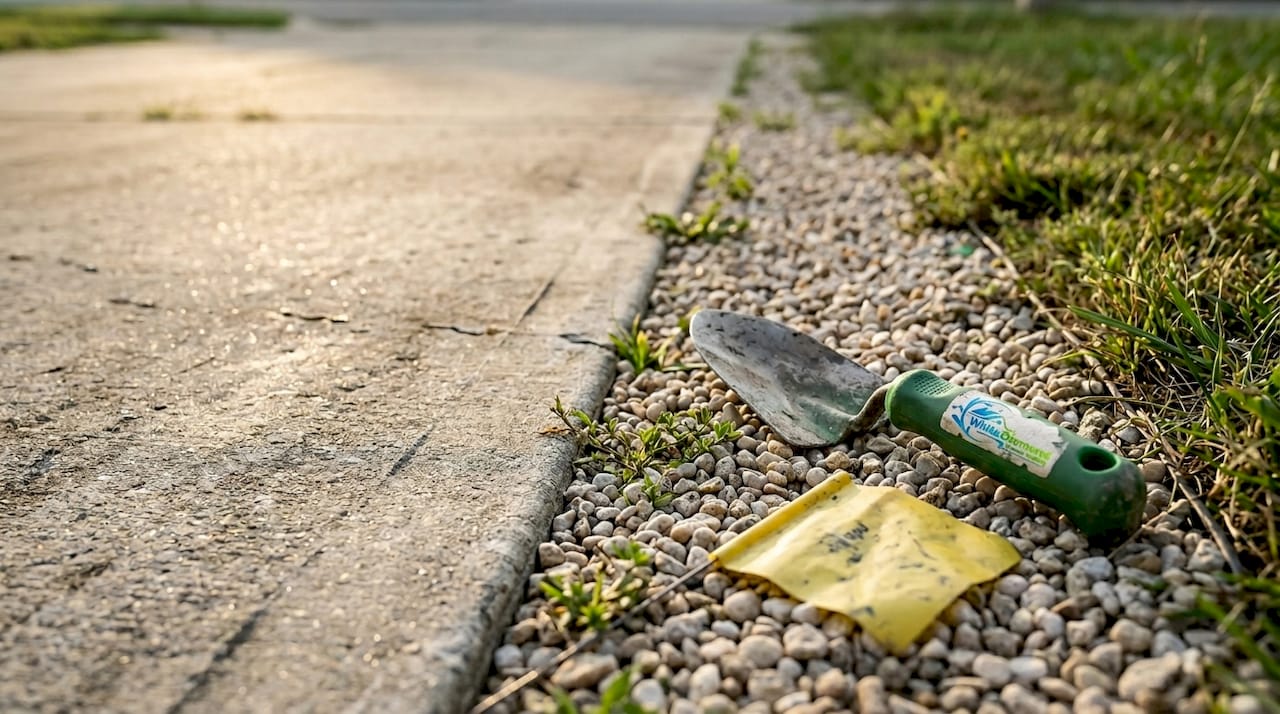
- Control weeds at the edges. Weeds push into joints and edges, widening gaps and creating entry points for water.
Here is a quick reference for drainage maintenance timing:
| Task | Frequency | Season |
|---|---|---|
| Check slope with level | Once yearly | Before rainy season |
| Clear gutters and drains | Twice yearly | Spring and fall |
| Inspect culverts | Twice yearly | Spring and fall |
| Weed and edge trim | Monthly | Year-round |
| Root inspection | Once yearly | Fall |
For more on keeping driveway edge maintenance on track, and to see how it connects to broader exterior surface care, those resources are worth bookmarking.
Pro Tip: Install gravel or paver edging along the driveway border. It stabilizes the boundary, slows erosion, and gives water a clear path away from the surface without expensive regrading.
Material-specific care: asphalt, concrete, gravel, and pavers
Drainage is not one-size-fits-all, and neither is maintenance. Every driveway material has different strengths and weaknesses, especially in Florida’s climate.
- Asphalt. Flexible and forgiving, but Florida’s UV breaks down the binder quickly. Seal every 2 to 3 years and fill cracks before they spread. Asphalt driveways last 20 to 30 years with consistent maintenance.
- Concrete. More rigid, which means it cracks more easily under ground movement. Concrete can last 25 to 30 years or more, but only if you seal it and address cracks before water gets underneath. Check surface cleaning tips to avoid stripping the surface with too much pressure.
- Pavers. The joints are the vulnerability. Polymeric sand in the joints prevents weed growth and keeps pavers locked in place. Resand every 2 to 3 years and reseal on the same schedule.
- Gravel. The most labor-intensive option despite its low upfront cost. Inspect twice yearly, regrade as needed, maintain a 4 to 6 inch depth, control weeds, and keep drainage clear.
“Early maintenance saves 40% or more compared to full replacement costs. In Florida’s climate, that number can be even higher because deterioration moves faster.”
The driveway lifespan strategy used by long-term homeowners always comes back to one principle: consistent small investments beat reactive large ones. A bag of crack filler and an afternoon of work now is worth thousands in deferred repairs later.
Hazards to avoid: chemicals, heavy loads, oil, and deicers
Even with diligent care, hidden hazards can undo hard work. Some of the most damaging habits are ones homeowners do not even realize are harmful.
Here is what to avoid and what to do instead:
- Skip harsh chemical cleaners. Strong acids and bleach-based products strip sealer and pit concrete. Use pH-neutral driveway cleaners or let a professional handle tough stains safely. The soft washing approach uses low pressure and safe detergents to lift stains without surface damage.
- Never use deicers. Florida rarely sees ice, but when it does, skip the salt. Deicers accelerate concrete spalling and corrode rebar. Use sand instead for traction on rare icy mornings.
- Move heavy vehicles regularly. Parking a vehicle over 8,000 lbs in the same spot causes permanent indentations in asphalt, especially in summer heat. Rotate parking positions and avoid sharp turns while stationary.
- Clean oil spills immediately. Oil spills need immediate absorption with cat litter or a commercial absorbent. Left to sit, oil penetrates porous concrete and asphalt and becomes nearly impossible to remove without professional equipment.
- Avoid sharp metal tools on the surface. Snow shovels with metal edges, even used rarely, scratch and chip concrete and pavers. Use plastic-edged tools.
For more on safe driveway cleaning precautions that protect your surface, that guide covers the most common mistakes homeowners make.
Pro Tip: Keep a small bag of oil-absorbent material in your garage. The faster you respond to a spill, the less it penetrates, and the easier it is to clean without staining.
What most driveway guides miss for Citrus County homes
Most national driveway maintenance guides are written for climates with cold winters and dry summers. They focus on freeze-thaw cycles and snow removal. That advice does not translate to Citrus County, where the real threats are UV oxidation, biological growth, and sub-surface moisture from year-round humidity.
The material selection decision matters far more here than those guides acknowledge. Asphalt softens in extreme summer heat, which makes it vulnerable to tire marks and indentations during the hottest months. Concrete is more stable in heat but cracks more easily when tree roots shift the soil underneath, which is common in heavily wooded Citrus County neighborhoods.
On the DIY versus professional question, many homeowners underestimate what they are missing. Renting a pressure washer and spending a Saturday on the driveway feels productive, but without the right technique and detergents, you can strip sealer, spread mold spores, or miss sub-surface issues entirely. The driveway cleaning impact of a professional service goes beyond aesthetics. It includes early detection of drainage problems, surface wear, and edge deterioration that most homeowners walk past every day without noticing. Early repairs save 40% or more over replacement, and that number assumes you catch the problem early. Waiting costs more every season.
Get expert driveway cleaning and protection in Citrus County
Maintaining your driveway in Citrus County means staying ahead of Florida’s climate, not reacting to it after the damage is done.

At White Diamond Pressure Washing, we specialize in exactly this kind of proactive care. Whether you need a seasonal deep clean, a pre-sealing surface prep, or a full exterior refresh, our team knows the local conditions and uses the right techniques for every surface type. Explore our driveway cleaning services to see what the right approach looks like, learn more about driveway cleaning importance for Florida homes, or browse all of our pressure washing services to find the right fit for your property. Get your free estimate today and keep your driveway looking its best all year.
Frequently asked questions
How often should I pressure wash my driveway in Citrus County?
Pressure wash every 3 to 6 months to stay ahead of mold, algae, and staining. Florida’s seasonal humidity makes this more frequent than national guidelines suggest.
What is the best sealer for Florida driveways?
Choose UV-resistant sealers rated for hot, humid climates. Asphalt needs coal tar or acrylic emulsion, while concrete benefits from penetrating silane or polyurethane products that block moisture and oxidation.
How can I prevent driveway erosion during heavy rains?
Maintain a 2% slope away from the house, keep culverts and gutters clear, and trim edges regularly. These steps stop water from pooling and weakening the sub-base during storm season.
Is gravel a good low-maintenance driveway option in Citrus County?
Gravel costs less upfront but requires twice-yearly inspections, regular regrading, and consistent weed control. It is a practical choice only if you are prepared for that ongoing labor.
What mistakes should I avoid when caring for my driveway?
Avoid harsh chemicals, skip deicers entirely in Florida, rotate heavy vehicle parking, and treat oil spills immediately with absorbent material to prevent deep staining.
Recommended
- Importance of Regular Driveway Cleaning for Homeowners – white-diamond-pressure
- 7 Common Exterior Surfaces to Clean for Better Curb Appeal – white-diamond-pressure
- Walkway cleaning: boost curb appeal and home value 15% – white-diamond-pressure
- Commercial Driveway Cleaning: Impact on Property Value – white-diamond-pressure
9 thoughts on “Driveway maintenance checklist: prolong lifespan & curb appeal”