

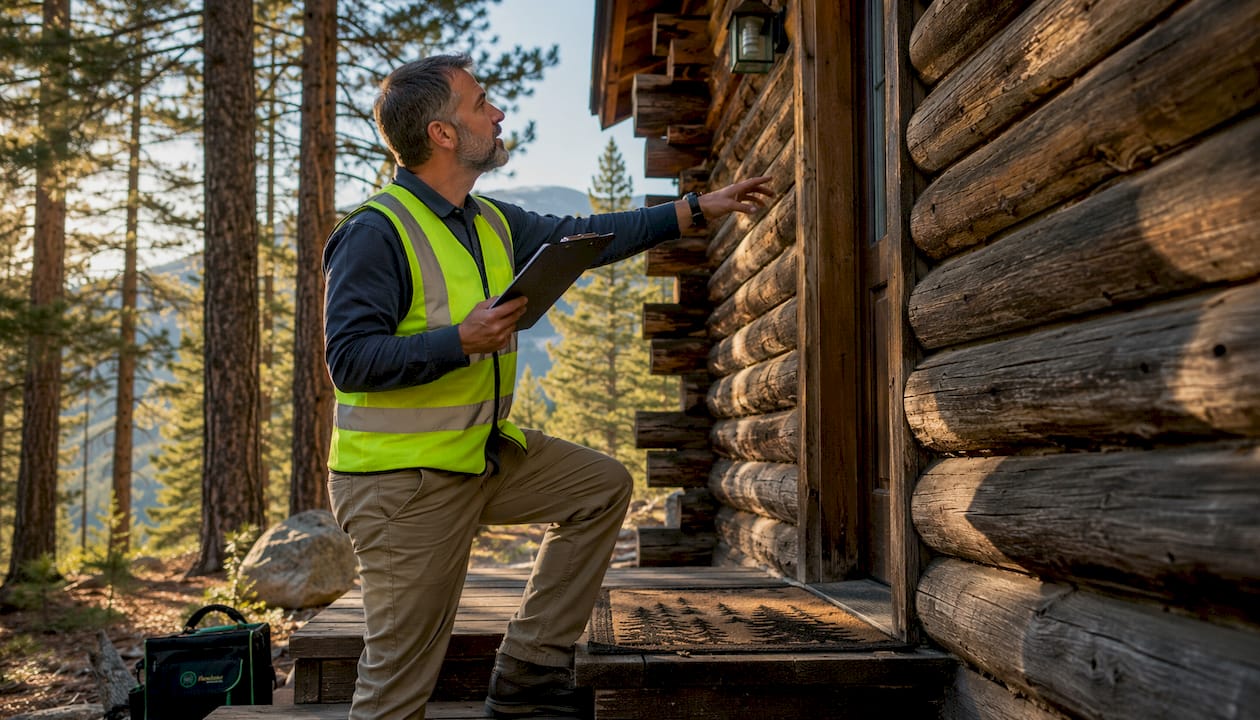
Knowing the condition and age of your exterior surfaces is the single most reliable way to stay ahead of costly failures, plan your maintenance budget, and protect your property’s value. Surface age assessment, the practice of systematically evaluating how far along a material is in its service life, tells you whether a surface needs cleaning, repair, or full replacement before a problem forces your hand. Here is what every homeowner and property manager should know.
- Catching deterioration early prevents structural failures that cost far more to fix than to prevent
- Scheduled assessments support realistic budgeting and capital planning
- Documented condition records reduce liability exposure and support insurance claims
- Recognizing aging signs early protects curb appeal and buyer confidence
- Knowing a surface’s remaining service life helps you avoid premature replacement
Table of Contents
- Why assessing exterior surface age protects your property
- What factors speed up or slow down exterior aging?
- How different exterior materials age over time
- How to evaluate exterior condition with real inspection techniques
- Legal and financial risks of ignoring surface aging
- Why consistent maintenance extends surface life
- How weather and climate accelerate exterior aging
- Signs your exterior surfaces are aging faster than expected
- How aging surfaces affect property value and curb appeal
- Key Takeaways
Why assessing exterior surface age protects your property
Your building’s exterior is its first line of defense. Exterior surfaces include every material exposed to weather: siding, roofing, flashing, trim, porches, and window and door frames. Together they form the weather-resistant envelope that shields structural members and interior spaces from moisture, UV radiation, and temperature extremes. When that envelope ages without monitoring, small failures compound quietly until the repair bill is anything but small.
Performance-based inspection methods that combine visual observation with in-situ measurements and lifecycle data consistently outperform visual inspection alone. They reduce guesswork and identify exactly what maintenance a surface needs. Scheduling exterior surface inspections on a regular cycle is the practical way to put that approach to work.
What factors speed up or slow down exterior aging?
Several forces act on your surfaces simultaneously, and understanding them shapes how you inspect and maintain each one.
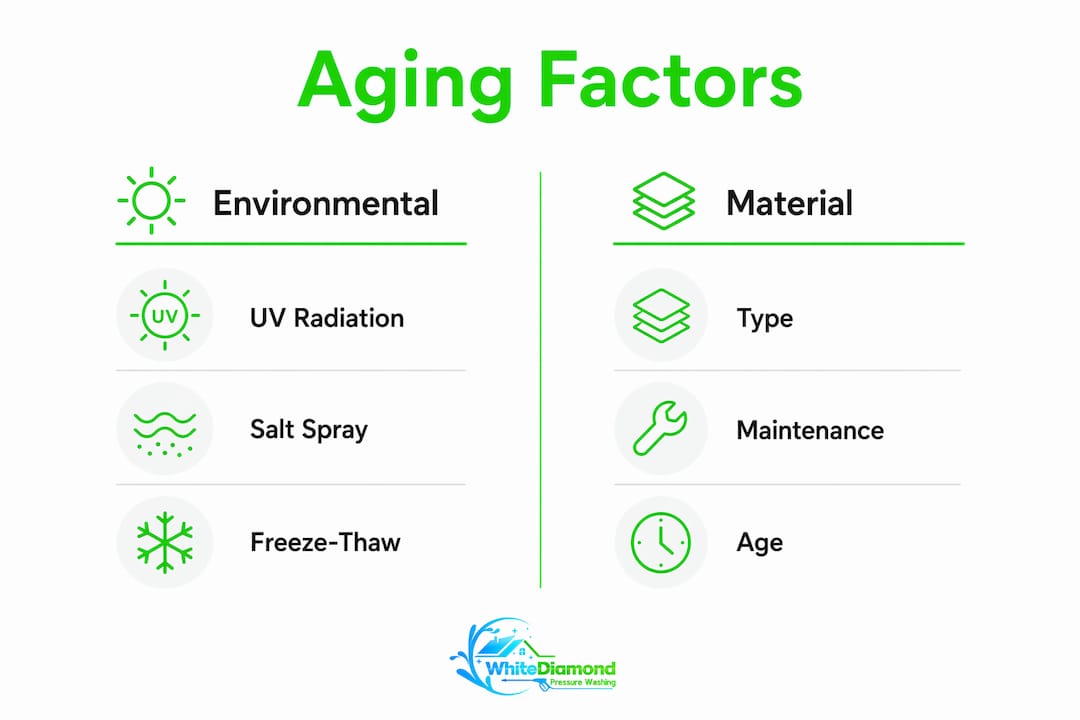
- UV radiation breaks down paint binders, fades pigments, and embrittles sealants, especially on south and west facing elevations
- Freeze-thaw cycles force moisture trapped in masonry or concrete to expand, cracking joints and spalling surfaces
- Coastal salt spray accelerates corrosion of metal fasteners and degrades sealant adhesion faster than inland locations
- Moisture infiltration feeds mold, rot, and efflorescence, particularly where flashing or caulk has failed
- Maintenance history matters as much as climate: routine sealing blocks moisture and pest entry, significantly extending surface lifespan
- Material quality at installation sets the ceiling for how long a surface can last regardless of care
Environmental factors like coastal salt spray, high UV in hot climates, and freeze-thaw cycles critically influence degradation rates, making location-specific maintenance schedules far more effective than generic ones.
How different exterior materials age over time
Each material follows its own aging curve. Knowing the expected service life of what you have tells you when to start watching closely.
| Material | Typical service life | Common aging signs | Key vulnerability |
|---|---|---|---|
| Vinyl siding | 20–40 years | Fading, warping, cracking | UV embrittlement, impact damage |
| Wood siding | 20–40 years | Rot, peeling paint, splitting | Moisture infiltration |
| Stucco | ~20 years | Hairline cracks, staining, delamination | Water behind the surface |
| Stone veneer | ~40 years | Efflorescence, joint erosion | Mortar and anchor failure |
| Brick | 40 years | Spalling, mortar loss, staining | Freeze-thaw and moisture |
| Composite siding | 20 years | Swelling, delamination | Poor installation, moisture |
Stucco’s roughly 20-year benchmark and stone veneer’s roughly 40-year benchmark come from lifecycle research on exterior materials. Ignoring those benchmarks leads to sudden property value drops and emergency repairs that a planned replacement would have avoided entirely.
How to evaluate exterior condition with real inspection techniques
A thorough assessment combines what you can see with what you can measure. Ground-level observation is the starting point, not the finish line.
- Annual binocular surveys from grade level catch visible cracking, staining, bulging, and efflorescence without access equipment
- Hands-on inspections every five years using swing staging, scaffolding, or rope access cover a minimum of 10% of the facade surface, per industry standards
- Mortar probing with an ice pick tests joint integrity: sound mortar resists penetration, while sandy or crumbling joints signal deterioration
- Sealant adhesion tests check expansion joints and window perimeters for gaps, hardening, or pull-away from the substrate
- Moisture meter readings on EIFS and wood-framed walls flag infiltration before it becomes visible rot
- Infrared thermography detects hidden moisture and delaminated cladding through temperature differentials
- Water infiltration testing per ASTM E1105 confirms whether assemblies resist wind-driven rain
Pro Tip: True condition assessment requires physical access to the facade. Ground-level scans cannot detect concealed sealant failures or hidden deterioration behind cladding.
After each inspection, categorize deficiencies as immediate hazards, repairs needed within one year, or items to monitor. That triage turns raw observations into a maintenance schedule.
Legal and financial risks of ignoring surface aging
Neglecting exterior surfaces is not just a maintenance oversight. It is a liability.
Building facades endure thermal cycling with wide temperature variations, UV degradation, and freeze-thaw cycles that cause expansion in moisture-laden materials. Liability claims from structural failures and falling debris can average $100,000–$2,000,000 per incident, and regulatory fines often range from $5,000 to $50,000 per occurrence.
Property managers who fail to act on known deterioration face legal exposure under the “knew or should have known” standard. Regular, documented inspections are the primary defense. Storing those records in a computerized maintenance management system (CMMS) creates a clear audit trail that protects against premises liability claims and supports insurance coverage during disputes.
Why consistent maintenance extends surface life
Maintenance is not reactive patching. Done consistently, it resets the aging clock on surfaces that would otherwise fail years ahead of their rated service life.
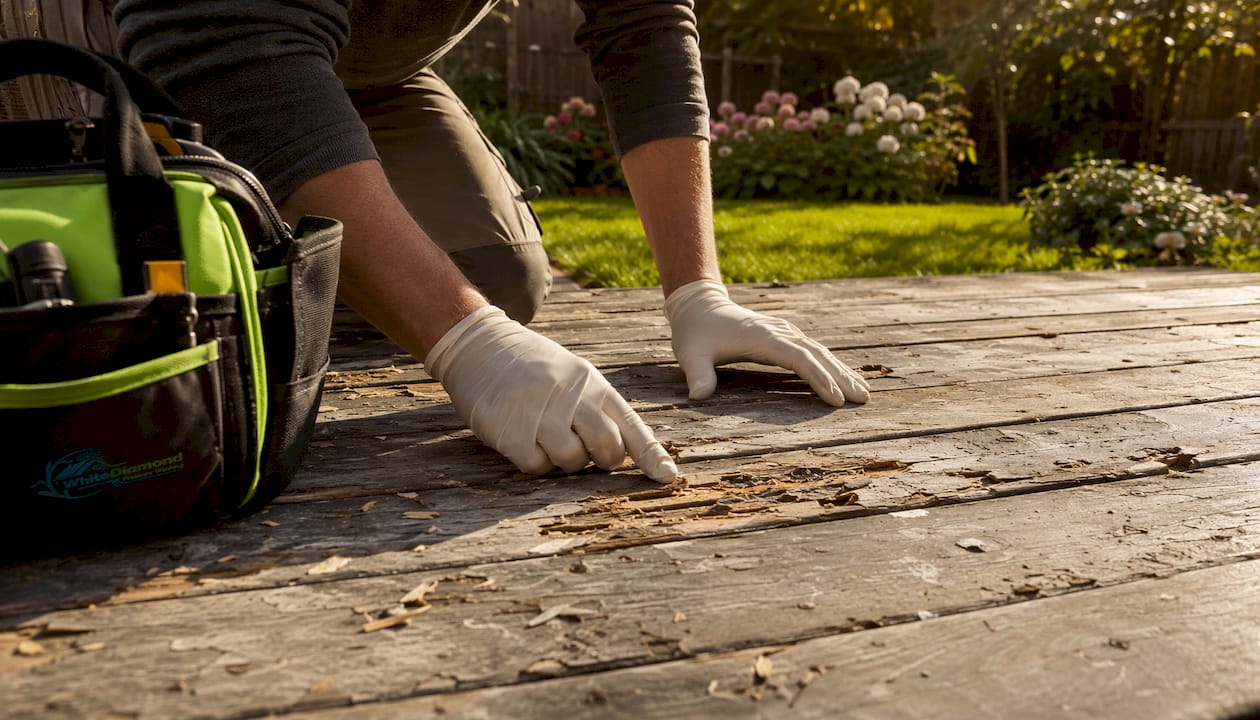
Sealing concrete driveways and walkways annually blocks moisture from penetrating the surface and triggering freeze-thaw damage. Repainting wood siding before the existing coat fails prevents moisture from reaching the substrate, where rot starts. Cleaning biological growth like mold, algae, and lichen off roofs and siding stops the organisms from physically degrading the material beneath them. The benefits of exterior cleaning extend well beyond appearance: they directly slow the aging process. Skipping a single maintenance cycle rarely causes immediate failure, but the compounding effect over three to five years often does.
How weather and climate accelerate exterior aging
Florida homeowners face a specific combination of threats: intense UV radiation year-round, high humidity, frequent rain, and hurricane-force wind loads. That combination degrades sealants, fades coatings, and drives moisture into every gap faster than most other climates in the United States. Mold and algae growth on roofs and siding is not cosmetic in a humid climate. Left untreated, biological growth retains moisture against the surface and accelerates material breakdown. The Florida exterior cleaning challenges that Citrus County homeowners deal with are a direct result of this climate profile, and they make annual inspections and cleaning more urgent than in drier regions.
Signs your exterior surfaces are aging faster than expected
Some aging indicators are obvious. Others are easy to miss until they become expensive.
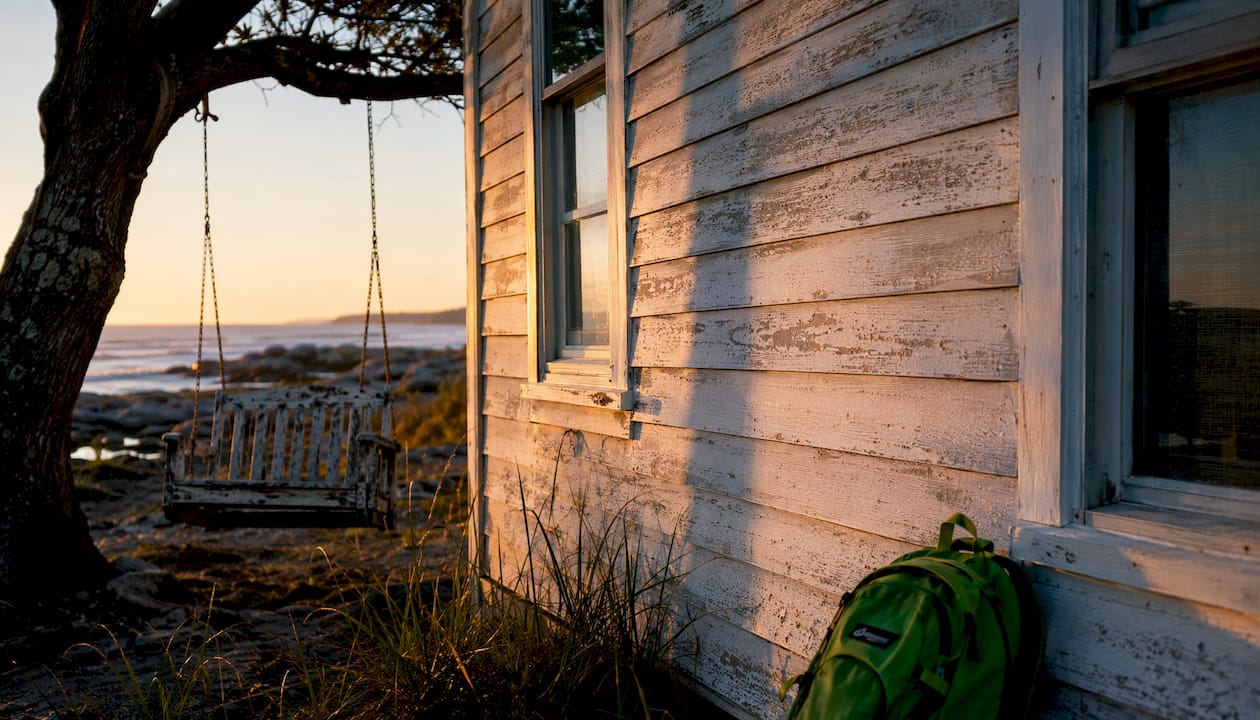
Watch for hairline cracks in stucco or masonry, which let water in long before they look serious. Efflorescence, the white chalky residue on brick or concrete, signals moisture moving through the material. Paint that peels or bubbles points to moisture trapped beneath the coating rather than simple weathering. Soft or spongy wood around window frames, trim, or soffits means rot has already started. Rust staining below metal fasteners or flashing signals corrosion that may be compromising structural connections. Any of these signs warrants a closer inspection, not just a note to check again next year.
How aging surfaces affect property value and curb appeal
Buyers and appraisers notice exterior condition immediately. A facade with visible staining, cracking, or peeling paint signals deferred maintenance and raises questions about what else has been neglected. The Mortgage Bankers Association’s property inspection guidelines treat exterior condition as a direct indicator of overall property health, noting that deterioration beyond routine maintenance capacity affects collateral value. For investment properties, that translates directly to cap rates and financing terms. Keeping surfaces clean, sealed, and in good repair is one of the highest-return maintenance investments a property owner can make.
Whitediamondpressurewashing specializes in professional exterior cleaning for residential and commercial properties across Citrus County, using soft washing and low-pressure techniques that clean surfaces without accelerating wear. If your last inspection turned up biological growth, staining, or surface buildup, a professional wash is often the right first step before sealing or repainting.

Key Takeaways
Assessing exterior surface age gives homeowners and property managers the data they need to plan maintenance, avoid liability, and protect property value before deterioration forces costly emergency repairs.
| Point | Details |
|---|---|
| Assess surfaces on a schedule | Annual binocular surveys plus hands-on inspections every five years meet industry standards. |
| Know your material benchmarks | Stucco lasts roughly 20 years; stone veneer roughly 40 years; missing these windows leads to emergency repairs. |
| Document every inspection | Records stored in a CMMS defend against liability claims and support insurance coverage. |
| Climate shapes urgency | High UV, humidity, and freeze-thaw cycles accelerate aging and require more frequent maintenance cycles. |
| Liability claims are large | Structural failures from neglected facades generate significant financial impacts per incident. |