

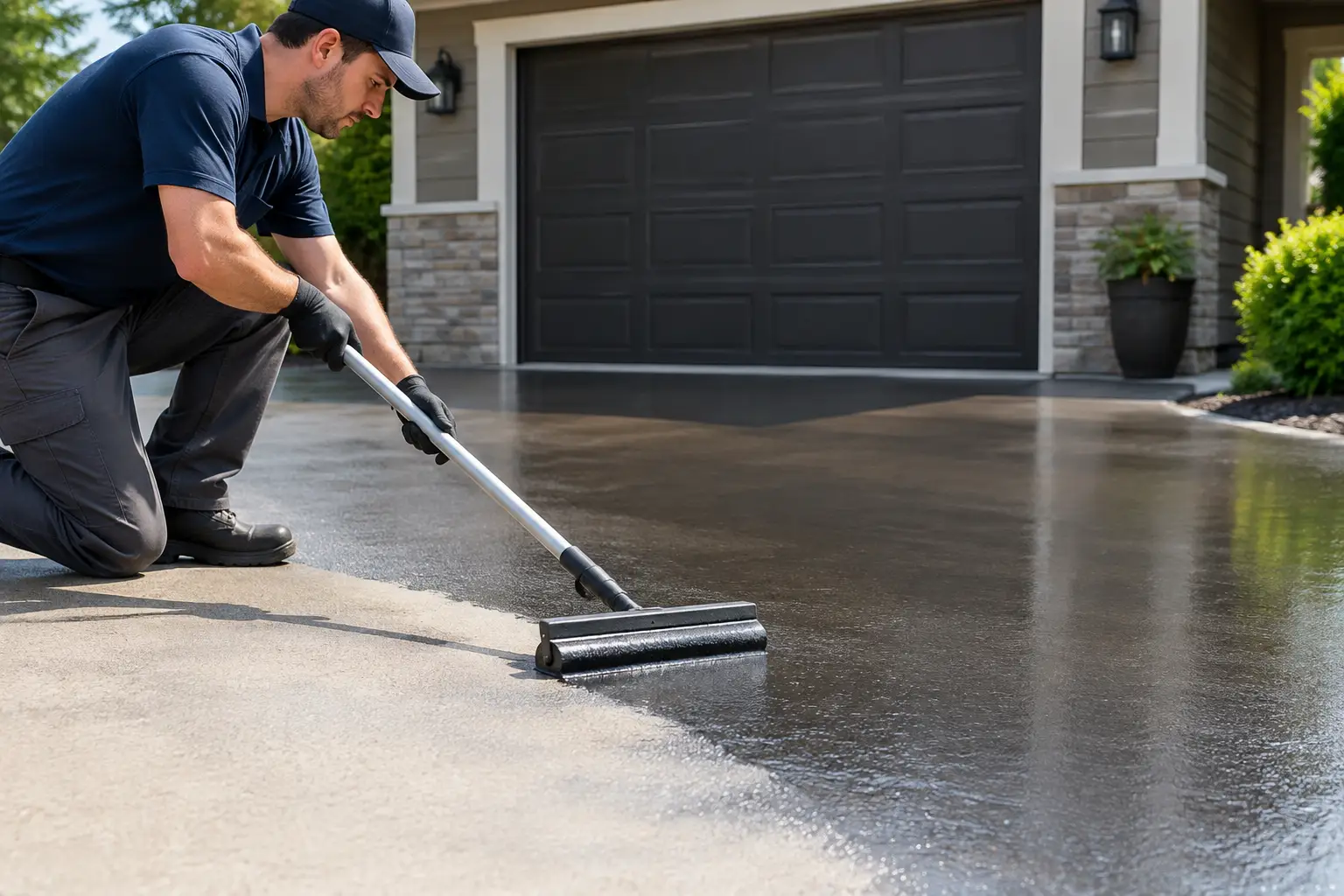
A freshly cleaned driveway can make the whole front of a home look brighter. But in Homosassa and across Citrus County, that clean look can fade quickly when rain, humidity, vehicle drips, leaf tannins, and algae get back to work. Concrete sealing for driveways adds a layer of protection after professional cleaning, helping the surface stay cleaner, look more even, and stand up better to everyday Florida exposure.
Sealing is not a magic fix for damaged concrete, and it is not necessary for every driveway. For many homeowners, though, it is a smart next step after restoration. The best results come from matching the sealer, preparation, and application method to the condition of the concrete.
What Driveway Sealer Actually Does
Concrete may look solid, but it is naturally porous. Tiny openings in the surface can absorb water, oil, rust residue, dirt, and organic staining. Once moisture and contaminants settle in, they are harder to remove with routine cleaning. Florida’s frequent wet weather gives algae and mildew plenty of opportunities to return, particularly in shaded areas or along driveway edges.
A quality sealer helps reduce that absorption. Depending on the product selected, it may create a protective barrier at the surface or penetrate into the concrete to help repel water while allowing moisture vapor to escape. Either approach can make future maintenance easier when it is used on clean, properly prepared concrete.
Homeowners often notice the difference most after rain. Water may bead on a sealed surface instead of soaking in as quickly, and dirt is less likely to become deeply embedded. That does not mean a sealed driveway will never need washing. It means routine buildup is often easier to manage before it becomes a stubborn stain.
When Concrete Sealing for Driveways Makes Sense
Sealing is especially worthwhile when a driveway has just been professionally cleaned and looks close to its best. Cleaning first removes the algae, mildew, dirt, and surface grime that would otherwise be trapped beneath the protective layer. Applying sealer over a dirty driveway can lock in discoloration and leave an uneven appearance.
It can also be a good choice for newer concrete. Rather than waiting until the surface has absorbed years of staining, homeowners can begin protecting it once the concrete has cured appropriately. A driveway that receives frequent vehicle traffic, has nearby trees, or sits in a damp, shaded location may benefit sooner than one that stays dry and open to the sun.
Sealing is useful for homeowners preparing a property for sale, welcoming seasonal guests, or restoring curb appeal after a long stretch of weather exposure. The driveway is one of the first surfaces visitors see. A clean, protected finish can make the home feel cared for before anyone reaches the front door.
There are cases where repairs should come first. Sealer will not correct major cracks, crumbling edges, spalling, or concrete that is failing beneath the surface. It also will not permanently hide old oil marks, rust stains, or color variations. Those concerns should be evaluated honestly so expectations stay realistic.
The Right Preparation Makes the Difference
A driveway is only as ready for sealing as the cleaning and drying that happen beforehand. The surface needs to be free of algae, mildew, dirt, vehicle residue, and loose material. Problem areas such as tire marks, rust, or oil may need targeted treatment before the broader cleaning process begins.
At White Diamond Pressure Washing, the goal is not simply to make a driveway look good for the afternoon. Careful surface preparation is what helps reveal the concrete’s true condition and gives a sealer its best chance to bond evenly. Nearby landscaping, walls, and exterior surfaces deserve protection throughout the job as well.
Drying time matters just as much. Concrete can look dry at the surface while holding moisture below. Sealing too soon can lead to haziness, poor adhesion, or inconsistent results. Weather, shade, humidity, and the type of sealer all affect how long the driveway should dry before application.
This is one reason Florida driveway sealing should not be treated as a rushed add-on. A professional should watch the forecast, inspect the surface, and schedule the work around conditions that support a proper finish.
Choosing a Finish That Fits Your Driveway
Not every sealer produces the same appearance. Some sealers are designed to leave a natural-looking, low-sheen finish. Others can deepen the color slightly or create more visible sheen. The right choice depends on the driveway, the homeowner’s preference, and how much maintenance they want down the road.
A natural finish is often a practical choice for standard concrete because it protects without making the driveway look overly glossy. This can be especially appealing for homeowners who want a clean, refreshed appearance that still looks like concrete. Penetrating sealers may be well suited to surfaces where water resistance is the main goal.
Higher-sheen products can create a more dramatic before-and-after effect, but they come with trade-offs. A shiny finish can show tire marks, dust, and uneven application more readily. On some surfaces, a slick finish may also be a concern when wet. The driveway’s texture, slope, and surrounding shade should all be part of the conversation.
Previously sealed concrete requires extra care. If an old coating is peeling, whitening, or wearing unevenly, applying a new product over it without proper preparation can make the problem more noticeable. Identifying what is already on the surface helps prevent a disappointing result.
How Long Does a Sealed Driveway Last?
There is no single calendar answer because every driveway faces different conditions. Traffic levels, direct sun, standing water, sprinkler overspray, tree coverage, and cleaning habits all affect sealer performance. A lightly used, well-maintained driveway may hold up longer than one exposed to daily vehicles and persistent moisture.
Instead of waiting for the entire finish to fail, watch for signs that water is soaking in quickly, staining is becoming harder to remove, or the appearance is losing its evenness. These are practical signals that it may be time to inspect the surface and plan maintenance.
Regular care can stretch the value of the original sealing job. Sweep away leaves and soil before they stay wet on the concrete. Address fresh vehicle leaks promptly. Keep sprinklers from repeatedly soaking the same area when possible. Periodic professional cleaning removes the organic buildup that Florida humidity encourages, helping the driveway stay shining like a diamond without aggressive treatment.
Avoid the Common Shortcuts
The most common sealing mistake is applying product to concrete that has not been cleaned or dried thoroughly. Another is using a one-size-fits-all coating without considering whether it is compatible with the existing surface or appropriate for the local climate.
Overapplication can cause trouble, too. More sealer is not always better. A heavy or uneven application can create blotchy areas, leave a tacky feel, or make the finish look artificial. Proper coverage and controlled application matter more than simply putting down extra product.
Homeowners should also be cautious about sealing a driveway immediately before a predicted rain event or during periods of extreme humidity. Florida weather moves quickly, but planning around it is part of protecting the investment.
A driveway does not need to be perfect to deserve protection. It needs to be clean, sound, properly prepared, and treated with a product that suits the surface. When those details are handled with care, sealing can help preserve the fresh, welcoming curb appeal you worked to restore.