

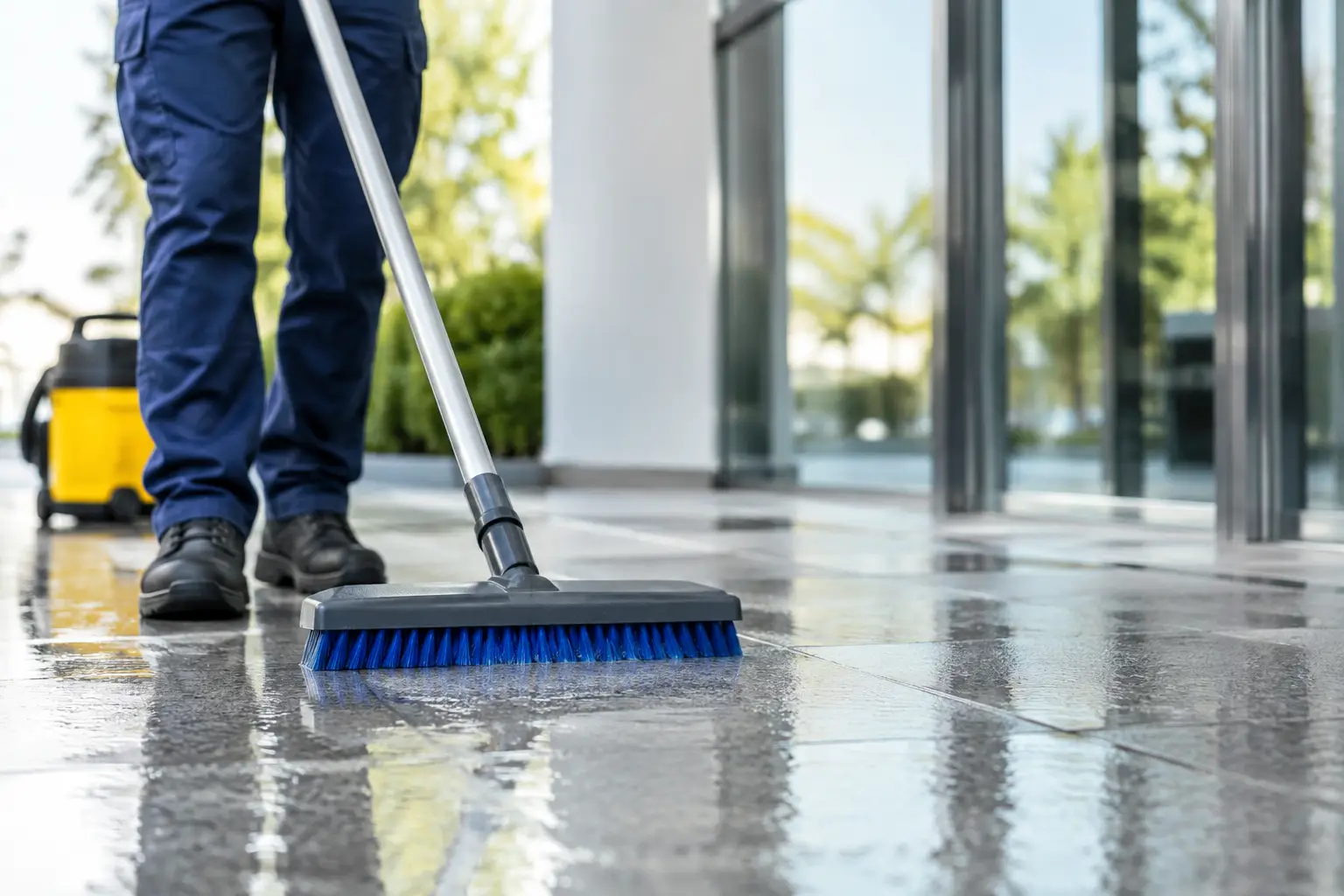
A walkway can look only slightly discolored and still become risky underfoot. In Homosassa and across Citrus County, Florida humidity gives algae, mildew, and organic buildup the moisture they need to spread across concrete, pavers, and coated paths. A professional slippery walkway cleaning service removes that stubborn film at its source, helping your entry, pool path, patio connection, or sidewalk look brighter and feel more secure.
The difference is not just cosmetic. Dark green, black, or slick-looking patches can make an otherwise well-kept property harder to navigate after rain, morning dew, or pool use. For households with children, older family members, guests, or anyone with limited mobility, restoring a clean walking surface is a practical part of caring for the home.
Why Florida Walkways Become Slippery
Concrete is durable, but it is not a perfectly smooth or sealed barrier. Its pores hold moisture, dirt, pollen, and tiny organic particles. Add shade from trees, runoff from rooflines, frequent rain, and our warm coastal climate, and algae can establish itself quickly.
The problem is often most noticeable on the north side of a home, along shaded side yards, near gutters, beneath oak trees, and around pool cages or lanais. These areas may stay damp longer than the rest of the property. A walkway that looks fine in dry afternoon sun can be noticeably slick early in the day or after a passing shower.
Mildew, mold, leaf tannins, fertilizer residue, tire marks, and ordinary foot traffic can add to the staining. Not every dark spot is algae, so the cleaning approach should match the surface and the buildup. Treating the cause rather than simply blasting the visible dirt produces a cleaner, more even result.
What a Slippery Walkway Cleaning Service Should Do
Effective walkway cleaning begins with an inspection. A professional should look at the material, the age and condition of the concrete or pavers, the severity of growth, nearby landscaping, drainage patterns, and whether the surface has been sealed before. That preparation helps prevent an aggressive approach from damaging a delicate or already-worn area.
At White Diamond Pressure Washing, the goal is to revive the surface without treating every exterior material the same way. The proper combination of surface-appropriate cleaning agents, controlled pressure, and thorough rinsing lifts algae, mildew, dirt, and grime from the walkway’s texture. The result is a more uniform appearance and cleaner traction where people actually step.
Care around the work area matters just as much as the visible transformation. Landscaping, adjacent siding, decorative borders, and nearby outdoor furniture should be considered before cleaning begins. Plants may need to be watered and protected, and runoff should be managed thoughtfully. A clean walkway is not much of a win if surrounding materials are left stressed or splattered.
Cleaning Is More Than a Quick Rinse
A garden hose will rinse away loose dirt, but it rarely removes the embedded organic growth responsible for slippery conditions. On the other hand, using excessive pressure can leave visible wand marks, roughen weak concrete, dislodge sand between pavers, or push water and debris where it does not belong.
The best method depends on the surface. Sound concrete may tolerate a stronger cleaning process than aged pavers, decorative coatings, or areas with cracked edges. Professional equipment and experience help deliver consistent coverage rather than the striped appearance that can happen when pressure is uneven. Cleaning agents also need enough contact time to break down growth before the final rinse.
When Cleaning Alone Is Enough and When Sealing Helps
For many walkways, a thorough cleaning is the immediate answer. It clears the slippery buildup, restores the original concrete color, and improves curb appeal without adding another service. Routine cleaning may be all that is needed for a relatively new path with good drainage and limited shade.
Sealing can be worth considering when concrete is very porous, frequently stained, or exposed to heavy moisture and organic debris. A suitable concrete sealer can make future cleanup easier and help limit how deeply contaminants settle into the surface. It is not a promise that algae will never return, especially in Florida, but it can be a useful layer of protection.
There is a trade-off: the wrong product or a poor application can alter the surface appearance or affect traction. That is why a sealer should be chosen for the specific concrete and intended use. A poolside path, front entry, and decorative patio do not always have the same needs. The condition of the surface should guide the recommendation, not a one-size-fits-all package.
Signs It Is Time to Schedule Walkway Cleaning
You do not need to wait until someone slips to address a walkway. Green or black shading, a dull gray film, slippery spots after rain, and uneven-looking concrete are all signs that organic buildup is taking hold. If the path looks dirty again shortly after being rinsed, the growth is likely deeper than surface dust.
Pay close attention to transitions where footing changes, such as front steps, the route from driveway to door, a path leading to the mailbox, and walkways around a pool or lanai. These are the places where a person may be carrying groceries, watching a child, or moving more quickly than they realize.
A cleaning appointment also makes sense before hosting visitors, listing a home for sale, returning to a seasonal property, or after a stretch of wet weather. Fresh, bright concrete makes the entire exterior feel more cared for. It can make landscaping stand out and give the home a sharper first impression without the cost of replacement.
Simple Habits That Help Keep Walkways Safer
Professional cleaning removes established buildup, but a few regular habits can slow its return. Keep leaves, pine needles, and mulch off the path when possible, since trapped debris holds moisture against the surface. Check that gutters and downspouts direct water away from walking areas instead of creating a constantly damp strip of concrete.
Trim back dense plants that prevent airflow and block sunlight from the walkway. If irrigation regularly sprays onto a path, adjust the coverage so the concrete is not getting an unnecessary daily soak. These small corrections will not eliminate Florida algae, but they can reduce the conditions that help it thrive.
Avoid relying on harsh, untested chemicals or overly aggressive pressure as a shortcut. Some products can stain surrounding materials, harm plants, or leave a surface looking patchy. A walkway that is badly discolored, near a pool, or bordered by established landscaping deserves a more careful approach.
A Cleaner Path Changes How the Property Feels
Walkways are easy to overlook because they are functional. Yet they connect the driveway to the front door, lead guests toward the lanai, and frame the areas your family uses every day. When algae and grime take over, the whole exterior can look older and less maintained than it really is.
Professional cleaning can bring back the bright, cared-for look hiding beneath the buildup while addressing a real safety concern. With the right method, careful preparation, and attention to the details around the surface, your walkway can look refreshed and feel more dependable underfoot – ready for Florida weather and the people who call your home a welcoming place to visit.