

TL;DR:
- Proper landscaping is essential to maintain clean, undamaged outdoor surfaces and prevent organic debris from accelerating deterioration. Regular pruning, debris removal, and strategic plant placement improve cleaning results, protect mechanical systems, and increase property value. Treating landscaping as an integral part of maintenance ensures longer-lasting cleanliness and reduces costly repairs over time.
Most homeowners think of landscaping as decoration. You plant shrubs, lay mulch, trim the hedges, and call it done. But the role of landscaping during cleaning goes far deeper than how your yard looks from the street. Landscaping directly affects how efficiently your exterior surfaces get cleaned, how long those results last, and whether moisture, pests, and debris quietly damage your property between cleaning sessions. Once you understand landscaping as a functional maintenance system rather than just curb appeal, the way you plan your outdoor upkeep changes completely.
Table of Contents
- Key takeaways
- The role of landscaping during cleaning and property upkeep
- How vegetation affects mechanical systems during cleaning
- Landscaping’s role in property value, curb appeal, and safety
- Professional vs. DIY landscaping for better cleaning outcomes
- Practical cleaning strategies for landscaped properties
- My take on landscaping as a maintenance system
- Protect your property with the right cleaning approach
- FAQ
Key takeaways
| Point | Details |
|---|---|
| Landscaping supports cleaning | Debris removal and pruning before cleaning prevents recontamination of freshly washed surfaces. |
| Vegetation affects equipment health | Overgrown plants near HVAC units restrict airflow, increasing wear and energy costs. |
| Property value connection | Well-maintained landscaping can increase property value by 10% to 20%. |
| Safety and crime deterrence | Clean, maintained landscapes actively reduce illegal dumping and criminal activity near the property. |
| Seasonal integration pays off | Combining landscaping tasks with exterior cleaning schedules reduces long-term costs and improves results. |
The role of landscaping during cleaning and property upkeep
The connection between landscaping and exterior cleaning is not theoretical. Every pile of wet leaves against your siding, every overgrown shrub brushing against your roof, and every exposed soil patch near your walkway is actively working against the cleanliness of your property.
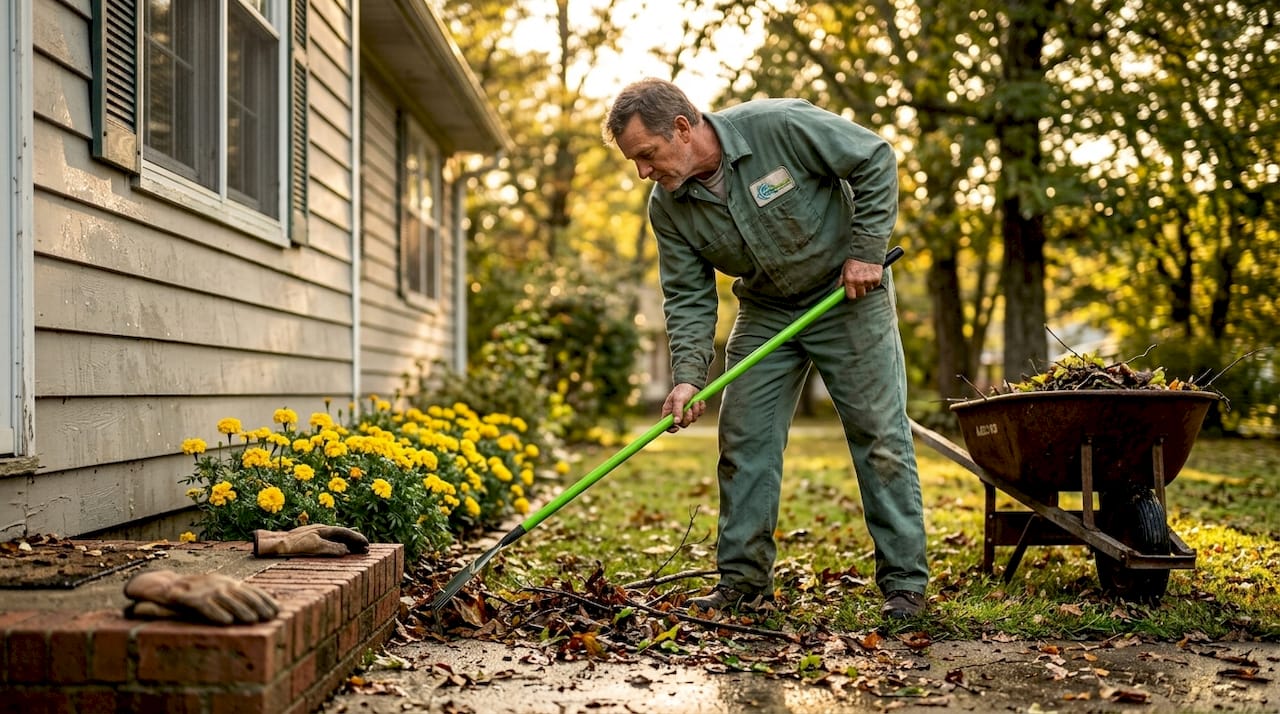
When organic matter like leaves, grass clippings, and broken branches accumulates against exterior walls or under decks, it creates the exact conditions mold and mildew need to grow. Moisture gets trapped, wood starts to soften, and by the time you schedule a pressure wash, you are cleaning a surface that has already begun to degrade. Removing that organic debris before any exterior cleaning session is not optional prep work. It is the difference between cleaning a surface and cleaning a damaged one.
Proper pruning plays a similar role. Branches and dense shrubs that hang over driveways, walkways, or roof edges constantly shed leaves and debris onto those surfaces. Trimming them back before a cleaning session means fewer contaminants falling back onto freshly cleaned concrete or shingles the same afternoon.
Mulching, when applied correctly, also reduces dirt splash during rain. Without mulch, rain hits bare soil and sends muddy water spraying onto siding, steps, and walkways. That layer of bark or organic material absorbs the impact and keeps dirt where it belongs.
- Clear leaves and wet organic debris from against siding, fences, and foundation edges before any exterior cleaning session.
- Prune overhanging branches at least one week before scheduled pressure washing or soft washing.
- Reapply mulch in plant beds near the house perimeter to reduce post-rain soil splash.
- Keep grass trimmed short near walkways and driveways to reduce tracking organic material onto hard surfaces.
Pro Tip: Schedule your landscaping cleanup two to three days before any exterior cleaning appointment. This gives freshly disturbed soil and mulch time to settle, so the cleaning crew is not fighting new debris the moment they arrive.
How vegetation affects mechanical systems during cleaning
The impact of landscaping on cleanliness extends well beyond visible surfaces. Vegetation growing too close to your home’s mechanical systems creates real structural and equipment problems that cleaning alone cannot fix.
Overgrown vegetation traps moisture against siding, fascia boards, and roof edges. Over time, that persistent dampness causes rot and material failure. When a cleaning crew arrives and power washes that area, the water pressure can accelerate deterioration on wood or composite materials that are already weakened from months of moisture exposure.
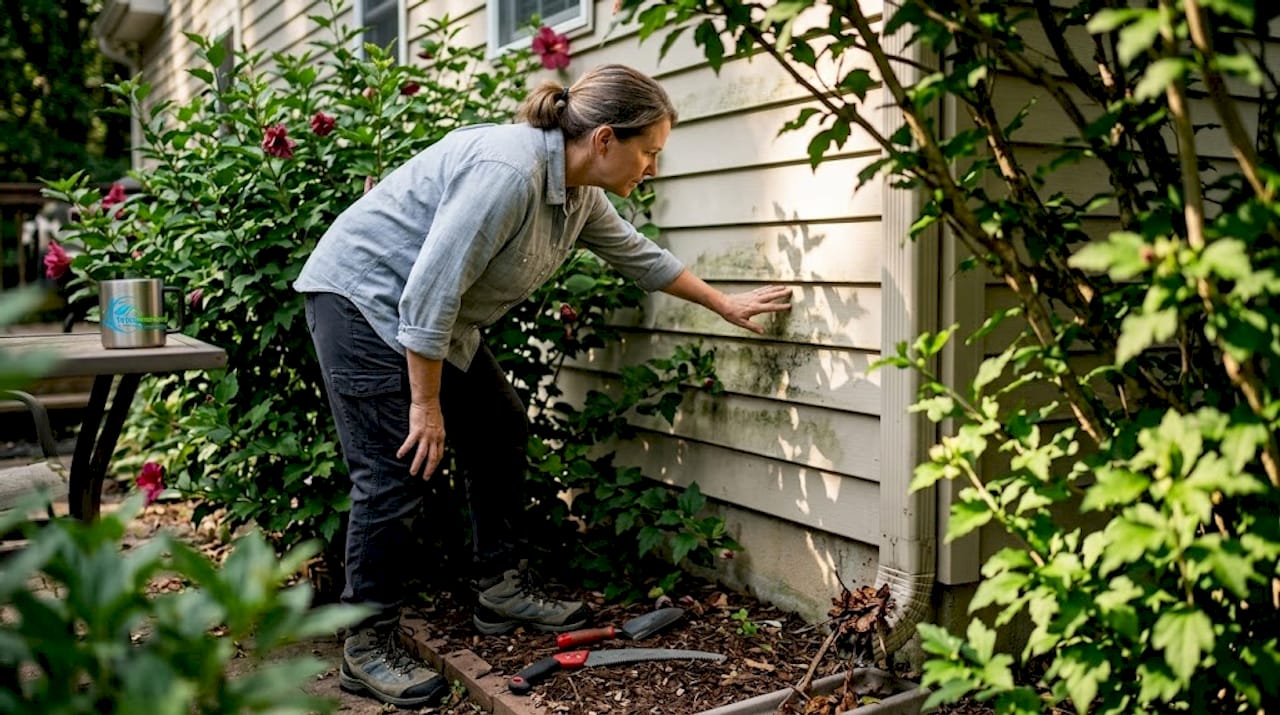
Your HVAC condenser unit is another area where landscaping matters operationally. Shrubs placed too close to the unit restrict airflow around the condenser, making the system work harder than it should. That extra strain raises energy costs and shortens the equipment’s lifespan. During exterior cleaning, overgrown plants near the condenser also make it difficult to properly clean the unit’s surroundings without damaging both the vegetation and the equipment.
Gutters represent one of the most costly overlooked intersections of landscaping and cleaning. Trees positioned directly above rooflines deposit massive volumes of leaves into gutters every season. Clogged gutters overflow, and that water runs down your foundation. The foundation moisture issues that follow are expensive and largely preventable with better plant placement and consistent debris removal.
- Maintain a clearance of at least two feet between HVAC condenser units and any shrubs or plantings.
- Choose organic mulch around HVAC units rather than gravel or concrete to reduce radiated heat and improve system efficiency.
- Inspect and clear gutters after every significant wind event, especially if large trees overhang the roofline.
- Consider relocating plantings that consistently deposit debris into gutters or against exterior walls.
Landscaping maintenance also functions as an inspection opportunity. Cleaning landscaping acts as an operational reset, uncovering pest harborage spots, drainage problems, and surface damage that would otherwise go unnoticed until they become expensive repairs.
Landscaping’s role in property value, curb appeal, and safety
There is a financial argument for treating landscaping as part of your cleaning strategy, and the numbers make the case clearly. Well-maintained landscaping increases property value by 10% to 20%. That figure is not just about pretty flowers. It reflects how buyers and appraisers interpret a well-kept exterior as evidence of disciplined property management overall.
Safety is a less obvious but equally real benefit. Cities that have invested in maintaining green spaces and keeping landscapes clean have documented measurable results. Consistent landscape maintenance significantly reduces crime and illegal dumping in urban neighborhoods, with one program managing 12,000 plots across a city representing a $7 million annual investment in exactly this outcome. The same principle applies to residential properties. A property with overgrown, unkempt landscaping signals neglect, which invites unwanted activity.
“A clean landscape signals proactive property management, which positively influences tenant and visitor perceptions.” — LandscapeAmerica
For property managers specifically, the importance of landscaping in maintenance goes directly to tenant retention. Clean exterior spaces, including well-trimmed plantings and debris-free walkways, affect how tenants feel about where they live. That emotional response translates into lease renewals and lower vacancy rates.
Understanding why clean home exteriors matter for value helps frame landscaping not as a luxury budget item but as a protective investment in your property’s long-term worth.
Professional vs. DIY landscaping for better cleaning outcomes
Not all landscaping maintenance approaches deliver the same results when cleaning is the goal. This comparison covers the real differences.
| Category | Professional maintenance | DIY maintenance |
|---|---|---|
| Seasonal scheduling | Planned around peak debris periods and cleaning dates | Often reactive, done when problems become visible |
| Equipment access | Commercial-grade tools reach dense shrubs and tall trees | Limited by available consumer tools |
| Pest and mold detection | Trained eye spots early signs during routine visits | Frequently missed until damage is advanced |
| HVAC and drainage awareness | Understands clearance requirements and drainage slope | Often unaware of proximity and airflow standards |
| Long-term cost impact | Reduces major repair costs through prevention | Can miss critical tasks, leading to costly structural issues |
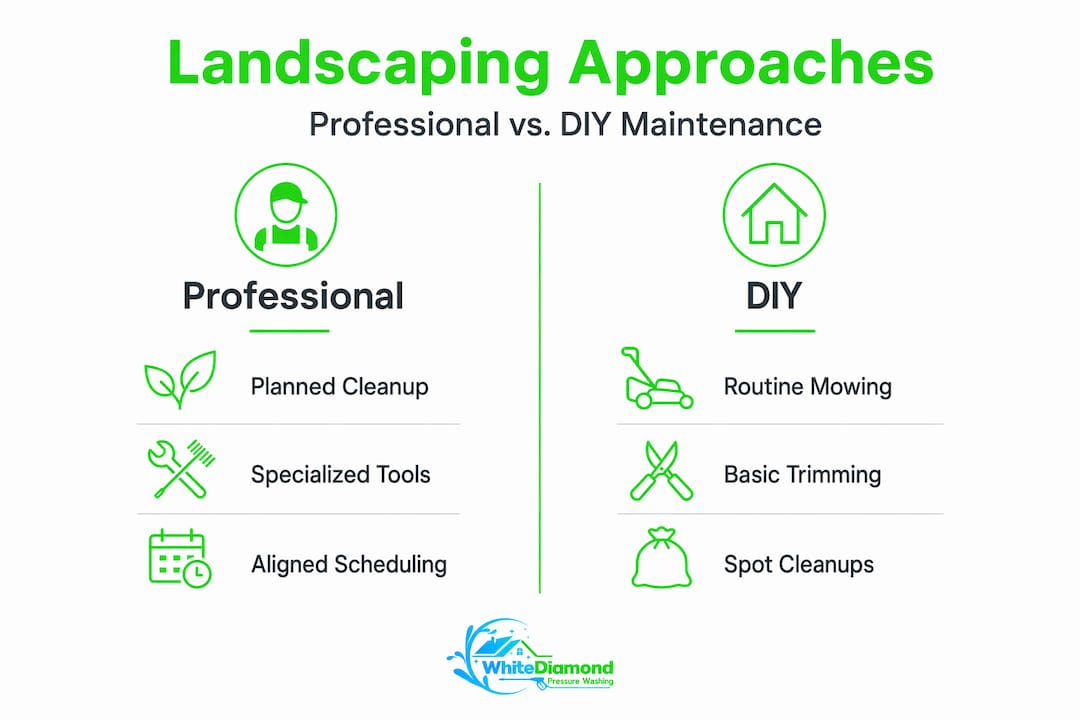
Professional landscaping maintenance aligns naturally with cleaning schedules, improving efficiency and reducing long-term maintenance costs. A professional crew scheduled before your annual soft wash or roof cleaning removes the debris and overgrowth that would otherwise recontaminate cleaned surfaces within days.
DIY maintenance works well for routine tasks like weekly mowing and light trimming. Where it typically falls short is in the deeper seasonal work. Identifying which plants are too close to the foundation, which trees are dropping into gutters, and which mulch beds need refreshing before a cleaning session requires either experience or a systematic checklist.
Pro Tip: If you manage your own landscaping, pair it with your exterior maintenance checklist so every cleaning task has a corresponding landscaping prep step. That pairing alone prevents most of the recontamination problems homeowners encounter after professional cleaning.
Practical cleaning strategies for landscaped properties
Integrating landscaping tasks into your cleaning routine does not require a complete schedule overhaul. It requires sequencing. The right tasks done in the right order make every cleaning session more effective and longer lasting.
-
Audit your plant placement twice a year. Walk the perimeter of your home in spring and fall and note any vegetation touching exterior walls, overhanging gutters, or crowding mechanical equipment. These are your priority removal or relocation items.
-
Clear debris before every major cleaning session. Rake leaves from garden beds, remove broken branches, clear organic buildup from driveways and walkways, and clean out gutters at least 48 hours before a scheduled exterior wash. Wet debris left in place during pressure washing just redistributes rather than disappears.
-
Use groundcovers strategically. Low-growing groundcovers in plant beds near the house reduce bare soil exposure and minimize dirt splash onto siding and walkways. They also suppress weeds that would otherwise contribute debris.
-
Protect HVAC units through smart plant selection. Choose slow-growing shrubs with compact habits for areas near condenser units. Properly positioned trees and landscaping can save homeowners up to 25% on heating and cooling costs while keeping equipment accessible for both cleaning and service.
-
Build a combined landscaping and cleaning checklist. The seasonal exterior cleaning checklist for Citrus County homes is a solid model for how to sequence these tasks across the calendar year.
-
Refresh mulch annually. Aged mulch compacts and loses its splash-control properties. A fresh two to three inch layer each spring does more to keep your siding and walkways clean between professional cleaning sessions than most homeowners realize.
My take on landscaping as a maintenance system
I have watched homeowners spend hundreds on pressure washing only to call back three weeks later asking why the mold is already returning. The answer is almost always the same. Nobody addressed the landscaping.
In my experience, the single most underestimated aspect of property upkeep is how much the plants, trees, and ground cover around a home control the conditions that make cleaning effective or pointless. You can soft wash a roof perfectly, but if a dense tree is still dropping wet leaves onto it every afternoon, you have bought yourself a few months at best.
The hidden cost of ignoring landscape cleaning in property upkeep is not just the next cleaning session. It is the slow moisture damage accumulating where nobody is looking. I have seen fascia boards that looked fine from the street but were soft and rotted behind overgrown shrubs that had been there for years. That is not a cleaning problem. That is a landscaping problem that became a repair bill.
What I have found actually works is treating landscaping as the first phase of any cleaning strategy. Not the finishing touch. Landscaping maintenance informs how resources get prioritized during cleaning and safety efforts. Apply that same logic to your property and you will get better results from every dollar you spend on exterior maintenance.
The properties that stay clean longest between professional visits are the ones where the landscaping is working with the cleaning strategy, not against it.
— Bobby
Protect your property with the right cleaning approach

At Whitediamondpressurewashing, we see the full picture of what your exterior needs, starting with the conditions landscaping creates around every surface we clean. Our soft washing services use low-pressure techniques that protect delicate plants and landscaping features while delivering a thorough clean on roofs, siding, driveways, and walkways. We serve homeowners and property managers throughout Citrus County and surrounding areas who want results that actually last.
If your exterior cleaning keeps losing ground to debris, moisture, or organic buildup, your landscaping setup is likely the reason. Explore the advantages of low-pressure washing to see how our methods work around your plants, not against them. Ready to get started? Visit Whitediamondpressurewashing for a free estimate and take the first step toward an exterior that stays cleaner, longer.
FAQ
How does landscaping affect exterior cleaning results?
Landscaping directly determines how quickly cleaned surfaces get recontaminated. Overhanging branches, wet organic debris, and bare soil beds near the home deposit new dirt and moisture onto surfaces within days of a professional cleaning session.
Should landscaping be done before or after pressure washing?
Always do landscaping cleanup before pressure washing. Removing debris, trimming overgrowth, and clearing gutters at least 48 hours before a cleaning session prepares surfaces properly and prevents redistributing organic matter during the wash.
Can overgrown shrubs near my HVAC unit cause real problems?
Yes. Shrubs placed too close to a condenser unit restrict airflow, which increases energy consumption and causes premature equipment wear. Maintaining at least two feet of clearance around the unit protects both the equipment and the landscaping during cleaning.
Does landscaping maintenance actually increase property value?
Well-maintained landscaping increases property value by 10% to 20%, according to industry data. That increase reflects buyer and appraiser confidence in how well the entire property has been managed, not just the appearance of the yard.
What landscaping tasks most improve cleaning efficiency?
Debris removal from beds and gutters, pruning overhanging branches, refreshing mulch, and maintaining plant clearance from walls and equipment are the four tasks that most directly improve how effective and lasting any exterior cleaning session will be.