

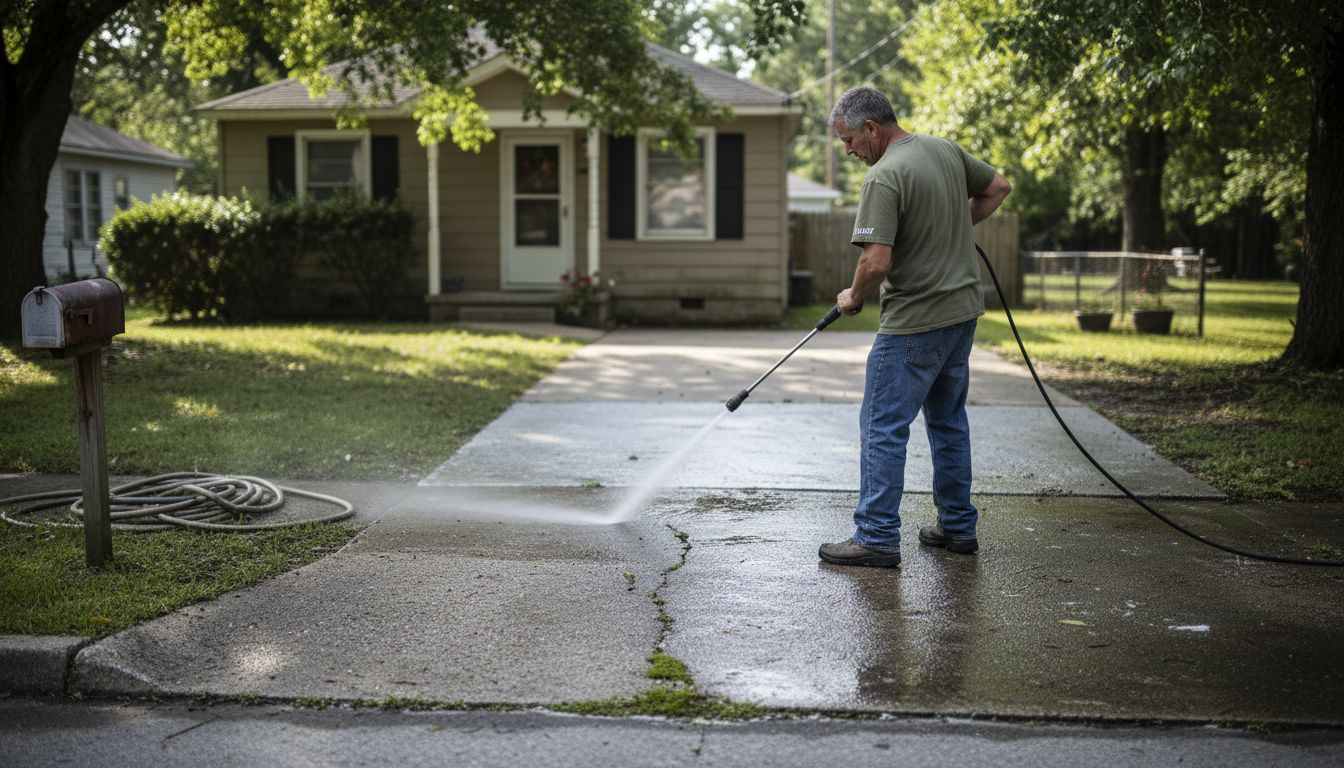
Many homeowners mistakenly believe all exterior surfaces handle the same pressure washing intensity, but optimal pressure ranges vary widely by material, from under 500 psi for wood to 3000 psi for concrete. Choosing the wrong method risks costly damage to your home’s exterior while reducing curb appeal instead of enhancing it. This guide identifies the top surfaces suited for pressure washing in Citrus County, explains which cleaning methods preserve material integrity, and helps you make informed decisions to protect your investment while maximizing aesthetic results.
Table of Contents
- How To Choose The Right Surfaces For Pressure Washing
- Driveways And Garages: Durable Surfaces For Pressure Washing
- Wood Decks And Patios: Soft Washing For Surface Protection
- Roof Surfaces: Preserving Materials With Soft Washing
- Patios And Walkways: Pressure Washing Stone And Concrete Surfaces
- House Siding: Cleaning Vinyl And Delicate Materials Safely
- Professional Service Considerations And Cost
- Summary And Situational Recommendations
- Professional Pressure Washing Services In Citrus County
- Which Surfaces In My Citrus County Home Benefit Most From Pressure Washing?
- How Often Should I Schedule Pressure Washing For Different Exterior Surfaces?
- What Are The Risks Of Using High Pressure On Delicate Surfaces Like Wood Or Roofs?
- Why Should I Hire A Professional Pressure Washing Service Instead Of Doing It Myself?
Key takeaways
| Point | Details |
|---|---|
| Different surfaces require tailored pressure levels and cleaning methods | Wood decks need under 500 psi while concrete driveways tolerate up to 3000 psi safely |
| Driveways and concrete patios tolerate higher pressure for deep cleaning | Professional cleaning every 6 to 12 months removes up to 90% of stains and buildup |
| Wood decks and roofs need gentle soft washing to prevent damage | Low pressure methods prevent splintering, granule loss, and water infiltration |
| Professional pressure washing can extend surface lifespan up to 30% | Expert assessment matches cleaning method to surface material and condition |
| Selecting the right method enhances curb appeal and property value | Proper technique preserves materials while removing dirt, mold, and organic growth |
How to choose the right surfaces for pressure washing
Surface material determines the maximum safe pressure level you can apply during cleaning. Pressure tolerance varies by material, with wood requiring less than 500 psi, vinyl siding up to 1500 psi, and concrete up to 3000 psi to avoid permanent damage.
Material sensitivity affects the risk of splintering, etching, or granule loss when cleaning. Dirt type and current surface condition influence whether you need high pressure washing or gentler soft washing vs power washing approaches. Professional assessment prevents costly surface damage by matching cleaning intensity to your specific exterior materials.
Soft washing uses low pressure combined with biodegradable detergents for delicate surfaces. This method effectively removes organic growth while preserving material integrity. When selecting surfaces for cleaning, consider these critical factors:
- Surface porosity and water absorption characteristics
- Existing damage like cracks, loose paint, or deterioration
- Age and previous maintenance history of the material
- Environmental exposure to moisture, shade, and organic debris
- Local pressure washing safety regulations and best practices
Professional evaluation identifies which surfaces benefit from pressure washing versus those requiring alternative cleaning methods. Understanding these distinctions helps homeowners avoid expensive repairs while achieving optimal cleaning results. For detailed comparisons, review this pressure washing guide by HomeAdvisor covering material-specific recommendations.
Driveways and garages: durable surfaces for pressure washing
Concrete and asphalt driveways rank among the most suitable surfaces for medium to high pressure washing. These materials tolerate pressures up to 3000 psi without sustaining damage, making them ideal candidates for intensive cleaning. Driveways tolerate medium-high pressure and can remove up to 90% of stains with professional cleaning every 6 to 12 months.
Pressure washing effectively removes oil stains, dirt accumulation, mildew, and algae buildup that degrade appearance. These contaminants not only reduce curb appeal but can also accelerate surface deterioration if left untreated. Regular professional cleaning maintains structural integrity while enhancing your property’s first impression.
Typical driveway cleaning costs range from $150 to $300 depending on size and condition. This investment delivers measurable returns through improved aesthetics and extended surface life. Consider these key benefits of regular driveway pressure washing:
- Removes embedded dirt and organic growth that household methods cannot eliminate
- Prevents premature cracking and deterioration from accumulated contaminants
- Restores original appearance and color to faded concrete or asphalt
- Enhances safety by eliminating slippery algae and mildew patches
- Prepares surfaces for sealing or resurfacing treatments
Pro Tip: Seal your driveway within 48 hours after professional pressure washing to lock in the clean appearance and extend surface durability. The sealed surface resists future staining and simplifies routine maintenance throughout the year.
For Citrus County homeowners seeking optimal results, explore proven driveway cleaning methods Citrus County homes rely on. Review comprehensive driveway cleaning stats showing long-term value and maintenance schedules.
Wood decks and patios: soft washing for surface protection
Wood surfaces present unique cleaning challenges that demand specialized approaches. Wood is highly sensitive to pressure, and high intensity cleaning causes splintering, grain damage, and premature deterioration that shortens deck lifespan significantly.
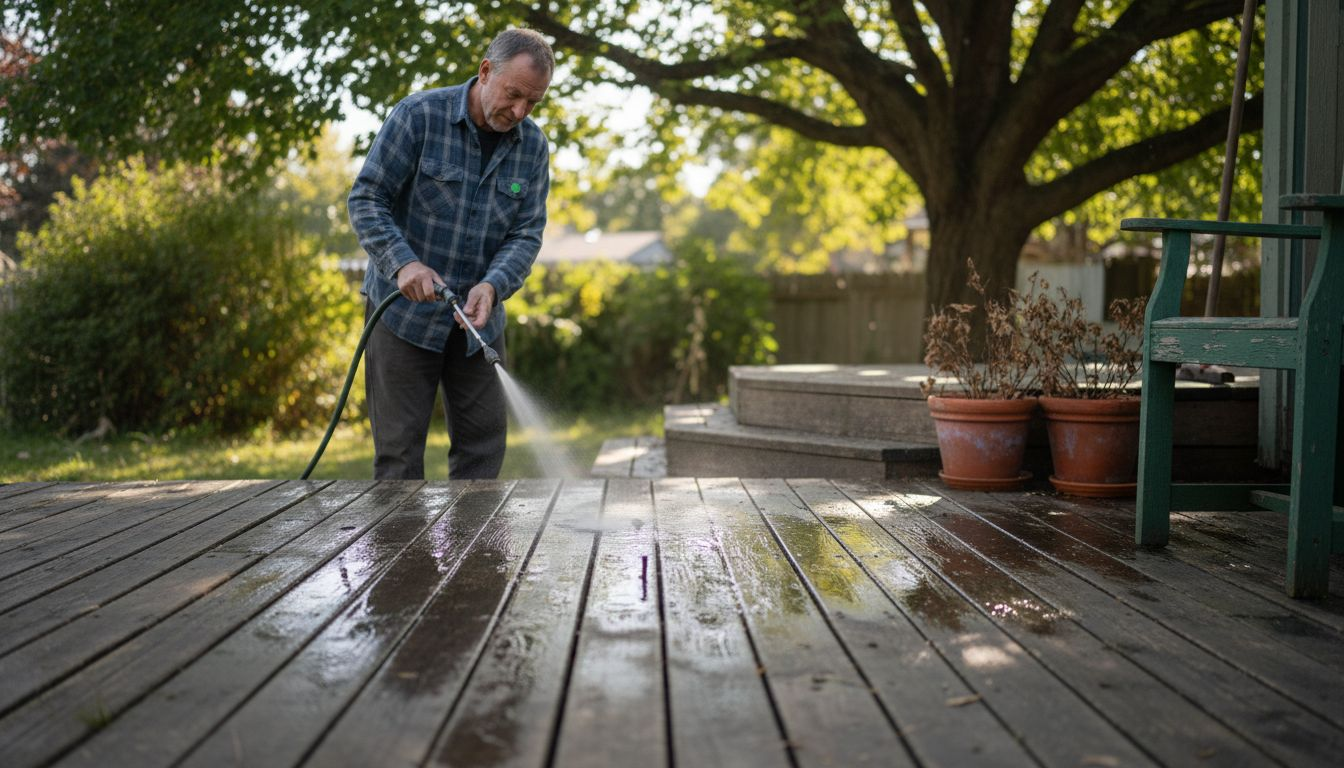
Soft washing below 500 psi removes 85% of algae and dirt buildup while preventing the wood damage associated with traditional pressure washing. This method combines low pressure with biodegradable detergents safe for wood health and surrounding vegetation. The gentle approach protects the wood fibers while effectively eliminating organic growth.
Soft washing proves particularly effective at removing algae and dirt buildup common on decks exposed to shade and moisture. Wood patios frequently develop green or black staining from biological growth that penetrates surface layers. Low pressure cleaning with appropriate detergents lifts these contaminants without compromising wood integrity.
This method works best for wood surfaces exposed frequently to moisture and organic debris accumulation. Shaded decks, areas near vegetation, and regions with high humidity benefit most from regular soft washing maintenance. Key advantages include:
- Gentle cleaning preserves natural wood grain and texture
- Biodegradable solutions protect landscaping and groundwater
- Removes mold, mildew, and algae without surface abrasion
- Prepares wood for staining or sealing treatments
- Extends deck lifespan by preventing moisture-related decay
Pro Tip: Schedule soft washing in spring or fall when temperatures stay moderate and humidity levels support effective detergent action. These seasons also align with optimal times for applying protective stains or sealers after cleaning.
Learn more about proven soft washing benefits and how this method protects your wood investment while delivering thorough cleaning results.
Roof surfaces: preserving materials with soft washing
Roofs require the gentlest cleaning approach to avoid granule loss, shingle damage, and potential leaks. Traditional high pressure washing strips protective granules from asphalt shingles and forces water under roofing materials, creating pathways for infiltration and interior damage.
Soft washing applies less than 500 psi pressure combined with specialized detergents formulated for roofing materials. Soft washing reduces roof damage risk by 70% compared to high-pressure washing, preserving granules and preventing water infiltration that leads to costly repairs. This method safely removes black streaks, moss, lichen, and algae without compromising roof integrity.
The technique proves ideal for asphalt shingles and tile roofs specifically. These common roofing materials benefit from gentle cleaning that eliminates organic growth while maintaining their protective qualities. Metal roofs may tolerate slightly higher pressures but still require professional evaluation to prevent finish damage.
Professional evaluation is strongly recommended given the complexity and safety concerns of roof cleaning. Working at height requires proper equipment, training, and insurance coverage that most homeowners lack. Professionals also understand how different roof ages and conditions affect appropriate cleaning methods.
Low chemical runoff reduces environmental impact and protects plants, lawns, and landscaping below the roof line. Eco-friendly detergents break down naturally without harming vegetation or contaminating soil. Additional benefits include:
- Extends roof lifespan by removing growth that traps moisture
- Improves energy efficiency by restoring reflective properties
- Prevents premature replacement and costly repairs
- Maintains manufacturer warranty compliance on newer roofs
- Enhances curb appeal and property value significantly
Explore detailed roof cleaning techniques designed for various roofing materials. Discover additional soft wash roof benefits homeowners experience after professional treatment.
Patios and walkways: pressure washing stone and concrete surfaces
Patios and walkways serve as high-traffic areas where dirt, organic growth, and staining accumulate rapidly. The appropriate cleaning pressure depends entirely on the material composition and finish of these surfaces.
Concrete patios handle pressures up to 3000 psi effectively without sustaining surface damage. This intensity removes embedded dirt, oil stains, and biological growth that simple scrubbing cannot eliminate. Medium to high pressure washing can remove up to 95% of stains on concrete patios, restoring original appearance and improving slip resistance.
Natural stone requires gentler pressure between 400 and 800 psi to prevent etching and surface degradation. Stone materials like flagstone, slate, and limestone feature softer compositions that high pressure can permanently damage. The lower pressure setting combined with appropriate detergents achieves thorough cleaning while preserving stone integrity.
Regular cleaning enhances slip resistance and curb appeal by removing algae, moss, and organic films that create hazardous walking surfaces. This maintenance proves particularly important in Citrus County’s humid climate where biological growth accelerates on exterior surfaces.
| Surface Material | Recommended Pressure | Chemical Needs | Cleaning Frequency |
|---|---|---|---|
| Concrete | 2000-3000 psi | Mild degreaser for stains | Every 6-12 months |
| Natural Stone | 400-800 psi | pH-neutral detergent only | Every 12-18 months |
| Pavers | 1000-1500 psi | Specialized paver cleaner | Every 12 months |
| Brick | 800-1200 psi | Mild alkaline solution | Every 12-18 months |
Cleaning frequency depends on surface use intensity and local climate conditions. High-traffic walkways require more frequent maintenance than decorative patio areas. Shaded locations prone to moss and algae growth benefit from scheduled cleanings before visible buildup occurs.
Key considerations for patio and walkway cleaning include:
- Joint sand preservation between pavers during cleaning
- Sealing application after cleaning to protect investment
- Drainage patterns to direct cleaning runoff appropriately
- Surrounding landscape protection from cleaning solutions
- Weather timing to allow proper drying and sealer curing
Compare methods and benefits through this pressure vs power washing guide tailored for various surface materials.
House siding: cleaning vinyl and delicate materials safely
Exterior siding cleaning maintains your home’s appearance while protecting against moisture damage and deterioration. Different siding materials tolerate varying pressure levels, making professional assessment critical for safe, effective cleaning.
Vinyl siding tolerates up to 1500 psi pressure safely when applied at the correct angle and distance. Vinyl siding cleaned safely below 1500 psi removes up to 90% of dirt and mold accumulation that degrades appearance and can compromise material integrity over time. The cleaning process restores original color and brightness while eliminating organic growth.
Soft washing is strongly recommended for painted, wood, or delicate sidings where high pressure risks paint removal, wood damage, or material penetration. This gentle method combines low pressure with specialized detergents that break down dirt, mold, and mildew without mechanical force. The approach proves particularly effective on older homes where materials may have weakened over time.
Regular siding cleaning removes dirt, mold, and mildew effectively to improve curb appeal and property value. These contaminants not only look unattractive but also accelerate siding deterioration by trapping moisture against underlying materials. Removal prevents premature replacement and maintains your home’s protective envelope.
Cleaning frequency aligns with local Citrus County environmental factors including humidity, shade coverage, proximity to vegetation, and prevailing weather patterns. Homes in heavily shaded areas or near trees typically require more frequent cleaning than those in open, sunny locations.
Proper technique prevents paint damage and water intrusion behind siding panels. Incorrect pressure or spray angle forces water into wall cavities, creating conditions for mold growth and structural damage. Professional cleaners understand these risks and adjust methods accordingly. Important factors include:
- Spray angle maintenance to prevent water infiltration
- Detergent selection appropriate for siding material and finish
- Rinsing thoroughness to prevent residue streaking
- Window and door seal protection during cleaning
- Trim and architectural detail preservation
For optimal maintenance planning, review the recommended pressure washing schedule Citrus County homeowners follow based on local conditions and seasonal factors.
Professional service considerations and cost
Hiring professional pressure washing services delivers measurable advantages beyond simple convenience. Professionals possess expertise to assess surface materials and dirt types accurately, matching cleaning methods to specific conditions. This knowledge prevents the costly mistakes that DIY attempts often produce.
Proper pressure selection prevents expensive damage while extending surface lifespan significantly. Professional pressure washing extends surface lifespan by up to 30% through appropriate technique and material-specific methods. Professionals also carry insurance coverage protecting homeowners from liability if accidents occur during cleaning.
Soft washing reduces environmental chemical runoff by 40% compared to traditional methods through precise application and eco-friendly detergent selection. Professional services prioritize environmental responsibility while achieving superior cleaning results. The controlled application minimizes waste and protects surrounding vegetation and water sources.
Typical costs for professional pressure washing in Citrus County include $150 to $300 for standard driveways and $200 to $450 for roof cleaning depending on size and complexity. These prices reflect equipment investment, expertise, insurance coverage, and guaranteed results. The investment often proves more economical than repairing damage from improper DIY cleaning attempts.
Local Citrus County providers offer distinct advantages including:
- Familiarity with regional climate challenges and surface conditions
- Immediate availability for urgent cleaning needs or storm cleanup
- Industry-approved detergents and modern equipment
- Flexible scheduling accommodating homeowner preferences
- Established reputation and customer reviews providing accountability
- Comprehensive services addressing multiple surface types in single visits
Professional services prioritize surface preservation and use industry-approved detergents formulated for specific materials. These specialized products achieve superior results without the harsh chemicals that can damage surfaces or harm the environment. Providers also maintain current knowledge of best practices and safety standards.
Explore comprehensive professional pressure washing benefits and understand how expert services protect your investment. Review essential pressure washing safety considerations professionals address during every service.
Summary and situational recommendations
Successful pressure washing outcomes depend on matching pressure levels to surface sensitivity. This fundamental principle prevents damage while achieving thorough cleaning across all exterior materials. Understanding these relationships helps homeowners make informed decisions about maintenance approaches.
Soft washing proves best for roofs, wood decks, and delicate sidings where material integrity takes priority over cleaning intensity. These surfaces cannot withstand high pressure without sustaining permanent damage that shortens lifespan and requires expensive repairs or replacement.
Pressure washing works best for driveways, concrete patios, and durable walkways where higher intensity safely removes embedded contaminants. These surfaces benefit from the mechanical action that lifts oil stains, tire marks, and deep-set dirt that gentler methods leave behind.
Homeowners should consider property size, surface condition, and budget when planning exterior cleaning projects. Larger properties or those with multiple surface types often benefit from comprehensive professional service rather than piecemeal DIY approaches. Surface age and previous maintenance history also influence appropriate cleaning intensity.
Professional assessments are recommended for complex or mixed-surface homes where improper technique risks costly damage. Experts evaluate each surface individually and create customized cleaning plans addressing specific conditions. This personalized approach delivers optimal results while protecting your investment.
| Decision Factor | Choose Soft Washing | Choose Pressure Washing |
|---|---|---|
| Surface Material | Wood, roofs, painted siding | Concrete, asphalt, vinyl |
| Primary Concern | Material preservation | Deep stain removal |
| Pressure Range | Under 500 psi | 1500-3000 psi |
| Typical Cost | $200-$450 | $150-$300 |
| Cleaning Frequency | Every 12-18 months | Every 6-12 months |
Key decision criteria include:
- Current surface condition and visible damage
- Type and severity of dirt or staining present
- Material age and previous maintenance history
- Budget available for cleaning and potential repairs
- Time constraints and scheduling preferences
- Environmental concerns regarding chemical use
Professional pressure washing services in Citrus County
Local Citrus County experts at White Diamond Pressure Washing safely clean every surface type your home presents. Our team brings specialized knowledge of regional conditions affecting exterior surfaces, from humidity-driven mold growth to specific soil and water characteristics.
Professional soft and pressure washing services protect your home materials while delivering superior cleaning results. We customize our approach based on surface composition, current condition, and your specific goals. This personalized service ensures optimal outcomes without the risks DIY methods introduce.
Cost-effective solutions tailored to your specific exterior needs fit within your maintenance budget while maximizing value. Our transparent pricing reflects the expertise, equipment, and eco-friendly products we bring to every project. Comprehensive professional pressure washing services address multiple surfaces efficiently during single visits.
We specialize in both soft washing vs power washing methods, selecting the appropriate approach for each surface. This dual capability allows us to service your entire property effectively, from delicate roofs to durable driveways, using optimal techniques throughout.
Pro Tip: Schedule annual cleanings to maintain curb appeal year-round and prevent minor issues from becoming expensive problems. Regular professional maintenance extends surface lifespan while keeping your home looking its absolute best.
Which surfaces in my Citrus County home benefit most from pressure washing?
Driveways, concrete patios, and vinyl siding benefit most from pressure washing due to their durability and tolerance for higher pressure levels. These surfaces accumulate significant dirt, oil stains, and organic growth that pressure washing removes effectively. Professional cleaning restores appearance while preventing premature deterioration from embedded contaminants.
How often should I schedule pressure washing for different exterior surfaces?
Driveways and concrete surfaces require cleaning every 6 to 12 months depending on use intensity and exposure. Wood decks and roofs need soft washing every 12 to 18 months to prevent damage while maintaining cleanliness. Adjust your pressure washing schedule based on local weather patterns and individual surface condition.
What are the risks of using high pressure on delicate surfaces like wood or roofs?
High pressure causes wood splintering, roof granule loss, and finish damage on delicate materials. It increases water infiltration risk behind siding and under roofing materials, creating pathways for moisture damage and mold growth. Soft washing significantly reduces these risks while achieving thorough cleaning. Learn more about risks of high-pressure washing on sensitive surfaces.
Why should I hire a professional pressure washing service instead of doing it myself?
Professionals customize pressure levels and detergents precisely for your specific surfaces, preventing damage DIY methods often cause. They extend surface lifespan through proper technique while using eco-friendly practices that protect your landscape. Expert service delivers superior results efficiently without the equipment investment, learning curve, or liability risks homeowners face. Discover comprehensive professional pressure washing advantages for your property.
Recommended
- 6 Clear Signs You Need Pressure Washing at Home – white-diamond-pressure
- 7 Key Commercial Pressure Washing Benefits for Homeowners – white-diamond-pressure
- Pressure Washing Trends 2025: Innovations Shaping Citrus County – white-diamond-pressure
- 7 Common Exterior Surfaces to Clean for Better Curb Appeal – white-diamond-pressure