

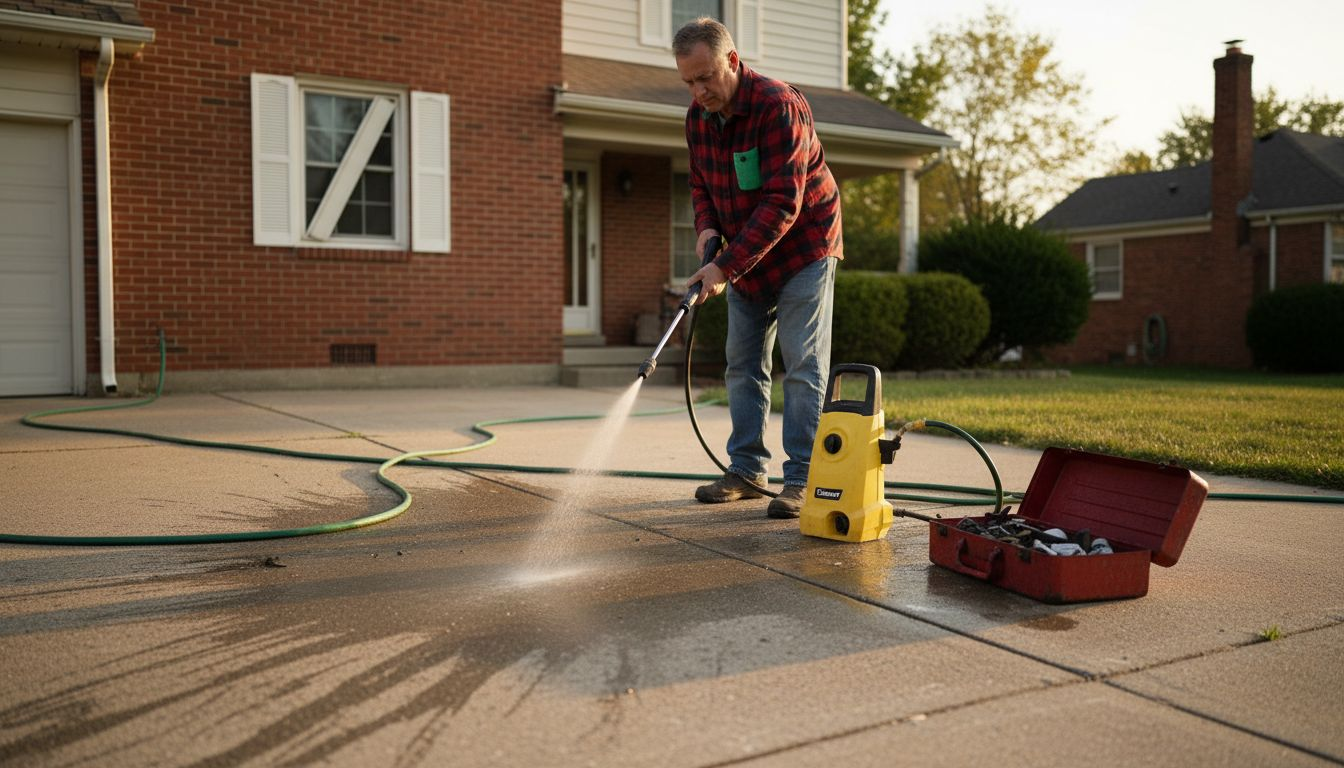
Tackling exterior grime on your Citrus County home seems simple until you realize the risks of DIY pressure washing. Selecting the wrong machine or pressure level can do more harm than good, leaving surfaces permanently damaged or even creating safety hazards. With so many equipment options and complex techniques, homeowners need guidance to keep their investment safe. This guide will help you understand the essentials of surface vulnerability and how to approach pressure washing without costly mistakes.
Table of Contents
- What Is DIY Pressure Washing?
- Pressure Washer Types And Application Differences
- Hidden Risks: Surface And Structural Damage
- Personal Safety Dangers For Homeowners
- Financial Costs And Insurance Implications
- Why Professional Services Are A Safer Choice
Key Takeaways
| Point | Details |
|---|---|
| DIY Pressure Washing Risks | Homeowners may face significant surface and structural damage if incorrect pressure settings or techniques are used. Understanding material-specific vulnerabilities is essential for safe cleaning. |
| Equipment Selection Matters | Different pressure washer types (Electric, Gas-Powered, Hot Water, Cold Water) are suited for varying tasks, affecting performance and safety. Always choose the right type based on the cleaning job. |
| Safety First | DIY pressure washing poses serious personal injury risks, including potential wounds from high-pressure streams and electrical hazards. Protective gear is critical when operating pressure washing equipment. |
| Consider Professional Services | Hiring professional pressure washing services ensures expertise, specialized equipment, and reduced risk of damage or injury, providing long-term property protection through precise cleaning techniques. |
What Is DIY Pressure Washing?
DIY pressure washing involves homeowners attempting to clean exterior surfaces using rented or purchased pressure washing equipment without professional assistance. This process typically requires selecting appropriate pressure settings and equipment for various home surfaces like decks, driveways, and siding. While seemingly straightforward, DIY pressure washing techniques demand careful skill and precise understanding to prevent potential property damage.
Homeowners often underestimate the complexity of pressure washing. Unlike simple cleaning tasks, this method requires understanding multiple technical factors:
- Selecting correct water pressure for different surface materials
- Choosing appropriate nozzle types
- Maintaining safe operating distances
- Understanding potential risks of surface damage
- Managing equipment safely
Pressure washing equipment operates by forcing water at high velocities through specialized nozzles, creating powerful cleaning streams capable of removing dirt, grime, and environmental buildup. However, without proper training, these same powerful streams can cause significant damage to wood, concrete, paint, and other exterior materials.
Surface vulnerability represents a critical concern in DIY pressure washing. Different materials like wood, stucco, brick, and vinyl siding require unique pressure settings and techniques. Applying incorrect pressure can lead to:
- Permanent surface etching
- Paint stripping
- Wood fiber destruction
- Structural material weakening
Pro tip: Always test pressure washing techniques on a small, inconspicuous area first to understand how your specific surface responds to water pressure and cleaning techniques.
Pressure Washer Types and Application Differences
Pressure washers represent diverse cleaning tools designed for different applications, with multiple types available that serve unique residential and commercial needs. Understanding these variations helps homeowners and professionals select the most appropriate equipment for specific cleaning tasks.
The primary pressure washer categories include:
- Electric Washers: Ideal for light-duty tasks
- Quieter operation
- Best for cars, decks, and small surfaces
- Lower pressure settings
- Gas-Powered Washers: Designed for heavy-duty cleaning
- Higher pressure output
- Portable and versatile
- Suitable for large outdoor areas
- Hot Water Washers: Specialized for tough grime
- Excellent for removing grease and oils
- More effective on industrial surfaces
- Cold Water Washers: Standard cleaning applications
- General purpose cleaning
- Lower cost
- Suitable for everyday maintenance
Each pressure washer type delivers different performance characteristics based on its power source and intended use. Electric models typically provide 1300-1900 PSI, making them perfect for residential light cleaning, while gas-powered washers can generate 2000-4000 PSI for more challenging surfaces like driveways and commercial spaces.
Here’s a comparison of pressure washer types and their best-use scenarios:
| Washer Type | Ideal Use Case | Pressure Range | Portability |
|---|---|---|---|
| Electric | Small surfaces, cars | 1300-1900 PSI | Lightweight |
| Gas-Powered | Large outdoor areas | 2000-4000 PSI | Highly mobile |
| Hot Water | Grease, industrial dirt | 2000-4000 PSI+ | Heavy-duty |
| Cold Water | General maintenance | 1300-3000 PSI | Most common |
Pressure Rating Significance plays a crucial role in equipment selection. Choosing the wrong pressure setting can cause significant damage to surfaces, making understanding these differences paramount for safe and effective cleaning.
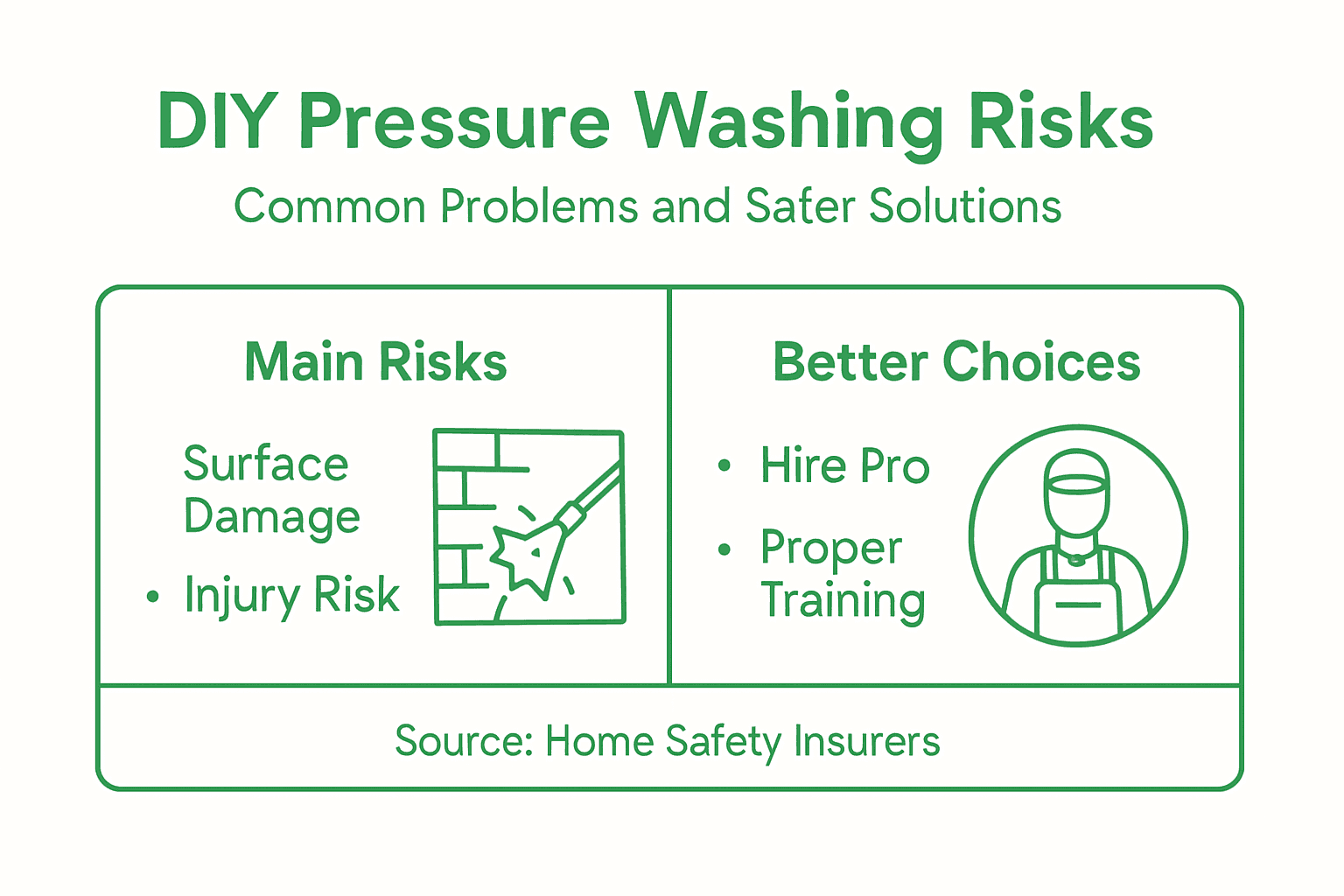
Pro tip: Always match your pressure washer type and PSI rating precisely to the surface you intend to clean to prevent potential damage and achieve optimal results.
Hidden Risks: Surface and Structural Damage
Homeowners often underestimate the potential for damage when attempting DIY pressure washing, with certain surfaces particularly vulnerable to improper cleaning techniques. Applying incorrect pressure can transform a simple cleaning project into an expensive home repair nightmare.
Surface Vulnerability varies widely across different materials, creating significant risks:
- Wood Surfaces
- Soft wood fibers easily damaged
- Risk of splintering and permanent etching
- Water can penetrate and cause internal rot
- Brick and Masonry
- Loose mortar can be dislodged
- High pressure can erode protective surface layers
- Creates pathways for water infiltration
- Asphalt Shingles
- Granule layer can be stripped away
- Compromises roof’s protective capabilities
- Voids manufacturer warranties
- Painted Surfaces
- Paint can be stripped or permanently damaged
- Creates uneven surface textures
- Exposes underlying materials to environmental damage
The technical complexity of pressure washing extends beyond simply pointing and spraying. Pressure Rating Precision determines the difference between effective cleaning and catastrophic surface destruction. Professional technicians understand that each material requires a nuanced approach, carefully calibrating pressure, distance, and nozzle selection.
Incorrect pressure washing techniques can cause more damage than the original dirt or grime you’re attempting to remove.
Water Intrusion Risks represent another critical concern. Powerful water streams can force moisture into vulnerable structural components, potentially causing:
- Interior wall damage
- Electrical system compromise
- Mold and mildew growth
- Structural wood rot
Pro tip: When in doubt about surface compatibility, always consult a professional pressure washing service to prevent irreversible damage to your home’s exterior surfaces.
Personal Safety Dangers for Homeowners
Pressure washing might seem like a straightforward home maintenance task, but significant personal safety risks lurk behind these powerful machines. The intense water pressure can transform a simple cleaning project into a potential medical emergency in seconds.
Injury Risks associated with DIY pressure washing are severe and multifaceted:
- Direct Water Stream Hazards
- Capable of causing deep tissue wounds
- Can penetrate skin at microscopic levels
- Potential for serious medical complications
- Physical Strain Dangers
- Heavy equipment requires significant upper body strength
- Risk of muscle strain and unexpected equipment movement
- Potential for sudden loss of balance
- Electrical Risks
- Electric shock potential with wet surfaces
- Exposed cords create electrocution dangers
- Higher risk in damp outdoor environments
- Projectile Debris Threats
- High-pressure streams can propel rocks and debris
- Risk of eye and facial injuries
- Potential for unexpected object trajectories
Wound Complexity represents a critical concern that many homeowners overlook. What appears to be a minor surface injury from a pressure washer can quickly escalate into a serious medical condition requiring professional intervention.
High-pressure water streams can cause seemingly minor wounds that may lead to significant long-term medical complications.
Equipment Interaction Risks extend beyond immediate physical dangers. Gas-powered pressure washers introduce additional threats like carbon monoxide exposure, especially when used in enclosed or poorly ventilated spaces. Electric models carry their own set of electrical hazards that can result in potentially fatal accidents.
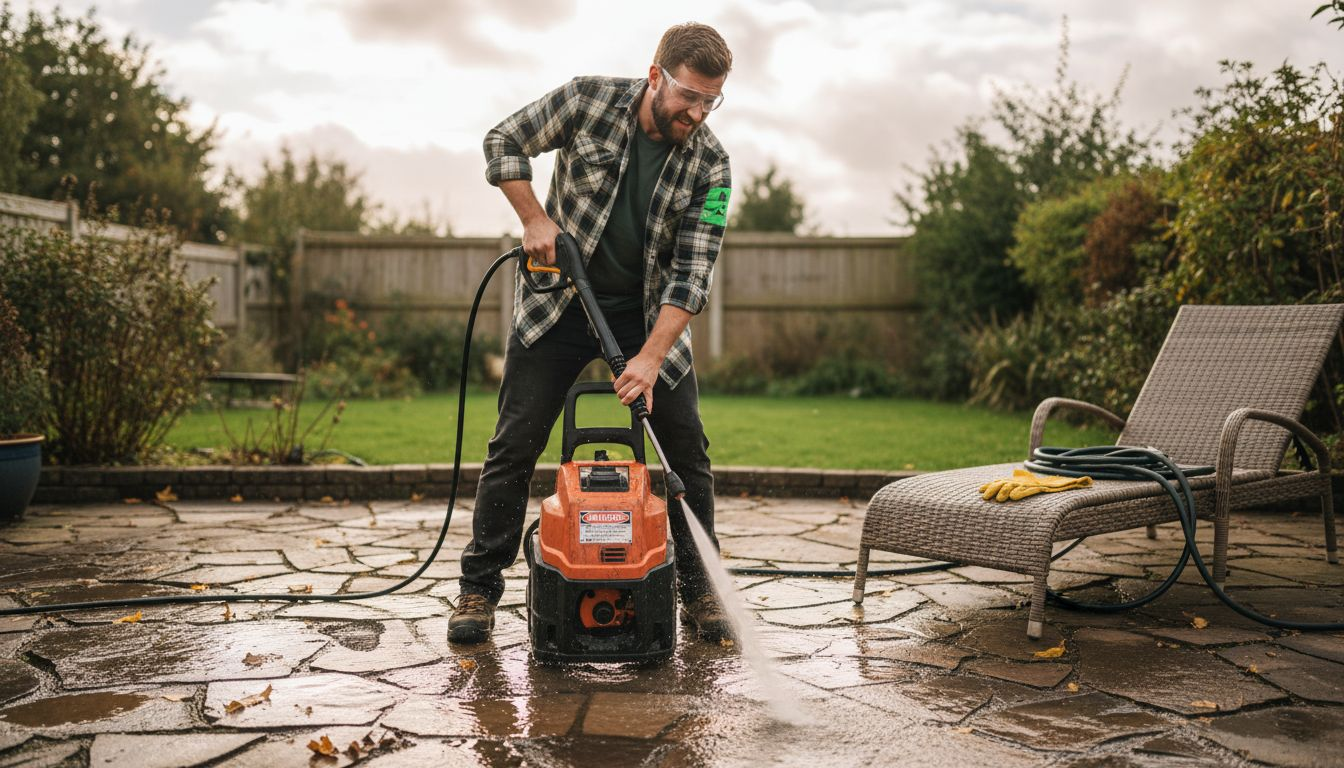
Pro tip: Always wear full protective gear, including safety glasses, closed-toe shoes, long pants, and gloves when operating any pressure washing equipment.
Financial Costs and Insurance Implications
Homeowners rarely consider the substantial financial risks associated with DIY pressure washing, but insurance implications can be significant. What seems like a cost-saving approach can quickly transform into an expensive nightmare of potential property damage and personal liability.
Potential Financial Risks encompass multiple costly scenarios:
- Property Damage Expenses
- Repairs to damaged surfaces
- Structural restoration costs
- Landscaping reconstruction
- Personal Injury Liability
- Medical treatment expenses
- Potential legal claims
- Lost wages from injury-related disability
- Equipment Replacement
- Costs of damaged personal equipment
- Rental equipment damage fees
- Potential professional repair charges
- Insurance Premium Consequences
- Potential rate increases
- Possible policy cancellation
- Documentation of DIY damage
Homeowners insurance policies frequently have specific clauses that limit coverage for damage resulting from improper maintenance or DIY projects. Many policies explicitly exclude damages caused by inexperienced handling of high-pressure equipment, leaving homeowners financially vulnerable.
To help assess risk, here’s a summary of typical damage and cost consequences for DIY pressure washing:
| Risk Type | Common Outcomes | Potential Financial Impact |
|---|---|---|
| Surface Damage | Permanent etching, paint loss | Repair costs, materials replacement |
| Injury Liability | Deep wounds, electrocution | Medical bills, lost wages |
| Insurance Issues | Policy hikes or denial | Higher premiums, out-of-pocket expense |
DIY pressure washing can create insurance nightmares that far exceed the initial perceived savings of doing the job yourself.
Risk Assessment involves understanding the intricate financial landscape of potential damages. Professional pressure washing services not only provide expertise but also carry comprehensive insurance that protects homeowners from unexpected financial burdens.
Pro tip: Always review your homeowner’s insurance policy for specific clauses related to DIY maintenance and equipment damage before attempting pressure washing projects.
Why Professional Services Are a Safer Choice
Choosing professional pressure washing services offers far more than a simple cleaning solution, with comprehensive benefits beyond DIY approaches. Trained technicians bring expertise, specialized equipment, and a nuanced understanding of surface preservation that amateur attempts cannot match.
Professional Advantages include multiple critical protections:
- Technical Expertise
- Precise pressure calibration
- Surface-specific cleaning techniques
- Understanding material vulnerabilities
- Equipment Mastery
- High-end professional-grade tools
- Properly maintained machinery
- Advanced nozzle and pressure control
- Safety Protocols
- Comprehensive personal protective equipment
- Established risk management procedures
- Insurance and liability coverage
- Environmental Considerations
- Eco-friendly cleaning solutions
- Proper chemical dilution and application
- Responsible wastewater management
Professional pressure washers invest significant time in training and understanding the intricate dynamics of different surfaces. They recognize that each material – whether wood, concrete, brick, or vinyl – requires a unique approach to prevent potential damage.
Professional services transform a risky DIY project into a precision-engineered cleaning solution.
Long-Term Property Protection represents another crucial advantage. Professionals don’t just clean surfaces; they help preserve and extend the lifespan of your home’s exterior elements, potentially saving thousands in replacement and repair costs.
Pro tip: Request detailed service documentation and before-and-after images from professional pressure washing services to understand the comprehensive cleaning approach.
Protect Your Home with Professional Pressure Washing Services
The article highlights the hidden risks and costly consequences of attempting DIY pressure washing at home. From surface damage due to improper pressure levels to personal safety dangers and insurance complications, the challenges homeowners face are real and significant. If you want to avoid permanent damage to wood, brick, or painted surfaces along with personal injury risks, it is essential to trust experts who understand the nuances of pressure ratings and material vulnerabilities.
White Diamond Pressure Washing specializes in safe and effective exterior cleaning solutions using industry-approved soft washing and low-pressure techniques customized for Citrus County homes. Our experienced team ensures your property receives the precise care it needs while protecting surfaces from damage and preserving your investment. We handle everything from roofs and driveways to walkways with professionalism and respect for your home.
Ready to avoid the costly mistakes of DIY pressure washing and get expert care for your property now?

Discover peace of mind today with White Diamond Pressure Washing. Take the first step by booking your professional cleaning service or requesting a free estimate. Don’t wait until damage happens. Protect your home with trusted experts who prioritize safety, quality, and lasting results.
Frequently Asked Questions
What are the risks of DIY pressure washing?
DIY pressure washing can lead to significant risks, including surface damage, personal injury, and water intrusion into vulnerable areas of your home. Incorrect pressure settings can etch surfaces, strip paint, and potentially cause expensive repair needs.
Why is professional pressure washing safer than DIY?
Professional pressure washing services have trained technicians who understand surface vulnerabilities, utilize specialized equipment, and follow safety protocols. This minimizes risks associated with pressure washing, ensuring an effective and safe cleaning process.
What types of pressure washers are available for home use?
Pressure washers primarily fall into four categories: electric, gas-powered, hot water, and cold water washers, each suited for different cleaning tasks. Electric washers are ideal for light-duty tasks, while gas-powered ones are designed for heavy-duty cleaning needs.
How can I prevent damage when using a pressure washer?
To prevent damage, always test pressure washing techniques on a small, inconspicuous area first, choose the correct pressure settings for your specific surface, and consider consulting a professional if unsure about surface compatibility.
Recommended
- Why Avoid High-Pressure Washing: Lasting Home Risks – white-diamond-pressure
- Industry Standards for Pressure Washing Safety – white-diamond-pressure
- Environmental Impact of Pressure Washing in Citrus County – white-diamond-pressure
- Why Choose Professional Pressure Washing Services – white-diamond-pressure
6 thoughts on “Why Avoid DIY Pressure Washing at Home”