

TL;DR:
- Surface sealing protects outdoor surfaces from water damage, stains, and UV degradation in Florida.
- Penetrating sealers are ideal for high-humidity areas as they last longer and prevent moisture trapping.
- Proper cleaning, drying, and careful application are essential for effective sealing and surface longevity.
Many Citrus County homeowners install a beautiful new driveway or patio and assume the job is done. It isn’t. Florida’s intense sun, heavy rainfall, and humidity work against unsealed surfaces every single day, causing fading, cracking, and staining far sooner than you’d expect. Surface sealing is the protective step that stands between your investment and rapid deterioration. This guide walks you through what surface sealing is, how it works, which products suit your specific surfaces, and how to apply them correctly so your outdoor spaces stay looking great for years to come.
Table of Contents
- What is surface sealing?
- How does surface sealing work? Key types and their uses
- The essential steps: How to prepare and apply surface sealers
- Expert tips and common mistakes: What most homeowners miss
- Why most sealing advice misses the mark for Citrus County homeowners
- Protect and renew your surfaces with professional help
- Frequently asked questions
Key Takeaways
| Point | Details |
|---|---|
| Surface sealing defined | Applying a protective layer over outdoor surfaces prevents damage and extends their lifespan. |
| Types of sealers | Penetrating sealers last the longest and are best for high-moisture areas like Citrus County. |
| Proper preparation matters | Thorough cleaning and allowing surfaces to cure before sealing prevents costly failures. |
| Common mistakes | Never seal damp or freshly installed surfaces—the results are often worse than doing nothing. |
| When to reseal | Driveways and high-traffic areas need resealing every 2–5 years in Florida’s climate. |
What is surface sealing?
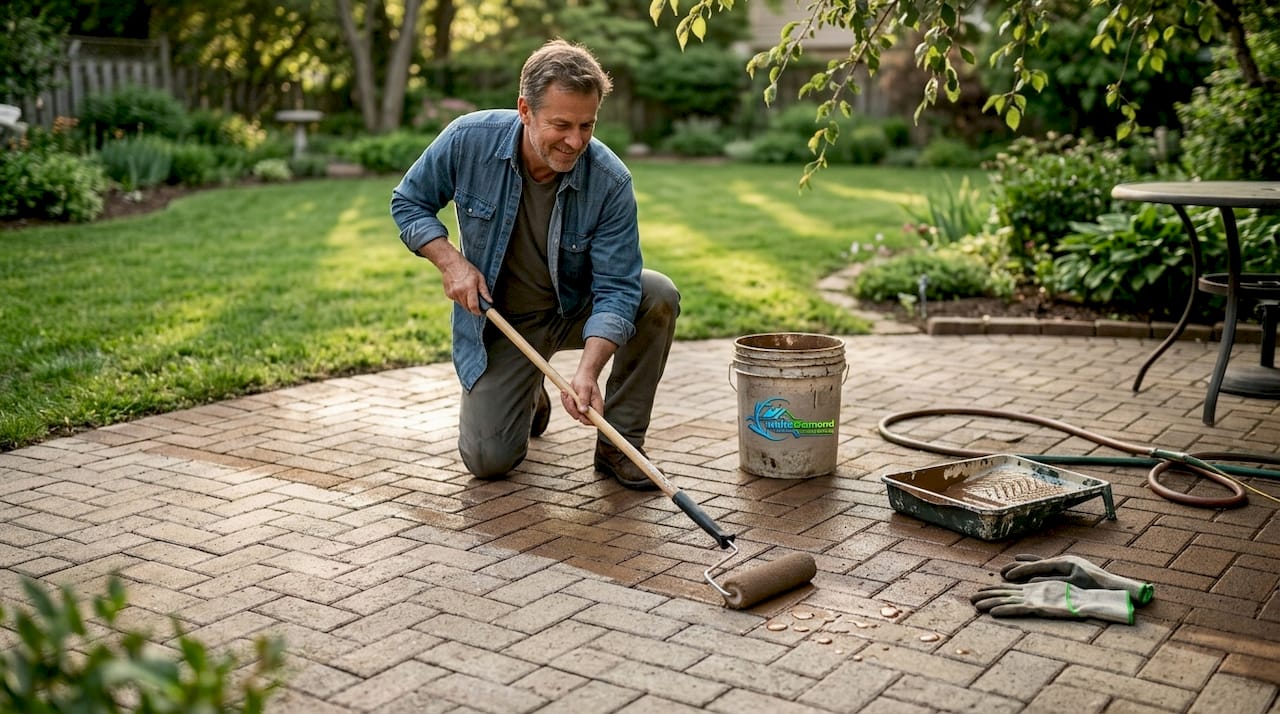
Surface sealing is the process of applying a protective coating to outdoor materials like pavers, concrete, natural stone, and brick. The goal is straightforward: reduce water absorption, block stains, and shield surfaces from the wear that Florida’s climate dishes out year-round. Think of it like sunscreen for your driveway. Without it, the surface absorbs everything the environment throws at it.
Not every surface requires sealing, but most benefit from it. According to sealed vs. unsealed comparisons, sealing is optional for low-traffic areas where a natural look is preferred, but it’s strongly recommended for driveways and high-exposure zones. Here in Citrus County, where afternoon downpours are routine and UV exposure is relentless, skipping the sealer on a driveway is a gamble most homeowners regret.
Key benefits of surface sealing:
- Prevents water penetration and freeze-thaw damage
- Blocks oil, rust, and organic stains
- Enhances color and gives surfaces a finished appearance
- Extends surface lifespan significantly
- Reduces long-term maintenance costs
Potential drawbacks to consider:
- Upfront cost of materials and labor
- Some film-forming sealers can make surfaces slippery when wet
- Requires periodic reapplication
- Incorrect application can trap moisture
| Factor | Sealed surface | Unsealed surface |
|---|---|---|
| Water resistance | High | Low |
| Stain resistance | High | Low |
| Appearance | Enhanced | Natural/faded over time |
| Maintenance frequency | Lower | Higher |
| Upfront cost | Moderate | None |
“Sealing protects against weathering, enhances color, and significantly reduces maintenance needs, but it does require periodic reapplication and can affect surface texture.” This tradeoff is worth understanding before you commit to a product.
For a deeper look at protecting your driveway specifically, our driveway sealing guide covers everything from product selection to timing.
How does surface sealing work? Key types and their uses
Understanding how sealers interact with surfaces helps you pick the right one. There are two broad categories: penetrating sealers and film-forming sealers. Each works differently and suits different situations.
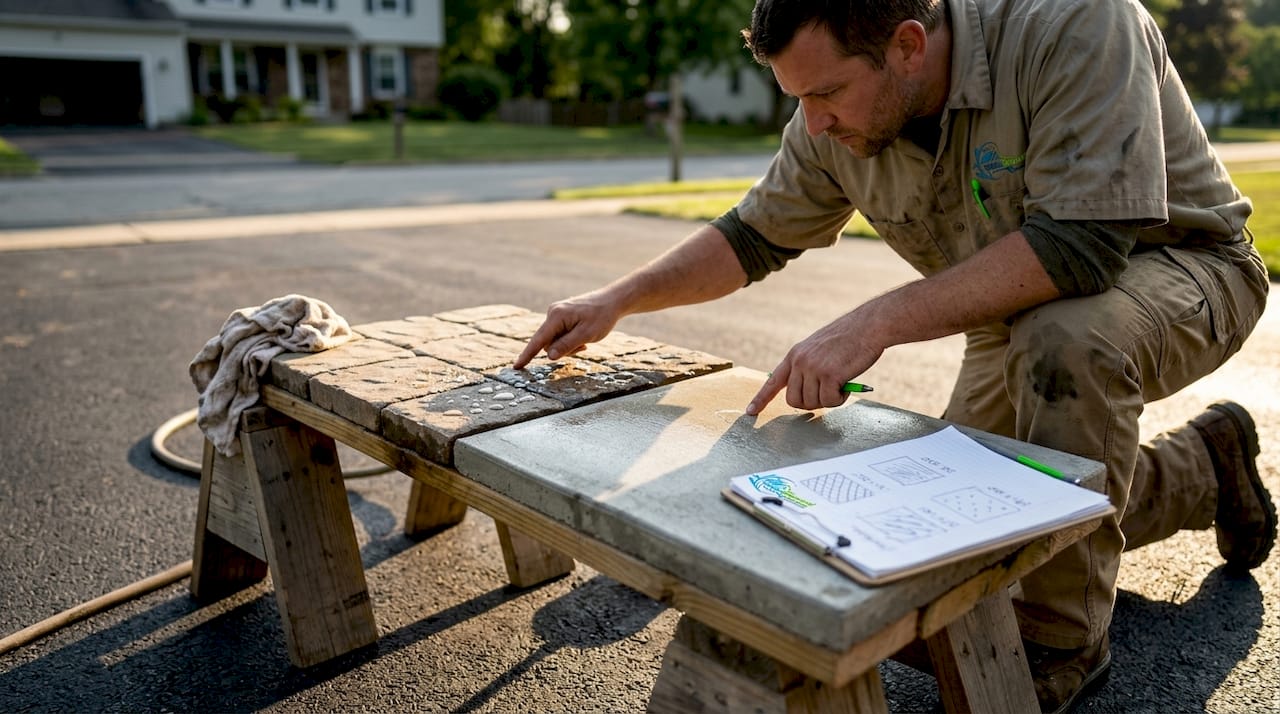
Penetrating sealers soak into the pores of the material. They don’t change the surface appearance much, but they repel water and contaminants from within. These are ideal for natural stone, brick, and concrete in high-humidity environments like Citrus County.
Film-forming sealers sit on top of the surface and create a visible protective layer. They come in three main varieties:
- Acrylic sealers: Affordable and easy to apply, but need reapplication more often
- Polyurethane sealers: More durable and resistant to chemicals and abrasion
- Epoxy sealers: Extremely hard and long-lasting, best for garage floors and heavy-traffic areas
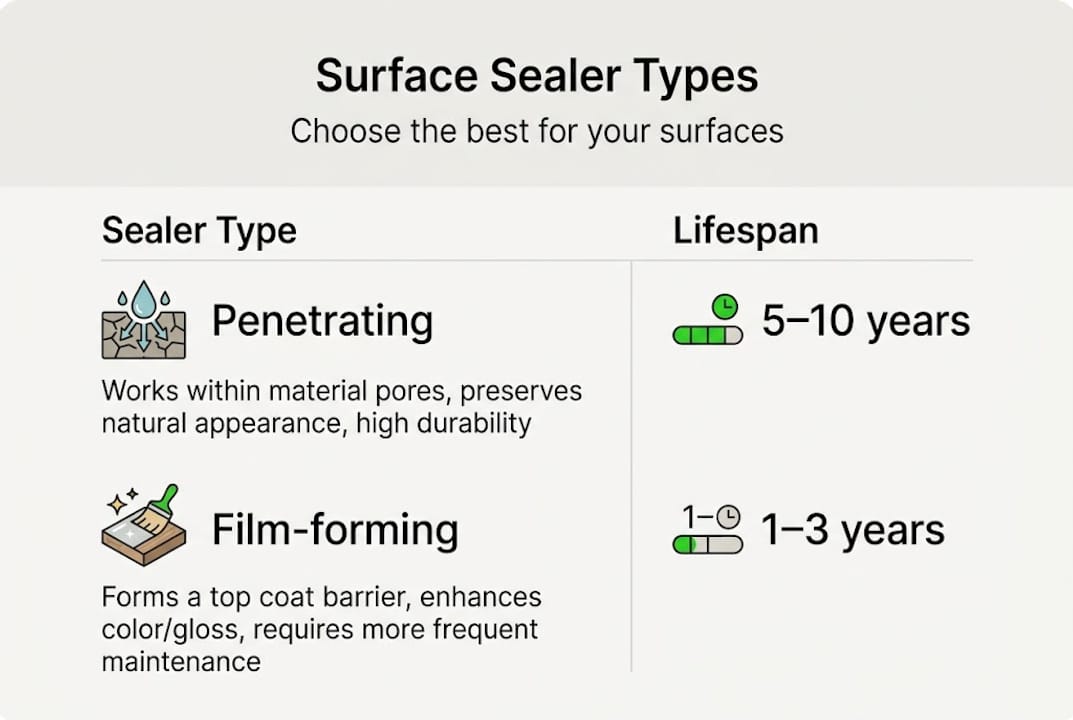
According to a detailed concrete sealing guide, penetrating sealers last 5 to 10 years while film-forming options typically last 1 to 5 years. The same source notes that proper sealing reduces water absorption 80 to 90% and can extend surface life by more than 50%.
| Sealer type | Lifespan | Best for | Appearance change |
|---|---|---|---|
| Penetrating | 5 to 10 years | Stone, brick, concrete | Minimal |
| Acrylic (film) | 1 to 3 years | Pavers, concrete | Glossy or matte |
| Polyurethane (film) | 2 to 5 years | Driveways, patios | Glossy |
| Epoxy (film) | 3 to 5 years | Garage floors | High gloss |
For Citrus County homeowners, penetrating sealers are often the smarter choice. Florida’s humidity and heat cause film-forming sealers to peel or blush if applied incorrectly. High-traffic areas like driveways should be resealed every 2 years to maintain full protection. You can also explore the pros and cons of sealing pavers to decide what fits your specific situation.
The essential steps: How to prepare and apply surface sealers
Choosing the right sealer is just the start. Execution makes the difference. A perfect product applied to a dirty or damp surface will fail quickly, wasting both time and money.
Step-by-step surface sealing process:
- Clean the surface thoroughly. Remove all dirt, mold, algae, and stains before anything else. Pressure washing or soft washing works well here.
- Treat stains and efflorescence. Efflorescence is the white, chalky residue that forms when mineral salts rise to the surface. It must be removed before sealing.
- Allow complete drying. In Citrus County’s humid climate, this can take longer than you expect. Give it at least 24 to 48 hours after washing.
- Check weather conditions. Avoid sealing before rain or during peak humidity. Aim for dry weather with temperatures between 50°F and 90°F.
- Apply thin, even coats. One to two thin coats outperform one thick coat every time. Use a sprayer for large areas and a roller for detail work.
- Allow full curing. Stay off the surface for at least 24 hours, and avoid vehicle traffic for 72 hours.
As outlined in a guide to sealing concrete driveways, the process of cleaning, applying thin coats, and waiting for proper curing is critical to long-term performance. Reapplication is typically needed every 2 to 5 years depending on traffic and exposure.
“Thin coats cure faster, bond better, and are far less likely to peel than a single heavy application.”
Pro Tip: Before sealing, use the benefits of low-pressure washing to clean delicate surfaces without causing micro-damage that can compromise sealer adhesion. Avoid the common errors covered in our pressure washing mistakes guide, and review our soft washing guide if your surfaces have algae or mold buildup.
Expert tips and common mistakes: What most homeowners miss
Even with the right products and techniques, the details matter. Here’s what industry pros want Citrus County homeowners to know before they start sealing.
Mistakes that lead to sealing failures:
- Sealing a surface that’s still damp or freshly installed
- Applying too much sealer in one coat
- Skipping the cleaning step entirely
- Choosing a film-forming sealer in a high-humidity environment without checking breathability
- Sealing during rain season without monitoring the forecast
One of the most overlooked steps is testing. Always apply sealer to a small, hidden area first. This lets you check for color change, adhesion, and compatibility before committing to the full surface. It takes 10 minutes and can save you hundreds of dollars.
New surfaces also need time. Concrete should cure for at least 28 days before sealing. Pavers need time to settle and for joint sand to stabilize. Rushing this step is one of the most common and costly mistakes homeowners make.
“Breathable sealers are essential in Florida’s climate. Non-breathable film-formers trap moisture beneath the surface, leading to blistering and peeling within months.”
Pro Tip: Check the best surfaces for pressure washing in Citrus County to understand which materials need the gentlest prep before sealing.
As noted by paving experts, breathable sealers prevent failures in Florida’s moisture-heavy environment, while unsealed pavers age faster but sidestep the maintenance cycle entirely. The right choice depends on your priorities, your surface type, and how much upkeep you’re willing to do.
Maintenance tips for long-lasting results:
- Rinse surfaces regularly to prevent dirt buildup
- Reapply sealer on schedule, not just when it looks bad
- Watch for white haze or peeling as early signs of sealer failure
- Keep trees trimmed to reduce organic debris and staining
Why most sealing advice misses the mark for Citrus County homeowners
We’ve read the same generic guides you have. Most of them were written with a northern U.S. homeowner in mind, someone dealing with freeze-thaw cycles and dry summers. That’s not Citrus County. Our climate is a different challenge entirely.
Here, humidity sits high even on clear days. Rain arrives fast and heavy. UV exposure is intense enough to degrade film-forming sealers in a fraction of the time it would take in, say, Ohio. When a guide tells you to wait 24 hours after washing before sealing, that advice might be fine in Denver. In Inverness or Crystal River, you may need 48 to 72 hours just to get the surface truly dry.
We’ve seen homeowners follow the instructions on the sealer label perfectly and still end up with blistering or white haze within a season. Why? Because the label was written for average conditions, not Florida conditions. Avoiding sealing damp surfaces is especially critical here, where film-forming sealers carry real risk of trapping moisture and causing efflorescence.
Our advice: choose penetrating, breathable sealers whenever possible, seal in the dry season (typically late fall through early spring), and give new surfaces more curing time than the manufacturer recommends. Local knowledge matters more than a generic checklist.
Protect and renew your surfaces with professional help
Now that you understand what surface sealing involves, you can see why preparation is everything. Getting the surface truly clean and dry before sealing is the step most DIY attempts get wrong, and it’s the step that determines whether your sealer lasts two years or ten.
At White Diamond Pressure Washing, we specialize in getting Citrus County surfaces ready for sealing using our soft washing process and low-pressure washing techniques that clean without damaging your materials. Our team understands the local climate and knows exactly what it takes to prep surfaces correctly in Florida’s humidity. Explore our professional services and get a free estimate today. We make sure your surfaces are ready to seal and built to last.
Frequently asked questions
How often should I reseal my driveway or patio in Citrus County?
Most surfaces in Florida need resealing every 2 to 5 years, but high-traffic driveways and patios should be resealed every 2 years for consistent protection against Florida’s weather.
What’s the biggest risk of sealing surfaces incorrectly in Florida?
Sealing a damp or freshly installed surface can trap moisture beneath the coating, causing peeling, white haze (blushing), or efflorescence in humid climates like Citrus County’s.
Do all outdoor surfaces need sealing, or can I skip it?
Sealing is optional for low-traffic areas where a natural appearance is preferred, but it’s strongly recommended for driveways, pool decks, and any surface exposed to heavy rain or UV.
Which type of sealer lasts the longest in Florida conditions?
Penetrating sealers last 5 to 10 years and perform best in humid climates because they allow moisture to escape rather than trapping it beneath a surface film.
Recommended
- Preventative Exterior Cleaning: Protect Your Home – white-diamond-pressure
- 7 Common Exterior Surfaces to Clean for Better Curb Appeal – white-diamond-pressure
- Exterior Restoration: Boost Your Curb Appeal Safely – white-diamond-pressure
- Role of Detergents in Exterior Cleaning Success – white-diamond-pressure
3 thoughts on “Surface sealing: protect and enhance your outdoor surfaces”