

TL;DR:
- Agitation, a mechanical action that loosens debris and stains, is crucial for thorough pressure washing results. It works alongside water pressure and detergents to disrupt organic growth, reducing regrowth time and surface damage risks. Proper use of agitation tools, tailored to surfaces, enhances cleaning effectiveness, especially in humid environments like Citrus County.
Most homeowners assume a powerful pressure washer is all it takes to blast away years of grime. Turn up the PSI, point, and shoot. But that approach misses a critical piece of the puzzle that even seasoned DIYers overlook: agitation. It’s the mechanical action that physically breaks the bond between stubborn contaminants and your surfaces, and without it, you’re often just moving dirt around rather than eliminating it. For Citrus County homeowners and property managers dealing with Florida’s relentless humidity, algae, and pollen, understanding agitation could be the difference between a surface that looks clean for a week and one that stays clean for months.
Table of Contents
- What is agitation in pressure washing?
- How agitation improves cleaning results
- Essential agitation tools and techniques
- Protecting your property: Agitation without damage
- Our take: Why agitation is the secret sauce in Citrus County cleaning
- Get expert agitation and cleaning with White Diamond Pressure Washing
- Frequently asked questions
Key Takeaways
| Point | Details |
|---|---|
| Agitation explained | Mechanical movement like scrubbing multiplies cleaning power beyond water pressure alone. |
| Better cleaning results | Pairing agitation with pressure provides a deeper, longer-lasting clean for exterior surfaces. |
| Safety is key | Using proper agitation methods protects your property from damage during washing. |
| Right tools matter | Choosing the correct agitation tool or technique is essential for effective and safe cleaning. |
What is agitation in pressure washing?
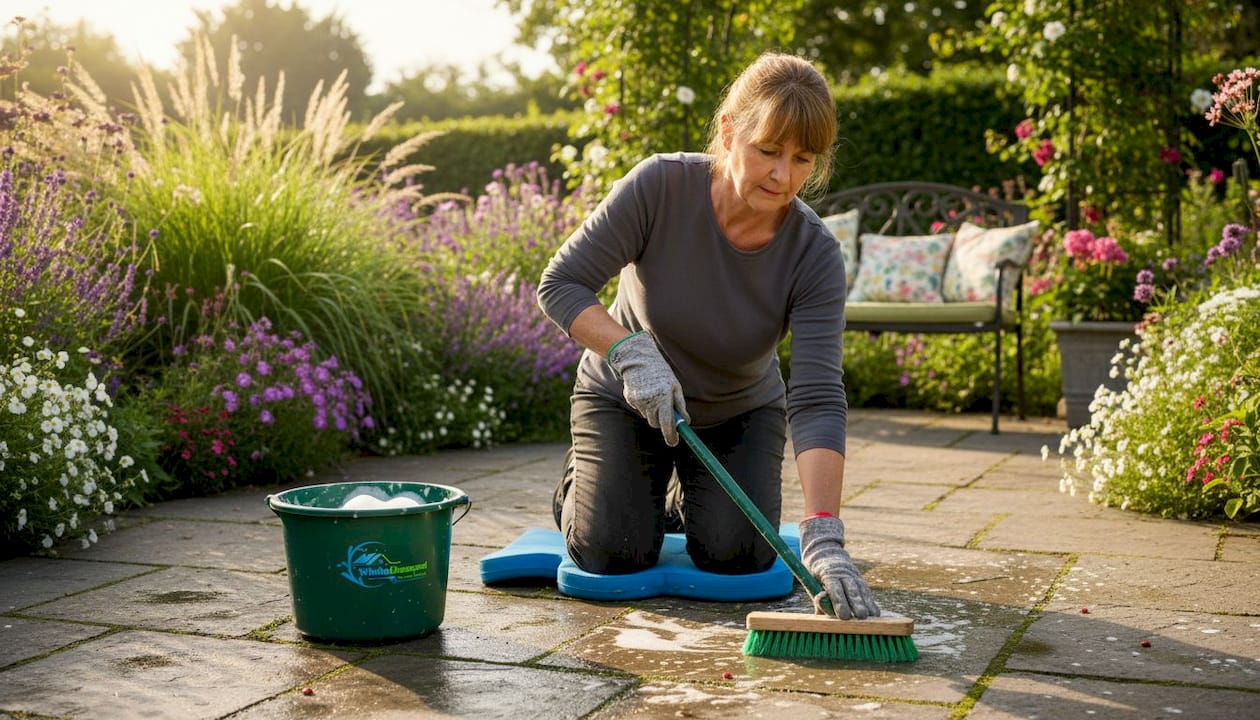
Let’s clear up a term that gets tossed around in professional cleaning circles but rarely explained for homeowners. Agitation, in the context of pressure washing, refers to any mechanical action that physically loosens debris, mold, algae, or staining from a surface during the cleaning process. Think of it like the scrubbing action of a toothbrush compared to just rinsing your mouth with water. The water alone removes some residue, but the physical brushing is what actually dislodges the buildup.
As outlined in the pressure washing in maintenance guide, “agitation is a mechanical action that physically loosens debris and staining from surfaces during pressure washing.” It works in combination with two other cleaning factors: water pressure and chemical detergents. Each component plays a role, but agitation is the one most frequently skipped, especially in DIY settings.
Common agitation methods include:
- Surface scrubbers: Flat, spinning attachments that create even circular scrubbing across concrete and stone
- Rotary or turbo nozzles: Nozzles that spin the water stream in a tight cone, creating agitation as they work
- Manual brushes: Long-handled stiff brushes used with or without a pressure washer
- Soft wash brushes: Gentler bristle brushes designed for roofs, siding, and painted surfaces
“Not all surfaces respond the same way to pressure. Agitation gives you the flexibility to match the cleaning force to the material, instead of defaulting to brute water pressure.”
The biggest misconception we see among Citrus County homeowners is that simply increasing water pressure in exterior cleaning solves every problem. In reality, cranking up PSI on a delicate surface like wood siding or roof shingles risks etching and damage without actually removing embedded growth any more effectively. Agitation targets the bond itself, not just the top layer.
How agitation improves cleaning results
With the basics of agitation covered, it’s time to see why pairing it with pressure makes all the difference in real results.
Research consistently supports this combination. Combining agitation with appropriate water pressure often provides more thorough cleaning than pressure alone, particularly for surfaces with embedded organic growth like algae, mold, and lichen. The mechanical disruption breaks the organism’s root structure rather than just shearing off the visible surface layer.
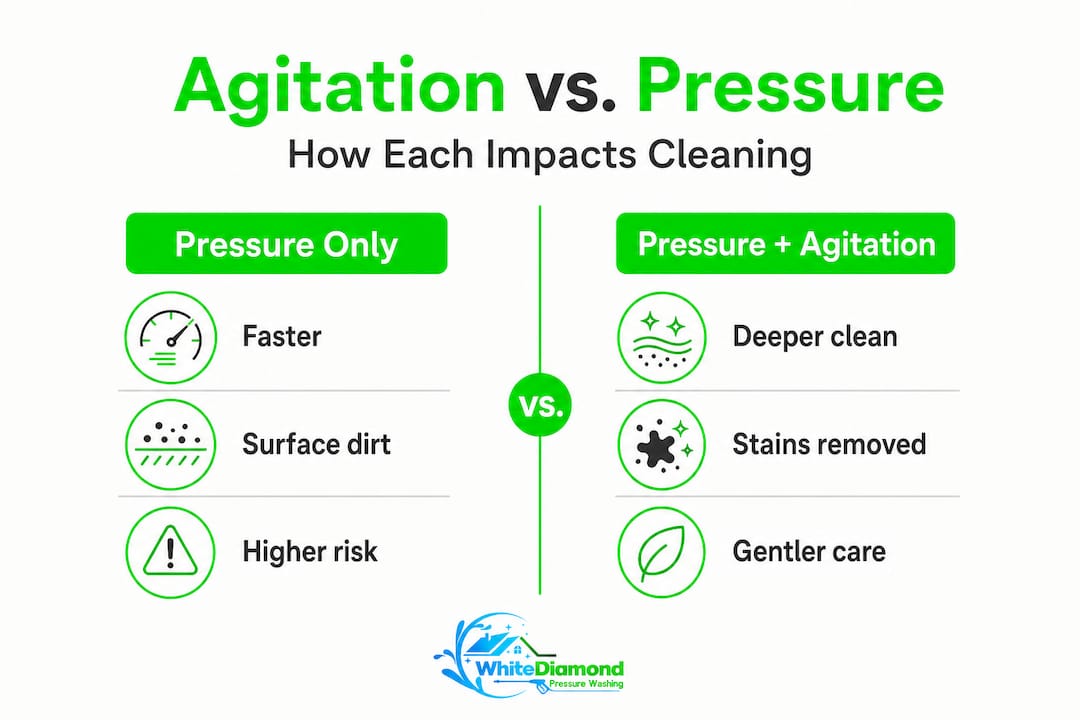
Here’s a direct comparison that illustrates the difference:
| Metric | Pressure only | Pressure + agitation |
|---|---|---|
| Surface cleanliness | Moderate | Deep and thorough |
| Risk of surface damage | Higher (needs more PSI) | Lower (less pressure needed) |
| Cleaning speed | Slower for stubborn stains | Faster overall |
| Time before regrowth | Shorter (weeks) | Longer (months) |
| Chemical usage | Higher | Lower |
| Suitability for delicate materials | Limited | Broader range |
The results from this comparison are not just theoretical. In practice, surfaces cleaned with proper agitation retain their cleanliness significantly longer because the root structures of mold and algae have been fully disrupted rather than simply covered over. For a Citrus County driveway coated in green algae or a roof darkened by mildew, that difference in regrowth time is enormous.
Pro Tip: For stained concrete driveways, use a rotary surface cleaner paired with a degreaser and let the solution dwell for five minutes before agitating. This loosens oil-based stains far more effectively than pressure alone and reduces the risk of streaking.
The chemistry side matters too. Detergents are designed to break down organic material and loosen grime from surfaces at a molecular level. But detergents work faster and more thoroughly when they’re being physically worked into the surface. Agitation accelerates the chemical reaction, which is why pressure washing vs traditional cleaning methods consistently show that combined approaches outperform single-method cleaning. Think of it like washing dishes: soap alone doesn’t cut grease until you add the scrubbing action.
Essential agitation tools and techniques
With the benefits clear, let’s break down which tools and methods give you control over agitation for any job.
The process itself isn’t complicated once you understand the sequence. Getting the steps right is where most DIY attempts fall short. The right tool for the wrong step is still the wrong approach.
Basic agitation process (step by step):
- Wet the surface thoroughly with clean water to prevent detergent from drying too quickly
- Apply your cleaning solution evenly, working from the bottom up on vertical surfaces to prevent streaking
- Allow dwell time of three to five minutes so the solution can begin breaking down organic matter
- Agitate the surface using the appropriate tool for the material (brush, scrubber, or rotary nozzle)
- Rinse thoroughly from top to bottom using moderate pressure to remove all loosened debris and chemical residue
As noted in the soft washing process guide, “selecting the right agitation tools helps maximize cleaning and protect sensitive materials.” That principle applies whether you’re cleaning a concrete driveway or a cedar deck.
Here’s a practical breakdown of common agitation tools:
| Tool | Best surface | Skill level | Risk level |
|---|---|---|---|
| Stiff manual brush | Concrete, brick | Beginner | Low |
| Soft bristle brush | Painted siding, roofs | Beginner | Low |
| Rotary surface cleaner | Large flat concrete areas | Intermediate | Low to medium |
| Turbo/rotary nozzle | Driveways, heavy staining | Intermediate | Medium |
| Professional scrubber attachment | All surfaces | Professional | Low with training |
For homeowners tackling smaller jobs, a manual brush combined with a proper cleaner delivers excellent results without expensive equipment. For larger surface areas like long driveways or expansive pool decks, a rotary surface cleaner saves time and delivers more consistent results.
Roofs require special mention here. Florida roofs face constant assault from algae and moss due to humidity, and the temptation is to blast them clean with high pressure. That’s one of the most costly mistakes a homeowner can make. Instead, following roof cleaning tips from professionals and pairing a low-pressure rinse with a soft brush and appropriate cleaning solution protects shingles while still achieving a deep clean. Similarly, learning to avoid pressure washing mistakes when cleaning gutters and fascia prevents damage to some of the most vulnerable parts of your home’s exterior.
Protecting your property: Agitation without damage
Tools and techniques matter, but knowing how to apply agitation safely is just as important for protecting your investment.
Every material responds differently. Here’s what works safely for the most common exterior surfaces in Citrus County:
- Painted wood siding: Use a soft-bristle brush only. Never a wire brush or stiff nylon. Work with the grain and avoid excess water penetration at seams.
- Concrete driveways and sidewalks: Stiff nylon brushes or rotary surface cleaners are ideal. Concrete is durable, but over-agitation without proper rinsing can leave chemical residue that attracts dirt faster.
- Wood decks: Soft bristle brushes applied with the wood grain. Allow drying time between applications to prevent fiber raising.
- Stucco: Gentle rotary nozzles at low pressure combined with soft scrubbing. Stucco is porous and can crack under high-pressure agitation.
- Roof shingles: Soft wash brushes only. Never stiff brushes or high-pressure rotary nozzles on asphalt shingles.
As warned in the guide to avoid pressure washing mistakes, “aggressive agitation can harm painted, delicate, or aged surfaces; proper technique prevents unnecessary repairs.” That’s not a theoretical concern. We’ve seen homeowners strip paint from siding, erode grout from tile, and crack stucco by using tools that were simply too aggressive for the surface.
Pro Tip: Always test your agitation method in a small, inconspicuous area first, like the back corner of a fence panel or a section of driveway near the garage. If the surface shows any signs of scratching, fiber raise, or paint lifting after a test patch, switch to a gentler tool before proceeding with the full job.
Citrus County’s climate adds extra considerations. The combination of heat, humidity, and frequent rain creates ideal conditions for mold, mildew, and algae growth. These organisms don’t just sit on top of surfaces. They send tiny root-like structures called hyphae into porous materials like concrete, stucco, and wood. Agitation combined with a biocidal cleaner disrupts those root structures, which is why homes in this region genuinely need more thorough cleaning than properties in drier climates. Following current pressure washing safety standards ensures you’re using methods that protect both your property and the surrounding environment.
Our take: Why agitation is the secret sauce in Citrus County cleaning
While guidelines are helpful, let’s step back and share why agitation truly matters in our unique Citrus County environment.
Here’s the honest truth: most guides on pressure washing barely mention agitation. They focus on PSI ratings, nozzle colors, and detergent dilutions. Those details matter, but they won’t save a roof that’s being eaten alive by algae or a driveway that turns green again within a month. In our experience working across Citrus County, the single biggest reason DIY cleaning falls short isn’t equipment, it’s skipping agitation entirely.
Florida’s climate is unforgiving. Pollen, mildew, algae, and organic growth settle into every surface faster here than almost anywhere else in the country. When you skip agitation, high-pressure water alone shears off the surface layer of growth, which looks clean in the moment but leaves the root structure intact. That root structure is what causes rapid regrowth. You’ve cleaned the symptom, not the problem.
We’ve seen local homes that were professionally cleaned with proper agitation stay visibly clean for six months or longer. Comparable properties cleaned with pressure only started showing regrowth within four to six weeks. That’s not a minor difference. Over a few years, it translates directly into fewer cleaning cycles, lower maintenance costs, and better-preserved materials.
The other thing most guides miss is that agitation actually makes cleaning safer for delicate surfaces. By reducing the pressure needed to achieve deep cleaning, it protects painted siding, aged wood, and older stucco from the micro-erosion that accumulates over repeated high-pressure cleanings. A role in pressure washing in maintenance that goes far beyond aesthetics.
We encourage every homeowner and property manager reading this to honestly evaluate their current cleaning routine. Are you agitating, or are you just rinsing? If it’s the latter, you’re leaving real results on the table, and potentially accelerating wear on the very surfaces you’re trying to maintain. The commercial pressure washing benefits extend to residential properties too, and proper agitation is a core part of what separates a professional result from a temporary fix.
Get expert agitation and cleaning with White Diamond Pressure Washing
If implementing these steps seems daunting, here’s how local experts can help make it effortless and effective.
At White Diamond Pressure Washing, every job includes proper agitation as a standard part of our process, not an add-on. We use industry-approved tools matched to each surface type, following a proven sequence that delivers deeper results while protecting your property.
Our team knows Citrus County surfaces and climate inside and out. From soft washing roofs with gentle agitation to deep-cleaning concrete driveways with rotary scrubbers, every service is designed to maximize both cleanliness and longevity. Explore our pressure washing services to see the full range of what we offer. You can also learn more about our detailed soft washing process or review how we help clients avoid common pressure washing mistakes that lead to expensive repairs. Book a free estimate today and see the difference proper technique makes.
Frequently asked questions
Can too much agitation damage my home’s siding?
Yes, using excessive force or the wrong tools on painted or older surfaces can cause real damage. Following recommended techniques, as outlined when learning to avoid pressure washing mistakes, protects your siding from scratching, paint loss, and water intrusion.
Which surfaces benefit most from agitation during pressure washing?
Driveways, sidewalks, decks, and roofs with heavy moss or algae see the greatest results because the mechanical action disrupts embedded growth. As supported by pressure washing vs traditional cleaning comparisons, combining pressure with agitation consistently outperforms pressure alone on these surfaces.
Can agitation reduce the amount of chemicals needed?
Yes. When you physically work a cleaner into a surface through agitation, it activates faster and penetrates deeper, which means you need less product to get the same results. The soft washing process is built around this principle to protect surrounding plants and landscaping.
Is agitation necessary for every pressure washing job?
Not for every job. Light dust removal from a patio or rinsing pollen off a driveway doesn’t require it. But for any surface showing staining, mold, algae, or embedded growth, skipping agitation means you’re only achieving a partial clean that will need repeating much sooner.
Recommended
- 7 Key Commercial Pressure Washing Benefits for Homeowners – white-diamond-pressure
- 7 Key Advantages of Low-Pressure Washing for Homeowners – white-diamond-pressure
- Avoid These Pressure Washing Mistakes: Safer, Cleaner Home – white-diamond-pressure
- Transform Your Home: Benefits of Low-Pressure House Washing – white-diamond-pressure